
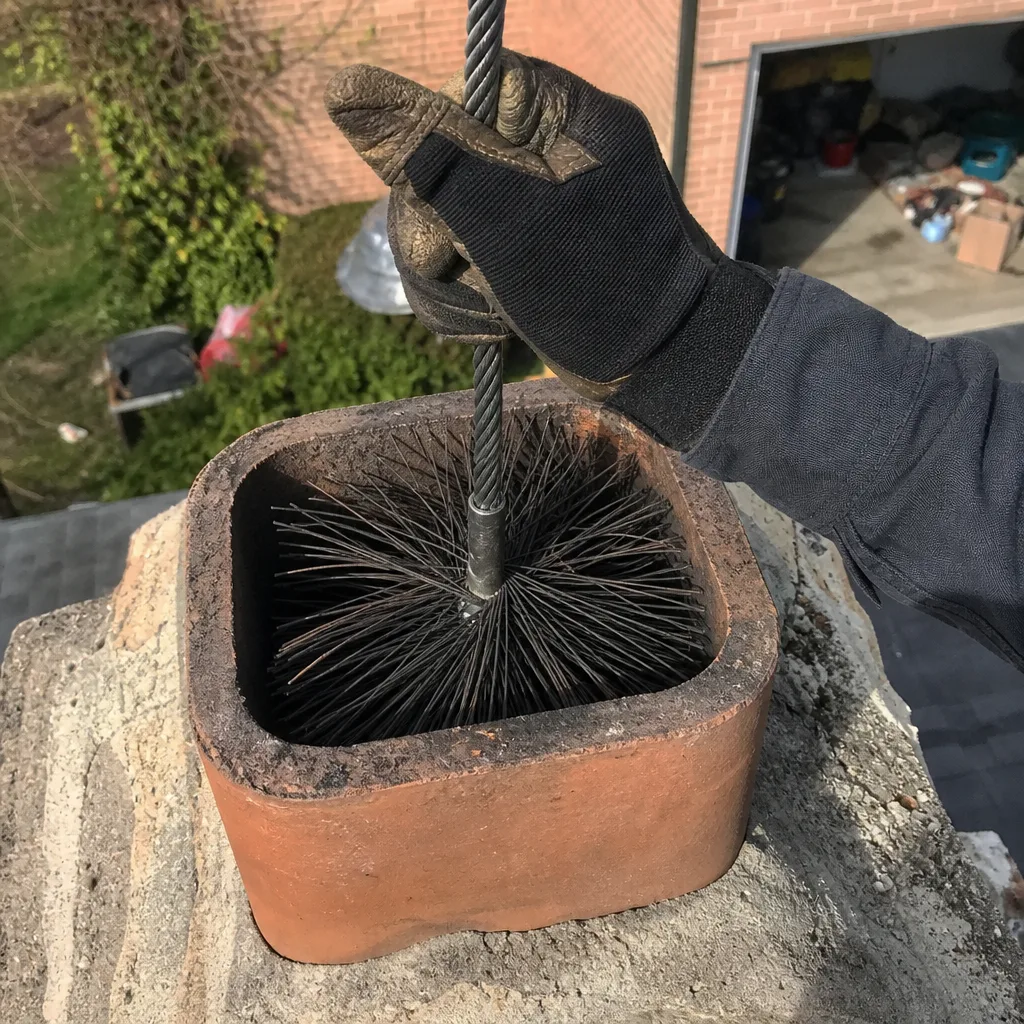
Last updated November 15, 2026
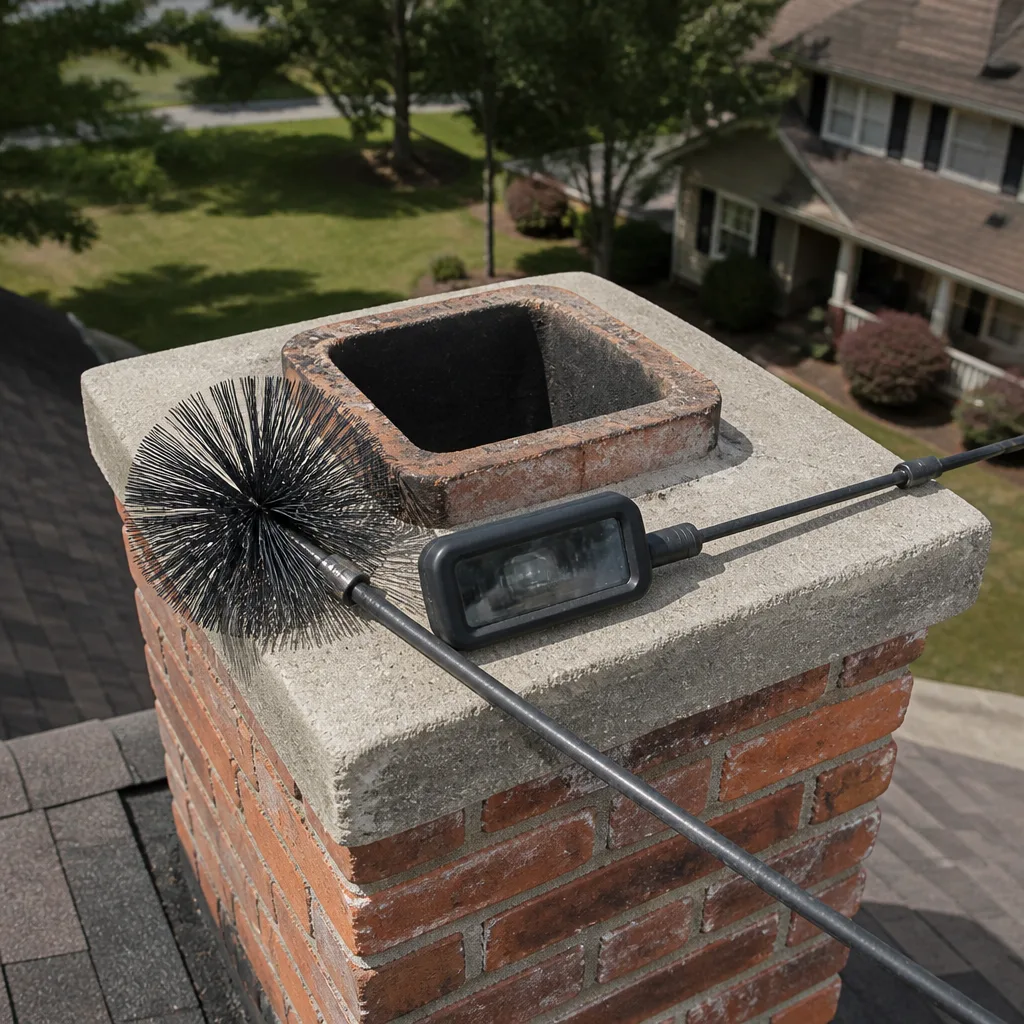 Sweep & inspection
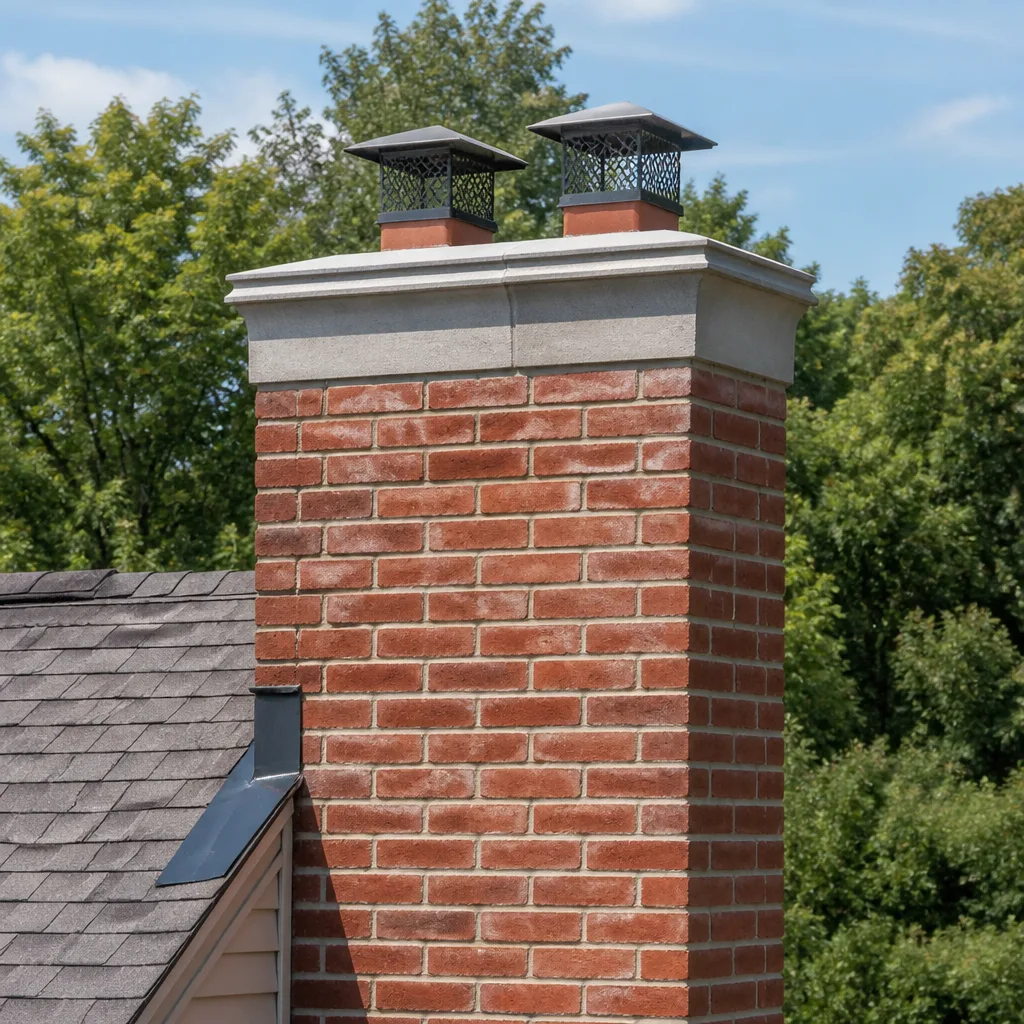 Caps & crowns
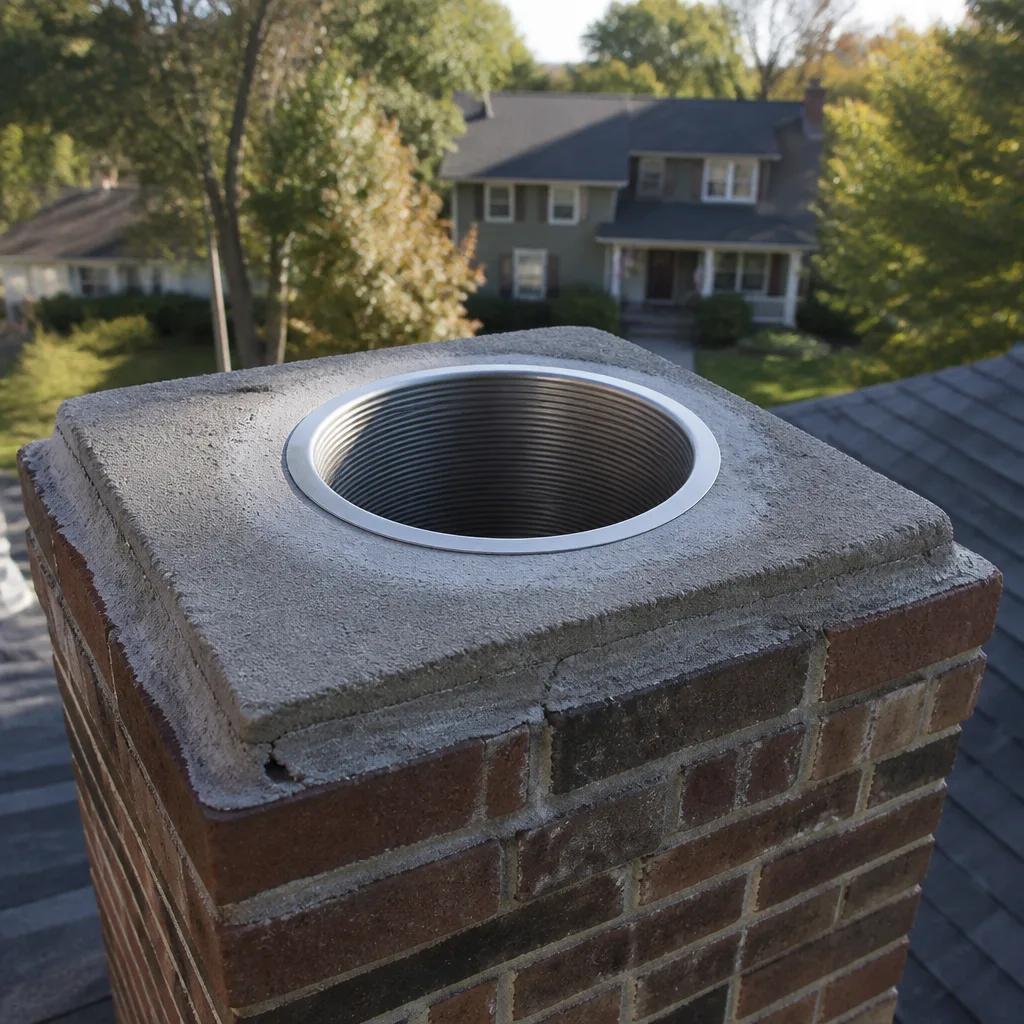 Flue relining
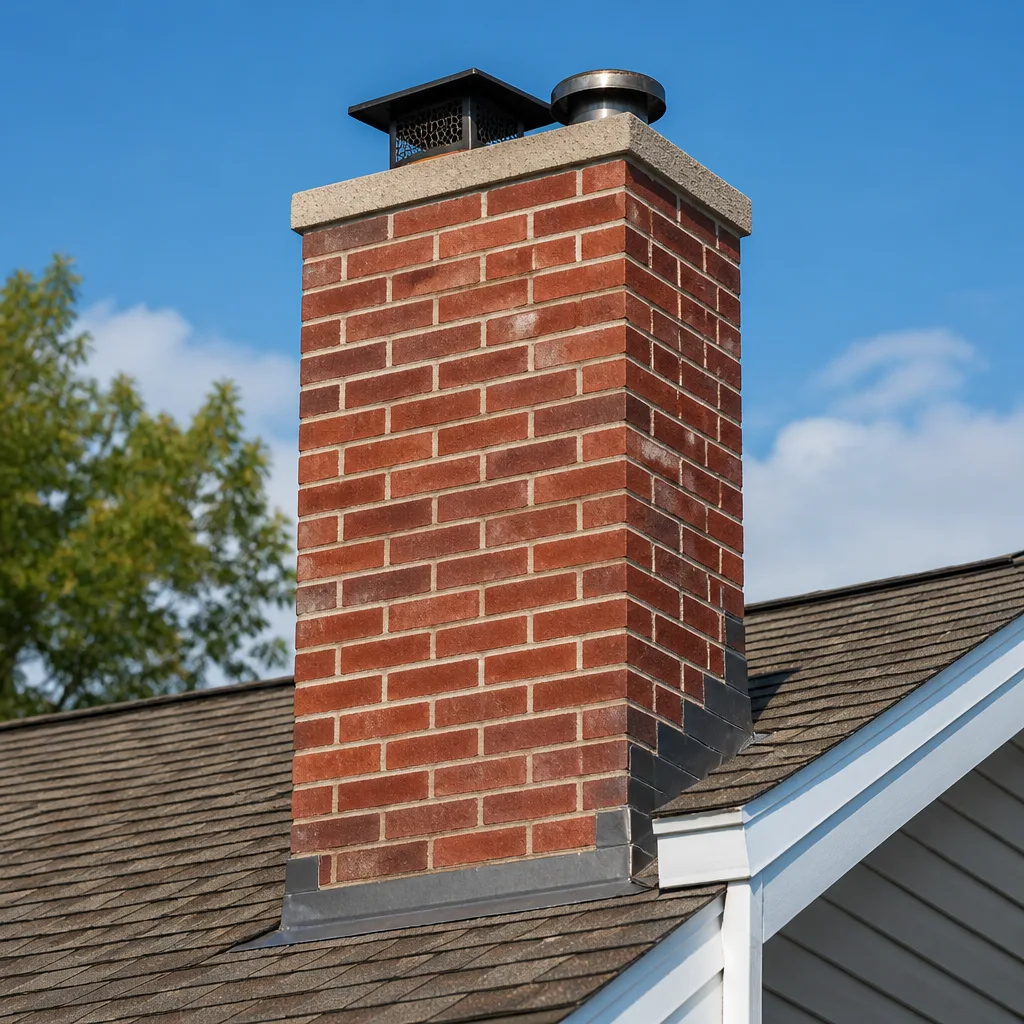 Masonry repair
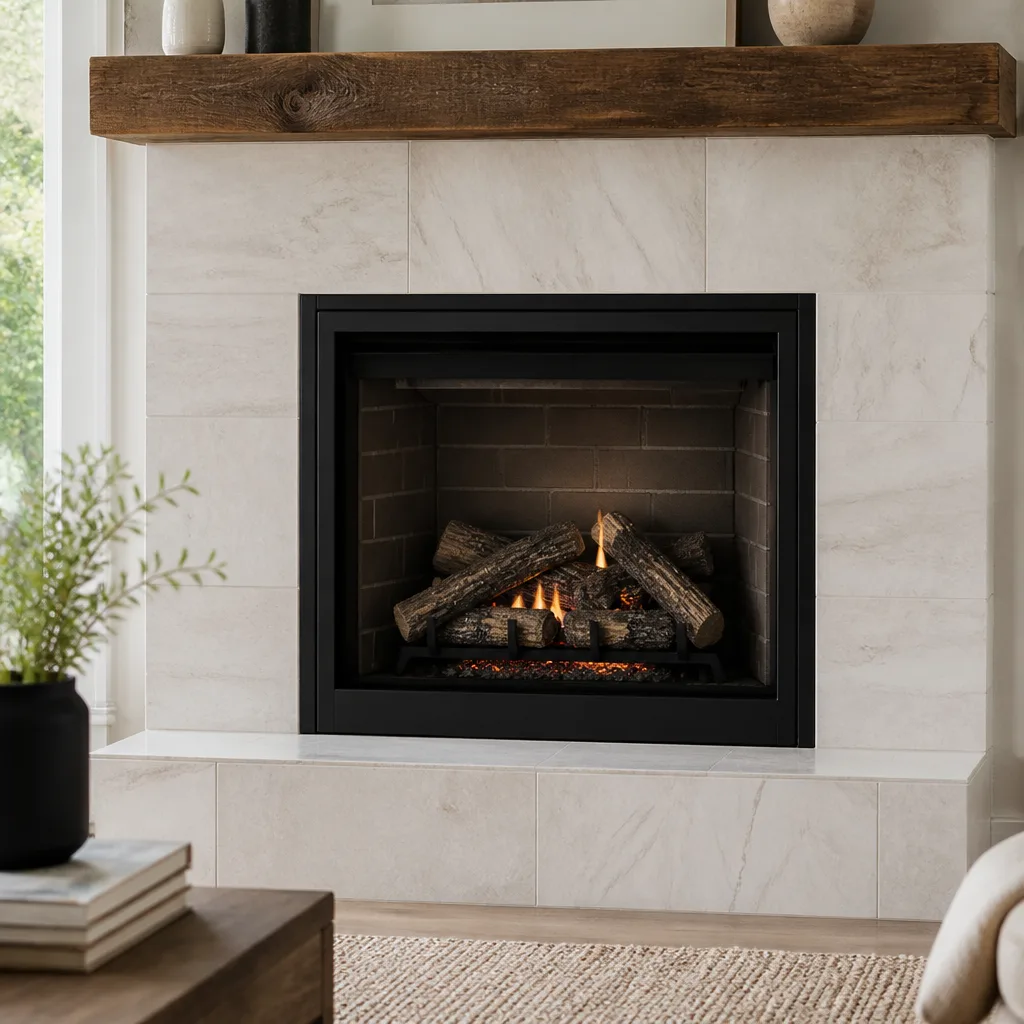 Gas fireplace service
Level 1 sweep and inspection to the NFPA 211 annual standard - flue, crown, cap, and flashing checked and photographed
Chimney sweep logs do not sweep chimneys. They loosen some creosote - which then falls where a brush and vacuum still have to collect it.
The Complete Guide to Chimney Cleaning in Clarksville
Most homeowners think a chimney cleaning is a brush, a vacuum, and a half hour of somebody’s time. We understand why. That’s what the phrase sounds like it means. But a chimney isn’t a single object: it’s a system, and the flue, liner, firebox, cap, and connected appliance each fail in their own way and need different tools to address properly. A brush that sweeps one part can leave the others unexamined. In this guide we map the whole system so you know exactly what a complete job looks like before anyone shows up at your door, and what questions to ask when they do. You’ll leave with a clear picture of what cleaning, inspection, and repair each cover.
Quick Answer
Chimney cleaning in Clarksville means more than removing soot. A complete job combines a full sweep of the flue, a camera-based inspection of the liner and joints, and a repair plan for anything the inspection turns up, and for wood-burning fireplaces that should happen every year. If your fireplace is wood-burning or you’ve just bought an older home, you want all three – cleaning, inspection, and a fix for what’s actually found.
Styles & brands we work with
- Sweep & inspection
- Caps & crowns
- Flue relining
- Masonry repair
- Gas fireplace service
Table of Contents
- Cleaning vs. Inspection vs. a Full-Service Sweep
- What Professional Rotary Cleaning Finds That a Brush Misses
- How Clarksville’s Wood Habits and Humidity Drive Creosote Buildup
- What a Level 2 Inspection Includes, and When Tennessee Homes Need One
- Why a Clean Flue With a Cracked Liner Is Still a Fire Hazard
- Step by Step: How a Complete Sweep Goes
- The Other Vent in Your House: Dryer Ducts
Cleaning vs. Inspection vs. a Full-Service Sweep
These three terms get used interchangeably, and that’s where a lot of trouble starts. They describe different work, and a home with a wood-burning fireplace in Clarksville needs all three done together, not one of them sold as the whole package.
A cleaning removes what’s built up inside the flue: soot, creosote, and debris. It’s the physical labor. An inspection is the diagnostic: someone looks at the flue, liner, firebox, damper, cap, and the connections to your appliance and records what condition each part is in. A full-service sweep is cleaning plus inspection plus a written or visual report you can understand, and ideally the repair capability to fix what the inspection finds without you chasing a second contractor.
Why does the distinction matter in Clarksville? Because the region has a lot of older housing stock where chimneys were built decades ago, and many have been retrofitted over time with inserts, gas logs, or aftermarket liners. A sweep that only pushes a brush through tells you nothing about whether that insert was vented correctly or whether the original clay tile has cracked. The brush went in. The problem stayed.
Here’s a simple way to think about it:
- Cleaning answers “is the flue clear?”
- Inspection answers “is the whole system sound?”
- Full-service sweep answers both, and then offers a repair for whatever’s found.
If a company can only do the first one, you’ll eventually be handed a list of problems and told to call somebody else to fix them. That gap is the reason we handle cleaning, repair, and liner work under one roof. A home assessment should end with a plan, not a referral. When a Clarksville homeowner asks what a proper annual visit covers, the honest answer is all three parts of the system.
What Professional Rotary Cleaning Finds That a Brush Misses
A hand brush and a shop vacuum will get loose soot off the walls of a flue. What they won’t do is reach the places creosote actually hardens. That’s the difference between basic cleaning and a professional rotary system, and it’s the reason a cheap sweep can look thorough and still leave a hazard behind.
Rotary cleaning uses a powered spinning head on a flexible rod. In our experience, it does three things a hand brush can’t:
- It scours glazed creosote. Stage 3 creosote is hard, shiny, and bonded to the liner. A brush skates over it. A rotary head grinds into it, which is essential because glazed creosote is the most combustible layer and the hardest to remove.
- It follows the shape of the flue. Older Clarksville chimneys often have offset or slightly out-of-round flues. A flexible rotary rod turns corners a stiff brush can’t.
- It exposes what’s underneath. Once the creosote is off, cracks in the clay tile and gaps at the joints become visible. A brush leaving a sooty film hides those cracks.
The tooling matters as much as the technique. We work with professional-grade product lines rather than off-the-shelf fixes, and that extends to the components we use when a cleaning turns into a repair. Brands like Olympia Chimney, Famco, and Copperfield make parts most generalist handymen never stock. When the rotary head reveals a failed joint, we don’t have to stop the job and order a part from a big-box store that may not carry it.
You don’t need to know the brand names to benefit from this. You do need to know what to ask. A cleaning that skips rotary work on heavy creosote isn’t a full cleaning. It’s a surface pass.
How Clarksville’s Wood Habits and Humidity Drive Creosote Buildup
Creosote is a product of incomplete combustion, and how fast it builds up depends on what you burn and how you burn it. Middle Tennessee’s humid summers and cool, wet winters shape both, and the results show up in Clarksville flues every season.
The single biggest variable is wood moisture. Green or unseasoned wood smolders. That cool, slow fire sends unburned tar up the flue, and that tar condenses on the cooler walls as creosote. Seasoned wood burns hotter and cleaner, leaving far less behind. The difference between a load of properly dried wood and a load cut last month is the difference between a flue that stays manageable for a season and one that builds a heavy layer by mid-January.
Humidity plays a supporting role. Wood left uncovered in a damp climate doesn’t dry the way it does in arid country. A cord stacked under a tarp with wet ground underneath can stay wet well into the heating season. In Clarksville, we often see homeowners burning wood that felt dry but was holding moisture from months of humid air.
A few habits that change creosote rates:
- Burn only wood that’s been split, stacked, and dried long enough to actually be ready, covered on top but open to airflow on the sides.
- Keep the fire hot enough to burn clean rather than banking it down into a long, smoldering overnight burn.
- Never burn household trash, cardboard, or treated lumber, which leave heavy deposits and can create other hazards.
- Watch the smoke. A fire that’s sending thick, dark smoke up the chimney is depositing much of it on the flue walls.
None of this is exotic advice. What it means for Clarksville is that a chimney here can build a serious creosote load within a single season if the fuel and fire habits are working against you. That’s why the annual sweep isn’t a formality. The fuel you choose is the biggest lever you control, and the inspection is how you find out what that lever has been doing to your liner.
What a Level 2 Inspection Includes, and When Tennessee Homes Need One
Chimney inspections come in levels, and the one you need depends on the situation. A Level 1 is a visual check of accessible parts during routine maintenance. A Level 2 is more thorough: it adds a video camera scan of the flue’s interior and examines connections, and it’s the level most often needed when something has changed or the home is changing hands.
Here’s what a Level 2 typically includes:
- A video camera run through the flue to see the full length of the liner, joints, and any offsets or transitions.
- Examination of the firebox, damper, and smoke chamber.
- A look at the appliance connection, cap, and any surrounding structure that could affect venting.
- A written record of findings you can keep and share.
When do Tennessee homeowners need one? The most common triggers are a property sale or transfer, a change to the system (a new insert, appliance swap, or liner work), or a damage event such as a chimney fire or a physical impact. After any of those, a camera scan is the only way to know the interior condition. In many areas a Level 2 inspection is expected at the time of a home sale; confirm the specifics with your local building department, since requirements can vary and the chimney isn’t the only thing a home inspector looks at.
For a Clarksville buyer moving into an older home, a Level 2 before the first fire is the single most useful money you’ll spend. You learn what you actually own rather than what the listing assumed. And because we can repair what the scan finds, the inspection comes with a plan attached.
Why a Clean Flue With a Cracked Liner Is Still a Fire Hazard
A clean flue is not a safe flue. This is the point homeowners miss most often, and it’s the reason a real inspection involves more than a brush. The liner is what keeps heat and combustion gases inside the chimney and away from the wood framing, insulation, and structure around it.
In older Clarksville homes, the liner is usually clay tile. Clay tile is durable, but it cracks. A chimney fire, a shifting foundation, or simple age can open a hairline crack or a gap at the joints. When that happens, heat and embers can reach combustible material behind the tile. A flue can be swept spotless and still be a fire hazard, because the cleaning addressed the soot and left the breach untouched.
This is where repair capability becomes safety. When the camera reveals a cracked or deteriorated liner, the options fall into a few categories:
- Resurfacing. HeatShield ceramic resurfacing restores a deteriorated flue to a smooth, sealed surface without a full liner replacement. It’s a repair-tier method that most brush-and-vacuum operations can’t offer, and it addresses the failure directly rather than just cleaning around it.
- Relining. A flexible liner system, such as DuraFlex, is installed inside the existing flue to create a new sealed pathway. It’s used for compromised, oversized, or unlined flues and for appliances that need correct venting.
- No action needed. Sometimes the liner is sound and the honest answer is that the chimney is fine. We say so plainly when that’s the case.
Notice what that list has in common: all three require actually seeing the liner, and two of the three require repair materials a cleaning-only company doesn’t carry. A clean flue with a cracked liner is a maintenance pass on a system with an open question. The camera answers it.
Step by Step: How a Complete Sweep Goes
If you’ve never had a chimney serviced, you may not know what to expect. Here’s the sequence a proper full-service sweep follows, so you can tell whether a job is being done completely.
- Assessment before any brushwork. We look at the fireplace, appliance, and access points, and note what we’re dealing with before disturbing anything.
- Protection of your home. Drop cloths and containment keep soot off floors and furnishings. A cleaning that leaves your living room dusty wasn’t done carefully.
- The sweep itself. Depending on buildup, we use hand brushing and rotary cleaning to remove soot and creosote from the flue.
- Camera inspection. A video scan shows the liner, joints, and smoke chamber. Anything we recommend, you can see for yourself.
- A clear report. We tell you what we found, what it means, and what can safely wait versus what shouldn’t.
- Repair, if needed. If the scan shows a cracked tile, a failed joint, or a deteriorated flue, we can address it with HeatShield resurfacing or a DuraFlex liner rather than handing you a list and a phone number for another contractor.
We don’t recommend work without evidence you can see. That’s the standard we hold, and it’s why the camera scan is part of the visit and not an upsell tacked on later. When the flue is fine, we say so. A homeowner who understands what’s happening in their chimney makes better decisions and stays safer. The Clarksville homes we service come in every age and condition, and no two inspections look alike.
The Other Vent in Your House: Dryer Ducts
A chimney company talking about dryer vents can seem like a stretch until you look at what the two have in common. Both are exhaust pathways for heat, both can clog over time, and both can be a fire risk when they do. Lint buildup in a dryer duct is one of the leading causes of house fires, and it happens in Clarksville homes just as it does everywhere else.
Your dryer duct collects lint every time you run a load. Some of it makes it to the outside vent. Some of it clings to the interior of the duct, and over months and years that layer thickens. Restricted airflow makes the dryer run hotter and longer, and that combination is what turns a maintenance issue into a hazard.
Signs the duct may need cleaning:
- The dryer takes noticeably longer to dry a load than it used to.
- The outside vent flap barely moves, or the machine feels hot to the touch.
- You find lint accumulating around the exterior vent or behind the dryer.
- It’s been a long time since the duct was cleaned and you can’t remember when.
We offer dryer vent cleaning as a standalone visit or paired with a chimney sweep. Handling both in one appointment makes sense: fire safety from the firebox to the dryer vent, one call that covers the exhaust pathways in the home. If you’re already having a chimney inspected, checking the dryer duct while we’re there is a practical use of the visit, and it answers a question most homeowners never think to ask.
Common Mistakes to Avoid
- Treating a cleaning as an inspection. A swept flue says nothing about the condition of the liner. If nobody ran a camera, you don’t know if a cracked tile is waiting behind the soot. In Clarksville’s older homes, that gap is where trouble hides.
- Burning green or damp wood to save money. Wet wood smolders and deposits heavy creosote. The short-term saving on fuel turns into a flue that needs much more attention by mid-season.
- Skipping the liner check because the fireplace looks fine. The firebox can look clean while the liner above it is cracked. The danger lives where you can’t see it.
- Hiring a brush-and-vacuum-only operation. A surface pass on glazed creosote leaves the most combustible layer in place. Rotary cleaning and the right materials are what actually remove it.
- Ignoring the dryer duct entirely. Lint buildup is a separate, real fire risk that a chimney sweep can address in the same visit if the company offers it.
- Assuming a home inspection covered the chimney. A general home inspection rarely includes a camera scan of the flue. Buyers of older Clarksville homes should ask for a Level 2 separately.
- Waiting until the flue is packed before booking. Annual maintenance keeps buildup manageable. Letting it pile up over several seasons makes the eventual job harder and the risk higher.
See the difference
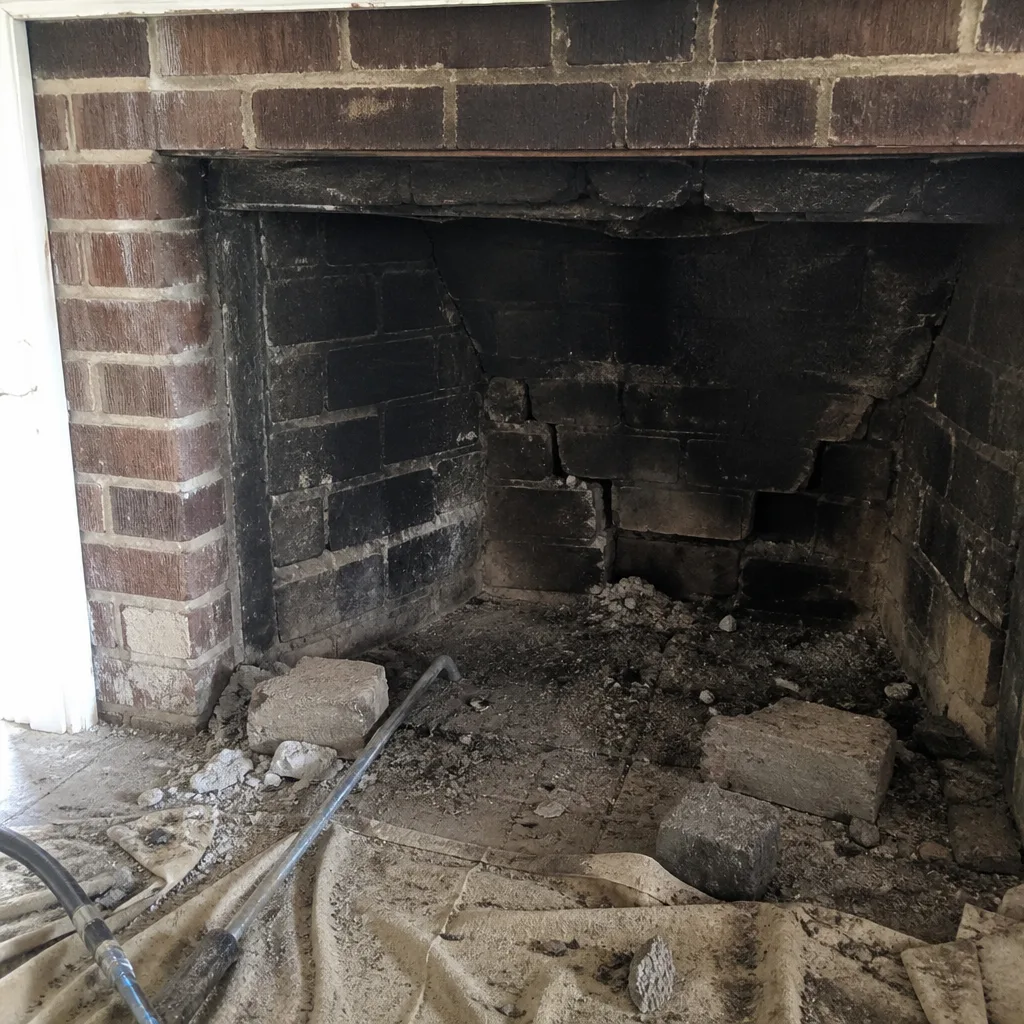 Before
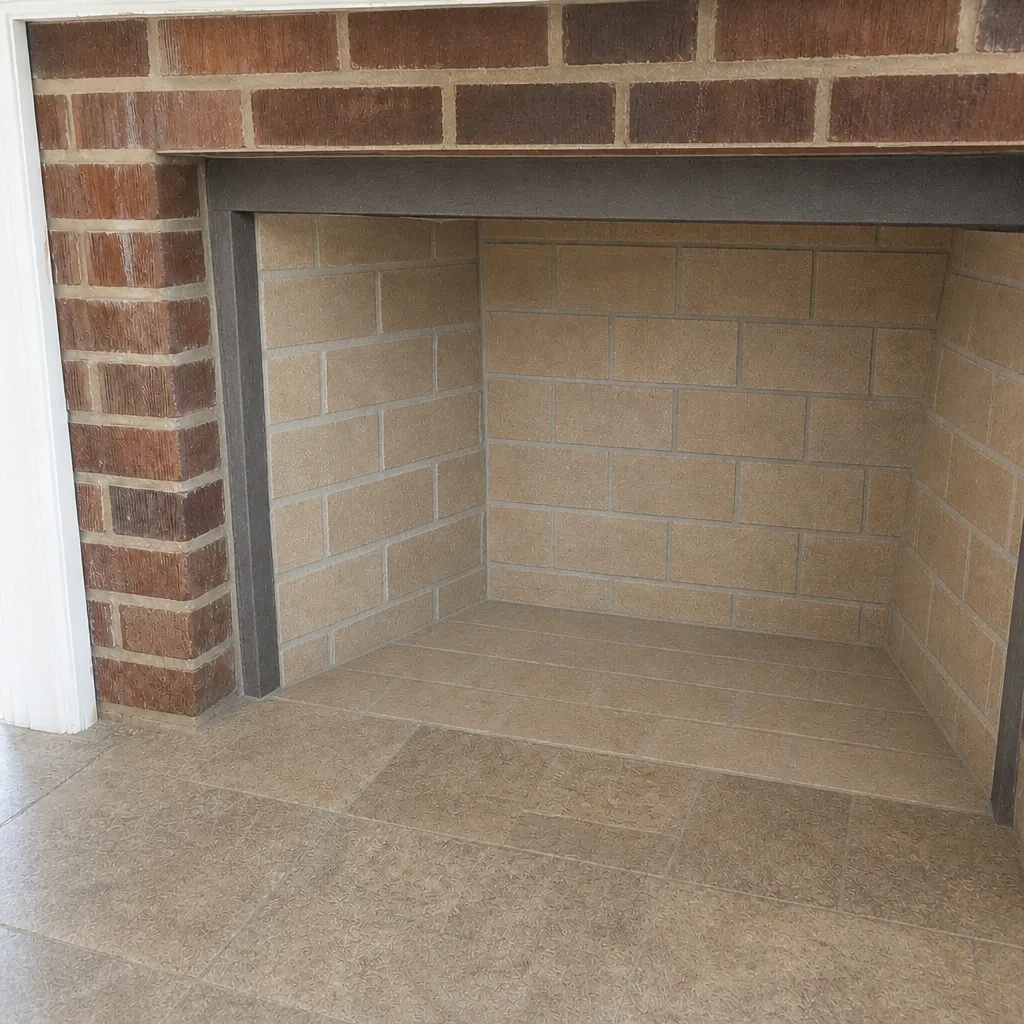 After
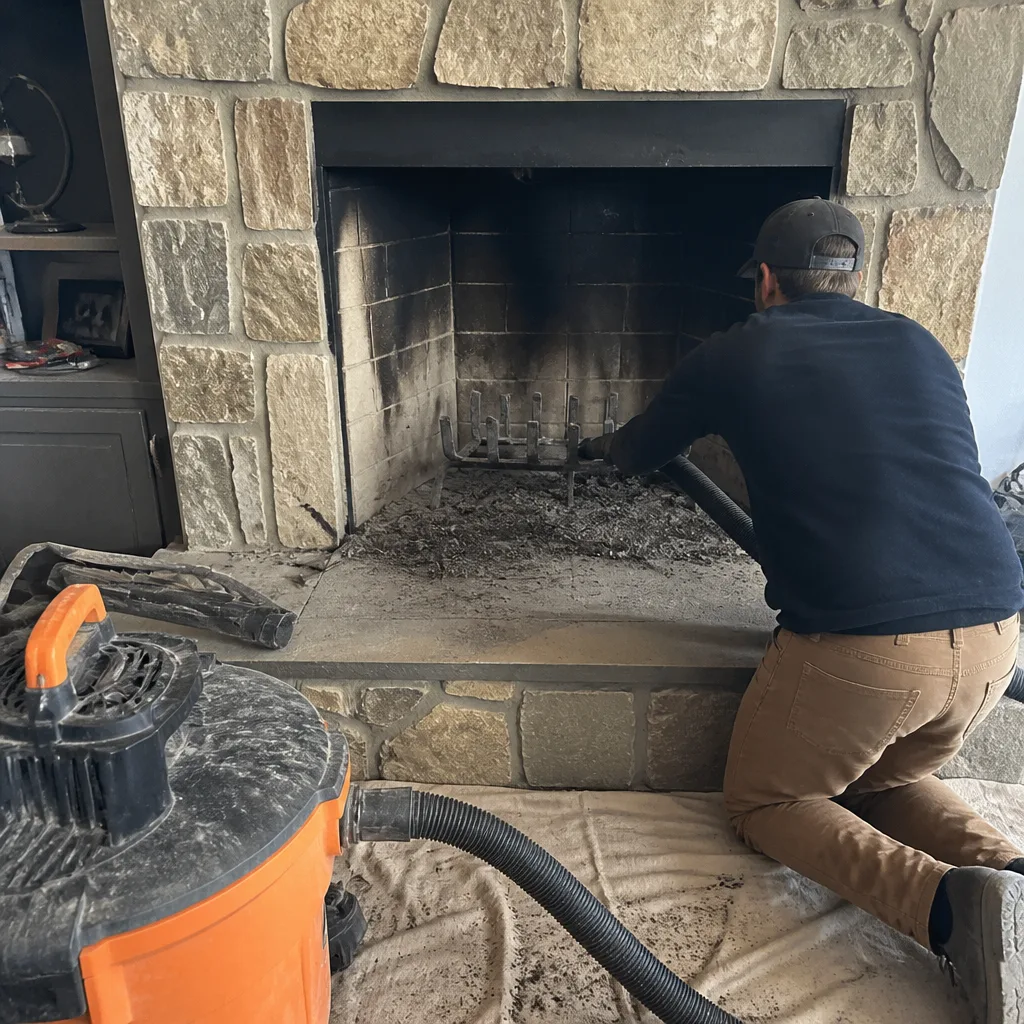 Before
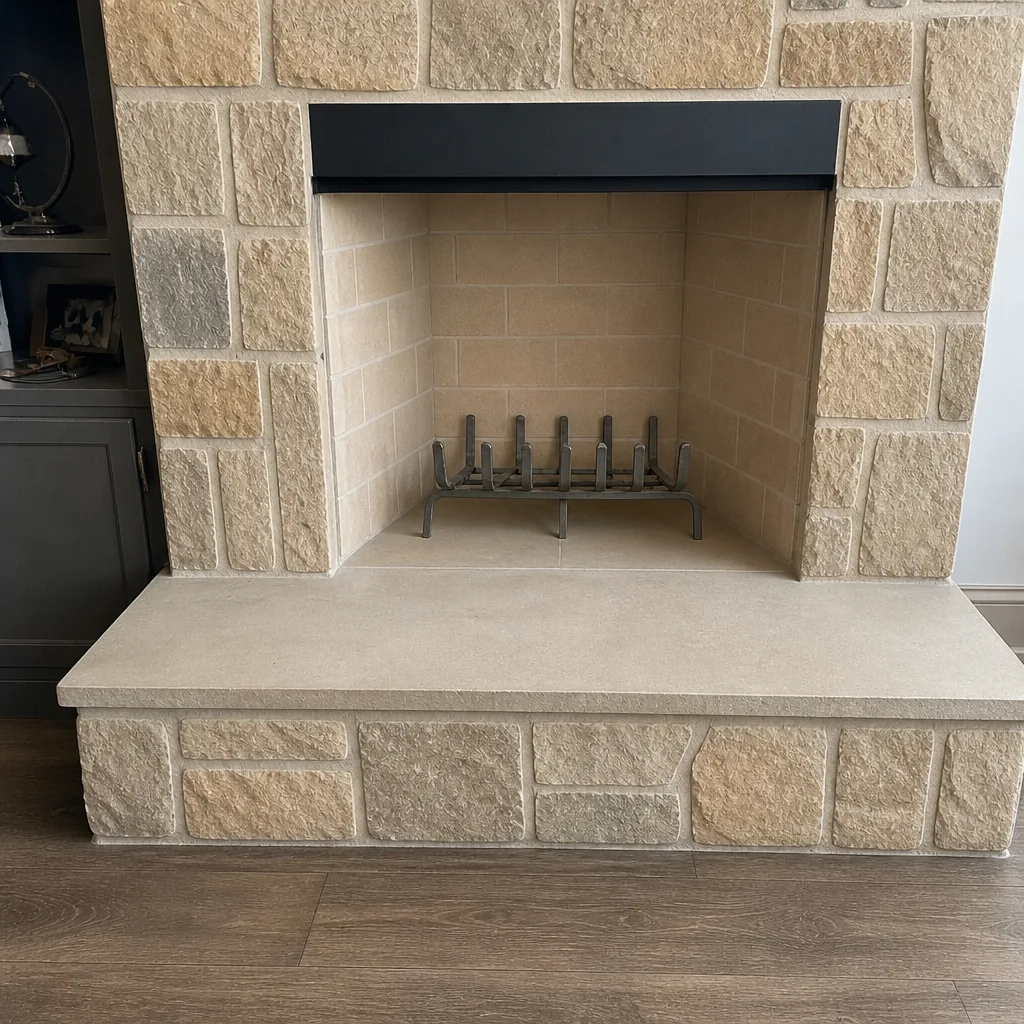 After
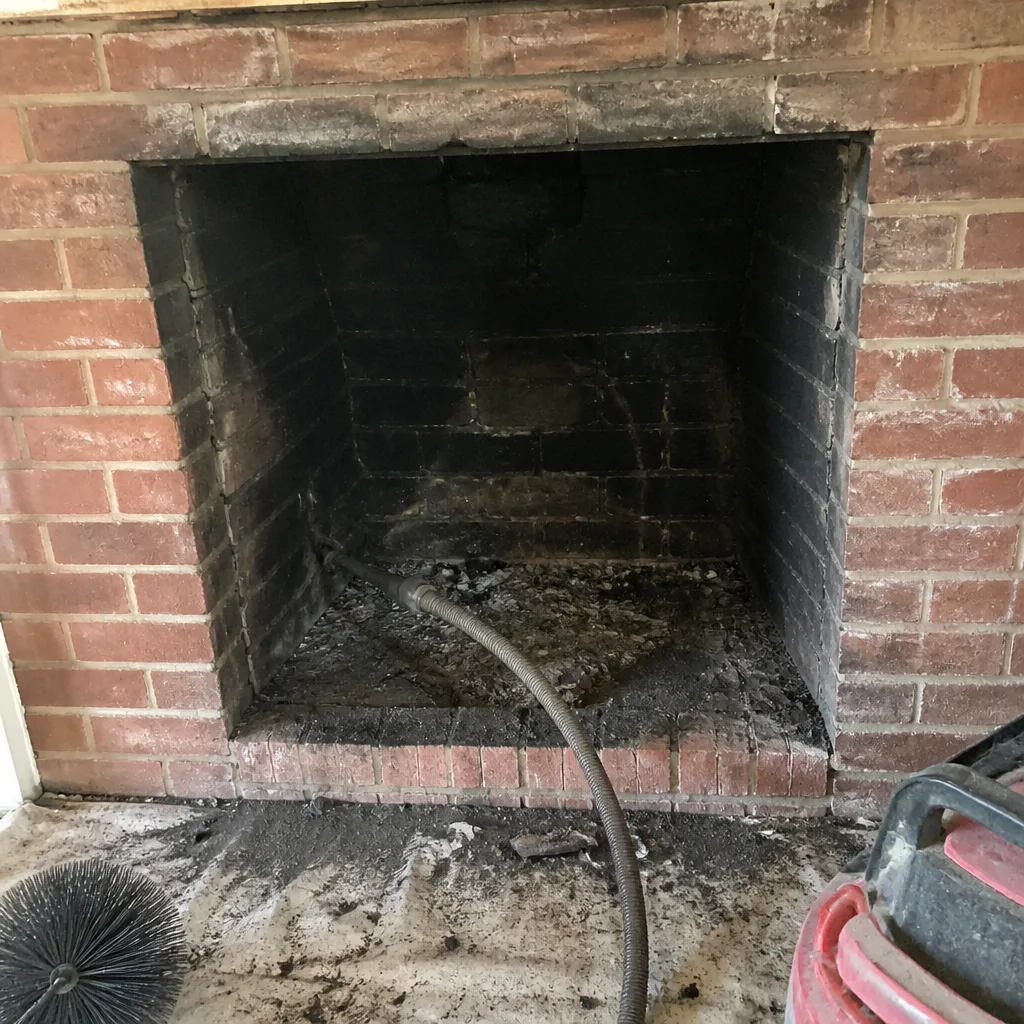 Before
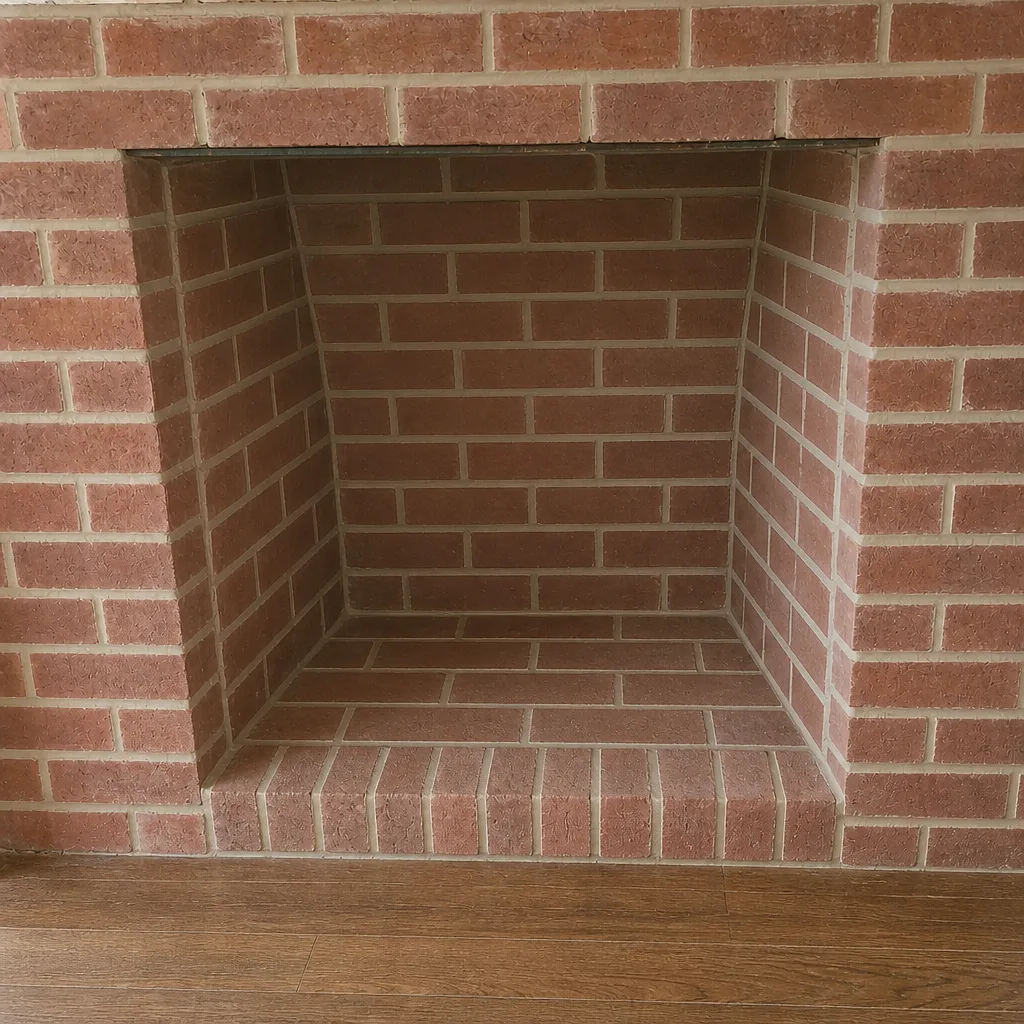 After
When to Call a Professional
Some chimney work is routine maintenance you can book on a schedule. Some situations call for a professional sooner. Get a trained technician involved if you’ve had a chimney fire, noticed a strong creosote smell, seen cracked or missing tiles, or moved into a home where the chimney’s history is unknown. Also call if your dryer suddenly takes much longer to dry, or if you notice soot staining around the firebox. These are signs the system needs a real look, not a guess.
We work with professional-grade materials and carry the parts to solve what the inspection finds, so a problem doesn’t turn into a second appointment with a second company. Chimney Sweep Clarksville offers free estimates in Clarksville. Call (866) 942-9931. We answer 24/7. Fast dispatch from 7am to 7pm, Sunday through Friday.
Frequently Asked Questions
Most chimney cleanings in Clarksville fall into a typical estimated range, with the exact price set by a written estimate after we see the flue. Cost depends on the level of buildup, whether a camera inspection is included, and whether any repair is needed. The written estimate sets the final price, and the estimate itself is free. Call (866) 942-9931 for an exact quote.
Wood-burning fireplaces should be swept and inspected once a year. Even a fireplace that sees light use builds creosote between seasons, and the annual visit is how you catch liner problems before they become hazards. Gas inserts and other appliances have their own schedules, but a yearly check is a reasonable baseline for most homes. Call (866) 942-9931 to book a visit.
Not necessarily. A cracked or deteriorated liner doesn’t always mean full replacement. HeatShield ceramic resurfacing can restore a worn flue without a full liner, and that’s an option worth discussing before assuming the bigger job. Sometimes the liner is fine and no work is needed at all. The only way to know is a camera scan, and we show you what we see. Call (866) 942-9931 for an exact quote.
Creosote keeps building, and the combustible layer thickens with it. That raises the risk of a chimney fire and can eventually restrict the flue. You also lose the early warning a yearly inspection provides, so small liner issues go unnoticed until they’re bigger. Skipping a season isn’t an emergency, but it’s a risk that grows quietly. Call (866) 942-9931 to get back on schedule.
It’s strongly recommended for any older home with a wood-burning fireplace. A Level 2 adds a camera scan of the flue, which a standard home inspection usually doesn’t include. It tells you the true condition of the liner before your first fire. Confirm any specific local requirements with your building department. Call (866) 942-9931 to schedule one.
Yes. Dryer vent cleaning is offered as a standalone visit or alongside a chimney sweep. Lint buildup in the duct is a real fire risk, and handling both in one appointment covers the exhaust pathways in the home. If you’re booking a chimney visit, ask to add the dryer duct. Call (866) 942-9931 for an exact quote.
The Bottom Line
Chimney cleaning in Clarksville is a system service, not a single task. The flue, liner, firebox, and cap each fail in their own way, and a complete job covers all of them: a rotary sweep for the creosote, a camera scan for the liner, and a repair plan for anything the scan reveals. Wood choice and humidity drive how fast creosote builds here, which makes the annual visit worth keeping. Buyers of older homes should get a Level 2 before the first fire. And don’t overlook the dryer duct, a second fire risk in the same house. The thread through all of it is evidence you can see, materials that can actually fix what’s found, and an honest answer when work can wait.
If it’s been a while since your chimney was looked at, or you’ve just moved into a Clarksville home and don’t know its history, call (866) 942-9931 for a free estimate. We answer 24/7. Fast dispatch from 7am to 7pm, Sunday through Friday. From the firebox to the dryer vent, we handle the whole job, and our technicians have up to 10 years of experience. Learn more about our Chimney Sweep Clarksville services, our chimney sweep, and our Charlotte coverage, and book the visit that tells you what your chimney actually needs.
Written by the team at Chimney Sweep Clarksville.