
Last updated November 15, 2026
 Sweep & inspection
 Caps & crowns
 Flue relining
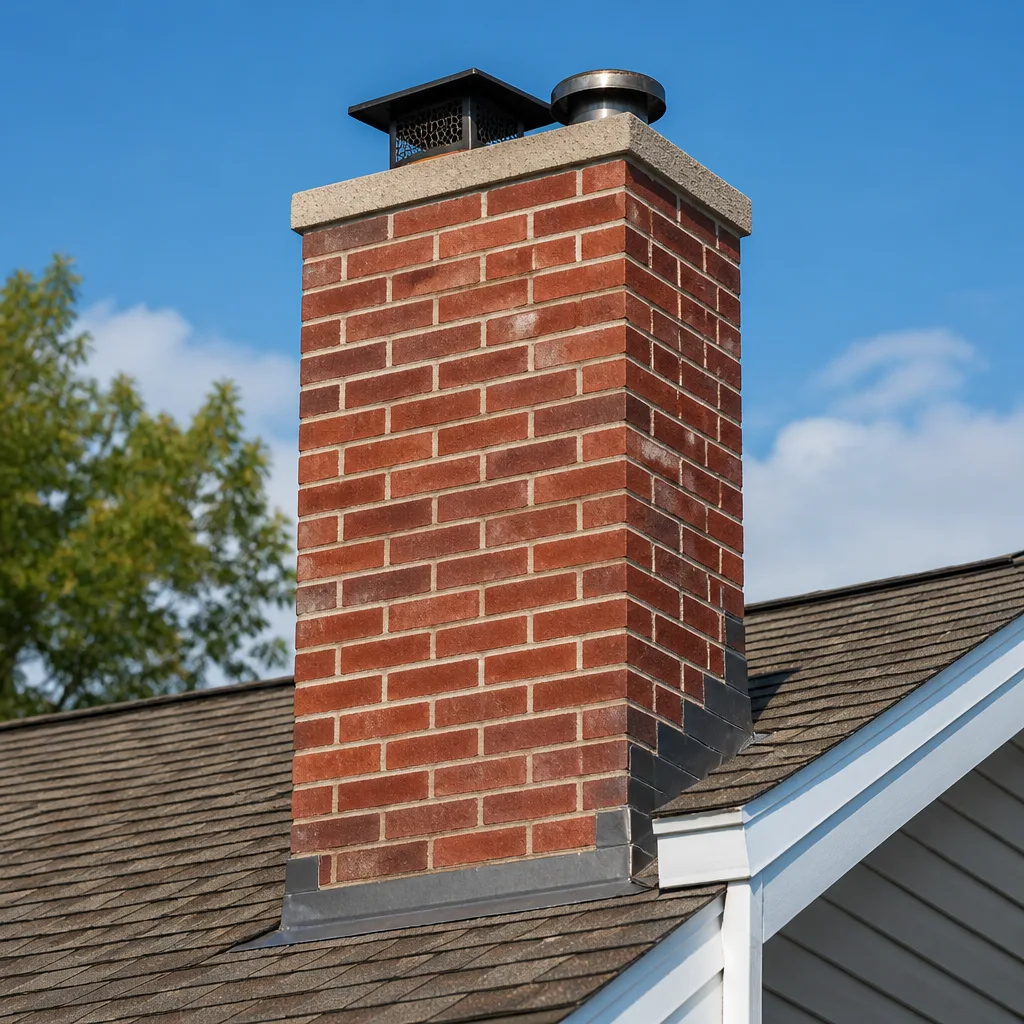 Masonry repair
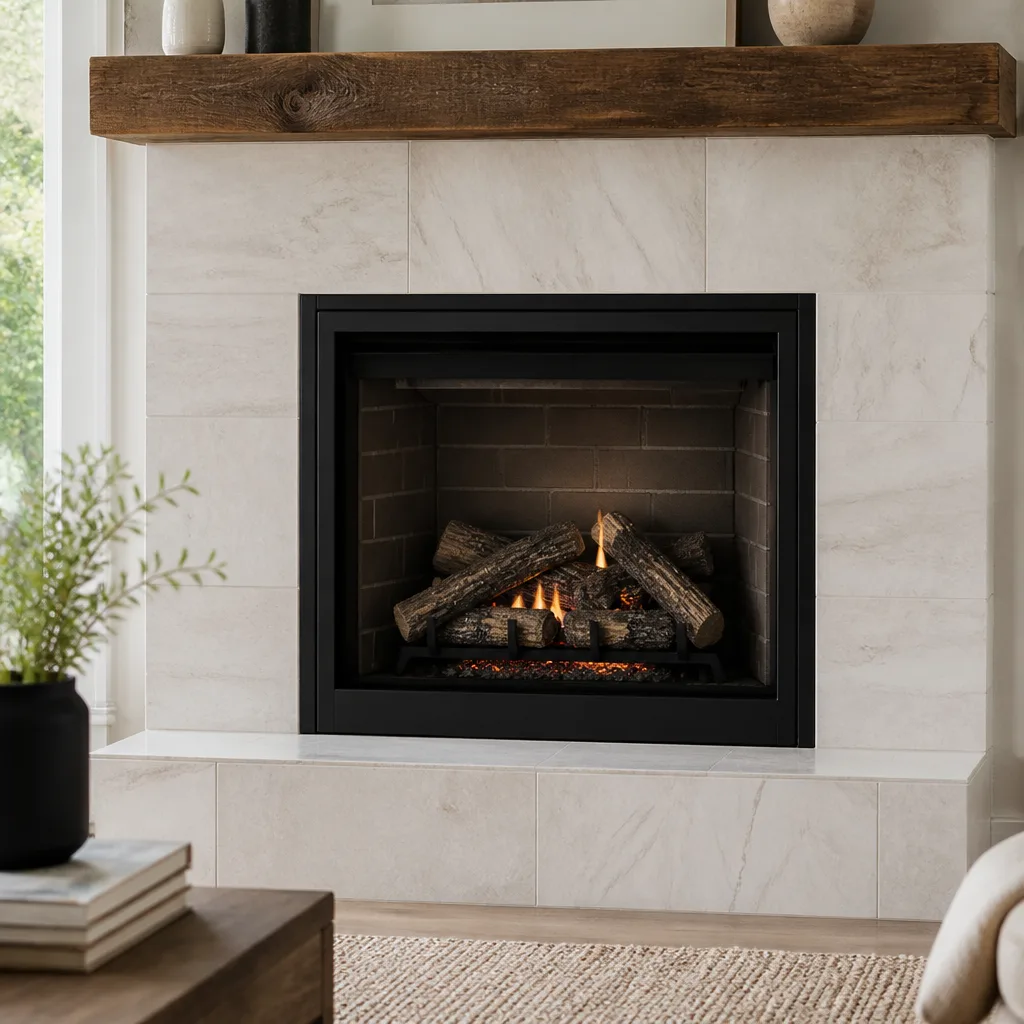 Gas fireplace service
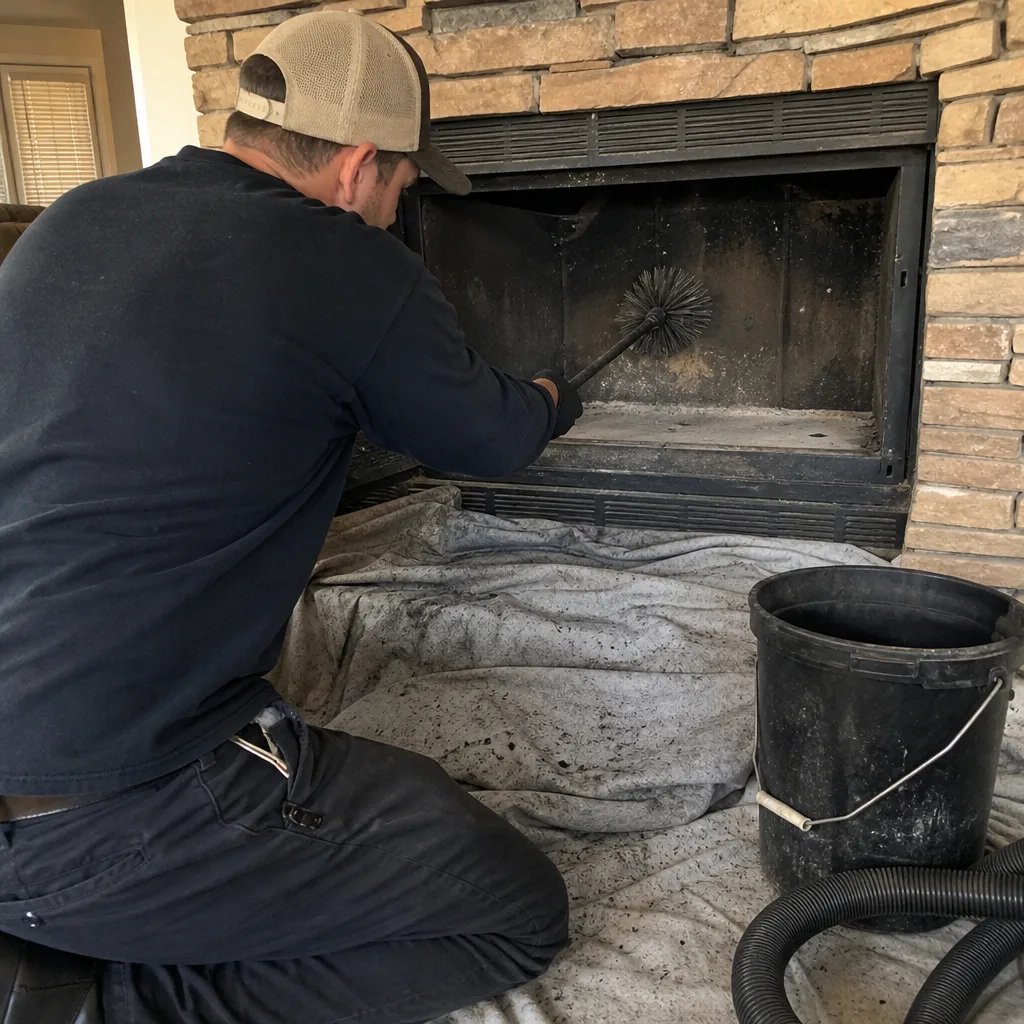
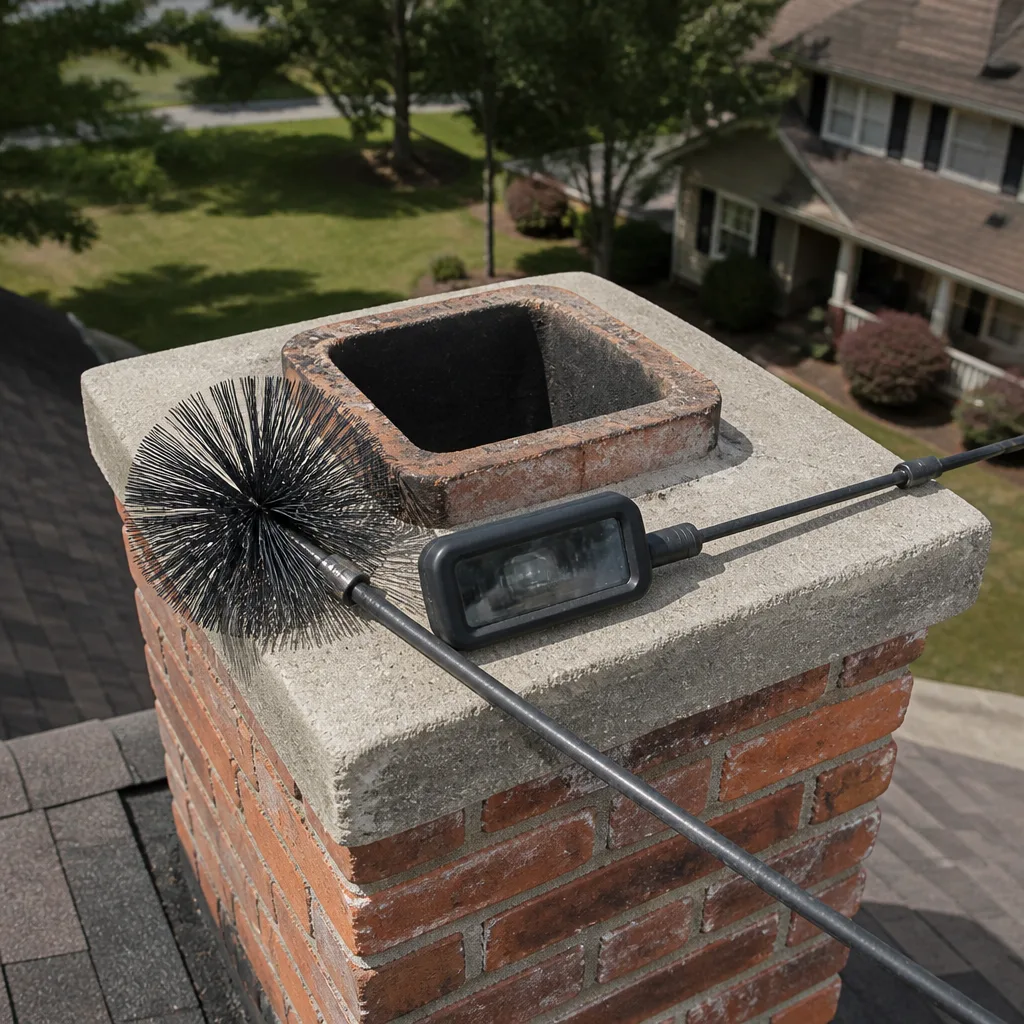
Level 1 sweep and inspection to the NFPA 211 annual standard - flue, crown, cap, and flashing checked and photographed
Chimney sweep logs do not sweep chimneys. They loosen some creosote - which then falls where a brush and vacuum still have to collect it.
Chimney Cleaning Permits, Codes & Inspections in Clarksville, TN: What You Need to Know
Here’s the part that surprises most homeowners: the cleaning itself is not a permitted activity. Sweeping a flue, pulling a nest out of a cap, running a camera down a chimney – none of that requires paperwork with the City of Clarksville. But the repair work that a sweep so often uncovers does. A cracked flue tile, a liner that needs replacing, a firebox that needs rebuilding: those touch the building code, and in Montgomery County that means permits, inspections, and a paper trail. When that paper trail is missing, the problem usually surfaces years later during a home sale or an insurance claim. This guide walks through the actual line between maintenance work and permitted work, where NFPA 211 fits in, and what to keep in a folder so a future buyer, inspector, or adjuster never has a reason to question your chimney.
Quick Answer
In Clarksville, routine chimney cleaning and inspection are maintenance and do not require a permit. Structural repair work – liner replacement, firebox rebuilding, chase modification, or anything that changes the flue system itself – generally does require a permit from the city’s building department, and the work should be inspected afterward. Level 2 inspections, which go beyond a visual check with a camera, are required by NFPA 211 standards after a chimney fire, after a change in fuel type, and are strongly recommended before a home sale. Keeping permit records and inspection reports is what protects you during an insurance claim or a real estate transaction.
Styles & brands we work with
- Sweep & inspection
- Caps & crowns
- Flue relining
- Masonry repair
- Gas fireplace service
Table of Contents
- Do You Need a Permit for Chimney Cleaning in Clarksville?
- What NFPA 211 Means for Your Clarksville Chimney
- Level 1, Level 2, and Level 3 Inspections Explained
- What the City of Clarksville Building Department Expects
- How Permit Records Protect You During an Insurance Claim
- Chimney Codes and the Home Sale Process
- How Clarksville’s Climate and Housing Stock Affect Chimney Systems
- What Records to Keep and For How Long
Do You Need a Permit for Chimney Cleaning in Clarksville?
No. Chimney cleaning is classified as maintenance, and maintenance is not a permitted activity in Tennessee residential codes. A sweep can come out, clean the flue, inspect the firebox, and hand you a report without ever pulling a permit. The same goes for minor cap work, a top-seal application, or replacing a damper that’s seized up. These are repairs to existing components, not changes to the system.
The line gets crossed when the work touches the flue structure itself. Here’s where permits generally come into play:
- Liner installation or replacement – dropping a flexible liner or resurfacing a deteriorated flue changes the flue system and requires a permit.
- Firebox rebuilding – re-laying firebrick or rebuilding the firebox floor is structural masonry work.
- Chase or chimney stack modification – heightening, shortening, or reconfiguring the exterior chase.
- Converting to a different fuel type – a wood fireplace converted to gas or pellet changes venting requirements.
- Adding a new appliance – a wood stove or insert tied into an existing chimney.
What doesn’t require a permit: sweeping, visual inspection (Level 1), camera inspection (Level 2), crown repair, cap replacement, flashing repair, and dryer vent cleaning. If you’re unsure, the safest move is a phone call to the city’s building department before work starts. In our experience, the homeowners who end up in trouble are the ones who didn’t ask, not the ones who did.
What NFPA 211 Means for Your Clarksville Chimney
NFPA 211 is the national standard for chimneys, fireplaces, vents, and solid fuel-burning appliances. Tennessee doesn’t publish its own chimney code – the state’s residential building code adopts NFPA 211 by reference, which means the standard applies to nearly every wood-burning chimney in Clarksville. It covers clearances to combustibles, flue sizing, liner material requirements, and inspection intervals. If a permit inspection is triggered on a chimney in Montgomery County, NFPA 211 is the document the inspector is measuring against.
Three parts of NFPA 211 come up most often in Clarksville homes:
- Clearance to combustibles. Single-wall metal chimney sections need specific clearance from wood framing. Older homes in the Historic District and around downtown Clarksville often have attic or chase penetrations that fall short.
- Flue liner integrity. The standard requires a continuous liner from the appliance to the top of the chimney. Cracked clay tiles with gaps between them technically fail this requirement, even if the chimney still drafts.
- Inspection after events. NFPA 211 calls for a Level 2 inspection after a chimney fire, after a change in fuel type, and after any event that could damage the flue.
We’ve seen plenty of Clarksville chimneys that have been quietly out of compliance for years – not because anyone did anything wrong, but because standards have tightened and nobody’s checked since. That’s one reason we’re equipped for HeatShield ceramic resurfacing and DuraFlex flexible liner installation. When an inspection turns up a deficiency, we can address it in the same visit instead of handing you a list and a second contractor’s phone number. Professional-grade materials, not off-the-shelf fixes.
Level 1, Level 2, and Level 3 Inspections Explained
NFPA 211 defines three inspection levels, and knowing which one you need saves both time and money. Most Clarksville homeowners need a Level 1 as part of their annual sweep. Level 2 comes into play at specific trigger points, and Level 3 is rare and usually part of a repair scope.
Level 1 Inspection
A standard visual check of the accessible portions of the chimney – firebox, damper, flue from the top and bottom, and the exterior where visible. This is the inspection that comes with a routine sweep. It’s appropriate when the appliance and fuel type haven’t changed and there’s no known problem.
Level 2 Inspection
Level 2 adds a video camera scan of the flue interior plus a closer look at attic and crawlspace penetrations. NFPA 211 requires a Level 2 in four situations, and Clarksville homeowners hit all four regularly:
- After a chimney fire – even a small one can crack tiles or warp a liner.
- After a change in fuel type – converting from wood to gas, or adding a pellet insert.
- During a home sale or transfer of ownership – a buyer’s lender or inspector will often request one.
- After an event that could damage the chimney – a lightning strike, an earthquake, or a significant structural repair to the house.
Level 2 is also the right choice if you’ve moved into an older Clarksville home and don’t know the chimney’s history. A camera scan shows exactly what’s inside, and we hand over the photo record so you have it for your files.
Level 3 Inspection
Rare. Level 3 involves opening up walls, ceilings, or the chimney chase to access concealed areas, and it’s only warranted when a Level 1 or Level 2 has already identified a serious problem that can’t be diagnosed any other way. If a technician recommends a Level 3, ask why – the answer should be a specific defect, not a general concern.
What the City of Clarksville Building Department Expects
The City of Clarksville’s building department reviews and inspects permitted work under the Tennessee Residential and Commercial Building Codes. For a chimney liner installation or replacement, the process usually follows a predictable sequence. This is general guidance – always confirm the current requirements with the department directly, since fees and forms change.
- Contractor pulls the permit. The licensed contractor doing the work is the one who pulls it, not the homeowner. Ask for the permit number before work starts.
- Scope is documented. The permit application describes the liner material, the appliance being connected, and the venting configuration. For a HeatShield resurfacing or a DuraFlex liner, the manufacturer’s installation instructions accompany the submittal.
- Rough-in inspection. An inspector checks the installation before the flue is finalized, particularly at penetrations and connections.
- Final inspection. Once the work is complete, the inspector signs off and the permit is closed.
What the department doesn’t do: review inspections, sweep records, or enforcement of annual maintenance. Those are between you and the standards, which is one reason knowing the codes matters. If your permit application is being prepared and you want the technical documentation squared away first, a Chimney Sweep Clarksville inspection today gives you a camera record and a written summary of what the permit scope needs to cover. That same documentation is what an inspector expects to see at the final.
One thing to watch: if a previous homeowner did liner work without a permit, that latent defect may surface when the department pulls records during a new permit review. Sometimes the city inspector asks to see the old work brought into compliance before signing off on the new. Better to know before you start.
How Permit Records Protect You During an Insurance Claim
Here’s the uncomfortable reality. If a chimney fire or carbon monoxide event happens and your insurer investigates, one of the first things they look at is whether the chimney system was properly installed and maintained. A liner replacement with no permit and no inspection record is a blank spot in your file – and a blank spot invites questions.
Permit records do three things for you:
- They prove code compliance at the time of installation. The inspector’s signature on the final is documentation that the work met the standard in effect when it was done.
- They shift focus to maintenance. Insurers understand that chimneys age. What they need to see is whether the homeowner kept up with annual sweeps and addressed defects when they were found. A clean record of inspections does more for a claim than a clean chimney alone.
- They support a replacement-cost conversation. If you do have a loss, the adjuster values the work based on what was actually installed. An unpermitted liner that may or may not meet code is a harder conversation than one that has a paper trail.
We’re not telling you this to sell permits. We’re telling you because in our experience, the homeowners who call us after a claim are the ones who wish they’d asked before, not after. Ask for the permit number. Get the inspection report. Keep both. And if your chimney hasn’t had a camera inspection in years, a chimney sweep with photo documentation is the cheapest insurance you’ll ever buy.
Chimney Codes and the Home Sale Process
Selling a home in Clarksville with a wood-burning fireplace means the chimney becomes part of the transaction. Most real estate contracts include a structural and mechanical inspection, and a chimney contractor is often brought in as part of that. The buyer’s inspector will look for obvious defects; a chimney professional looks at what the inspector can’t see – the flue interior, the liner integrity, the clearances inside the chase.
Here’s the sequence that tends to happen when a chimney problem surfaces during a sale:
- Buyer’s inspector flags the chimney. Common language: “Chimney shows evidence of deterioration. Recommend evaluation by a licensed chimney professional.”
- Buyer requests a Level 2 inspection. This is the standard ask, and NFPA 211 supports it.
- The inspection turns up a defect. Cracked tiles, a gap in the liner, or a crawlspace clearance issue are the usual suspects.
- Buyer requests a repair credit or the seller performs the work. If the work requires a permit, the closing timeline may shift to accommodate inspection.
Unpermitted prior work complicates every step. If the buyer’s inspector finds a liner installation that doesn’t have a permit or a final inspection record, the conversation moves from “repair cost” to “unknown risk,” and that tends to be more expensive than the repair itself. If you’re selling a Clarksville home and you’ve done chimney work in the past, pull the permit records now. If you can’t find them, a Level 2 inspection with a photo report puts you on the front foot.
How Clarksville’s Climate and Housing Stock Affect Chimney Systems
Clarksville’s climate is a real factor in how chimney systems age here. Not in the dramatic sense – no salt air, no hurricane-driven rain – but in the slow, cumulative ways that matter over the life of a chimney.
Summers here are humid. That humidity works on masonry in a specific way: it gets into hairline mortar joints, and then fall’s first cold snap freezes any moisture still in the wall. A chimney that looked fine in July can show spalling brick in January. Clay flue tiles – which most older Clarksville homes have – absorb moisture too, and freeze-thaw cycles accelerate cracking. That’s part of why a camera scan before burning season matters more than a visual check from the roof.
The housing stock adds its own wrinkles. Clarksville has a large number of homes built from the 1950s through the 1980s, many with original clay-tile chimneys and single-wall liners. The older construction methods were sound for their time, but standards have tightened. A typical pre-1980 chimney in Clarksville often has:
- Clay flue tiles with mortar gaps at the joints – each gap is a place where creosote can collect and heat can reach the structure.
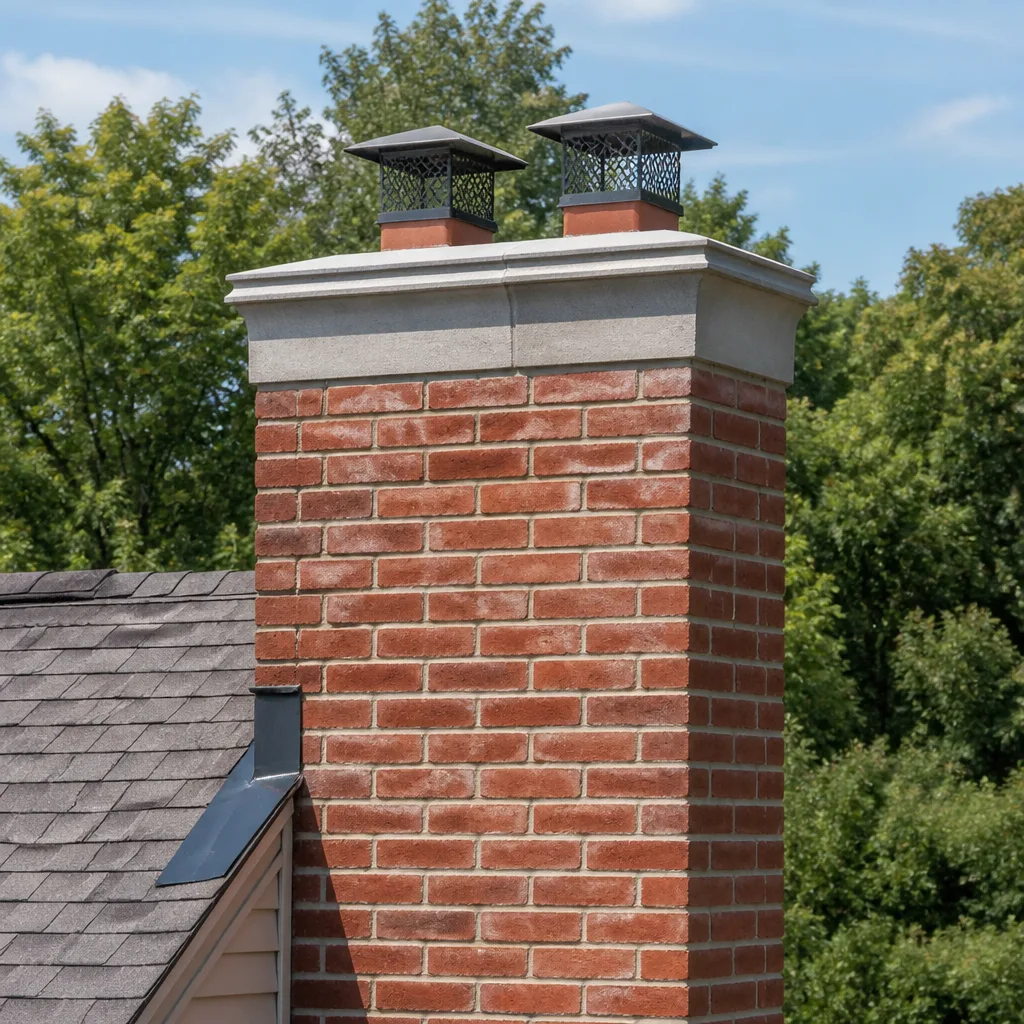
- Thin or missing cap screens, letting birds and squirrels into the flue.
- A crown that has cracked from freeze-thaw cycling, letting water into the masonry below.
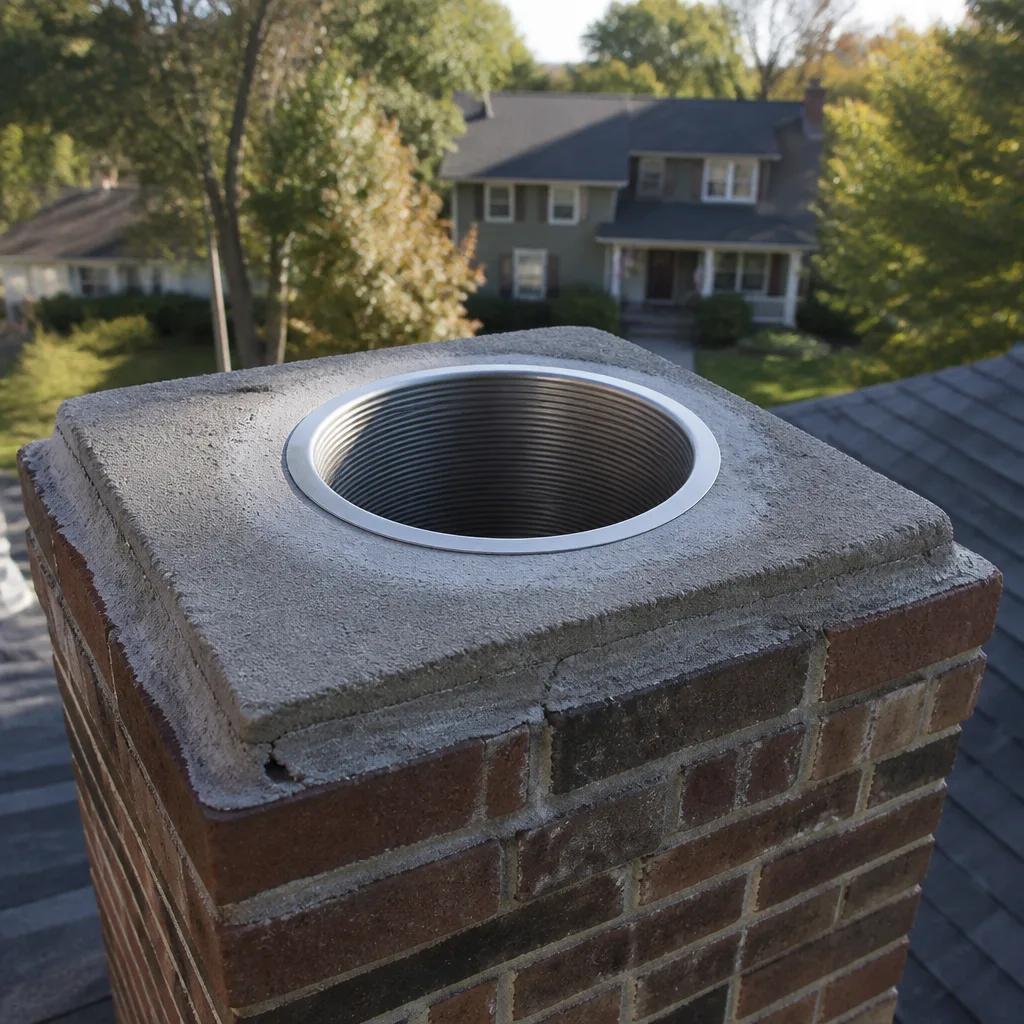
When we find deteriorating tiles, we don’t always recommend a full liner replacement. HeatShield ceramic resurfacing can restore a clay flue from the inside without a full tear-out, which is a cost-conscious repair path for homeowners whose flues are cracked but structurally intact. When the tiles are too far gone, a DuraFlex flexible liner handles the job. Fire safety from the firebox to the dryer vent is what we’re actually doing here, and the repair choice should be driven by what the camera shows.
What Records to Keep and For How Long
Documents are only useful if you can find them. Here’s the folder we’d suggest every Clarksville homeowner with a wood-burning appliance keep – physical or digital, but consistently organized.
- Sweep and inspection reports. Keep every one, year over year. The pattern of clean reports is itself evidence of maintenance.
- Camera inspection photos and video. The file from each Level 2 inspection, with the date in the name.
- Permit numbers and final inspection signatures. For any liner installation, firebox rebuild, or chase modification.
- Manufacturer documentation. The warranty and installation instructions for any liner or appliance installed in the home. This matters if you ever make a warranty claim.
- Insurance correspondence. Any claim or disclosure related to the chimney.
- Dryer vent cleaning record. The date of the last cleaning, since a clogged dryer vent is one of the leading causes of residential house fires and needs documenting the same way.
Keep all of it for the life of the appliance or the time you own the home. If you’re planning to sell, keep it available for the buyer’s inspection. A clean paper trail is worth more during a real estate transaction than almost anything else in the file.
Common Mistakes to Avoid
- Assuming the sweep handles the permit. Confirm the permit exists before work starts. In our experience, the homeowner ends up carrying the record-keeping burden in a sale or claim, so it’s worth asking the direct question.
- Using a sweep-only contractor for liner work. A sweep who does liner work without pulling a permit, or without the manufacturer’s installation documentation, leaves you with a blank spot in your file. Ask what materials are being used and whether a permit will be pulled.
- Skipping the Level 2 before a home sale. Buyers’ inspectors walk the roof, not the flue. A Level 2 camera inspection is what a buyer’s chimney professional will run anyway, and running it first avoids mid-contract surprises.
- Letting a “small” chimney fire go uninspected. Many chimney fires are slow and quiet, burning at low temperature for a long time. NFPA 211 requires a Level 2 after a fire regardless of how it looked.
- Burning unseasoned wood through a cold Clarksville winter. Green wood builds creosote fast. Seasoned hardwood, split and dried, is what keeps the flue cleaner between sweeps.
- Forgetting the dryer vent. If the dryer vent is on the same exterior wall as the chimney and hasn’t been cleaned in years, it deserves the same attention. We handle both.
- Storing documents on the phone only. When you’re at the closing table or talking to an adjuster, paper files are faster. Keep a physical folder with the inspection reports and permit numbers.
See the difference
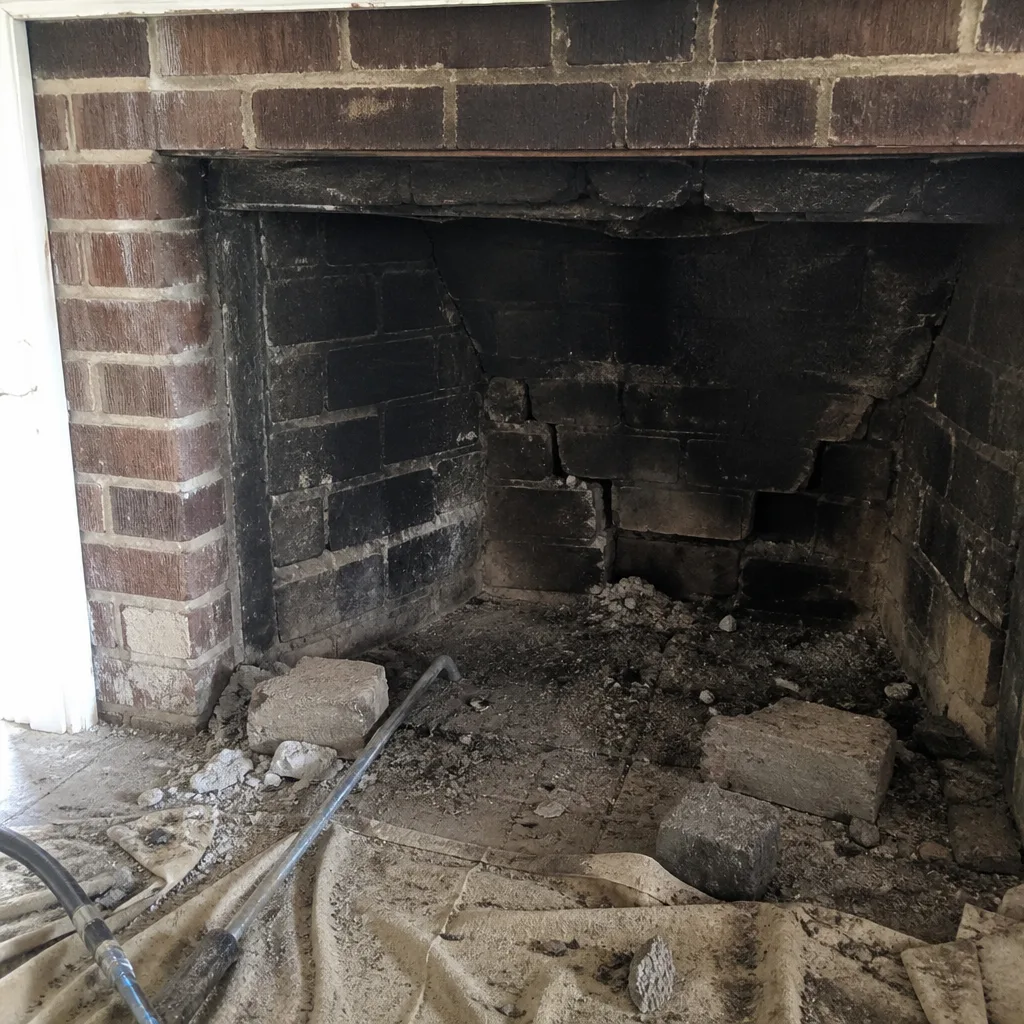 Before
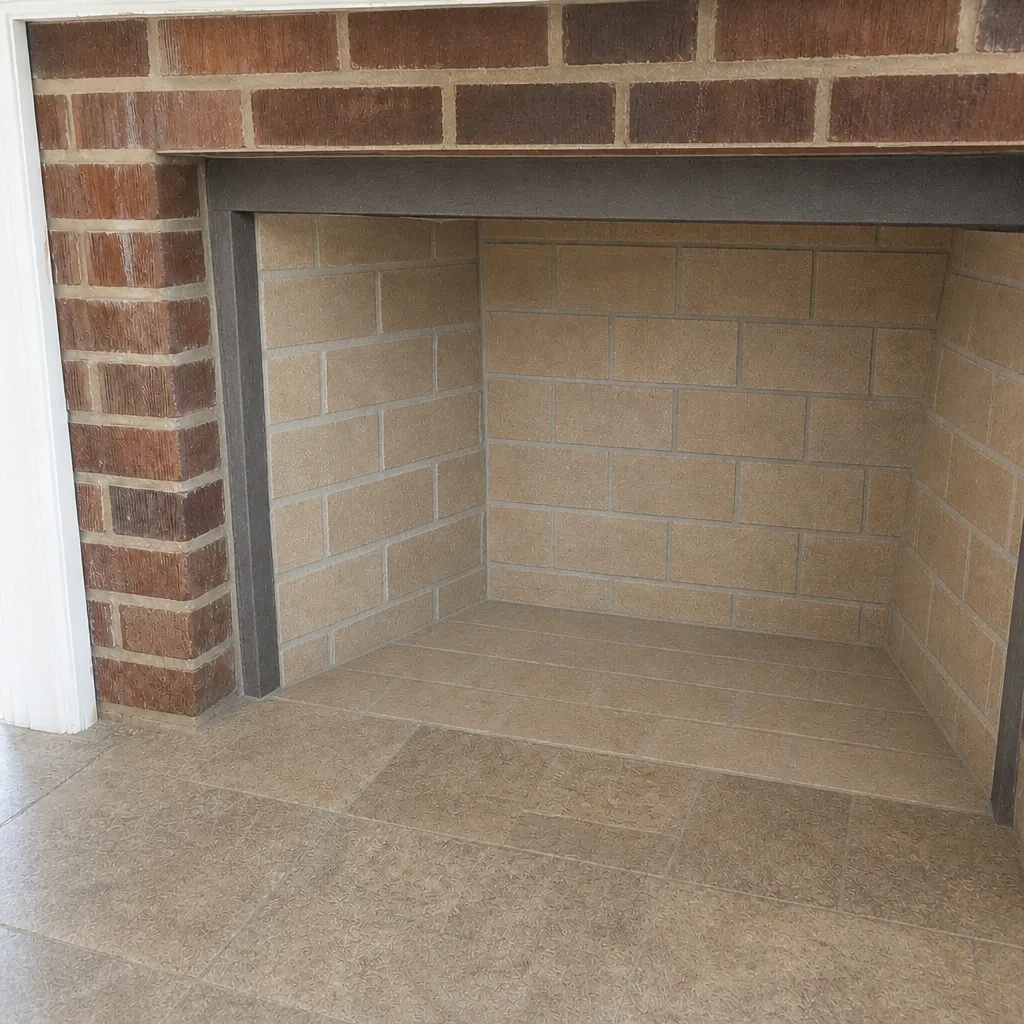 After
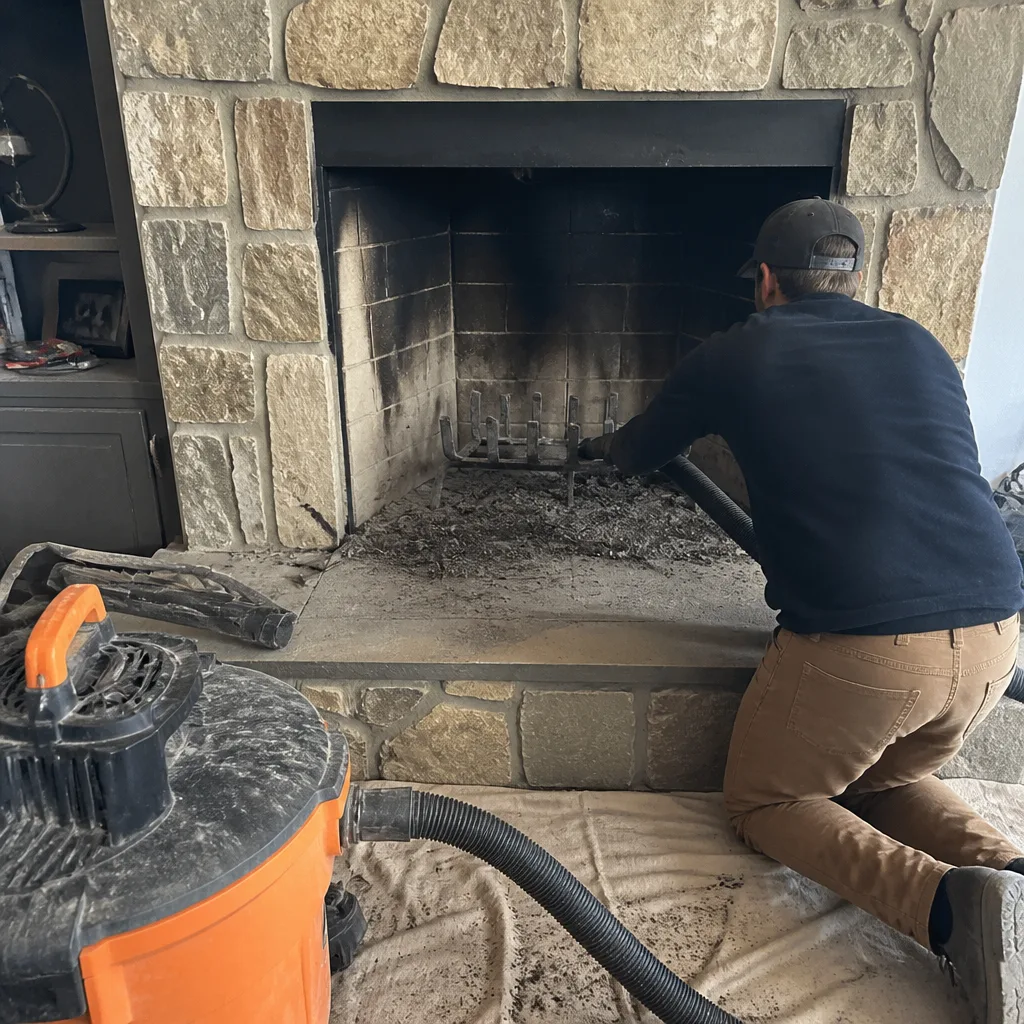 Before
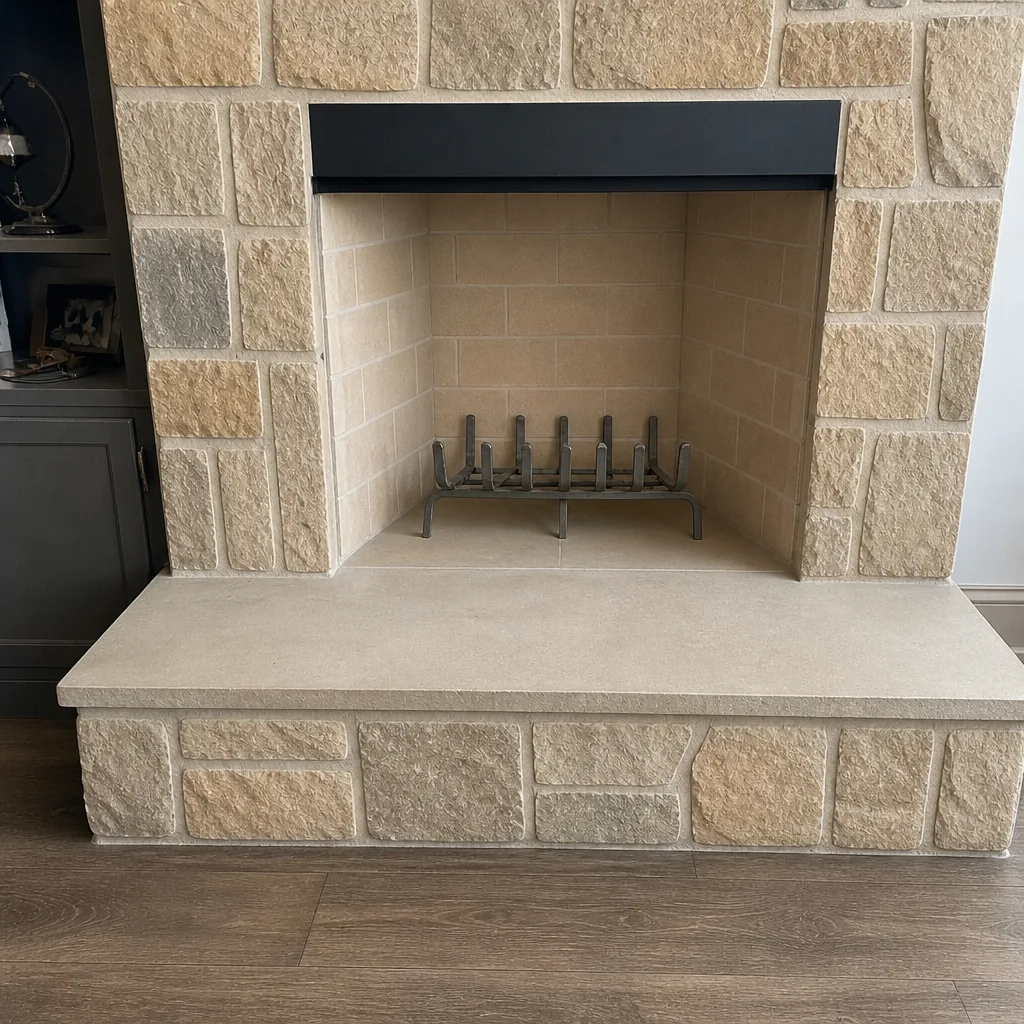 After
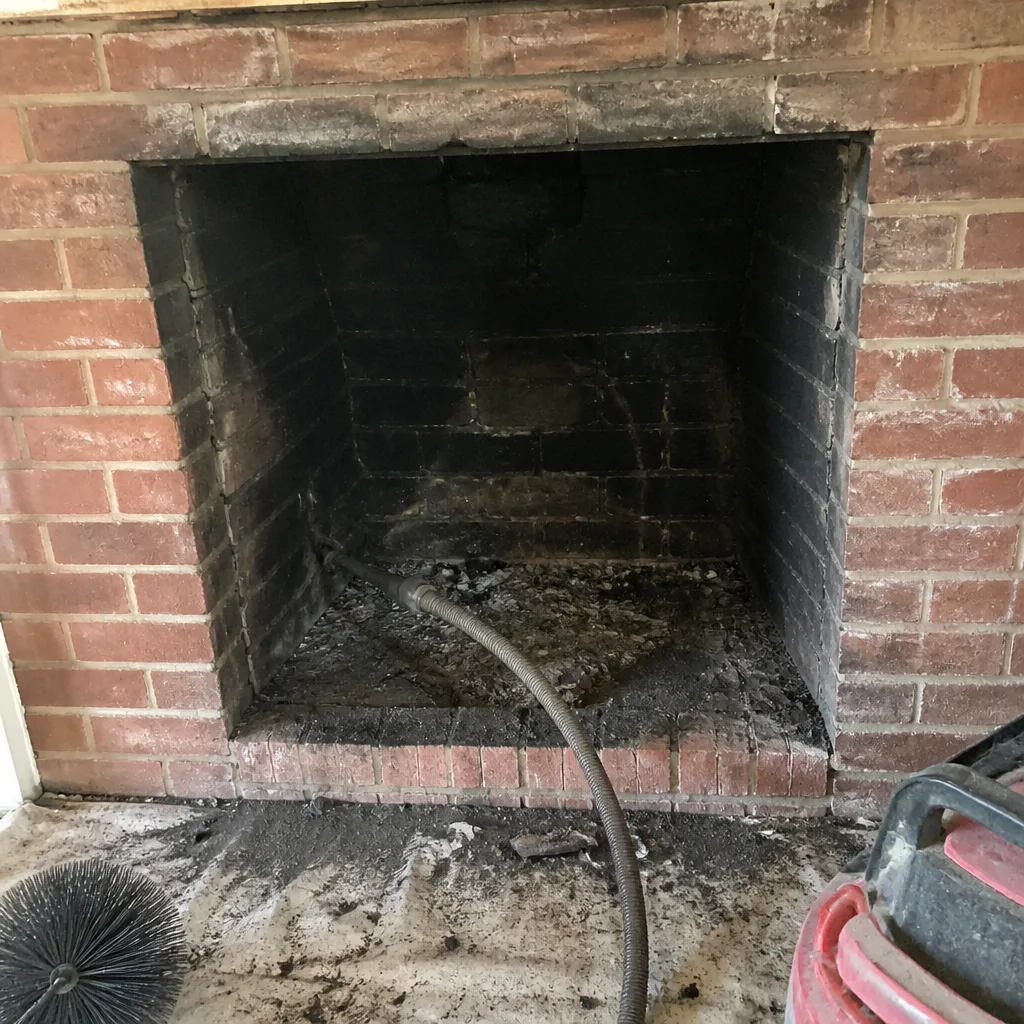 Before
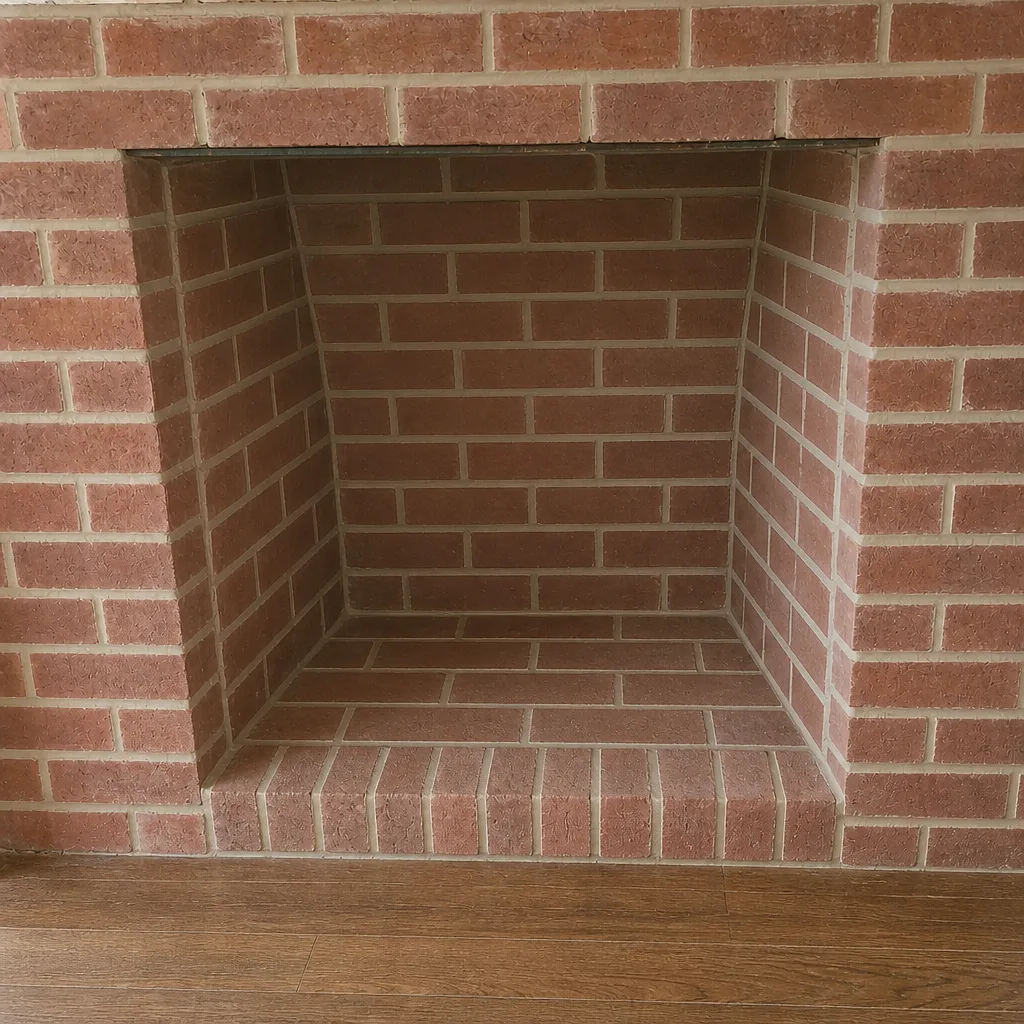 After
When to Call a Professional
Any of these situations warrants a call rather than a wait: you’ve never had the chimney inspected and you don’t know its history; the seller disclosed a chimney fire on a home you’re buying; your smoke draws poorly or you smell creosote in the house; your liner was installed by a prior owner without a permit record; your flue has visible damage from the top; or it’s been more than a year since your last dryer vent cleaning and the same goes for the chimney. Level 2 camera work is what tells you whether the flue is safe, and the report you receive is what you take to the building department, your insurer, and your real estate agent. Chimney Sweep Clarksville offers free estimates in Clarksville – call (866) 942-9931. We answer 24/7. Fast dispatch from 7am to 7pm, Sunday through Friday.
If you’re in one of the surrounding communities – whether that’s just over in Charlotte or somewhere else in Montgomery County – the same codes and NFPA standards apply, and the estimate is still free.
Frequently Asked Questions
No. Routine chimney cleaning and inspection are maintenance work and don’t require a permit from the City of Clarksville. Permits come into play when work changes the flue system itself – liner replacement, firebox rebuilding, chase modification, or adding a new appliance. If you’re unsure whether your project needs one, ask the building department directly before work starts; the call takes less than five minutes and saves a lot of headache later. Call (866) 942-9931 for an exact quote – estimates are free.
The general standard is once a year for a wood-burning chimney, or more often if you burn daily through the heating season or burn unseasoned wood. Gas insert flues need inspection annually too, even though there’s no creosote. The sweep also serves as the annual safety check that catches small problems before they turn into liner replacement. Call (866) 942-9931 for an exact quote – estimates are free.
Not always a new liner. Cracked or deteriorated clay flue tiles can often be resurfaced with HeatShield ceramic material, which restores the flue from the inside without a full tear-out. When the tiles are too far gone or the flue has no liner at all, a DuraFlex flexible liner is the right answer. The decision should be driven by what a camera inspection shows, not by a visual glance from the roof. Call (866) 942-9931 for an exact quote – estimates are free.
The main risk is undetected liner deterioration. Creosote builds up over the years, and a cracked flue tile is the pathway for heat to reach the wood framing next to the chimney. Most chimney fires that cause structural damage don’t start because of an obvious defect you could see – they start in the gap between the liner and the structure. Annual inspection is what catches those. Call (866) 942-9931 for an exact quote – estimates are free.
It can. During a transaction, buyers’ inspectors look at permit history, and a liner replacement without one raises a question the buyer’s agent will want resolved. Sometimes the seller can resolve it with a retroactive inspection or by producing the manufacturer’s documentation from the installer. Sometimes the closing schedule has to shift to allow for correction. If you’re selling a Clarksville home and don’t know the status of your chimney work, get an inspection and a document review before listing. Call (866) 942-9931 for an exact quote – estimates are free.
In a specific way, yes. Humid summers followed by freezing winters accelerate freeze-thaw damage to masonry and clay flue tiles. A chimney that looks fine in June can show spalling brick or cracked tiles by February. That’s one reason we recommend a camera inspection in the fall – before the first burn of the season – rather than waiting for a problem to announce itself. Call (866) 942-9931 for an exact quote – estimates are free.
The Bottom Line
Cleaning isn’t the permitting issue. Repair is. In Clarksville, routine sweep work and visual inspection require no paperwork, but liner replacement, firebox rebuilding, and anything else that changes the flue system generally requires a permit from the city’s building department and an inspection sign-off. NFPA 211 governs the standard the inspection is measuring against, and it also tells you when a Level 2 camera inspection is required rather than optional. The homeowners who come through a claim or a sale with the fewest surprises are the ones who keep the paperwork. So does the one who knows which repairs are worth doing now and which can safely wait.
If you’re about to book a sweep, list a house, or make a claim, don’t wait for a problem to surface on its own. Call (866) 942-9931 for a free estimate. We answer 24/7. Fast dispatch from 7am to 7pm, Sunday through Friday. Chimney Sweep Clarksville handles sweep, repair, and dryer vent work in one relationship – chimney sweep, liner repair, dryer vent, one call covers it.
Written by the team at Chimney Sweep Clarksville.