
Last updated November 15, 2026
 Sweep & inspection
 Caps & crowns
 Flue relining
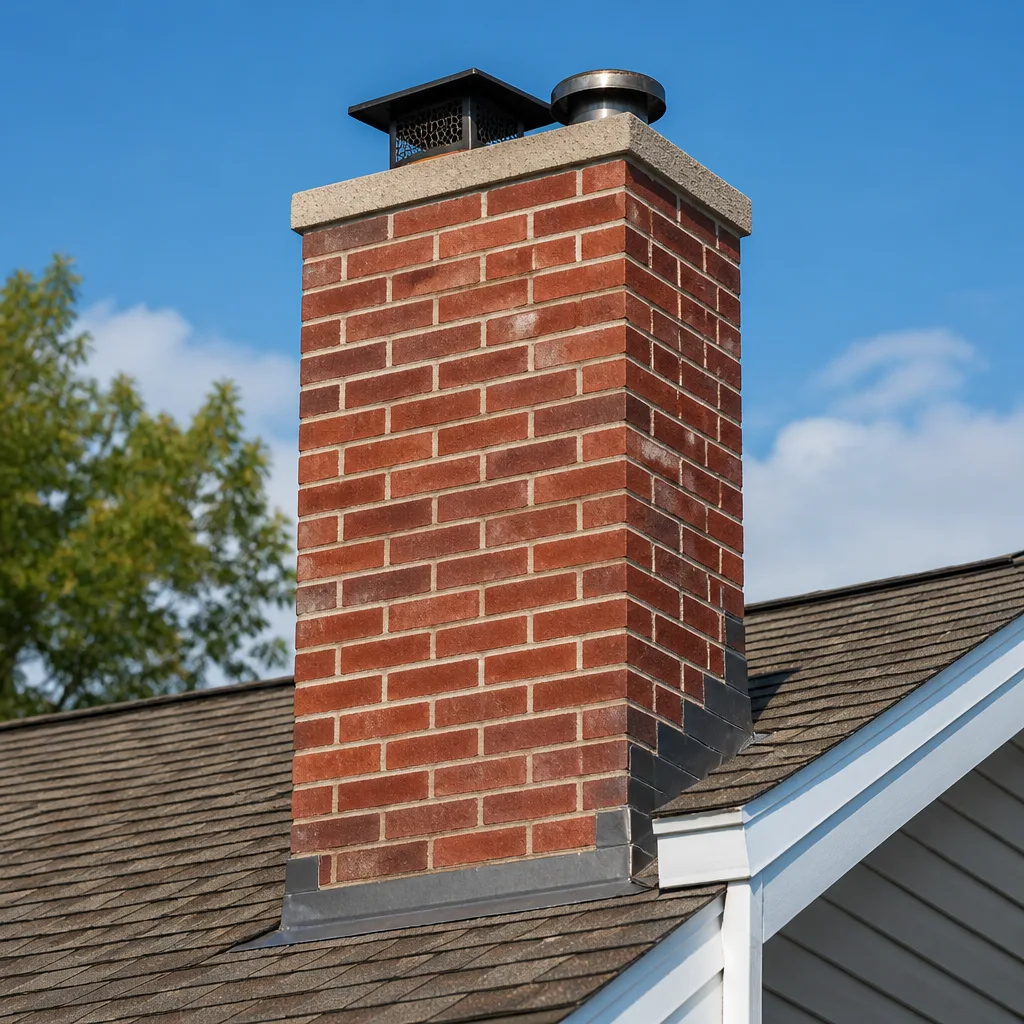 Masonry repair
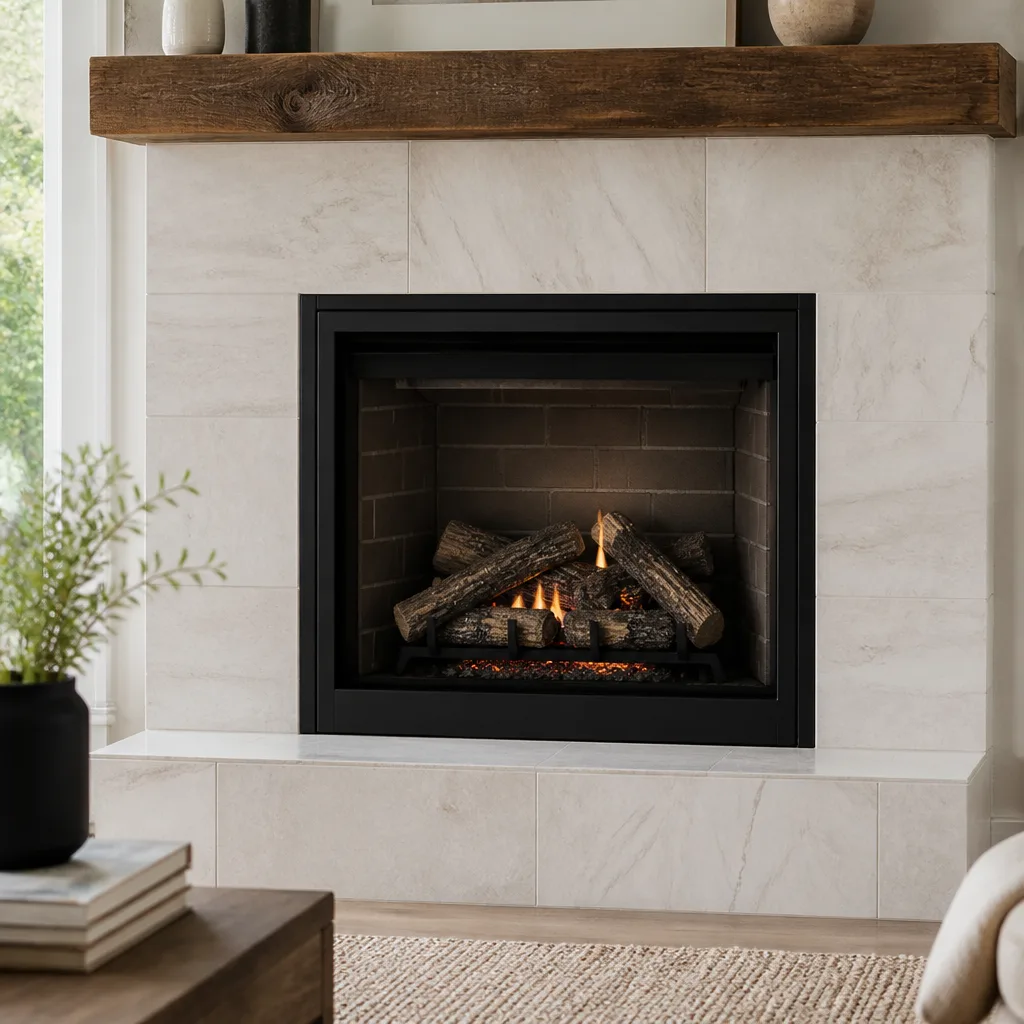 Gas fireplace service
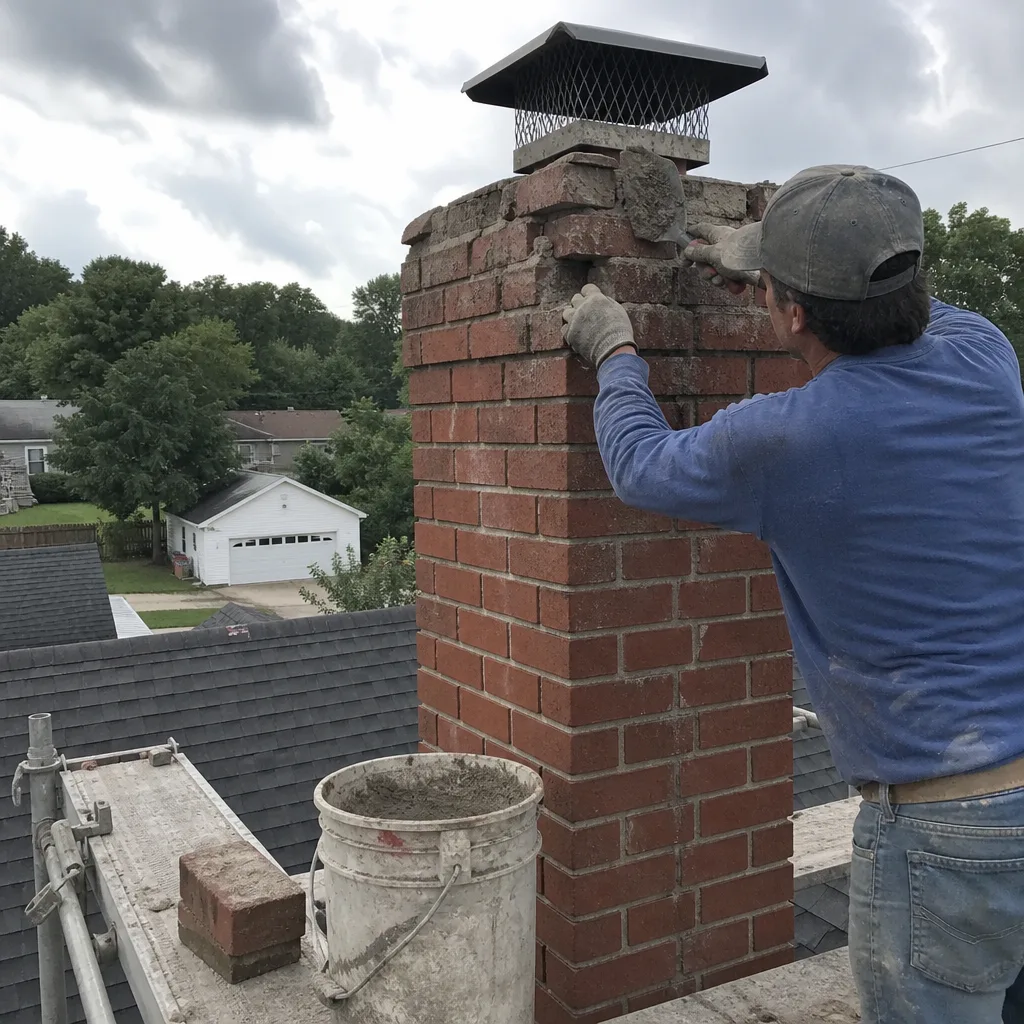
Level 1 sweep and inspection to the NFPA 211 annual standard - flue, crown, cap, and flashing checked and photographed
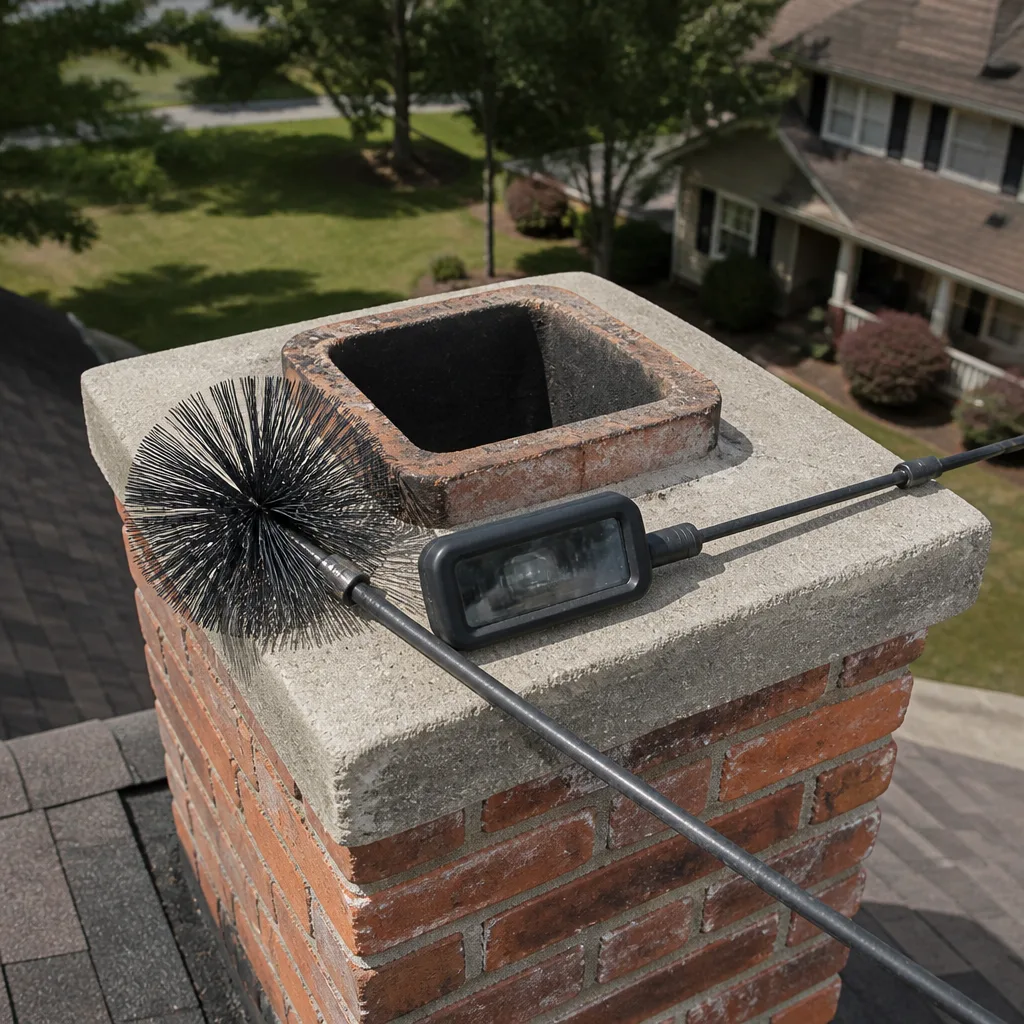
Chimney sweep logs do not sweep chimneys. They loosen some creosote - which then falls where a brush and vacuum still have to collect it.
DIY vs Professional Chimney Cleaning: The Clarksville Homeowner’s Decision Guide
A chimney brush kit costs about $60 online and it will move creosote off the flue walls. What it won’t do is tell you whether the tile liner behind that creosote is cracked, whether the smoke shelf is blocked by a decade of debris, or whether the glazed third-stage creosote on the lower flue section needs chemical treatment before another fire is safe. That gap between cleaning and assessing is the whole debate. This guide separates what a Clarksville homeowner can legitimately handle from what needs professional equipment, training, and a camera, so you can make the call with clear eyes instead of guesswork.
Quick Answer
Professional chimney cleaning is the right choice for almost every Clarksville home with a wood-burning fireplace or an older masonry chimney, because a sweep delivers two things a brush kit never can: a camera inspection of the flue interior and a documented assessment of liner condition. Limited DIY maintenance only makes sense in one narrow case – a gas insert on a stainless liner that burns clean and was professionally inspected recently. For everything else, the risk of missing a cracked tile or hidden creosote glaze outweighs the savings.
Styles & brands we work with
- Sweep & inspection
- Caps & crowns
- Flue relining
- Masonry repair
- Gas fireplace service
Table of Contents
- What a DIY brush cleaning actually accomplishes
- What you can’t see without a camera
- The real risk profile of DIY chimney work
- The one scenario where DIY makes sense
- Why older Clarksville masonry chimneys are poor DIY candidates
- Cleaning versus certifying: the professional value gap
- How a professional sweep in Clarksville actually works
- What professional cleaning costs and what DIY really saves
What a DIY brush cleaning actually accomplishes
A brush and rod set does one job well: it knocks loose, flaky creosote off the accessible flue walls from the firebox up to the point where the rod run ends or the flue offsets. That’s a real thing, and it isn’t nothing. If you’ve burned a cord of seasoned wood through a cold Clarksville winter and the flue has a visible fuzz of soot, a brush will reduce it.
Here’s what the same brush does not do, even when the homeowner is careful and methodical:
- It doesn’t inspect. A brush scrubs. It doesn’t look. No brush kit tells you the condition of the flue tile it just passed, and tile cracks are the single most common finding that changes a chimney’s risk profile.
- It doesn’t reach the smoke shelf or the smoke chamber. Those angled surfaces above the damper collect soot and debris that a straight brush run skips entirely. A properly sized brush with the right technique gets there. A homeowner guessing at rod angles usually doesn’t.
- It doesn’t handle glazed creosote. Third-stage creosote is shiny, hardened, and bonded to the tile. Brushing it can polish it rather than remove it. It needs a chemical agent and a follow-up pass, and it needs someone who knows the difference between stage two and stage three by sight.
- It doesn’t document anything. There’s no photo record, no written condition report, no baseline to compare against next year.
In our experience, the calls that turn into real repair work in Clarksville almost always start the same way: a homeowner who cleaned their own flue for a few seasons and never once had the interior looked at. The brush did its job. Nobody did the other job.
What you can’t see without a camera
This is the heart of the DIY question. The flue is a vertical shaft, often with offsets, and the surfaces that matter most for fire safety are the ones facing away from the firebox opening. You can shine a flashlight up from the damper and see maybe the first several feet on a straight run. You cannot see the upper flue, the crown transition, or the back side of an offset.
A professional sweep runs a camera down the flue and reviews the footage with you. That camera reveals a specific set of problems that no brush and no flashlight will show:
- Hairline tile cracks. These are the classic precursor to heat reaching framing lumber. They’re often invisible from below and obvious on camera.
- Missing or deteriorated mortar joints. The joints between flue tiles can erode over decades, leaving gaps where combustion gases escape the liner.
- Spalled tile faces. Freeze-thaw cycling in a Clarksville winter can pop flakes off the interior tile faces, and those flakes become debris that obstructs the flue.
- Glazed creosote on the lower flue. The coolest section of the flue is where creosote condenses hardest, and it’s frequently the section a homeowner’s rod run never reaches cleanly.
- Blockages. Nests, leaves, and fallen tile fragments collect on the smoke shelf or a flue offset. A brush may push through a partial blockage without ever revealing that it was there.
- Improper prior work. If a previous owner had a liner installed, the camera shows whether it’s connected correctly, whether it’s the right size, and whether it’s still sound.
This is why the professional value proposition isn’t about the cleaning itself. A homeowner can move creosote. A professional can tell you what condition the system is in afterward, and that’s the information you actually need before you light another fire.
The real risk profile of DIY chimney work
The conversation about DIY chimney cleaning usually centers on whether the brush works. The bigger question is what happens to the person holding the brush. Chimney work carries a risk profile most homeowners haven’t thought through, and it breaks down into three categories.
Working at height on a pitched roof
Top-down chimney cleaning means getting onto the roof, and a Clarksville roof in winter can be slick with frost or morning dew. Pitched roofs, gutter edges, and the slope above a chimney all create fall exposure. Most homeowners don’t own a roof harness or have anchor points installed, and a fall from roof height is a serious injury. This is the single most underestimated part of DIY chimney work.
Creosote exposure
Creosote is a known carcinogen. A brush cleaning throws fine soot and creosote dust into the air, and without proper containment and respiratory protection, that dust lands on you, your clothes, and the surfaces of your home. A professional setup uses HEPA containment at the firebox and personal protective equipment rated for the job. Most homeowners plan for a drop cloth, not a HEPA vacuum and a respirator.
Containment and cleanup
This is the part almost nobody plans for. A chimney cleaning generates a substantial volume of fine, oily soot that settles on every horizontal surface in the room. Professional sweeps seal the firebox opening with negative-pressure containment so the dust never enters the living space. A homeowner with a tarp and a shop vac usually ends up cleaning soot off the walls for a week. We’ve seen the aftermath, and it’s the reason containment is a field-tested method, not a nicety.
The one scenario where limited DIY makes sense
There is a legitimate case for homeowner maintenance, and it’s narrower than most DIY guides admit. The scenario that works: a gas insert connected to a stainless steel liner, burning clean, that was professionally inspected recently and had no findings requiring follow-up.
Why this case works:
- Gas burns clean. A properly adjusted gas insert produces minimal creosote and soot compared to wood, so there’s far less material to remove between professional visits.
- A stainless liner is a known quantity. If a professional inspection confirmed the liner is sound and correctly connected, you’re maintaining a system whose condition has been verified.
- The risk of hidden damage is lower. There’s no masonry flue tile to crack, no mortar joints to erode, and no glazed creosote to misidentify. The failure modes are fewer.
Even in that case, the DIY work should be limited to light surface cleaning and annual visual checks from the firebox. It’s maintenance, not assessment. And it only stays valid as long as the professional inspection cycle continues. The moment a DIY homeowner starts skipping the inspection because “I clean it myself,” the safe scenario has already ended.
If you’re in that gas-insert scenario and want a professional baseline before you rely on it, the team at Chimney Sweep Clarksville can inspect the liner and document its condition.
Why older Clarksville masonry chimneys are poor DIY candidates
Clarksville’s established neighborhoods have a lot of masonry chimneys built decades ago, and these are the worst possible candidates for DIY cleaning. The reason isn’t about the homeowner’s competence. It’s about what those chimneys contain.
Older masonry chimneys typically have a clay tile liner, mortar joints, and a history. The liner may already have hairline cracks that nobody’s ever seen. The mortar joints may have eroded. The flue may have absorbed moisture through a failing crown and gone through several freeze-thaw cycles. In a Clarksville winter, that cycling is real: water gets into the masonry, freezes, expands, and pops the interior tile faces.
Here’s the crux. A homeowner cleaning an older masonry chimney with a brush is scrubbing a liner whose condition is unknown. If that liner is compromised, the cleaning passes a sponge over the problem while the underlying risk stays in place. Worse, a brush can dislodge a loosened tile fragment that then blocks the flue further down, and the homeowner has no way to know it happened.
In our experience, older Clarksville masonry chimneys are where the gap between DIY and professional is widest. These are also the chimneys where HeatShield ceramic resurfacing can repair a deteriorating interior flue without a full liner replacement. That’s a repair most sweep-only services can’t offer and certainly can’t offer a homeowner with a brush. Before you spend a Saturday on a ladder, remember: on an older masonry flue, the unknown liner condition is the actual risk. Cleaning it without inspecting it doesn’t reduce that risk, it just puts soot in your living room.
Cleaning versus certifying: the professional value gap
This is where the DIY-versus-professional question actually resolves. A brush cleans. A professional sweep cleans and then certifies the condition of the system in writing. Those are two different products, and only one of them tells you your chimney is safe to use.
What a credentialed professional sweep provides that a brush kit never can:
- A camera inspection of the full flue. Not a flashlight from below – the whole run, with footage you see for yourself.
- A photo report. Documented findings you can compare against next year’s inspection and share with an insurer or a buyer.
- A condition assessment. A clear statement of whether the liner, crown, cap, and smoke chamber are sound or not.
- Repair capability in the same relationship. When the inspection finds a problem, the same professional can quote and perform the repair.
- The right materials. If the finding is deteriorating flue tile, resurfacing with HeatShield or installing a flexible liner with DuraFlex is repair-tier work, not cleaning work. Those are the materials no brush kit contains, and they’re the difference between diagnosing and fixing.
Framed honestly, this isn’t about upselling. It’s about what you’re actually paying for. A homeowner pays a brush kit for cleaning. A homeowner pays a professional for cleaning plus the information they can’t gather on their own. On a system that vents combustion gas out of your home, that information is the whole point.
And the professional relationship extends past the flue. Dryer vent cleaning is one of the leading causes of residential house fires in its own right, and handling it in the same visit is a straightforward way to close a second fire-safety gap. Fire safety runs from the firebox to the dryer vent.
How a professional sweep in Clarksville actually works
A professional cleaning follows a sequence designed to remove the creosote and capture what the brush alone can’t. Here’s what a visit to a Clarksville home typically looks like from start to finish:
- Contain the work area. The firebox opening is sealed with a containment system under negative pressure, so soot and dust stay in the flue instead of the living room.
- Clean the flue from the bottom up or top down. The technique depends on the chimney’s construction and access. Properly sized brushes clear the flue walls, and the smoke shelf and smoke chamber get specific attention.
- Run a camera through the flue. The interior is inspected for cracks, mortar erosion, spalling, glazed creosote, and blockages. The footage is reviewed with you.
- Assess the exterior components. The crown, cap, and flashing are checked for their condition and for signs of water intrusion.
- Document findings. You get a photo report of what was found, along with a clear recommendation for any repair work and an honest statement of what can safely wait.
- Quote any repair in writing. If something needs fixing, you get a written estimate. Nothing is recommended without camera evidence you can see for yourself.
When repair is needed, the scope depends on what the camera showed. Deteriorating but intact flue tile might take HeatShield resurfacing. A compromised or unlined flue might call for a DuraFlex flexible liner. Parts, insulation, and caps come from professional lines like Olympia Chimney and Copperfield. The point is that the sweep, the diagnosis, and the repair are the same conversation, so no homeowner is left holding a condition report and looking for a second contractor.
Homeowners nearby in Charlotte get the same sequence on a typical visit. If you want to know what a professional sweep looks like in your own home, the team at Chimney Sweep Clarksville handles the sweep, the liner repair, and the vent work in one relationship.
What professional cleaning costs and what DIY really saves
On paper, the DIY argument comes down to money. A brush kit is roughly $60. A professional sweep costs more. But the comparison needs to account for what each one actually delivers, because the $60 kit and the professional visit aren’t the same product.
The table below shows what a typical Clarksville chimney job involves and what each step covers:
| Task | DIY brush kit | Professional sweep |
|---|---|---|
| Remove loose and flaky creosote from accessible flue walls | Yes | Yes |
| Reach smoke shelf and smoke chamber | Rarely | Yes |
| Camera inspection of the full flue | No | Yes |
| Photo report of conditions | No | Yes |
| Handle glazed third-stage creosote | No | Yes |
| HEPA containment and dust control | No | Yes |
| Assess crown, cap, and flashing condition | Limited | Yes |
| Quote and perform repair from the same visit | No | Yes |
| Roof work with fall protection | No | Yes |
What does that add up to? The DIY savings are real only if the flue turns out to be fine and no hidden damage existed. If the camera finds a cracked tile or a compromised liner, the “saved” money gets spent twice: once on the kit, and then on the professional inspection and the resulting repair anyway. Pricing for chimneys is set per job by a written estimate after the inspection, so the true cost of skipping professional cleaning comes into focus only when the findings are on the table.
Professional cleaning in Clarksville also removes a risk most DIY guides never mention: the exposure. Creosote dust is a known carcinogen, and a homeowner without proper containment and respiratory protection is taking that exposure on personally. A $60 kit doesn’t include a respirator or a HEPA vacuum. Factored honestly, the savings on the kit are smaller than they look.
If you’ve been quoted thousands for liner or masonry work and you don’t know how to verify it, this is where we’re direct: nothing gets recommended without camera evidence you can see for yourself, and we’ll tell you plainly when a job can safely wait. Free estimates are available, and the written estimate sets the final price. To schedule one, see chimney sweep options or call us directly.
Common Mistakes to Avoid
- Cleaning without inspecting. A brush removes creosote but doesn’t reveal a cracked tile or a blocked smoke shelf. Cleaning without inspection leaves the actual fire risk in place. Every cleaning should end with a camera review.
- Assuming a clean flue means a safe flue. Glazed third-stage creosote can look fine from below and be bonded to the lower flue wall. Only a camera and a professional eye tell the difference.
- Skipping HEPA containment. Soot and creosote dust settle into every surface of the room. Professional containment keeps the dust in the flue where it belongs. A tarp and a shop vac won’t hold fine soot.
- Taking on roof work without fall protection. A pitched Clarksville roof gets slick with frost and dew. Climbing up without a harness and anchor points is the most underestimated DIY chimney risk there is.
- Ignoring the dryer vent. The chimney gets all the attention, but a clogged dryer vent is a fire risk in its own right. A complete home fire-safety check includes both.
- Waiting until the first cold night. Chimney work gets booked fast as burning season approaches. Scheduling an inspection before the season starts means any repair happens before you need the fireplace, not while you’re waiting on it.
- Assuming the gas insert needs nothing. A clean-burning gas insert still needs its liner inspected. “It burns clean” is a maintenance argument, not a guarantee that the liner is sound.
See the difference
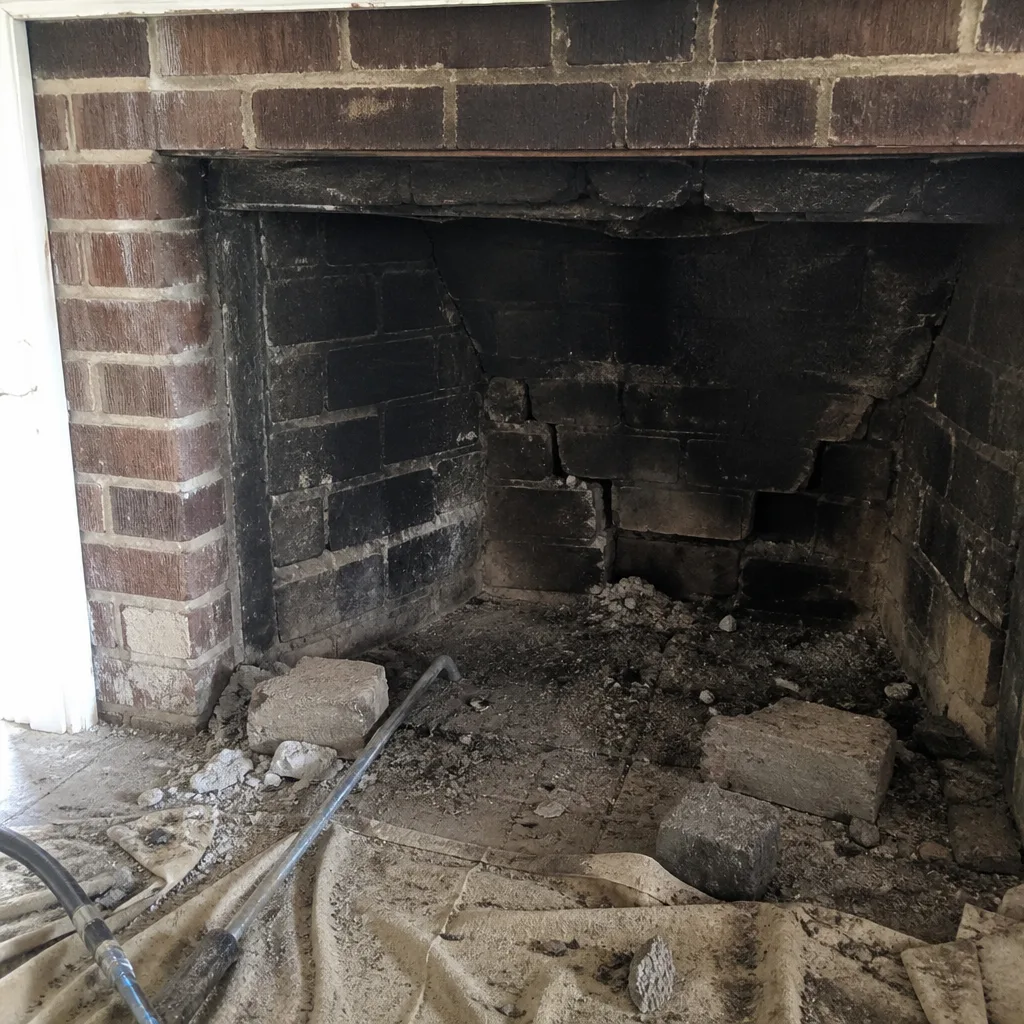 Before
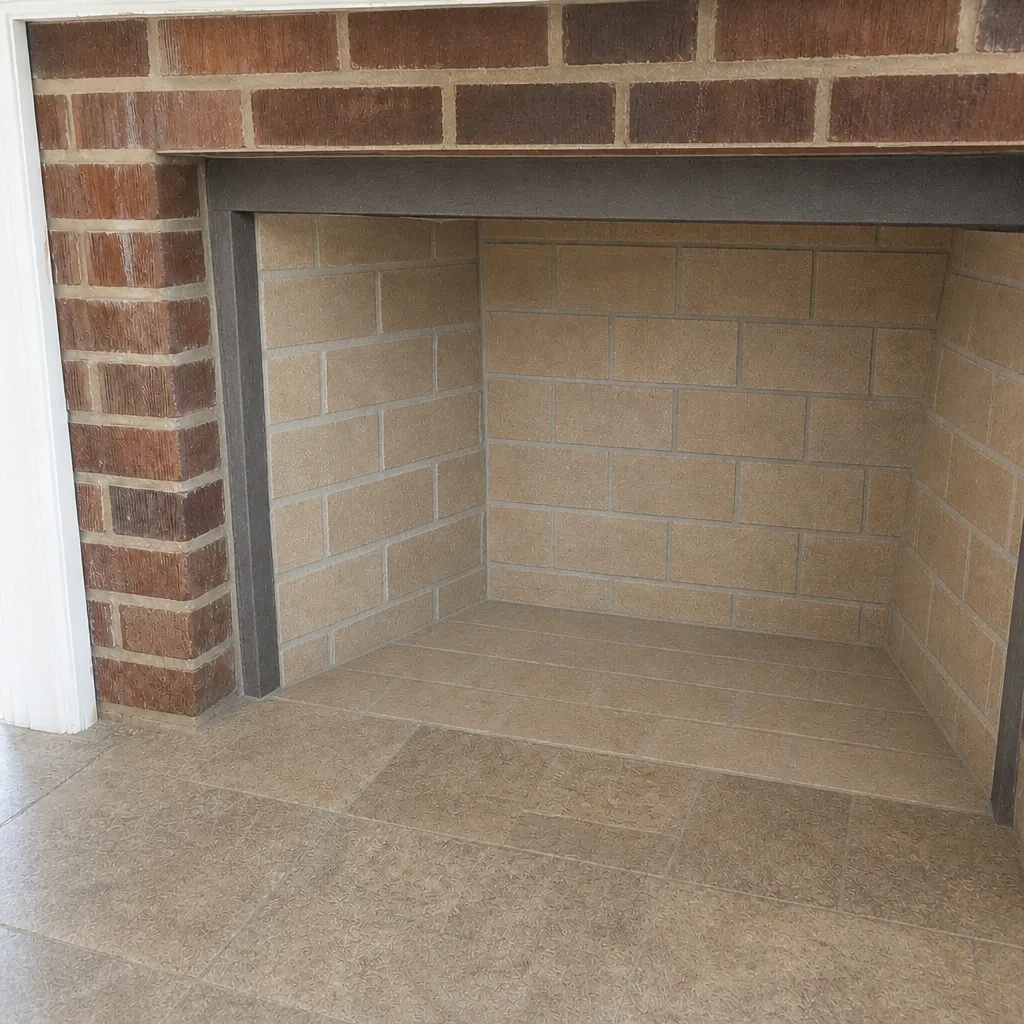 After
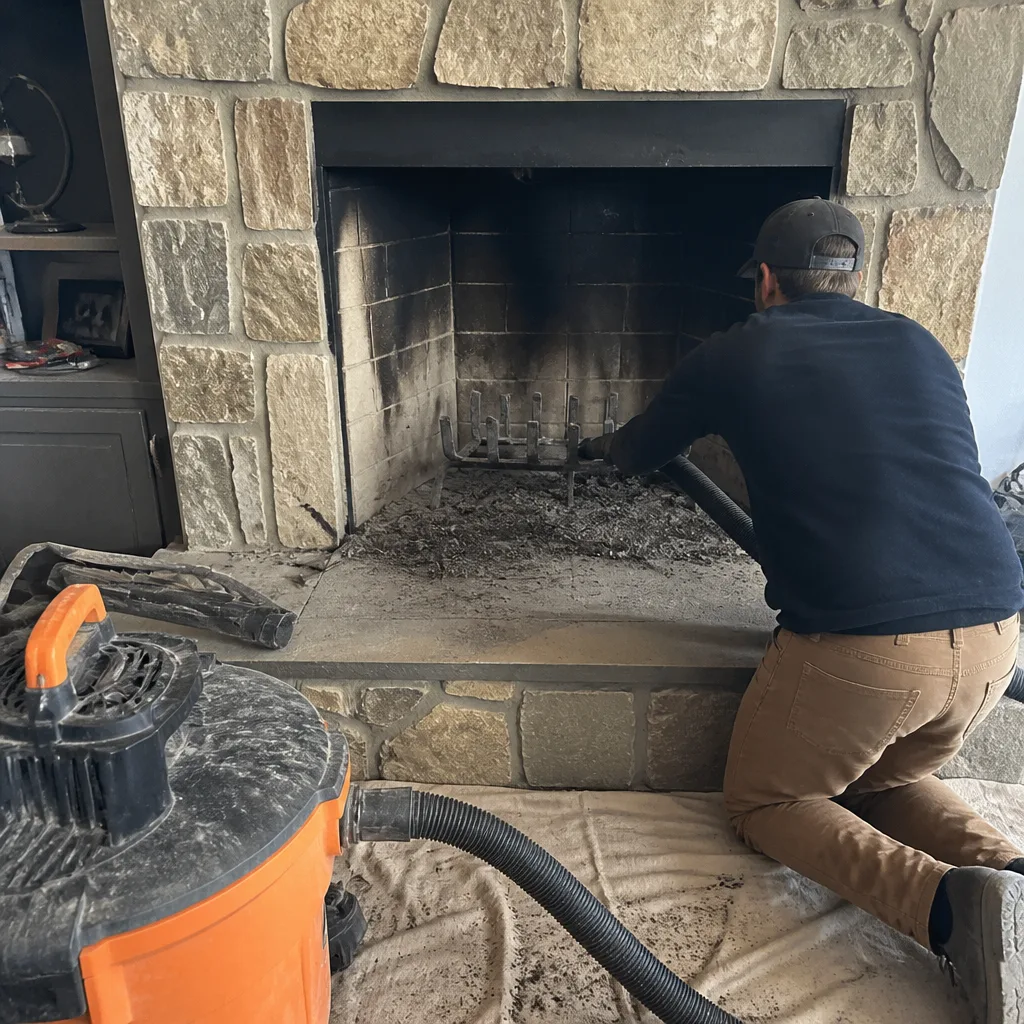 Before
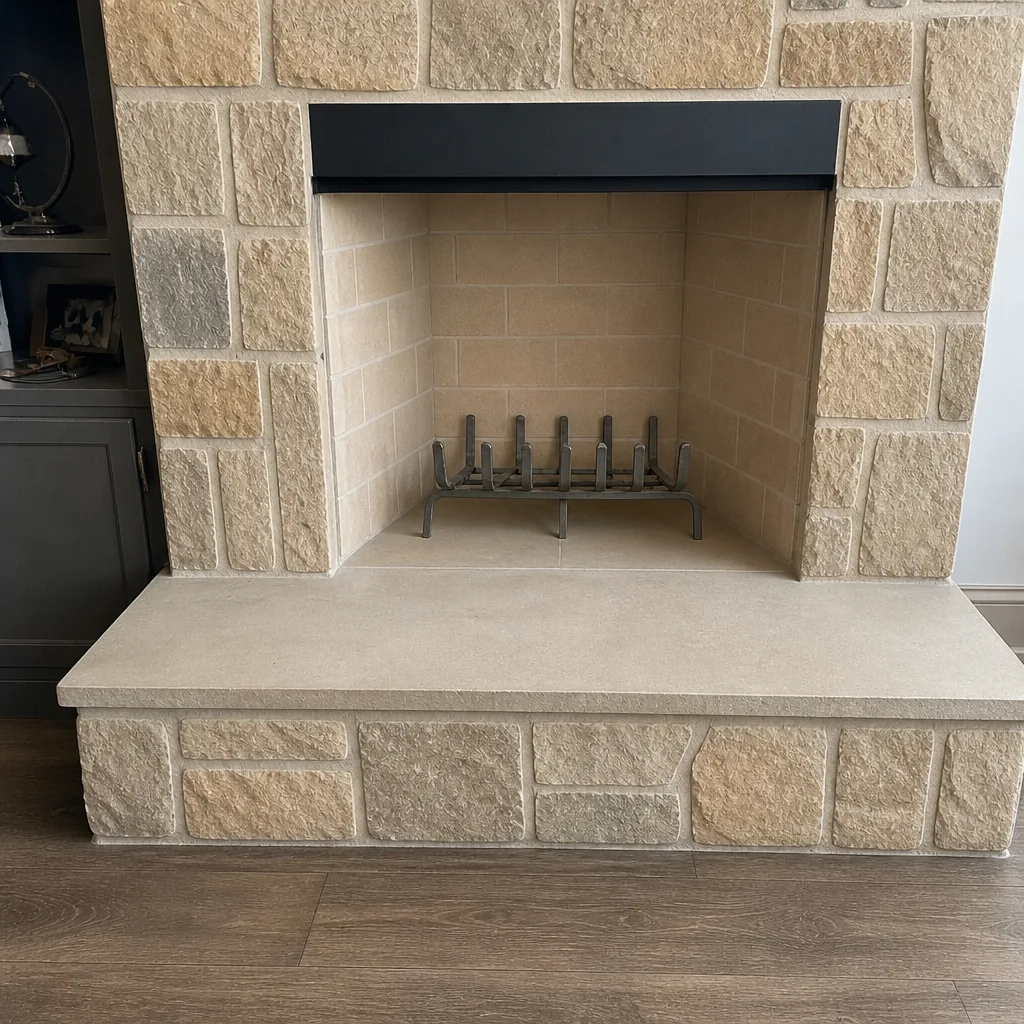 After
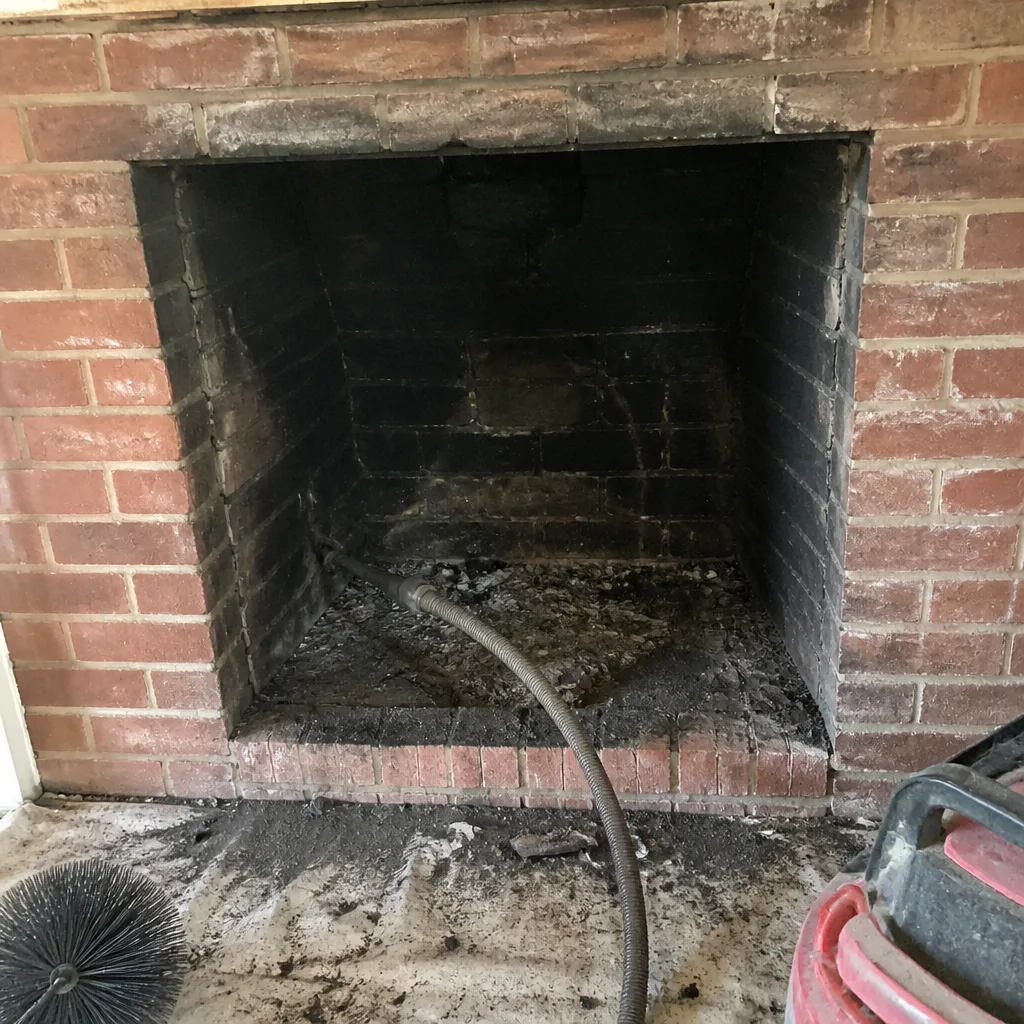 Before
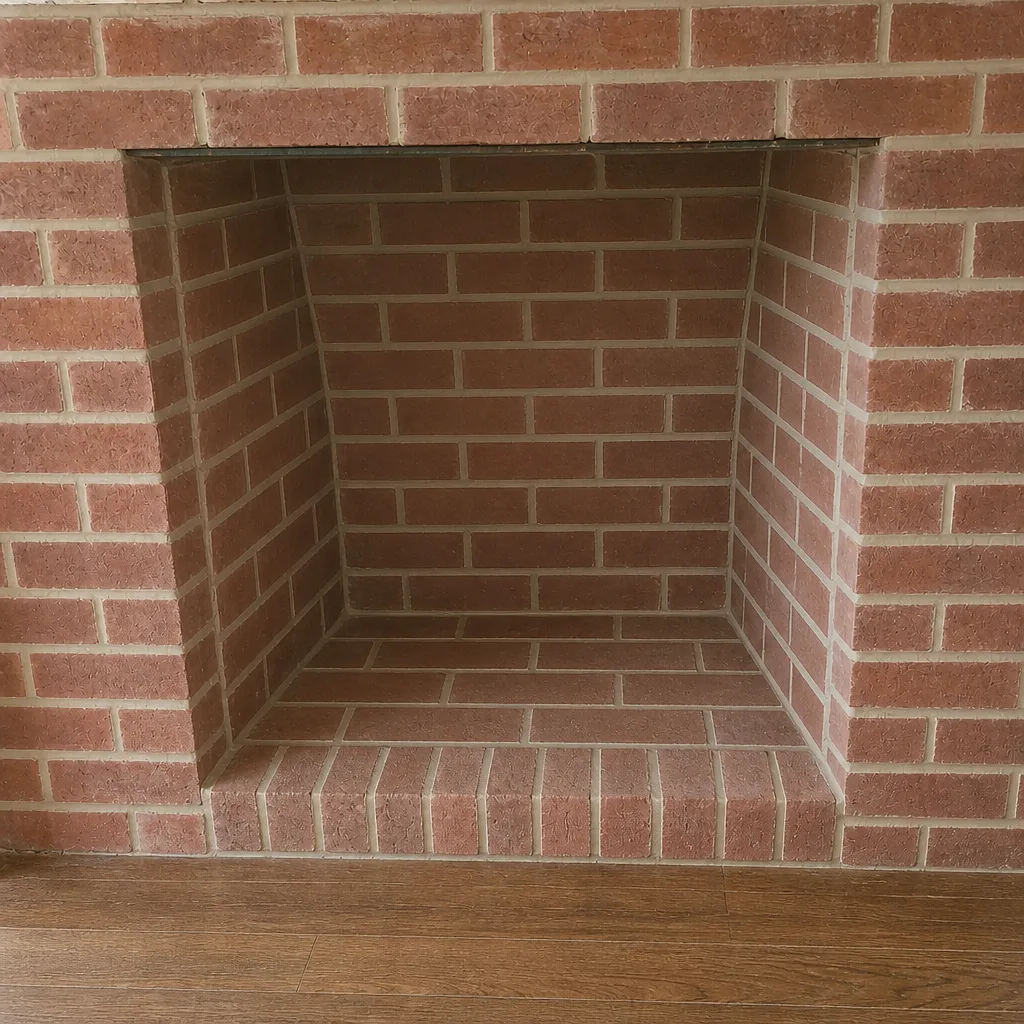 After
When to Call a Professional
Call a professional whenever the flue condition is unknown, which covers more scenarios than most homeowners expect. That includes any wood-burning fireplace or insert, any masonry chimney in an older Clarksville home, any chimney where you’ve never had the interior inspected, and any home you’ve recently bought where the chimney history is a mystery. Call before the first burn of the season if it’s been a year or more since the last inspection. Call if you smell smoke in the room or notice soot staining around the firebox. Call if the draft feels weaker than it used to. And call if you’ve been told you need liner or masonry work and you want an independent camera review before committing.
Chimney Sweep Clarksville offers free estimates in Clarksville – call (866) 942-9931. We answer 24/7. Fast dispatch from 7am to 7pm, Sunday through Friday.
Frequently Asked Questions
You can remove loose creosote with a chimney brush, but you can’t assess the flue interior, which is the part that determines whether your chimney is safe. A DIY brush cleaning is a partial task that leaves the most important information – liner condition, glazed creosote, hidden blockages – unexamined. Call (866) 942-9931 for an exact quote on a professional cleaning and camera inspection; estimates are free.
Most wood-burning fireplaces should be inspected annually and swept when creosote buildup reaches a level that warrants it, which typically means once a year for regular burners. The inspection is the part you shouldn’t skip, because it’s what determines whether a sweep is needed. Call (866) 942-9931 to book an inspection before burning season.
It depends on what the camera shows, and that’s the honest answer. Deteriorating but structurally intact flue tile can often be resurfaced with HeatShield ceramic, which addresses the problem without a full liner replacement. A compromised or unlined flue usually needs a flexible liner like DuraFlex. Nothing gets recommended without camera evidence you can review. Call (866) 942-9931 for a free estimate once the inspection findings are known.
Creosote accumulates with every fire, and at high enough levels it becomes fuel for a chimney fire. That’s the real risk, and it builds quietly. Skipping the annual inspection also means hidden damage – a cracked tile, a failing crown – goes unnoticed until it becomes a larger repair. Call (866) 942-9931 to get on the schedule before the next burning season.
Limited DIY maintenance is reasonable for a gas insert on a stainless liner that burns clean and was professionally inspected recently. Even then, the liner still needs a periodic professional inspection, because a clean burn doesn’t guarantee a sound liner. Call (866) 942-9931 to establish or refresh a professional baseline.
Professional cleaning includes HEPA containment, proper sizing of brushes to the flue, attention to the smoke shelf and smoke chamber, a camera inspection of the full flue, a photo report of findings, and repair capability in the same relationship. A brush kit covers only the first part. Call (866) 942-9931 for a free estimate on the full service.
The Bottom Line
The DIY chimney question isn’t really about whether you can push a brush through a flue. It’s about whether you can accurately assess what the brush finds, and that’s where the gap between safe and dangerous lives. Cleaning removes creosote. Only an inspection tells you whether the liner is sound, whether glazed creosote is hiding on the lower flue, and whether the crown is failing. On an older Clarksville masonry chimney, the unknown condition of the liner is the actual risk, and a brush kit doesn’t reduce it. Limited DIY maintenance makes sense for a gas insert on a stainless liner with a recent inspection. For wood-burning fireplaces, older masonry, and any chimney you’ve never had examined, professional cleaning plus a camera inspection is the only version that tells you the truth about your system.
Chimney Sweep Clarksville handles the sweep, the repair, the liner work, and the dryer vent – one call covers it, from the firebox to the dryer vent. Our technicians have up to 10 years of experience, and we work with professional-grade materials including DuraFlex and HeatShield, not off-the-shelf fixes. Call (866) 942-9931 for a free estimate. We answer 24/7. Fast dispatch from 7am to 7pm, Sunday through Friday.
Written by the team at Chimney Sweep Clarksville.