
Last updated November 15, 2026
 Sweep & inspection
 Caps & crowns
 Flue relining
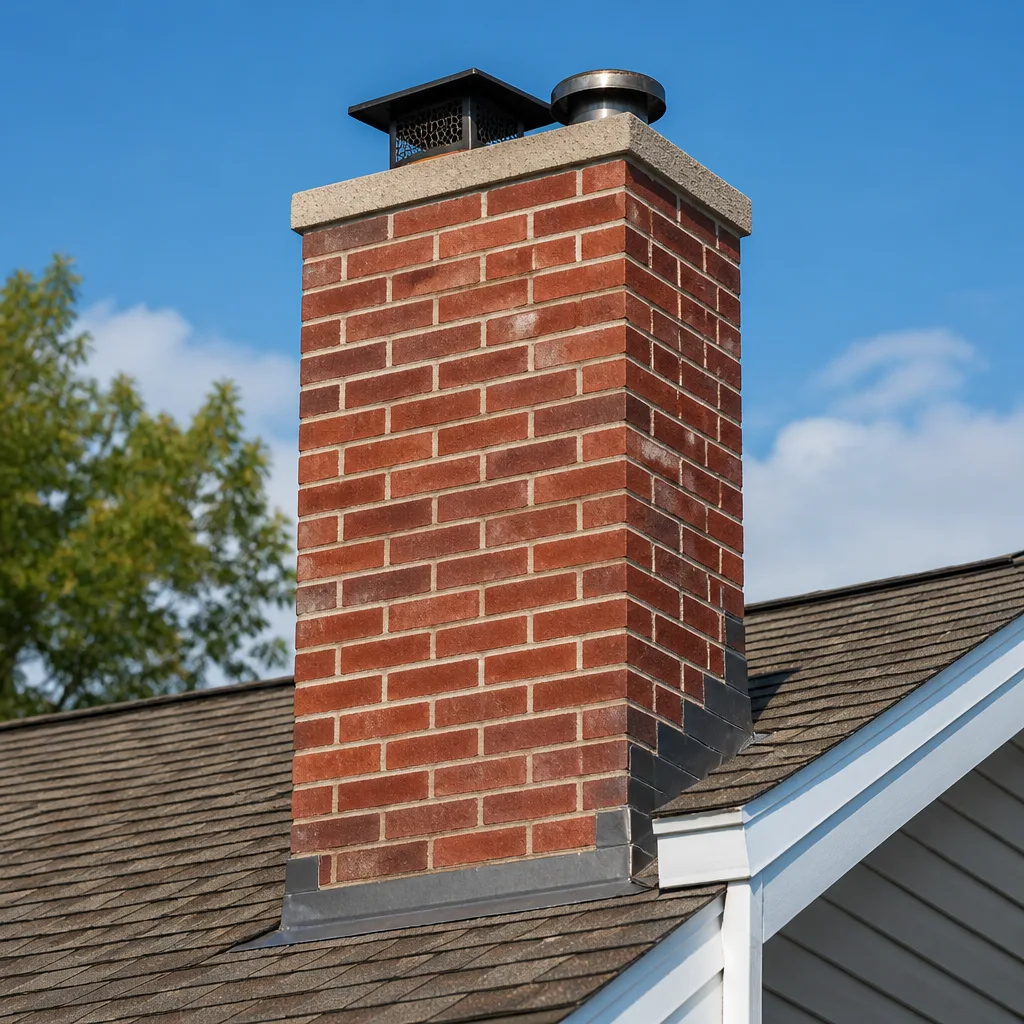 Masonry repair
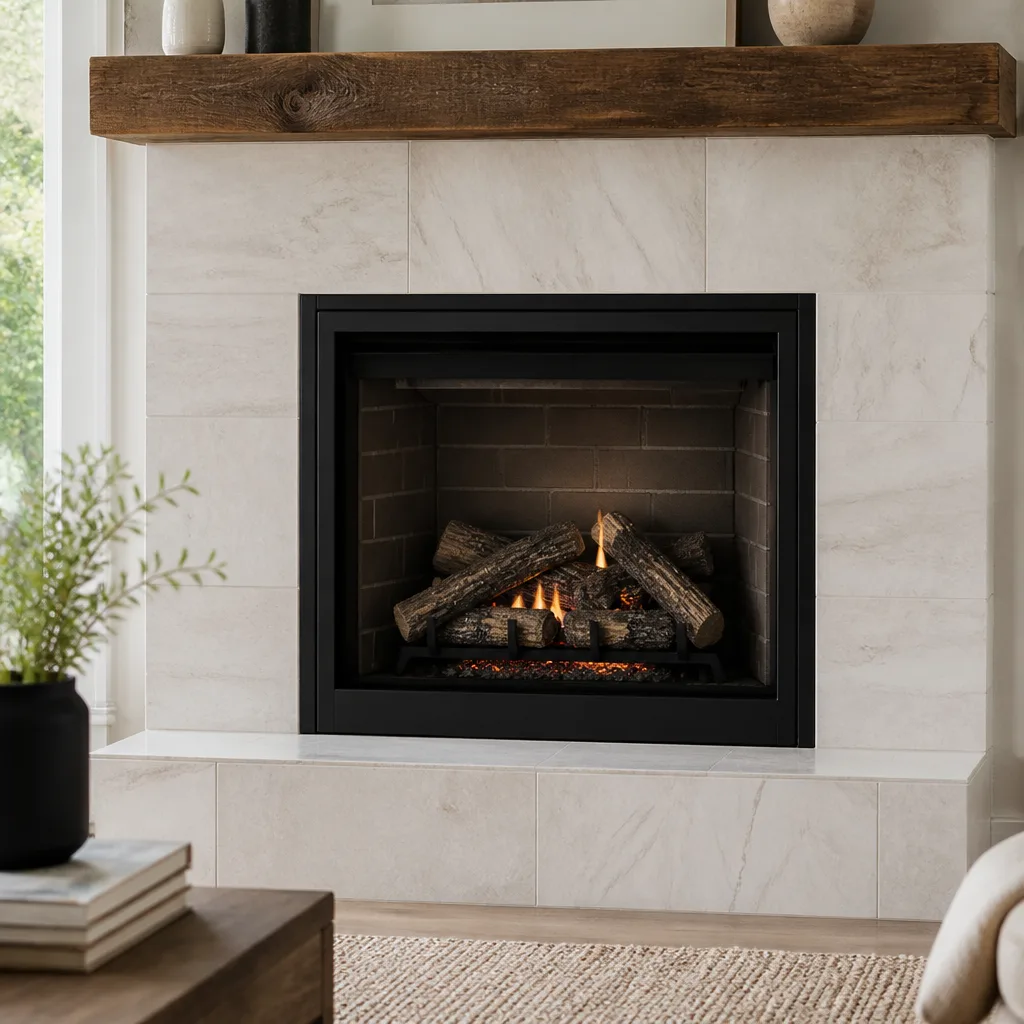 Gas fireplace service
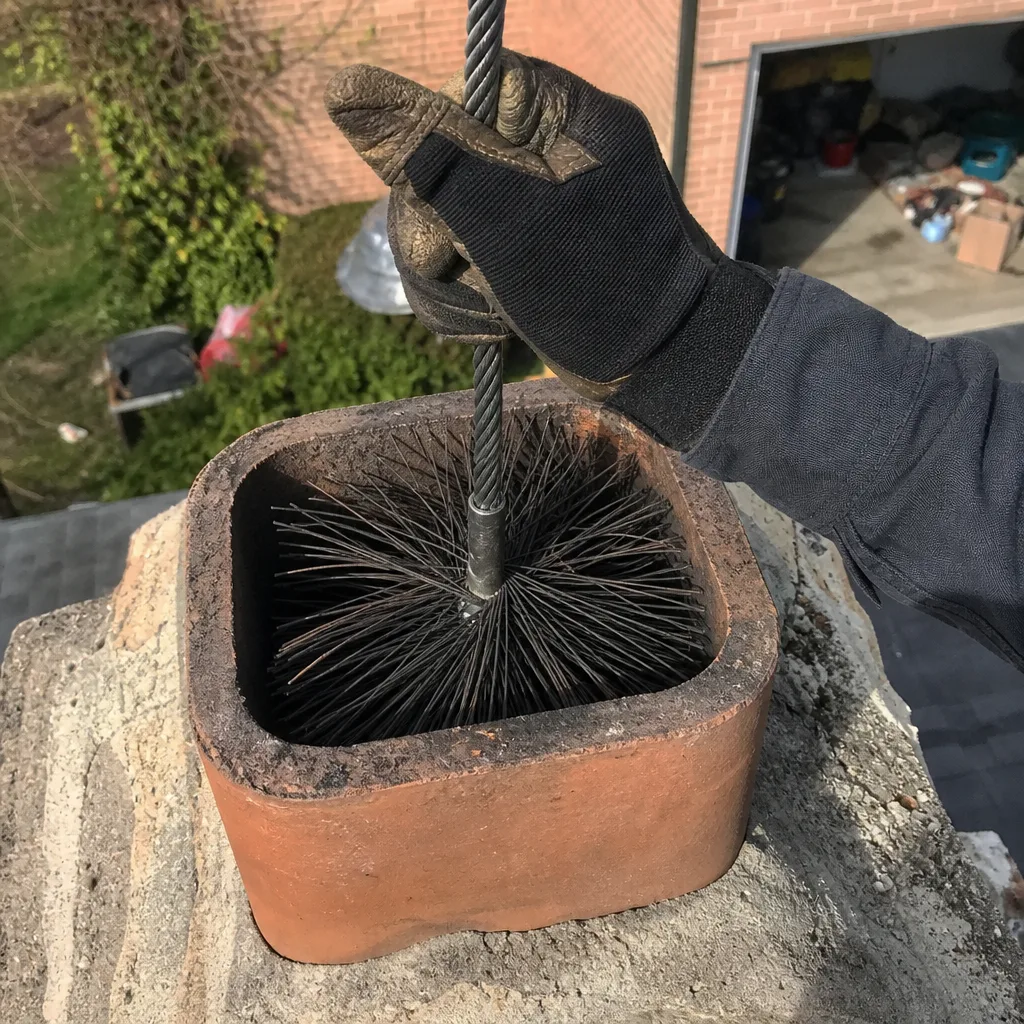
Level 1 sweep and inspection to the NFPA 211 annual standard - flue, crown, cap, and flashing checked and photographed
Chimney sweep logs do not sweep chimneys. They loosen some creosote - which then falls where a brush and vacuum still have to collect it.
Choosing the Right Chimney Cleaning Brand: A Buyer’s Guide for Clarksville
Two chimney companies can hand you an invoice that reads “chimney cleaning” and still have done completely different work. One swept the flue and left it at that. The other swept, checked the liner, and used professional materials to address what it found. The invoice looks the same. The outcome, measured in years of service life, usually isn’t. Most homeowners in Clarksville never get asked which products a contractor actually carries, so the question rarely comes up until a problem shows itself. This guide covers the product tiers that separate credentialed chimney companies from brush-and-vacuum operations, what each tier accomplishes, and the exact questions that reveal which kind of company you’re talking to before anyone arrives.
Quick Answer
The right chimney cleaning company in Clarksville is one that carries professional-grade materials, not just cleaning tools. That means access to liner systems like DuraFlex, ceramic resurfacing with HeatShield, and trade-brand sealants and treatments for crowns and creosote. Ask what product lines a contractor stocks before you book, and you’ll know within a couple of questions whether they can handle the full job or only the sweep.
Styles & brands we work with
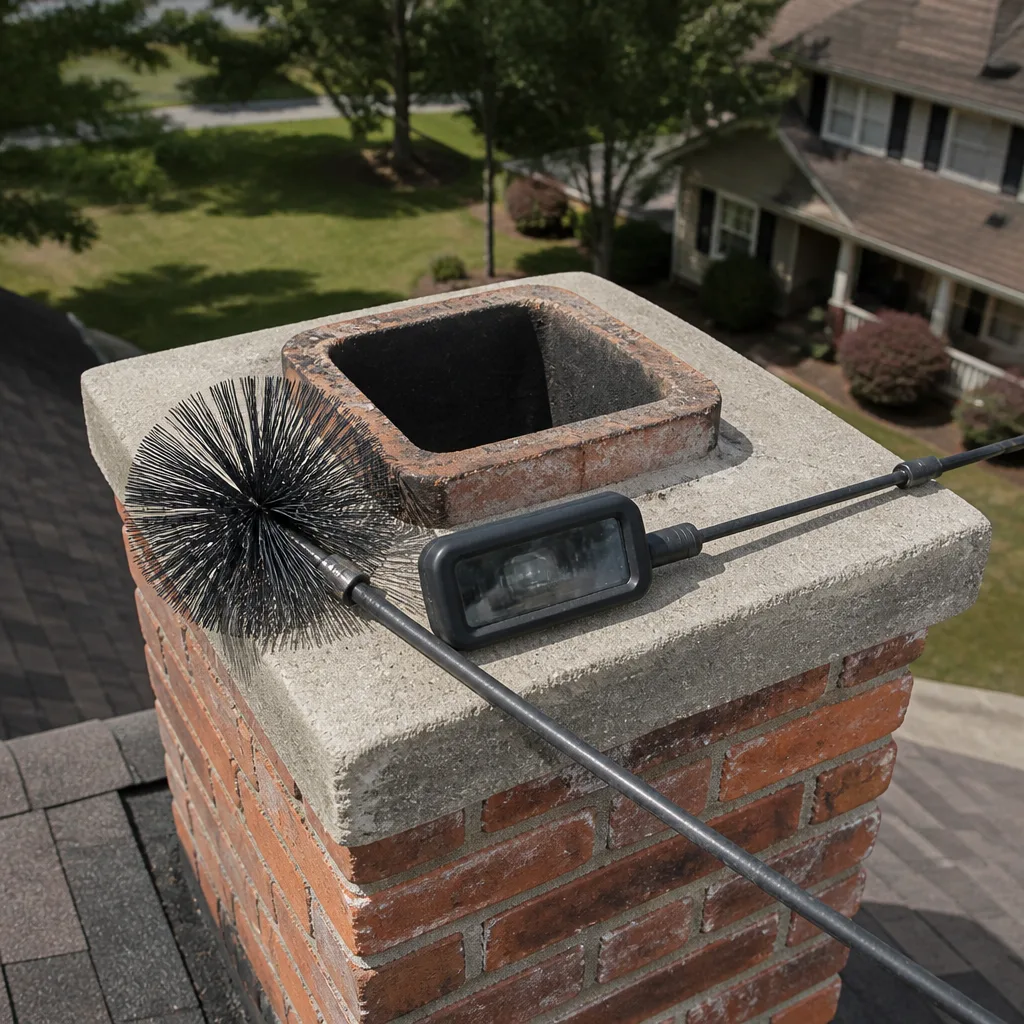
- Sweep & inspection
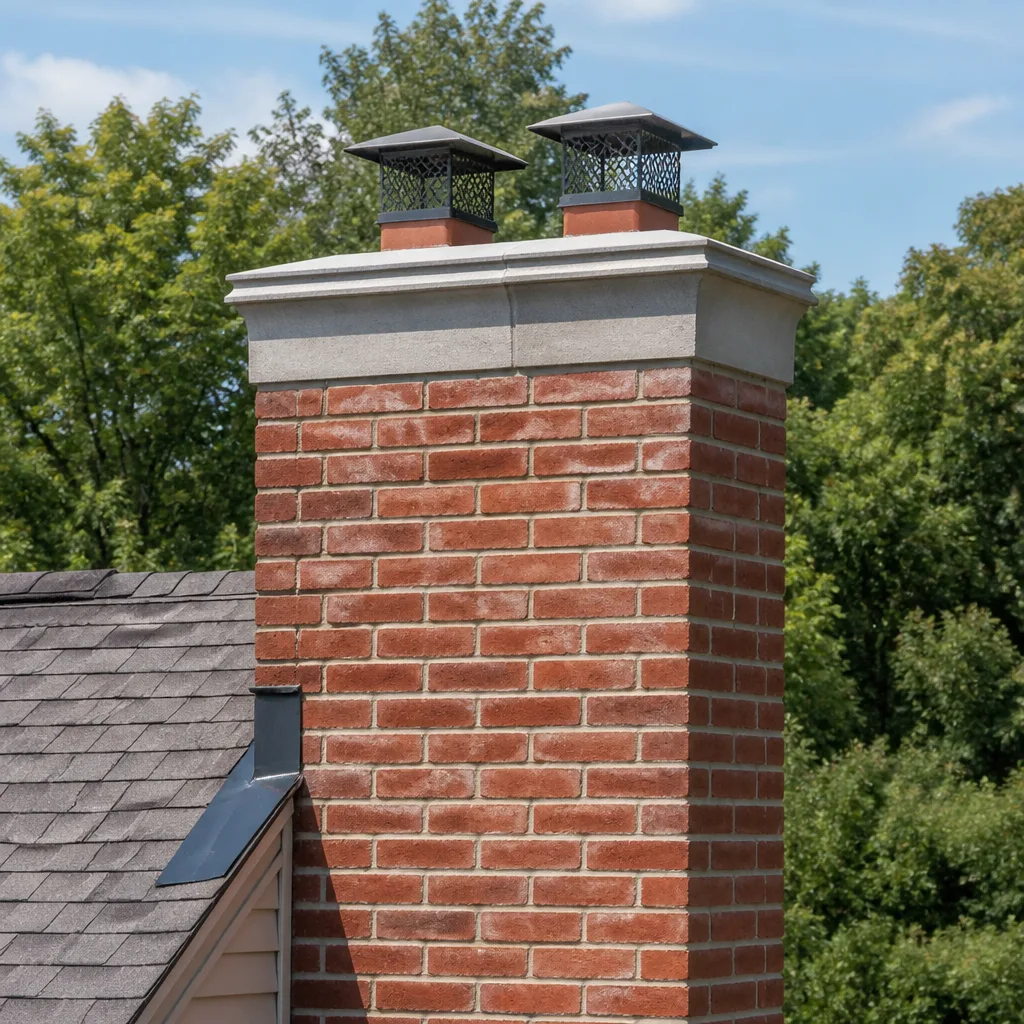
- Caps & crowns
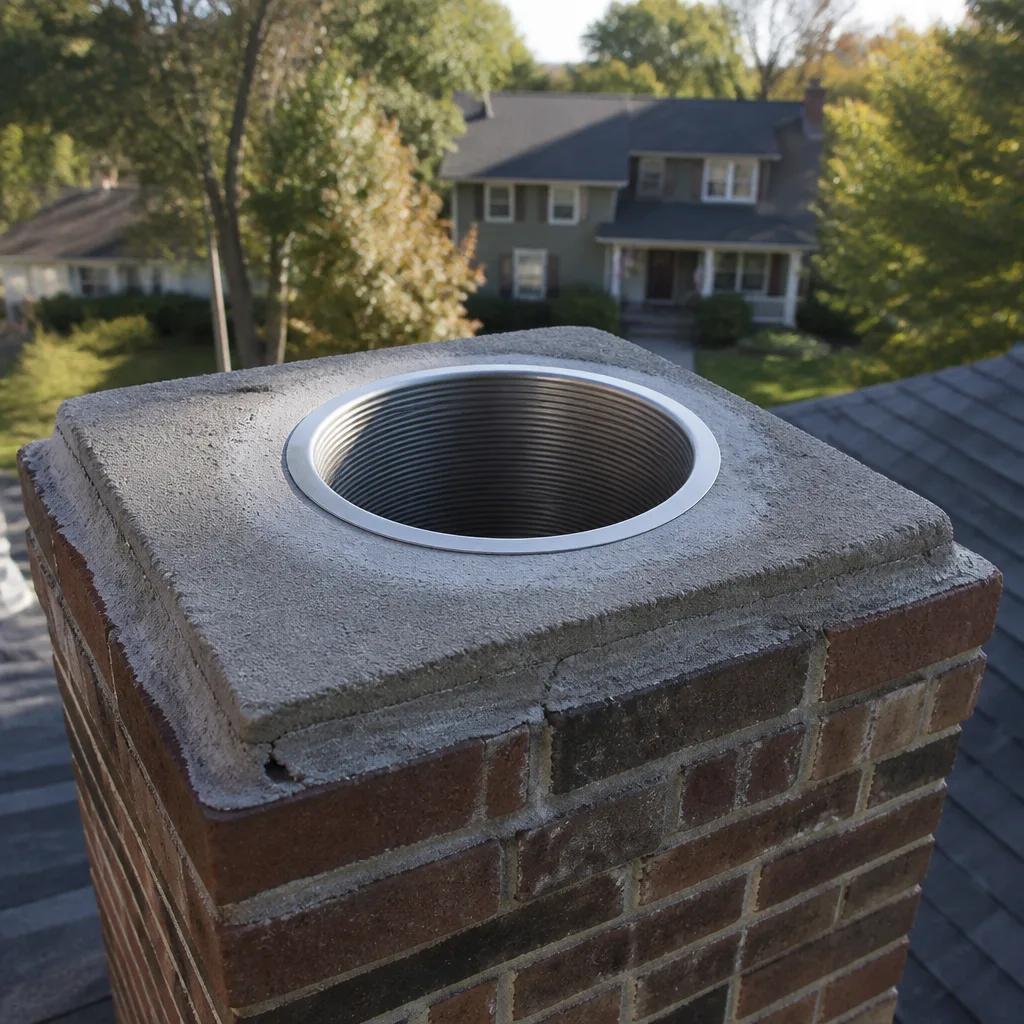
- Flue relining
- Masonry repair
- Gas fireplace service
Table of Contents
- What separates professional-grade chimney products from big-box equivalents?
- Liner systems and HeatShield resurfacing: which do you actually need?
- The three tiers of creosote treatment (and which ones work)
- Crown coatings and water repellents: what “professional-grade” really means
- Why Clarksville chimneys see specific wear patterns
- Three questions that reveal a contractor’s product lines
- The trade brands worth knowing by name
- When to call a professional
What separates professional-grade chimney products from big-box equivalents?
Professional-grade means the product was engineered for a specific job inside a chimney system and tested to a known standard, not adapted from general construction supply. A crown sealer sold at a hardware store is usually a masonry patcher. A crown coating a chimney company carries is formulated to flex with the crown as it expands and contracts across seasons. Both seal a crack. Only one holds up when the freeze-thaw cycle of a Tennessee winter works on it.
The same gap exists across the whole product range. Consumer caulks, generic furnace cement, and all-purpose silicone are chosen for shelf price. Trade materials are chosen for cure behavior, adhesion to flue tile, and temperature tolerance. In a chimney, those differences show up in a few years, not a few weeks.
The practical test for any homeowner in Clarksville is simple. Ask the contractor to name the brands they carry for Liners, sealants, and treatments. A generalist handyman will usually answer with the hardware store aisle. A chimney company that works with professional trade brands will name them without hesitation. That’s the signal.
It matters because chimney work is rarely just cleaning. A sweep reveals what the flue looks like. The company you chose either can address what came up or hands you a referral. Having the right materials in the relationship from the start saves a second call, a second estimate, and a second contractor learning your system from scratch. That continuity is one reason we handle Chimney Sweep Clarksville as a full-service relationship rather than a one-off visit.
The consumer tier vs. the professional tier
- Consumer tier: hardware-store caulk, masonry patch, generic furnace cement, chimney sweep logs, brush kits sold for occasional use.
- Professional tier: specialty liner systems (DuraFlex), ceramic resurfacing (HeatShield), trade adhesives and sealants (Gelco, Olympia Chimney, Famco, Copperfield), crown coatings formulated for masonry flex.
- What you can’t see from the invoice: which tier the contractor actually used. Ask.
Liner systems and HeatShield resurfacing: which do you actually need?
Two repair options frequently come up when a flue is deteriorating: a flexible liner installation, and ceramic resurfacing. They solve related but different problems, and knowing which is which prevents paying for more repair than the flue requires.
A flexible liner is a new flue inside the old one. The existing clay tiles stay where they are, and a stainless steel liner is run the full length of the chimney and connected to the appliance. DuraFlex is the brand we install for this work. A liner is the right call when the flue is unlined, when tiles are cracked through and displaced, or when the chimney is being converted for a different appliance than it was built for. It’s a full replacement of the flue surface.
HeatShield is a ceramic resurfacing system applied to the inside of the existing flue. It addresses deterioration at the tile joint and surface level without removing the tile. Where tiles are still structurally sound but the joints are failing or the surface has spalled, resurfacing restores a smooth, sealed flue. It usually costs less than a full liner and takes less time.
The decision comes down to condition. A tile that is cracked vertically through the wall of the flue needs a liner. A tile with eroded mortar joints and surface wear is a candidate for resurfacing. In our experience, homeowners are sometimes told they need a full reline when resurfacing would have solved the problem. The opposite also happens, less often. This is why a camera inspection with photos you can actually see matters.
Ask the contractor: “Do you resurface flues, or do you only install liners?” A company that answers “liners only” is a valid company, but they’ll default to the more expensive fix. Having both options in-house means the recommendation fits the condition, not the inventory.
The three tiers of creosote treatment (and which ones work)
Creosote is the residue that builds up inside the flue when wood burns. It comes in three forms: a fluffy soot that brushes off easily, a hardened flaky layer, and a glazed, tar-like coating that bonds to the tile. Glazed creosote is the one that matters, because it’s the hardest to remove and the most flammable. Understanding the three treatment tiers is the difference between spending money on a product that does something and spending it on a product that doesn’t.
Tier 1: Sweeping logs (ineffective marketing)
A chimney sweep log is a chemical log you burn in the fireplace to “clean the chimney.” It doesn’t. It may loosen a light layer of soot, and the marketing makes it sound like the flue is being serviced. It isn’t. Glazed creosote isn’t affected, and the chimney still needs a brush. These products exist because they’re cheap to produce and easy to sell at retail. They are not part of a professional sweep.
Tier 2: Chemical powder treatments
Powder treatments are applied to a hot fire or introduced into the flue to break down creosote over time. They have a place in a maintenance routine, especially for homeowners burning frequently. But they work slowly, they don’t remove glazed deposits on their own, and they require a follow-up sweep. They’re a maintenance tool, not a one-time fix.
Tier 3: Professional liquid applications
Liquid creosote treatments applied by a technician during a sweep or repair visit are the tier that actually addresses hardened and glazed deposits. They’re applied to the flue surface directly, allowed time to work, and then the flue is swept again. This is where trade brands like Gelco enter the picture. A technician with the right product and the right application method can bring a flue back to a sweepable condition that a retail product won’t touch.
Not every sweep needs this tier. If your annual sweep is routine and the buildup is light, a standard brush-and-vacuum job is enough. But if you’ve been burning a lot, or your last sweep found glazed creosote, a company that carries professional liquid treatments has options a sweep-only service doesn’t. It’s worth asking what they use for heavy creosote before booking a chimney sweep.
Crown coatings and water repellents: what “professional-grade” really means
The crown is the concrete cap at the top of the chimney. It sheds water away from the flue. When it cracks, water gets in, and that water finds the freeze-thaw cycle of a Clarksville winter, expands, and widens the crack. Most chimney damage we see started with a crown that wasn’t maintained. So the material used to repair or seal a crown is not a minor detail.
Professional crown coatings are formulated around three characteristics. Cure time is how long the product takes to harden enough to resist weather; trade materials are designed to cure predictably in the temperature range a technician actually works in. Flexibility rating is how much the cured material can stretch without cracking as the concrete moves with temperature. Vapor permeability is whether the material allows moisture inside the masonry to escape or traps it. A coating with low vapor permeability can seal moisture in and make the problem worse. A professional-grade coating is designed to shed water while still letting the chimney breathe.
Water repellents on the masonry of the chimney itself work on the same principle. A good repellent soaks into the brick and blocks liquid water while allowing vapor to pass through. A cheap sealant forms a film on the surface that eventually peels and traps moisture beneath it. The look is similar for the first season. The second season is where the difference shows.
Ask the contractor: “What water repellent do you use, and is it vapor-permeable?” A professional will answer the second part without pausing. A generalist will ask what that means.
Why Clarksville chimneys see specific wear patterns
Clarksville sits in a climate with hot, humid summers and cold winters, and the swing between them is hard on masonry. Chimneys here go through repeated freeze-thaw cycles, and any water that has found a crack in the crown or the mortar joints is working the crack wider every winter it’s there. Homes in older neighborhoods especially, where brick chimneys predate modern flashing and cap design, see this pattern often. It’s not a fault of the chimney. It’s a fact of the climate.
That means the materials question is not abstract in Clarksville. A crown coating that survives a mild climate might fail here in a few seasons. A vapor-impermeable sealer that looks fine on installation will trap moisture by the second winter. A flue that sees regular burning in colder months builds creosote faster than one used rarely, and the type of wood burned matters. Seasoned hardwood leaves less residue than green or soft wood. A homeowner burning whatever is available through the season may find hardened creosote sooner than expected.
Clarksville homes also span a broad range of chimney construction. Some are lined with clay tile, some have been converted to gas inserts, some are older than the codes that govern liners today. Each configuration has its own correct product. A company that carries only one liner brand or one sealant will give the same recommendation to every house, because that’s what they have. A company with a broader supply can match the material to the chimney. In our experience, that’s the difference between a repair that lasts and a repair that’s back on your list in five years.
Homeowners who’ve recently bought an older home in Clarksville face this squarely. The chimney may be original to the house, may never have been inspected, and may have a flue that was code-compliant when it was built and isn’t now. That’s a full assessment, not a sweep. The products question comes up immediately when the inspection reveals what’s inside.
Three questions that reveal a contractor’s product lines
You don’t need to become a chimney product expert to figure out which kind of company you’re hiring. Three questions do most of the work. Ask them before booking, and listen carefully to how the answers come back.
- “What liner systems do you install?” A company that installs liners will name them: DuraFlex, or similar professional brands. A company that sweeps only will say they don’t install liners, which is honest and useful information. A company that hesitates or answers vaguely is a reason to keep calling.
- “Do you resurface flues, or only replace them?” The ability to resurface a flue with HeatShield tells you they can offer a middle path between “your flue is fine” and “you need a full reline.” Most sweep-only services can’t offer this. A company that carries both options will recommend based on the condition, not on what they stock.
- “What do you use for heavy creosote and for crown sealing?” Listen for brand names and product characteristics. A professional will mention products by name and explain why they use them. A generalist will describe generic hardware-store materials or say “the standard stuff.”
The pattern across all three answers tells the story. A company that names its products and can explain the reasoning is working with professional-grade materials and knows the trade. A company that doesn’t have a specific answer is working with whatever the local supplier carries, and the result will match.
The trade brands worth knowing by name
Not every homeowner needs to memorize a product catalog. But knowing the names of the brands a professional chimney company works with helps you evaluate the answers you get. These are the brands a credentialed chimney and venting specialist carries because they solve specific problems in the flue.
- DuraFlex: flexible stainless steel liner systems for compromised or unlined flues. Installed when a full-length new flue is the right answer.
- HeatShield: ceramic resurfacing for deteriorating flue tiles. Applied to restore a smooth, sealed flue surface without a full reline.
- Gelco: professional-grade treatments for creosote and flue maintenance, including liquid applications for hardened deposits.
- Olympia Chimney: a professional trade brand with components for chimney systems and venting.
- Famco: chimney and venting products used in repair and installation work.
- Copperfield: part of the professional chimney supply chain for sealing and repair materials.
The point isn’t that a company needs to carry all six. It’s that a company working with these brands on any of them is sourcing from the professional chimney trade, not from a general building supply. That’s a meaningful signal of how they approach the job. Chimney Sweep Clarksville works with all six, along with HeatShield resurfacing and DuraFlex liner installation, so the recommendation can fit the condition.
It also means a repair capability that most sweep-only companies don’t offer. If the sweep finds a problem, the same relationship handles the fix. No second contractor. No second estimate. No one learning your system from scratch. Beyond the chimney, we also handle dryer vent cleaning, because fire safety in a home runs from the firebox to the dryer vent, and both deserve the same attention. Homeowners who want that whole-home view can reach us for Charlotte and surrounding areas, and our chimney sweep work is the same professional-grade standard.
Common Mistakes to Avoid
- Booking based on price alone. A sweep that costs less because the company carries no repair materials will cost more when the inspection finds a problem and you need a second contractor. Ask about product lines before you compare prices.
- Treating sweep logs as maintenance. A chemical sweep log is not a substitute for an annual sweep. It can loosen light soot, but it does nothing for hardened or glazed creosote, and it doesn’t replace a camera inspection.
- Accepting a reline recommendation without seeing the camera footage. If a company recommends a full liner, ask to see the flue on camera. A company with resurfacing capability can explain why resurfacing isn’t enough, if it isn’t. That explanation is worth hearing.
- Sealing a crown with a consumer product. Masonry patch from a hardware store cracks again within a season or two in the Clarksville freeze-thaw cycle. Ask what crown coating the company uses and whether it’s vapor-permeable.
- Ignoring the dryer vent. A chimney company that offers dryer vent cleaning as part of its service sees the whole fire-hazard picture. If yours doesn’t, the dryer vent may go years without attention.
- Skipping the inspection on an older home. A newly purchased older house in Clarksville may have a chimney that predates current liner standards. A full assessment, not a sweep, is the first step.
- Not asking what happens if the sweep finds a problem. A company that sweeps but can’t repair means a second call. Ask upfront whether the same company can handle liner work, resurfacing, and crown repair.
See the difference
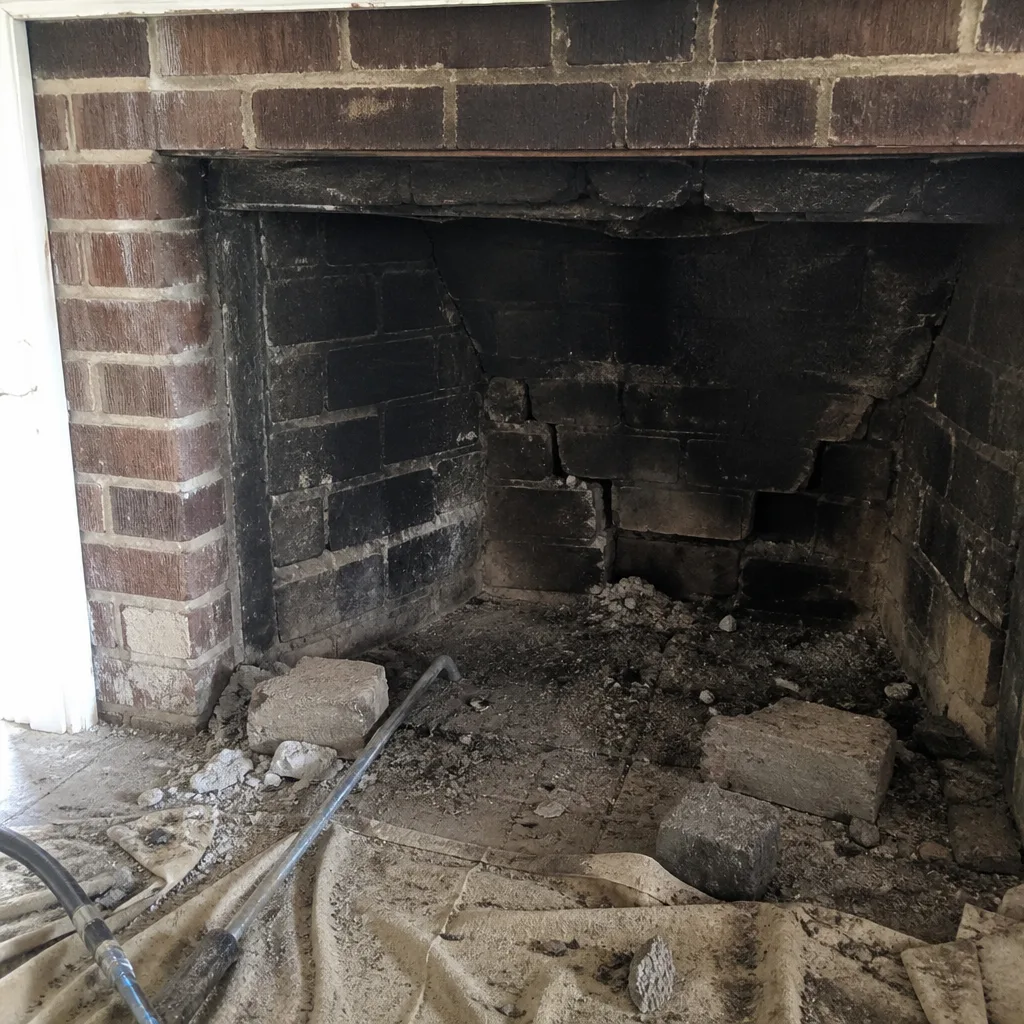 Before
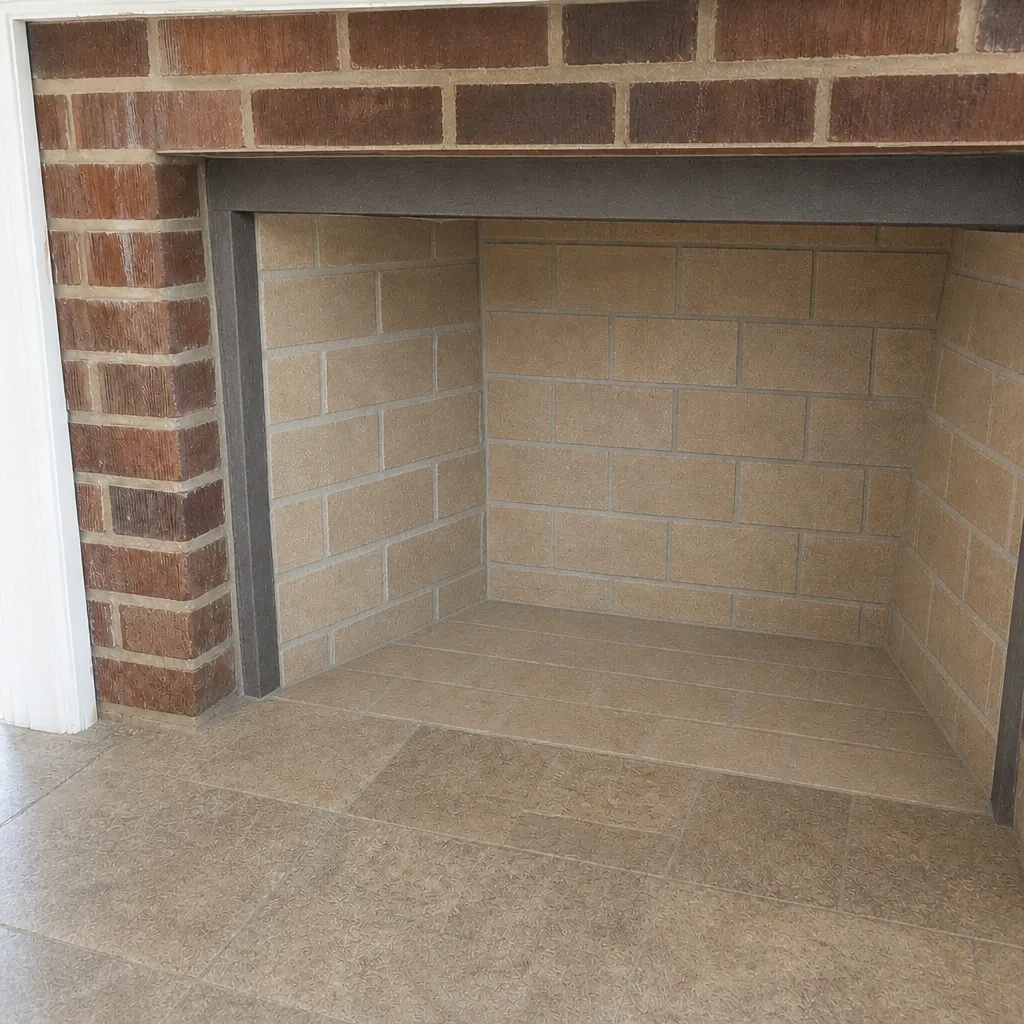 After
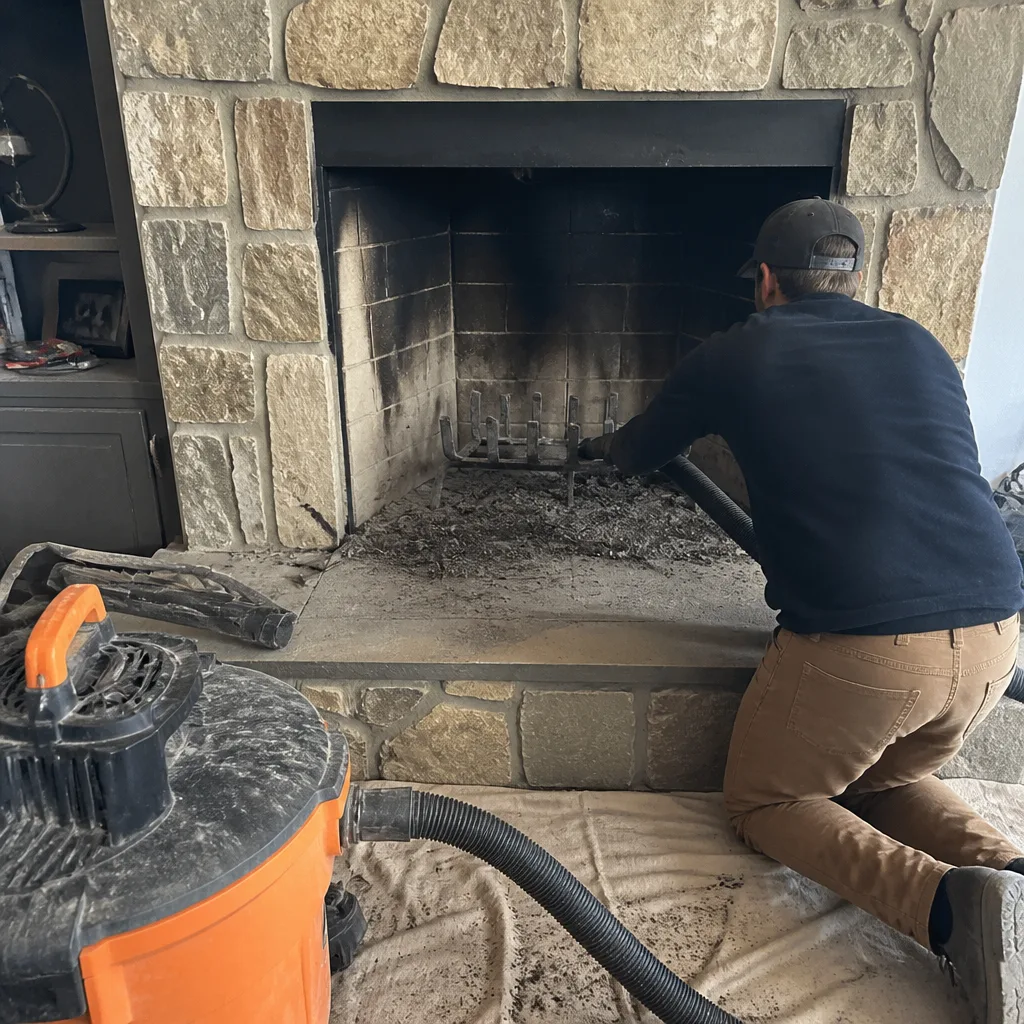 Before
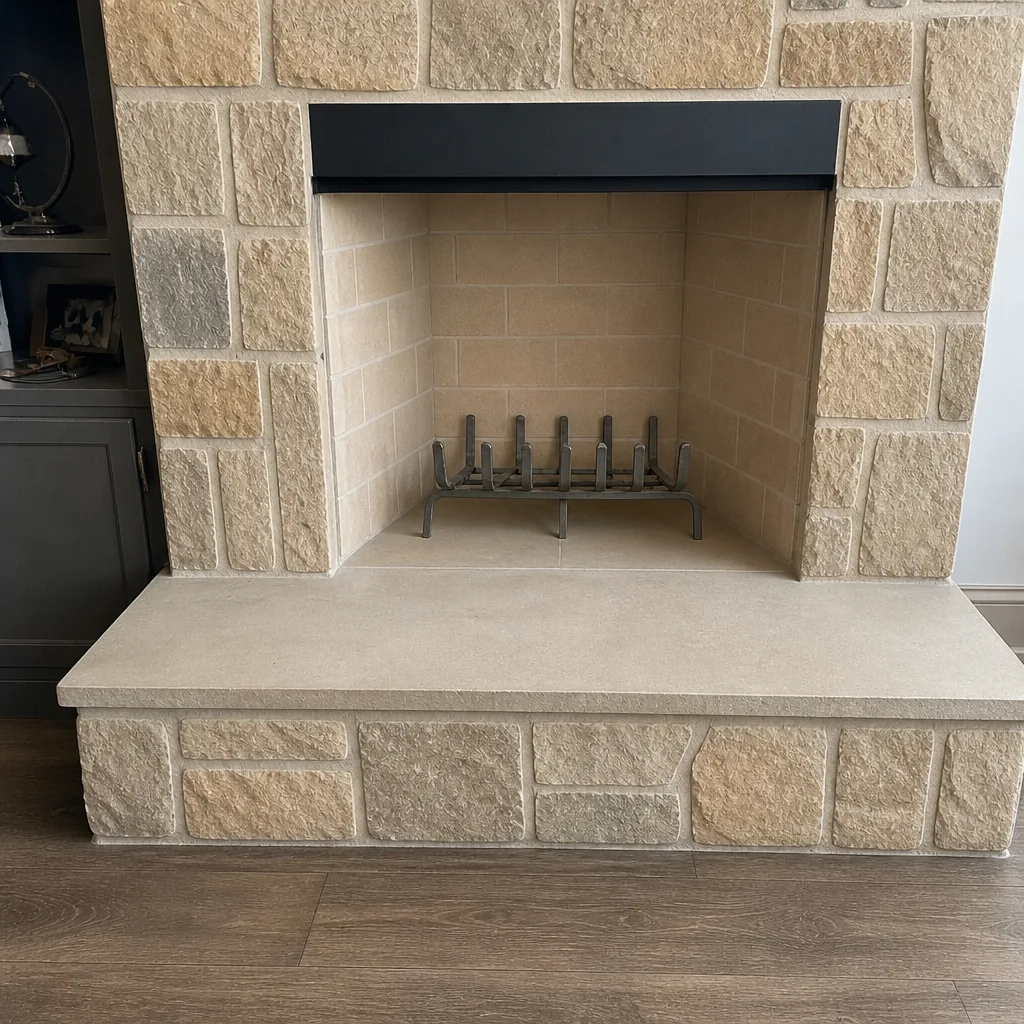 After
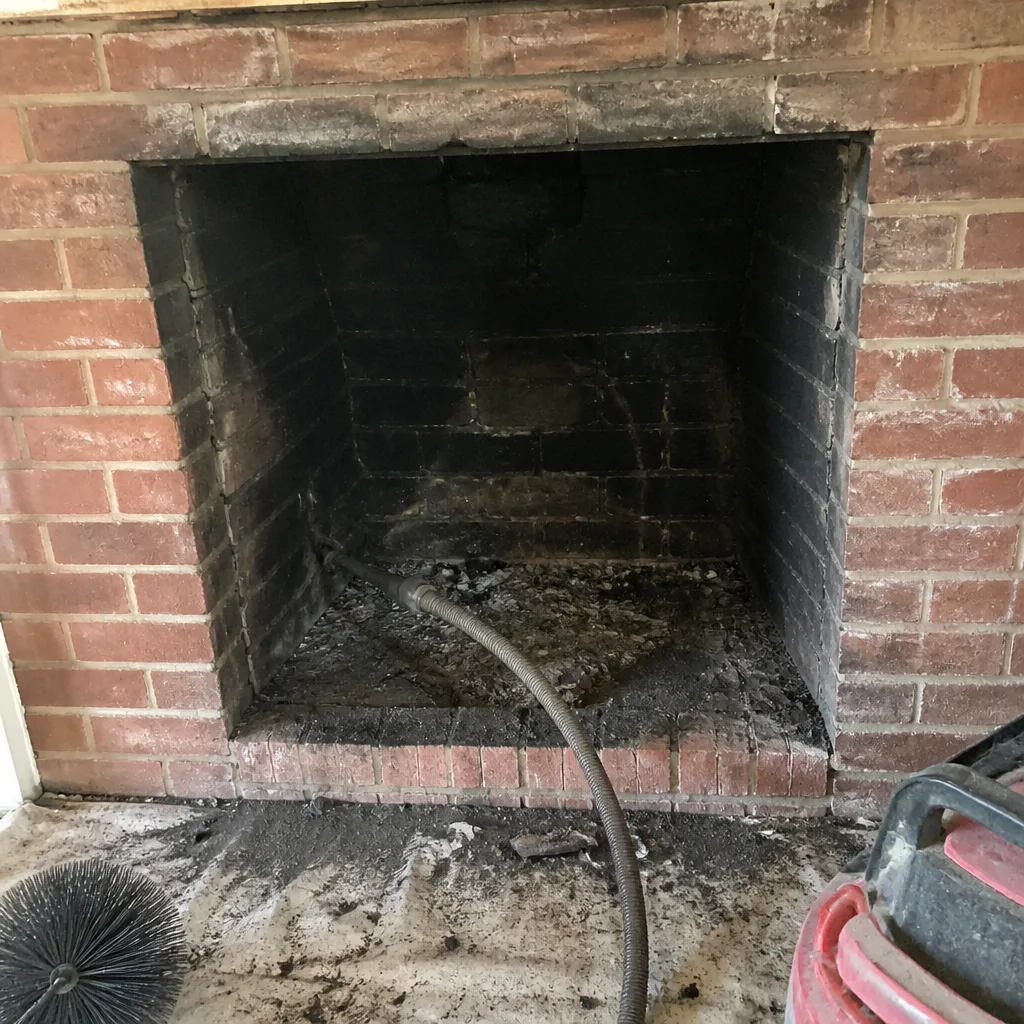 Before
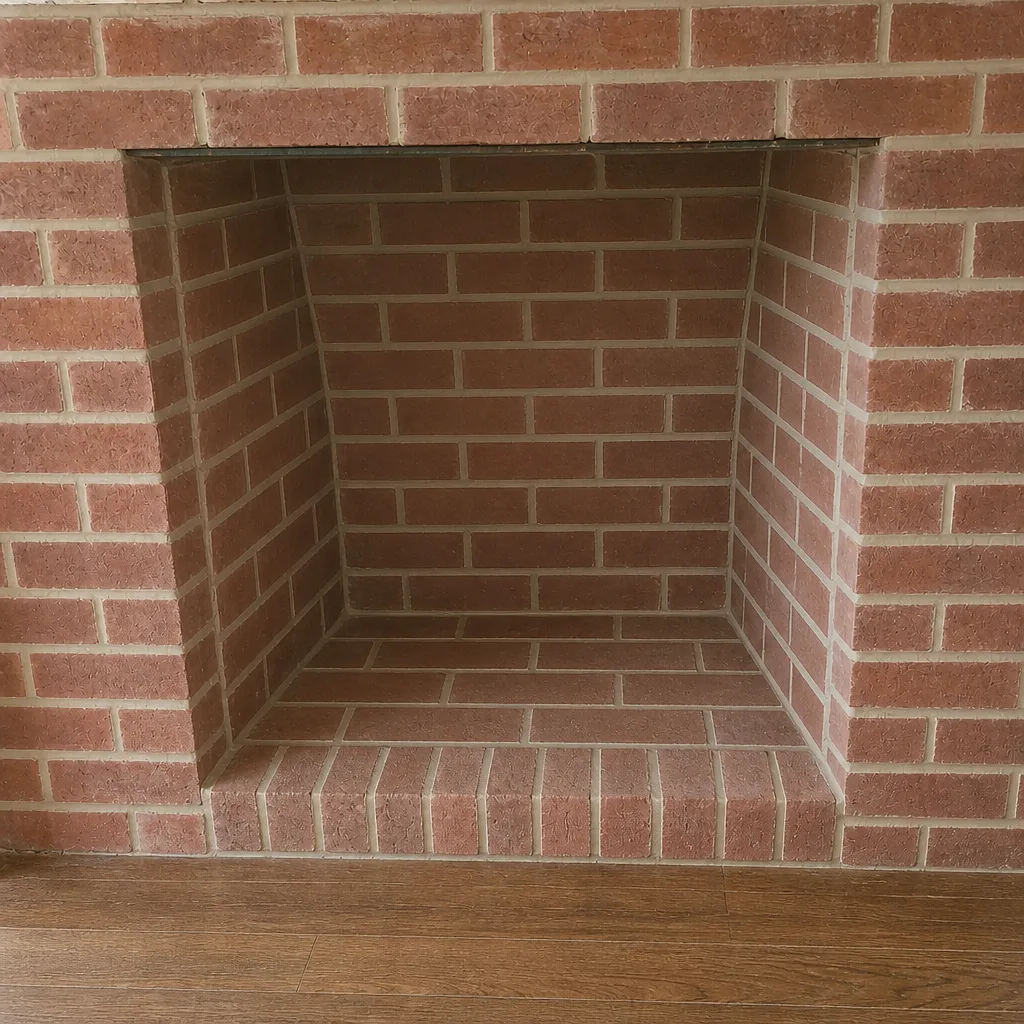 After
When to Call a Professional
Call a professional when you’re due for an annual sweep, when you’ve moved into an older home in Clarksville and don’t know the chimney’s history, or when your last inspection found a condition that needs follow-up. Call when you’ve had a chimney fire, even a small one, because the flue needs to be inspected for damage. Call when the crown is visibly cracked or the masonry is spalling. Call when you smell creosote in the house on warm days, which can indicate a buildup that needs professional attention. Call when a gas appliance is venting through a chimney that has never been checked for the right liner. And call when you’re tired of not knowing which contractor can actually fix what they find. Chimney Sweep Clarksville offers free estimates in Clarksville – call (866) 942-9931.
Frequently Asked Questions
A standard chimney sweep in Clarksville is typically priced per job, and the estimate is free. The exact cost depends on the condition of the flue, the level of creosote, and any additional services that come up during inspection. Call (866) 942-9931 for an exact quote. Estimates are free.
Not always. A new liner is needed when the flue is unlined, when tiles are cracked through, or when the chimney has been converted for a different appliance. When the tiles are structurally sound but the surface or joints are failing, HeatShield ceramic resurfacing can often restore the flue and cost less than a full reline. The recommendation should follow the camera evidence. Call (866) 942-9931 for an assessment.
Once a year is the standard recommendation for a wood-burning fireplace in regular use. A home that burns frequently through the colder months may need more frequent attention. A gas insert or an unused chimney may need less. The inspection determines the schedule. Call (866) 942-9931 to book an annual sweep.
Creosote builds up inside the flue with every fire. Over time it can reach a hardened or glazed stage that’s harder to remove and more flammable. A blocked or restricted flue can also affect how the chimney drafts. Skipping a sweep doesn’t cause an immediate problem, but the buildup compounds. A camera inspection shows exactly where things stand. Call (866) 942-9931 to schedule yours.
It matters because a repair with the wrong materials fails sooner. A crown coating with low flexibility cracks in the freeze-thaw cycle. A vapor-trapping water repellent holds moisture in. A liner or resurfacing product that wasn’t engineered for the flue condition doesn’t restore the flue correctly. Companies that work with professional trade brands (DuraFlex, HeatShield, Gelco, Olympia Chimney, Famco, Copperfield) are sourcing from the chimney trade, not from a general building supply. That’s a signal of how they approach the job. Call (866) 942-9931 to ask what we carry.
Usually not. A sweep-only company cleans the flue but doesn’t install liners, resurface flues, or carry the materials for structural repair. If the sweep reveals a problem, the homeowner then needs a second company to do the repair. A full-service chimney company handles both in the same relationship, which means one estimate, one inspection, and one company that already knows the system. Call (866) 942-9931 to get a service that covers both.
The Bottom Line
The product line a chimney company carries tells you what kind of job they’re actually doing. A sweep with professional materials can clean, inspect, resurface, repair a crown, and install a liner when needed. A sweep with a brush and a vacuum can only do the first. In Clarksville, where freeze-thaw cycles work on masonry and older chimneys need careful assessment, the difference shows up in how long a repair lasts. Ask the three questions. Name the brands. Then book the company that answers without hesitating. Our technicians have up to 10 years of experience, and we carry the full professional range. Chimney Sweep Clarksville can handle the sweep, the repair, and the dryer vent under one relationship.
Call (866) 942-9931 for a free estimate. We answer 24/7. Fast dispatch from 7am to 7pm, Sunday through Friday.
Written by the team at Chimney Sweep Clarksville.