
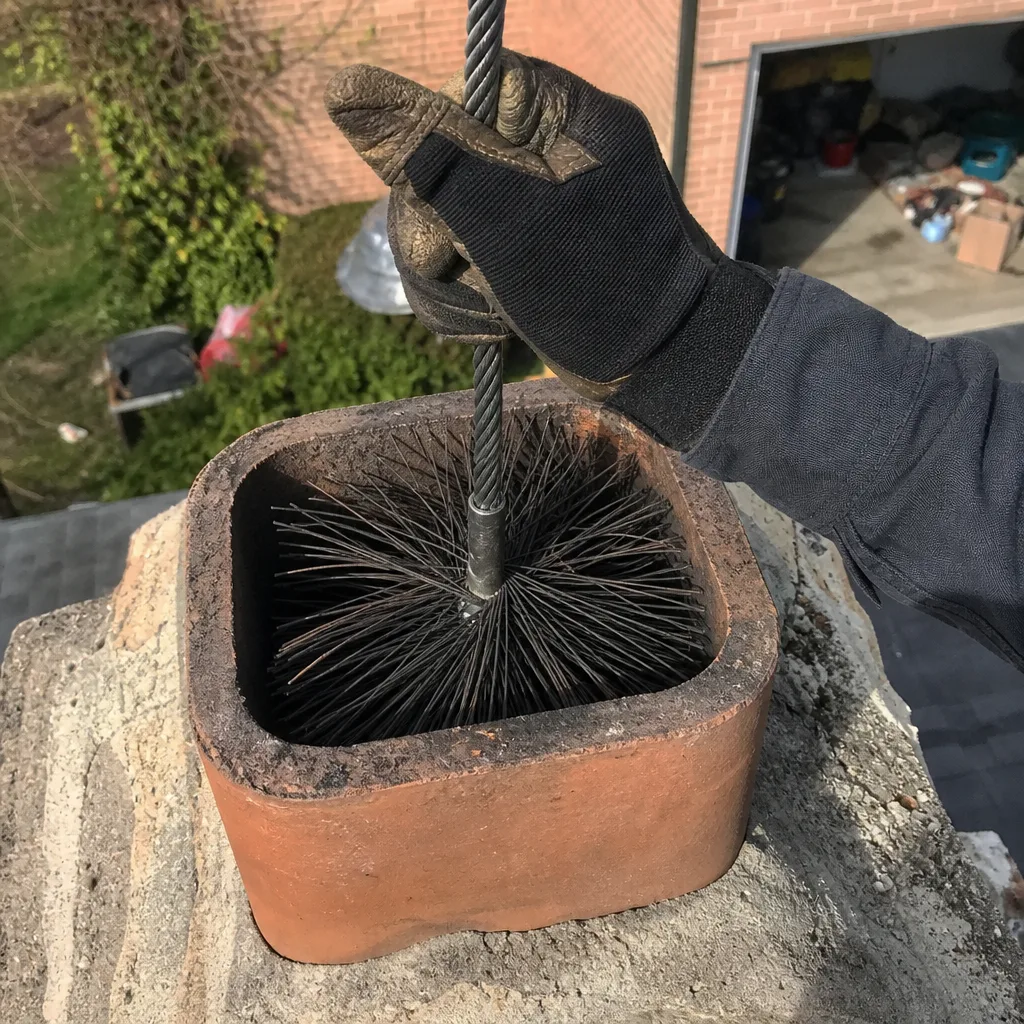
Last updated November 15, 2026
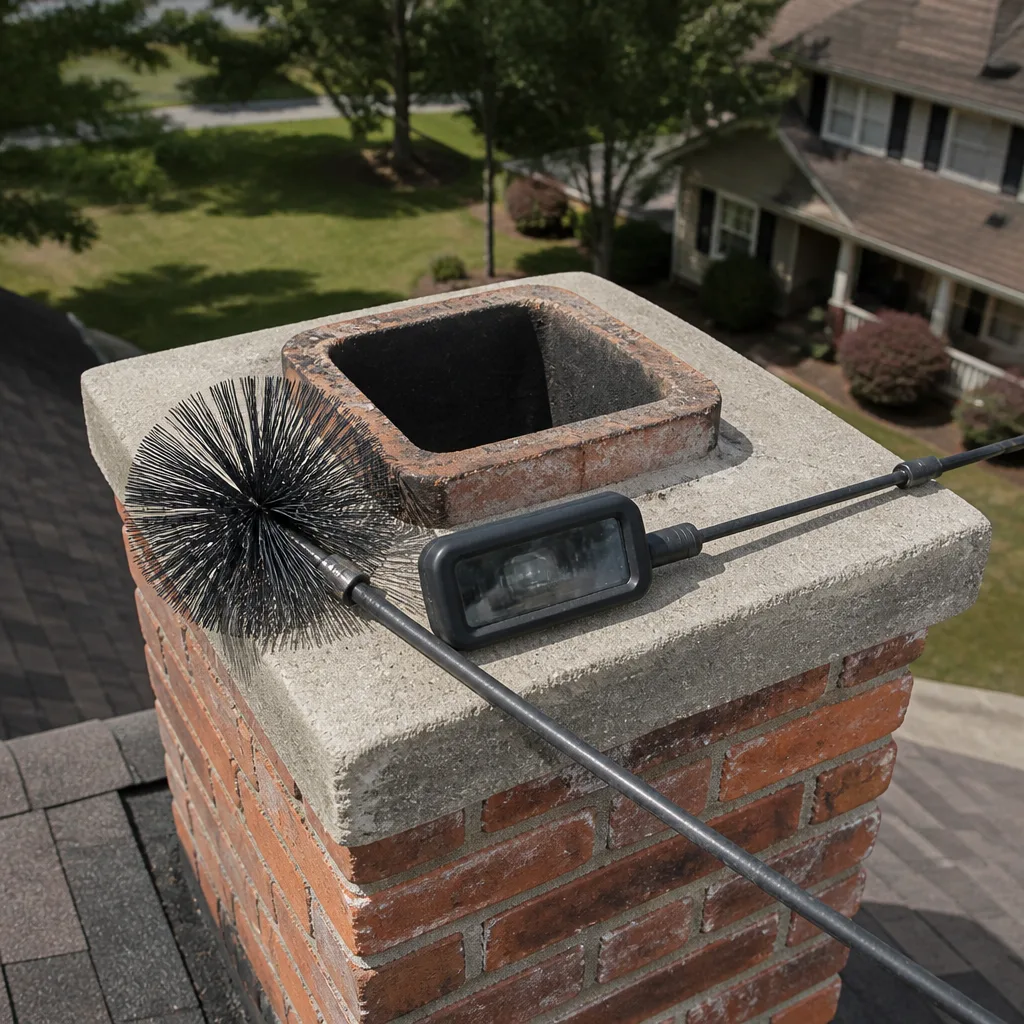 Sweep & inspection
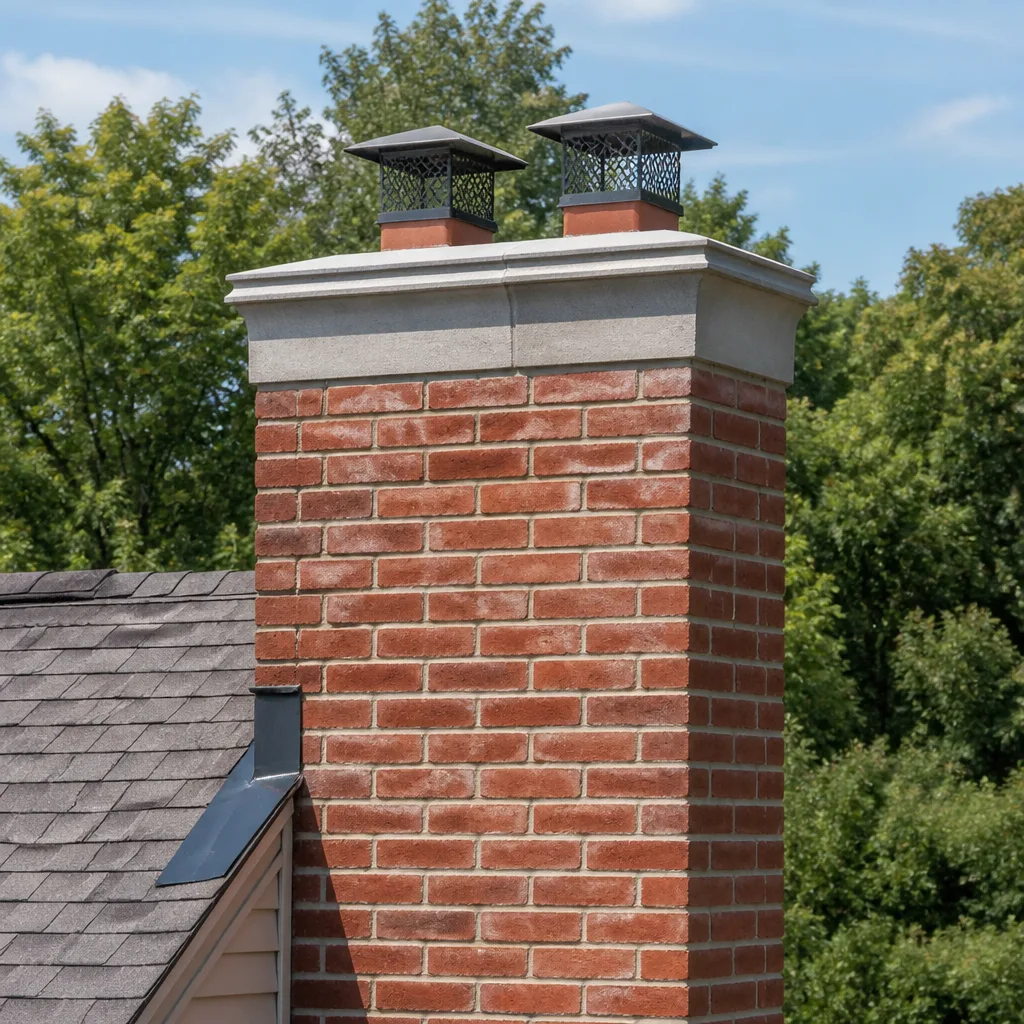 Caps & crowns
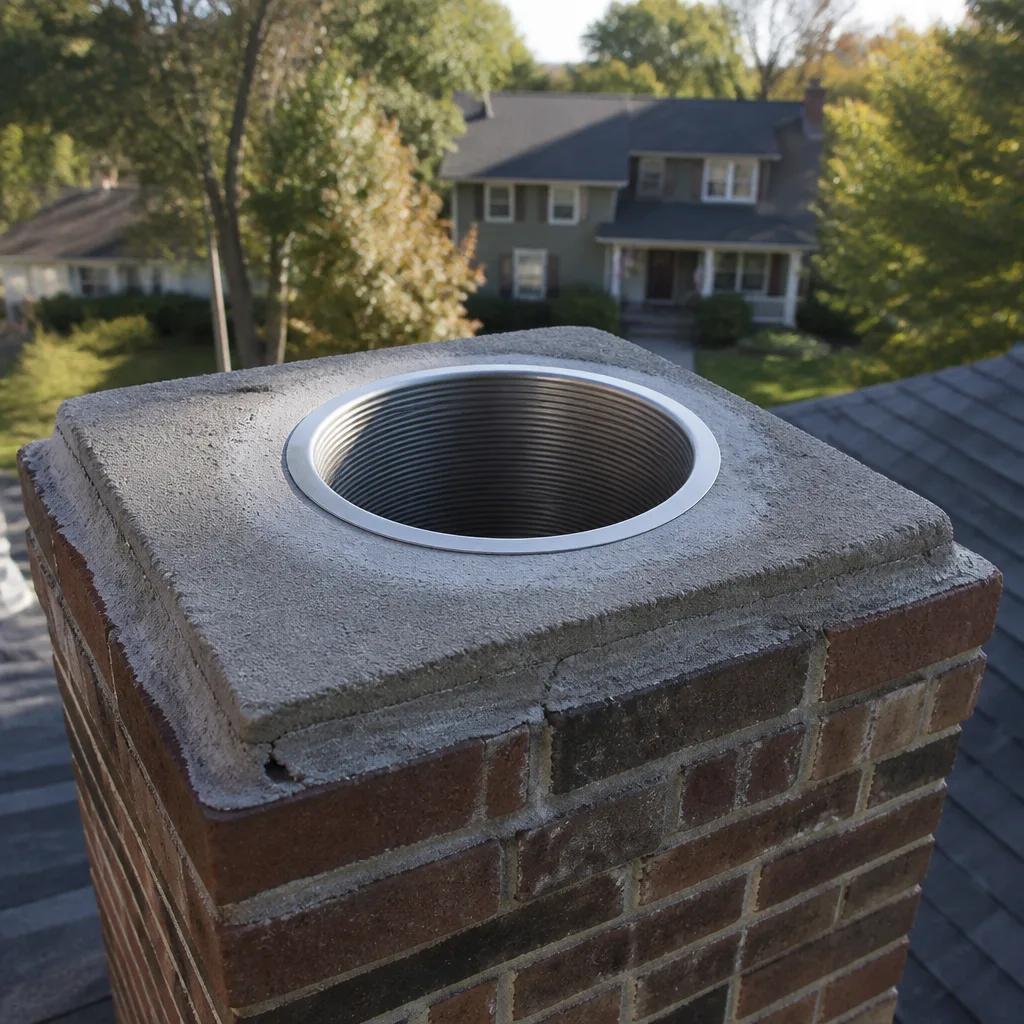 Flue relining
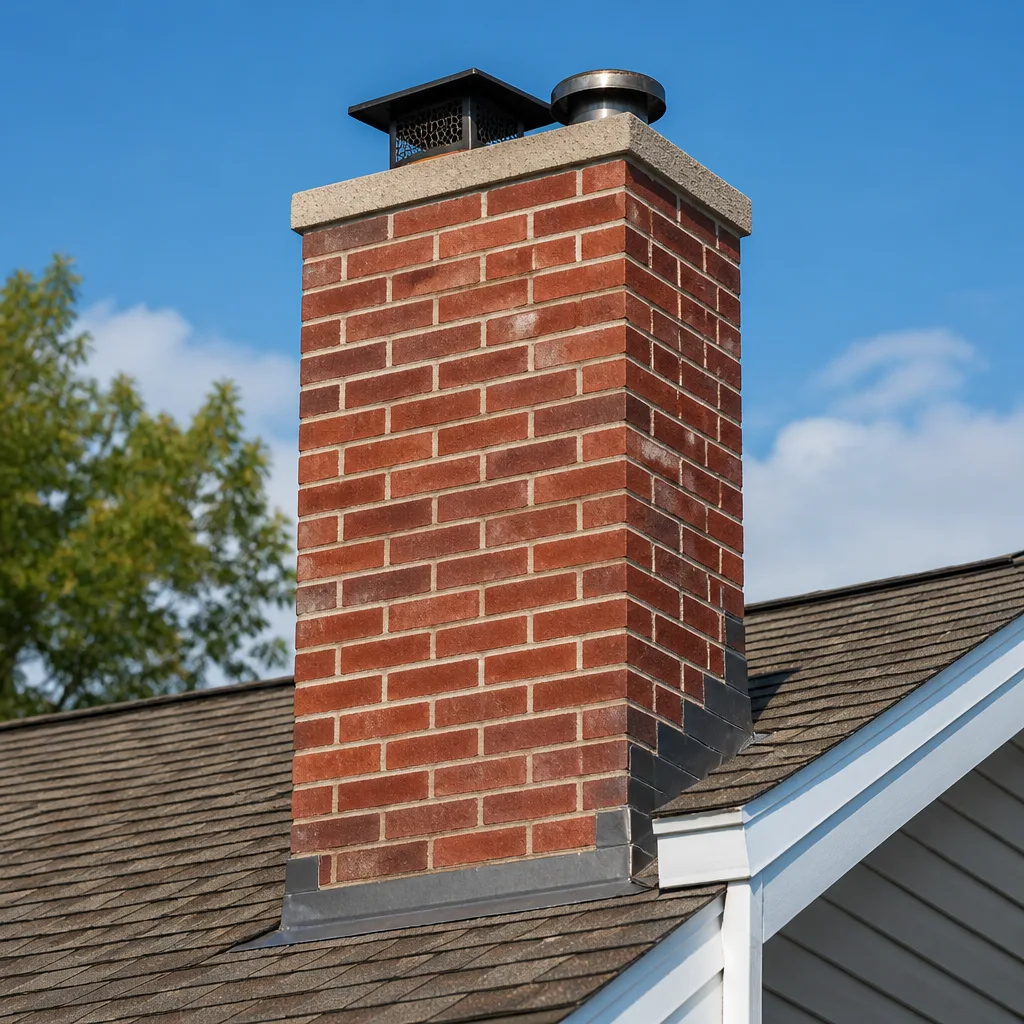 Masonry repair
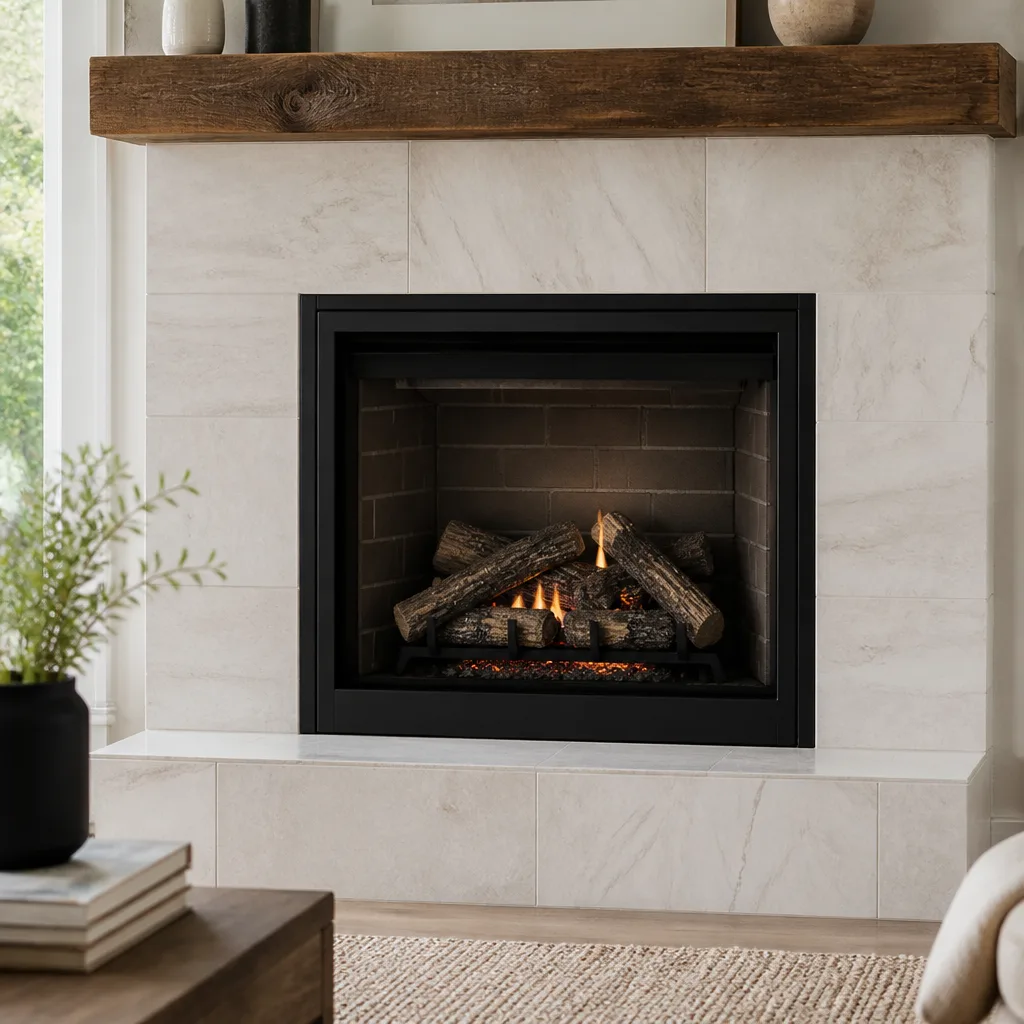 Gas fireplace service
Level 1 sweep and inspection to the NFPA 211 annual standard - flue, crown, cap, and flashing checked and photographed
Chimney sweep logs do not sweep chimneys. They loosen some creosote - which then falls where a brush and vacuum still have to collect it.
Chimney Cleaning Emergency Preparedness Guide for Clarksville Homes
During an active chimney fire, the instinct to douse the flames with water is exactly wrong. Thermal shock to a hot flue can crack the liner and give the fire a path into the wall cavity faster than the original burn would have. Most Clarksville homeowners have a smoke detector on the ceiling and an extinguisher under the sink, but no plan at all for the two chimney emergencies that actually happen: a fire inside the flue and a carbon monoxide event from a blocked or broken chimney. This guide fills that gap with specific protocols, not general fire safety talk. You’ll learn what to do in the first minute of a chimney fire, how to tell a CO alarm from a draft problem, and what a Clarksville home needs before the first cold night.
Quick Answer
If you suspect a chimney fire, call 911 first, close the firebox door and the damper, and get everyone outside. Never pour water down a hot flue. Even if the fire goes out on its own, have the chimney inspected by a professional before you light another fire, because a chimney fire can crack tiles and open gaps that only an inspection will find. For carbon monoxide, treat any alarm as real: leave the house, call the gas utility or 911, and don’t re-enter until the source is found and the chimney checked.
Styles & brands we work with
- Sweep & inspection
- Caps & crowns
- Flue relining
- Masonry repair
- Gas fireplace service
Table of Contents
- The First 60 Seconds of a Chimney Fire
- Why Water Makes a Chimney Fire Worse
- The Post-Fire Inspection: Why You Can’t Skip It
- Carbon Monoxide: Alarm Event vs. Draft Failure
- Animal Intrusion: A CO Risk, Not Just a Nuisance
- Pre-Season Emergency Preparedness Checklist
- What Happens When You Call
The First 60 Seconds of a Chimney Fire
A chimney fire is loud, and that’s a gift. Most homeowners describe a low roaring sound, a vibration in the flue, and sometimes pieces of flaming creosote dropping onto the roof or out of the top of the chimney. Those are all signs the fire is burning inside the flue itself, not just in the firebox. The clock in your head should start the second you notice one of them. Here’s the sequence that keeps a bad night from becoming a disaster.
- Call 911. Do this first, before you touch anything. A chimney fire can move into the framing of a Clarksville home faster than most people expect, and the fire department would rather arrive to a contained fire than a wall that’s already smoking.
- Get everyone outside. Pets included. A house fire doubles in size roughly every minute, and a chimney fire with a cracked liner can do the same inside a wall.
- Close the firebox door and the damper. If you can do it safely on your way out, shut the glass doors and close the damper. Starving the fire of oxygen slows it and cuts the draft pulling flames up the flue.
- Don’t open the firebox to look. Every time you open that door, you feed the fire a fresh rush of oxygen and risk a flare-up.
- Stay out until the fire department clears the house. Even after the fire is out, a smoldering creosote deposit can reignite hours later.
If you have a chimney fire suppressant on hand, and only if you can safely reach the firebox, tossing one into the fire is a reasonable step. But it never replaces calling 911, and it never replaces the inspection that comes afterward. Getting out and letting the professionals handle the rest is the plan that works.
Why Water Makes a Chimney Fire Worse
The most dangerous instinct in a chimney fire is the most natural one: grab a bucket or a garden hose and put it out. We understand the urge, but here’s what happens to a flue that’s been running at fire temperatures and then gets hit with cold water.
Chimney liners, whether clay tile or a modern flexible liner, expand when they’re hot. A sudden blast of cold water contracts the material almost instantly. That thermal shock is enough to crack clay tiles, pop mortar joints, and open gaps between flue sections. Once a liner has a crack, the fire has a direct path into the wood framing of the house. In other words, the water can cause the structural damage the fire was going to cause anyway, sometimes faster.
A fire extinguisher aimed at a chimney fire from the firebox has the same effect, and so does the classic internet suggestion to “close the damper and starve it.” Starving it helps only after you’ve called 911, and only as a containment step. It is never a substitute for evacuating.
What we’ve seen after chimney fires in Clarksville is telling: the homes that came through with the least damage were the ones where the residents got out, called for help, and then had the chimney evaluated by a professional before lighting another fire. The homes with the most damage were the ones where someone went at the fire with a hose first. Professional-grade materials, not off-the-shelf fixes, is the whole reason a proper liner holds up to the heat of a real fire. Water is the fastest way to undo that.
The Post-Fire Inspection: Why You Can’t Skip It
Here’s the part that surprises a lot of homeowners: a chimney fire that goes out on its own is still a chimney fire. The flames can burn out and leave behind cracks, warped dampers, and gaps in the liner that are completely invisible from the living room. NFPA 211 calls for a Level 2 inspection after any chimney fire before the system is used again. That’s not a suggestion from us; it’s the standard the professional trade works to.
A Level 2 inspection means a camera is run through the flue so the technician can actually see the inside. What it looks for:
- Cracked or displaced clay tiles from thermal shock
- Gaps in mortar joints where creosote can collect and grow
- Warped or damaged dampers
- A liner that has been pushed off its joints or parged in a way the fire broke loose
- Creosote deposits that survived the fire and re-hardened into a glaze
If the inspection finds damage, you don’t need a second contractor. Chimney Sweep Clarksville handles the inspection and the repair under one relationship, which matters when you’ve just had a fire and the last thing you want is to coordinate two companies. On a Clarksville system, repairs often land in one of two places: HeatShield ceramic resurfacing, which smooths and reseals a deteriorating flue so the tiles don’t have to be torn out, or a DuraFlex flexible liner if the flue is unlined or beyond resurfacing. Both are repair-tier solutions, and both exist so a chimney fire doesn’t automatically mean a full rebuild.
Carbon Monoxide: Alarm Event vs. Draft Failure
Carbon monoxide from a chimney problem has two very different faces, and the difference matters for how you respond. One is a CO alarm going off. The other is a draft failure that hasn’t tripped the alarm yet. Homeowners who can tell these apart stay safe. Homeowners who can’t often dismiss the early warning signs as “just a smoky fireplace.”
The Alarm Event
If a carbon monoxide alarm sounds, the response is absolute. Get everyone and every pet out of the house, call 911 or your gas utility from outside, and do not re-enter until the fire department or utility clears the building. Don’t open windows and look around first; don’t wait to see if the alarm stops. A CO alarm going off means there’s enough carbon monoxide in the air to be dangerous, and the source could be the furnace, the water heater, the gas range, or the chimney.
The Draft Failure
The subtler scenario is a chimney that has lost its draft or has a partial blockage. There may be no alarm at all. What you might notice instead:
- Fireplace smoke that rolls into the room instead of going up
- A fireplace that’s hard to light or dies down without reason
- Sooty streaks on the wall above the firebox
- Headaches, dizziness, or nausea that start indoors and clear when you go outside
- A gas water heater or furnace that seems to run but the house stays cold
Those symptoms are a warning, not a verdict. A gas insert or a gas furnace tied to a blocked chimney can leak carbon monoxide into a Clarksville home with no visible smoke at all. If anything on that list sounds familiar, shut down the appliance, open a window, and get the chimney inspected before you run the system again. The Chimney Sweep Clarksville team has walked into a lot of homes where the only symptom was a headache everyone blamed on a long day. Don’t wait for the alarm.
Animal Intrusion: A CO Risk, Not Just a Nuisance
A bird or a raccoon in the chimney is an annoyance, and everyone knows it. What fewer homeowners realize is that the nest itself is a fire and carbon monoxide hazard. A flue packed with twigs, leaves, and whatever else a nesting animal drags in can block the draft and the exhaust path. The next fire you light doesn’t vent up and out; it backs up into the house.
Here’s the sequence that a lot of Clarksville chimneys go through, especially an older masonry chimney with an uncapped flue:
- A squirrel, raccoon, or chimney swift gets in through a missing or damaged cap.
- The animal builds a nest on the smoke shelf or in the flue.
- The nest blocks part of the flue. Draft drops. Smoke rolls into the room.
- If the flue is also attached to a gas appliance, carbon monoxide has a path indoors.
- Nesting material near a hot firebox can ignite.
Removing the animal is only half the job. The other half is the clean. Guano and nesting material have to come out entirely, the smoke shelf has to be swept, and the flue needs to be checked for damage before the next fire. A cap needs to go back on, or the whole cycle repeats. This is one of the reasons we offer dryer vent cleaning alongside chimney work: fire safety runs from the firebox to the dryer vent, and the same kind of blockage that causes one can cause the other. If you hear scratching in the chimney or see debris on the roof, treat it like a fire-safety problem, not a wildlife problem.
Pre-Season Emergency Preparedness Checklist
The best chimney emergency is the one that never happens. Clarksville gets its first real cold snap of the year without much warning, and the chimneys that fail that week are usually the ones nobody checked in October. This checklist is what we’d want every Clarksville home to run through before the first fire of the season.
Chimney Cap Condition
Go outside and look at the top of the chimney. The cap should be attached, unbroken, and sized to the flue. A missing or rusted-through cap is the single most common reason animals get in. If your cap is damaged, replace it before burning season starts. It’s one of the cheaper parts of chimney ownership and one of the most protective.
CO Detector Placement
You should have a carbon monoxide detector on every level of the home and outside every sleeping area. Check the sensor date on each unit. Sensors degrade, and an old detector can fail quietly. Replace any unit past its manufacturer’s service life, and test the rest.
Chimney Fire Suppressant Availability
A chimney fire suppressant is a reasonable thing to keep near the firebox. It does not replace calling 911, but it can knock down a fire in the first thirty seconds while you’re getting everyone out.
Draft and Smoke Test
Before the first real fire, light a small test fire with the damper open and watch the smoke. If it rolls into the room instead of going up, do not build a bigger fire. That’s a draft problem, and it’s a call-a-professional problem.
Dryer Vent Check
The same way a blocked chimney is a fire and CO risk, a blocked dryer vent is a fire risk. Lint buildup is one of the leading causes of residential house fires, and it’s easy to forget because the dryer keeps running. Schedule a dryer vent cleaning at the same time you book the chimney sweep and cover both hazards in one visit.
Annual Sweep
An annual sweep and inspection is the single most effective preparedness step. A sweep removes the creosote load, an inspection catches the liner, cap, and flue problems before they become emergencies.
What Happens When You Call
Call (866) 942-9931. We answer 24/7. Fast dispatch from 7am to 7pm, Sunday through Friday. If you’re calling after a chimney fire, we’ll want to know what you saw and heard, whether the fire department responded, and whether anything in the house has smoke odor or a draft problem. That’s the information an inspection is built around.
When a technician arrives, the first thing that happens is a visual review of the firebox, damper, smoke chamber, and exterior chimney. Then the flue gets swept and, if there’s any question about the liner or if there’s been a fire, a camera inspection is run so the inside of the chimney can be seen rather than guessed at. Our technicians have up to 10 years of experience, and the work is done with professional-grade materials, not shop-vac-and-a-brush equipment.
What we won’t do is tell you a liner has to be replaced without showing you why. A photo report comes out of every camera inspection, and you can see the crack, the gap, or the glaze for yourself before any repair work is discussed. There’s no pressure to fix something on the spot if the chimney can safely wait. What matters is that you know where you stand before the next fire.
Common Mistakes to Avoid
- Pouring water on a chimney fire. Thermal shock cracks the liner and opens a path into the wall. Call 911 and get out instead.
- Skipping the inspection because the fire went out. A self-extinguished chimney fire can still leave a cracked tile. NFPA 211 calls for a Level 2 inspection before the next use, and Clarksville homes with older masonry chimneys are the most likely to hide damage.
- Ignoring smoke that rolls into the room. That’s a draft failure, and on a gas appliance it can mean carbon monoxide is going the wrong way. It’s not a “just how this fireplace behaves” problem.
- Assuming a CO alarm that stays quiet means everything’s fine. A partial blockage or a cracked liner can leak carbon monoxide without ever tripping the detector, especially if the detector is old or poorly placed.
- Letting a bird or raccoon nest sit in the flue. The nest is a fire load and a CO risk. Removal without a sweep and a cap replacement just repeats the cycle next spring.
- Burning without a cap. An open flue is an open door for animals, rain, and debris. A missing cap is a cheap fix and a real hazard.
- Forgetting the dryer vent. Lint buildup is one of the leading causes of residential house fires, and it belongs on the same safety checklist as the chimney. If you’re in Charlotte or the surrounding area and haven’t had the vent cleaned, add it to the same visit.
See the difference
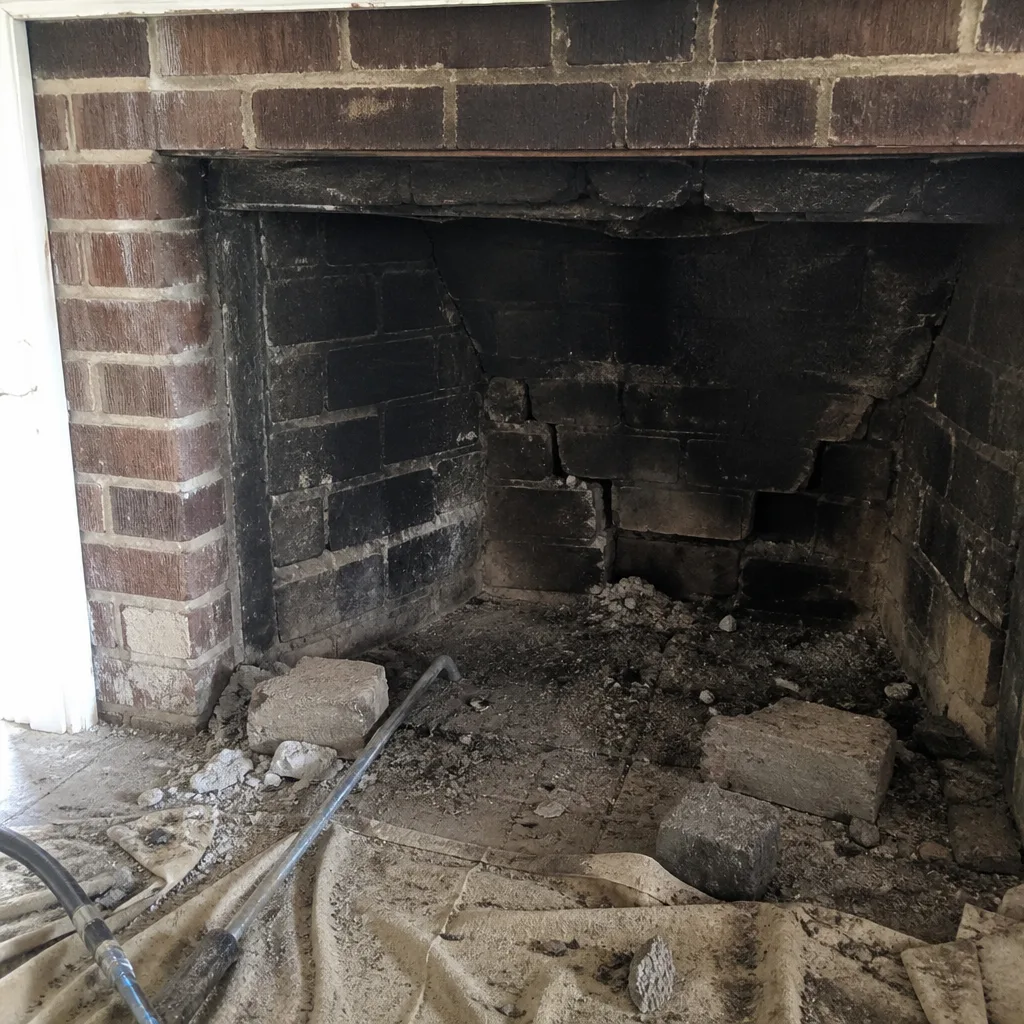 Before
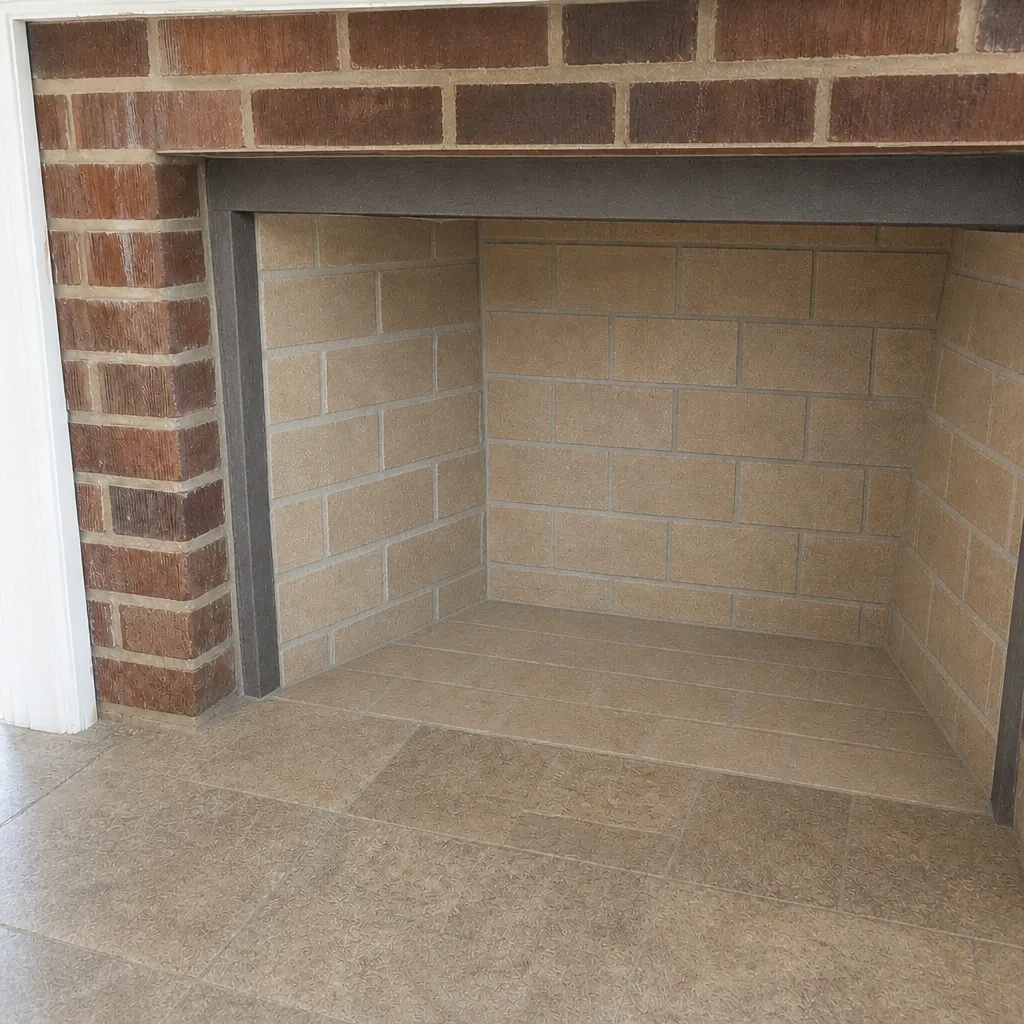 After
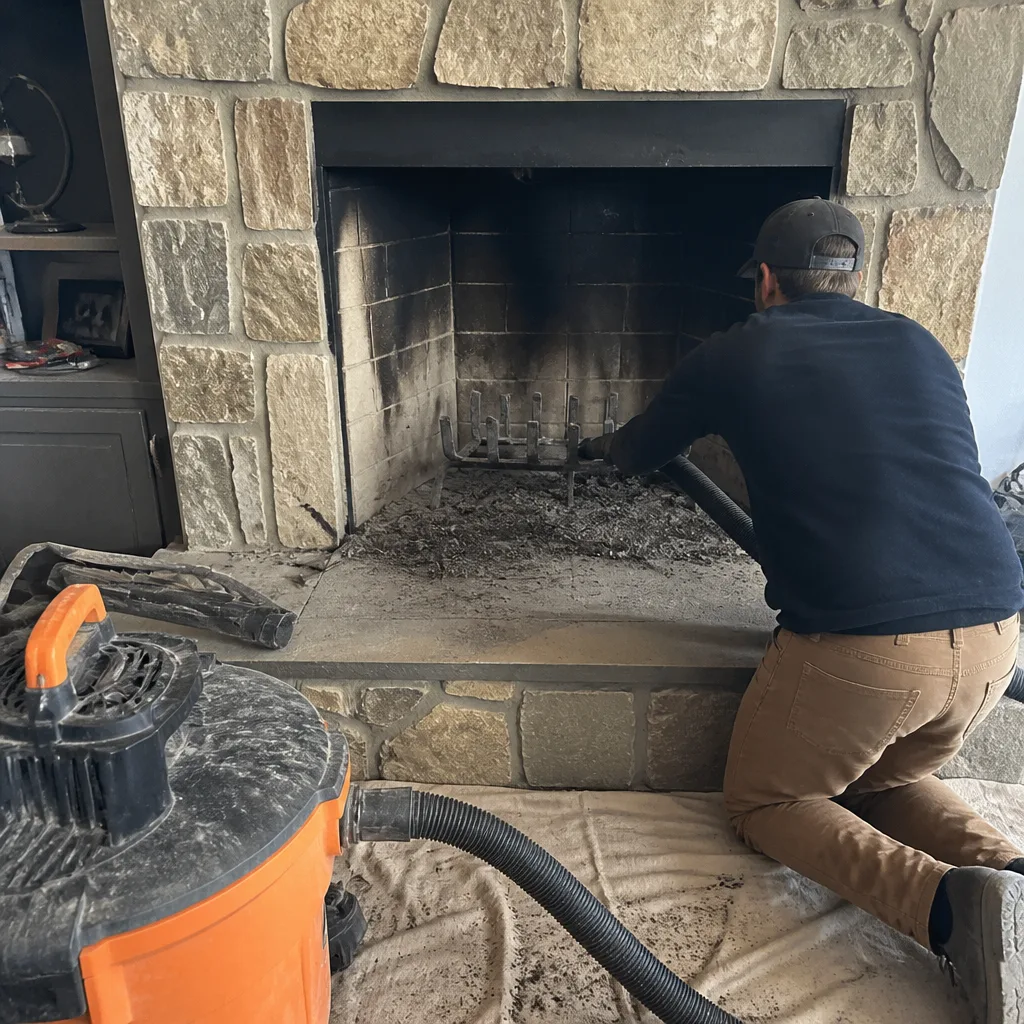 Before
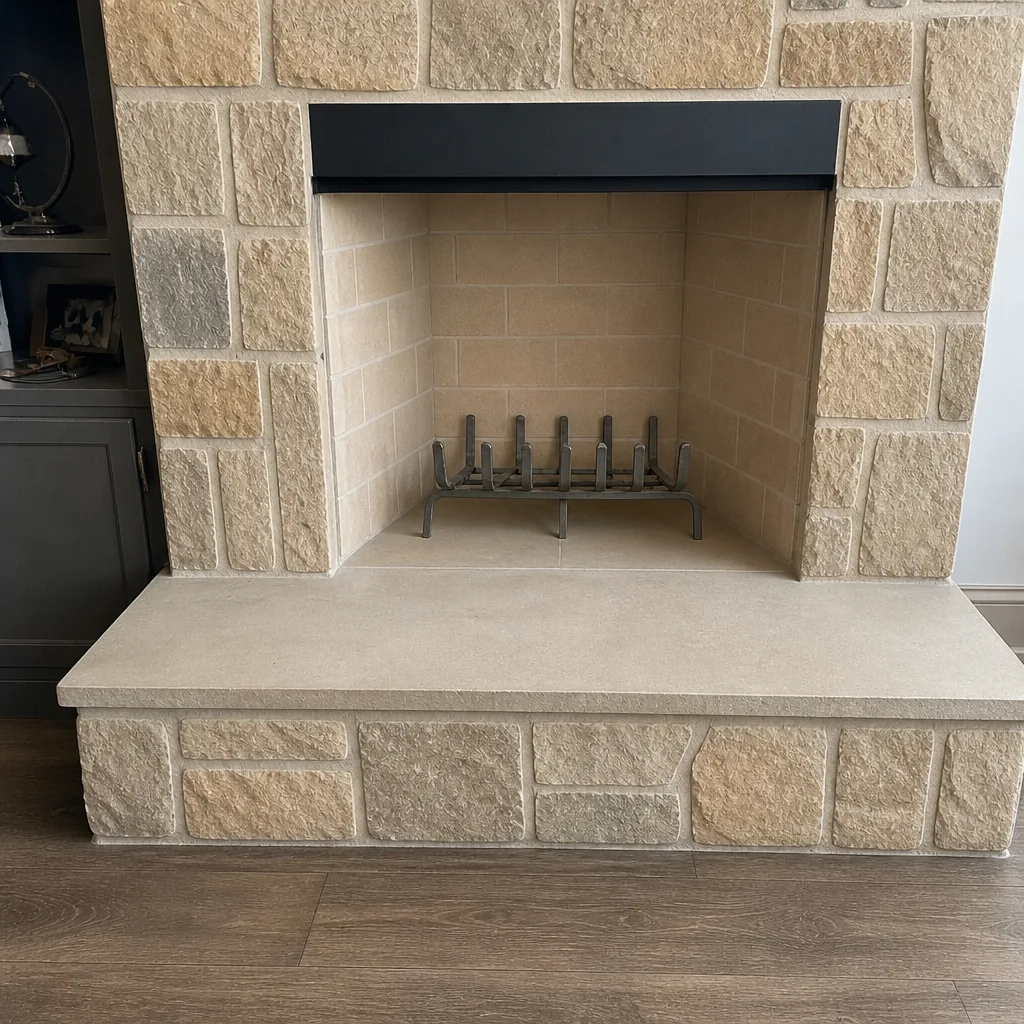 After
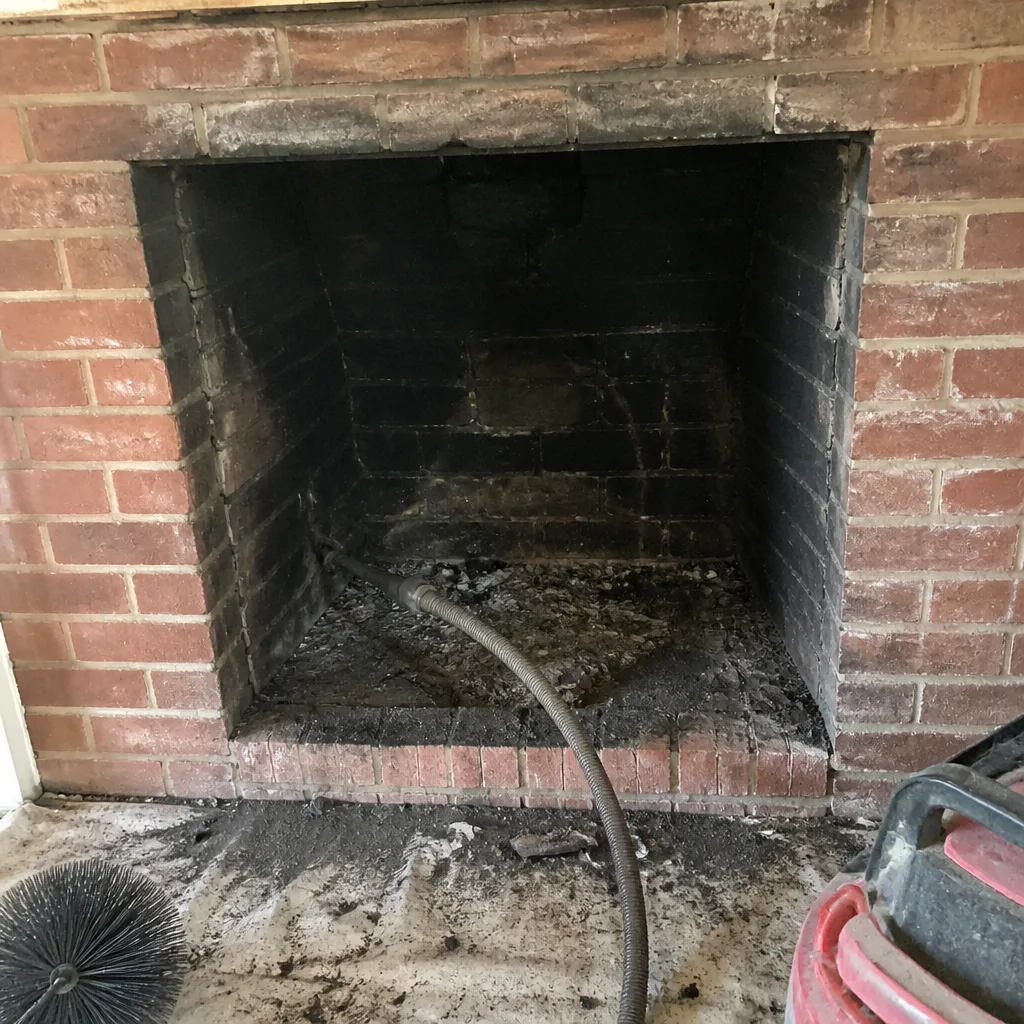 Before
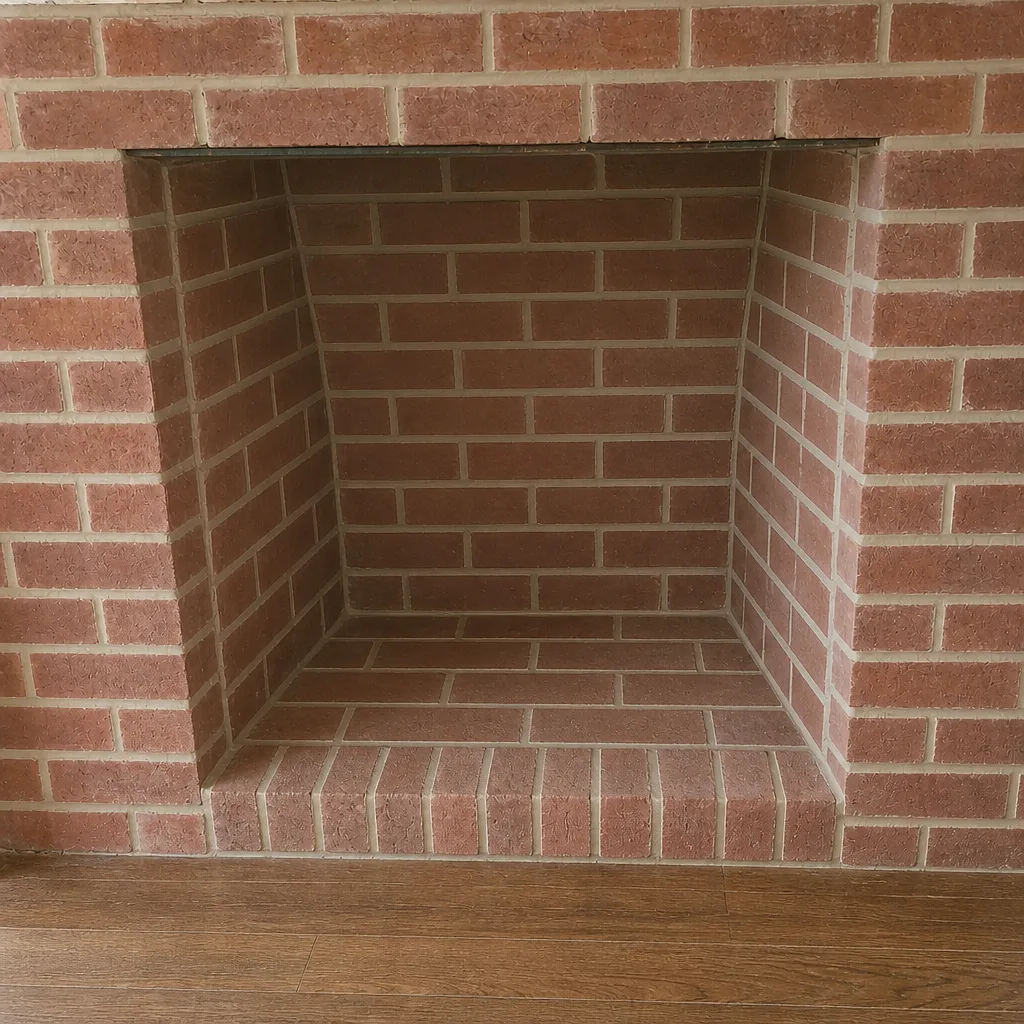 After
When to Call a Professional
Call for anything you can’t verify yourself. That’s the honest dividing line. If there’s been a chimney fire, even a small one, call for a Level 2 inspection before the next burn. If smoke rolls into the room, if you smell gas or exhaust indoors, if a CO alarm has gone off, or if you hear animals in the flue, those are professional calls. So is a chimney you’ve never had swept, an older home you’ve just bought, a liner you’re not sure is lined, and any firebox showing loose brick or cracked parging. A homeowner can check the cap and test the detectors. Everything past that belongs to a trained technician.
Chimney Sweep Clarksville offers free estimates in Clarksville. Call (866) 942-9931. We answer 24/7, with fast dispatch from 7am to 7pm, Sunday through Friday. We’ll show you what we find with a camera inspection and photo report, and we’ll tell you plainly when a chimney can safely wait.
Frequently Asked Questions
Call 911 first, then get everyone and every pet out of the house. Don’t pour water down the flue, don’t open the firebox door to look, and don’t try to fight it from inside. Once the fire department clears the house, book a Level 2 inspection before you light another fire, because a chimney fire can crack the liner and open a path into the wall. Call (866) 942-9931 for an exact quote on the inspection, and remember we answer 24/7.
Yes. A chimney fire that self-extinguishes can still leave cracked clay tiles, broken mortar joints, or a warped damper that you cannot see from the living room. NFPA 211 calls for a Level 2 inspection after any chimney fire before the system is used again. A camera inspection shows the damage directly, and skipping the inspection means burning into a flue you can’t see. Call (866) 942-9931 to schedule one; estimates are free.
A CO alarm event means carbon monoxide has already reached a dangerous level indoors. Get out, call 911 or the gas utility, and don’t re-enter until cleared. A draft failure is subtler: smoke rolling into the room, a fireplace that won’t stay lit, sooty streaks, headaches that clear when you go outside. Draft failure can leak CO without tripping a detector, especially a poorly placed or aging one. If the symptoms sound familiar, shut the appliance down and call (866) 942-9931 for an inspection.
Once a year for most homes that burn wood regularly, and more often if you burn a lot of green or unseasoned wood, which loads creosote faster. Annual sweeping is also the annual inspection, which is where cap, liner, and flue problems get caught before they turn into emergencies. If it’s been more than a year, or you can’t remember the last sweep, call (866) 942-9931 and book it before the first cold snap.
Chimney Sweep Clarksville sets the price per job with a written estimate, so the number we give you is the number you pay, and the estimate is free. The estimate reflects your chimney’s condition, whether a camera inspection is needed, and whether you’re adding dryer vent work on the same visit. We don’t quote from a phone-book list; we look at the chimney. Call (866) 942-9931 for an exact quote.
Yes, more than most people realize. A nest blocks the flue, which drops the draft and can back carbon monoxide into the house, and nesting material near a hot firebox is a fire load. Removing the animal is only half the job; the flue needs to be swept and checked for damage, and a proper cap needs to go back on. If you hear scratching or see debris on the roof, call (866) 942-9931.
The Bottom Line
Chimney emergencies in Clarksville are almost always preventable, and the plan for them is short. Call 911 for an active chimney fire and never pour water down a hot flue. Treat a CO alarm as real and evacuate. Get a Level 2 inspection after any chimney fire, even a small one. Treat animal intrusion as a fire and carbon monoxide problem, not a wildlife problem. Keep the cap in good shape, test your detectors, and sweep once a year, because the annual sweep is where preparedness actually starts. For a chimney sweep, a dryer vent cleaning, or a full assessment on a home you’ve just bought, call (866) 942-9931. We answer 24/7, we work with professional-grade materials, and we’ll show you the camera footage before we recommend anything.
Related Reading
Written by the team at Chimney Sweep Clarksville.