
Last updated November 15, 2026
 Sweep & inspection
 Caps & crowns
 Flue relining
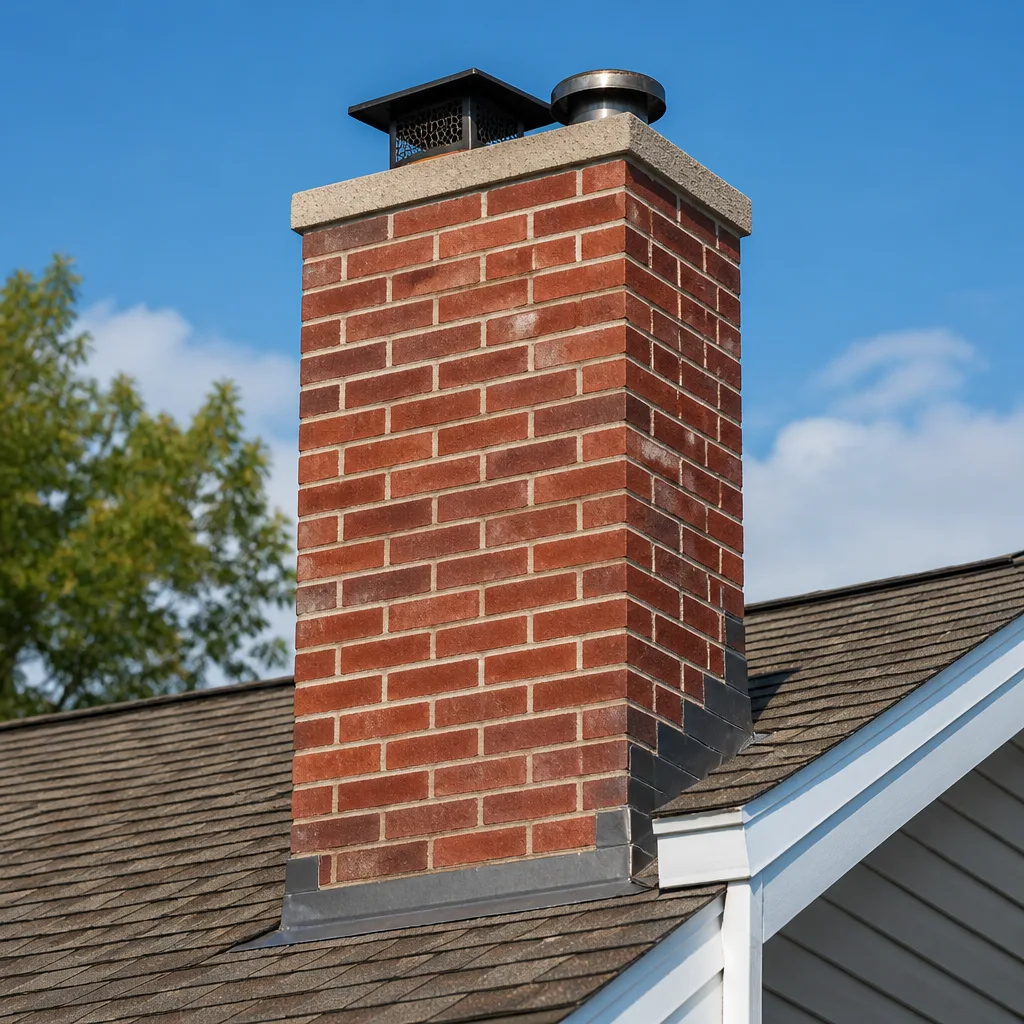 Masonry repair
 Gas fireplace service
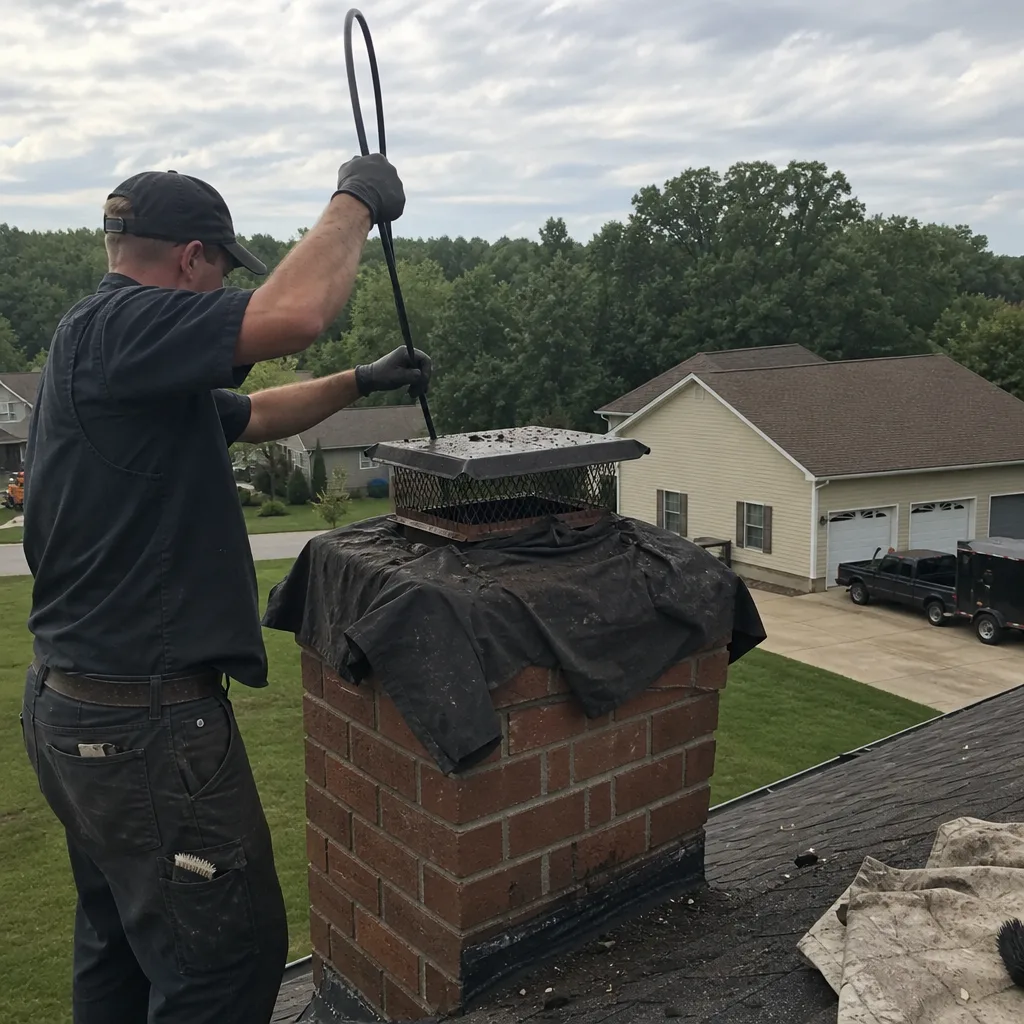
Level 1 sweep and inspection to the NFPA 211 annual standard - flue, crown, cap, and flashing checked and photographed
Chimney sweep logs do not sweep chimneys. They loosen some creosote - which then falls where a brush and vacuum still have to collect it.
Chimney Sweep Troubleshooting in Clarksville: Common Problems and How to Fix Them
If smoke is pushing back into your living room, the instinct is to open the damper wider. It seems logical – more air out, less smoke in. But here’s what most homeowners don’t realize: a fully open damper on a creosote-restricted flue makes backdraft worse, not better. The extra opening changes pressure inside the firebox without clearing what’s blocking the flue above it, so the smoke finds the path of least resistance – into your room. This guide walks through the specific chimney problems Clarksville homeowners actually face, how to tell them apart, and which ones mean stop using the fireplace tonight versus which ones a single professional cleaning solves. You’ll learn to read your symptoms before you call anyone.
Quick Answer
Smoke coming into the house almost always traces back to one of four conditions: a blocked or restricted flue, a damper that’s closed, warped, or broken, negative air pressure inside a tightly sealed home, or a flue that’s undersized for the fireplace opening. Creosote buildup, cracked flue tiles, and animal nests all fall under the blocked-flue category. The fix depends entirely on which one you have, and guessing wrong means paying for work that doesn’t solve the problem. A professional inspection with a camera tells you which condition you’re dealing with in under an hour.
Styles & brands we work with
- Sweep & inspection
- Caps & crowns
- Flue relining
- Masonry repair
- Gas fireplace service
Table of Contents
- What Do Your Symptoms Actually Mean?
- The Four Things That Look the Same From Your Living Room
- Creosote Stages: When Cleaning Works and When It Doesn’t
- Damper Problems: Closed, Warped, and Broken
- Negative Air Pressure in Tight Clarksville Homes
- Why Hardware Store Brushes Don’t Fit Older Flues
- When to Stop Using the Fireplace Immediately
- What a Real Inspection Involves
What Do Your Symptoms Actually Mean?
Chimney problems announce themselves in a handful of ways, and each symptom narrows the diagnosis. Before anyone touches a brush, the symptom pattern tells you a lot about where to look.
Smoke rolling back into the room. This is the most common complaint we hear in Clarksville. It can mean a blocked flue, a damper that isn’t fully open, a flue that’s too small for the firebox opening, or negative pressure pulling air down the chimney. The way to narrow it: does it happen only on certain windy days? Only when the furnace or bathroom fan runs? Only when the fire is just starting? Each answer points somewhere different.
Slow draw or a lazy fire. A fire that struggles to catch, smolders, or produces visible smoke at the top of the firebox has a draft problem. Again, blockage and undersizing both cause this. So does a flue that runs too far horizontally before it turns vertical, which is common in older homes with interior chimneys built around a central masonry core.
Odor without a fire. A strong smoky smell when the fireplace is cold usually means creosote is present in the flue and the house is pulling air down the chimney. It’s also a sign of animals or debris. In Clarksville’s humid summers, a damp flue will produce a musty smell that’s different from creosote – one is a cleaning issue, the other is often a moisture and venting issue.
Staining on the masonry or ceiling. Water stains, white chalky deposits, or dark streaks mean moisture is getting in through the crown, flashing, or masonry itself. That’s a repair problem, not a sweep problem, though the two often overlap.
Visible cracks in the firebox or flue tiles. This is a stop-and-look situation. Cracks in the firebox masonry or flue liner allow heat and gases to reach the structure around the chimney. Call before the next fire.
The Four Things That Look the Same From Your Living Room
Smoke in the room, a weak fire, and a smoky smell all look identical from the sofa. Here’s what’s actually different underneath, and how each one gets fixed.
1. A Blocked Flue
The flue is a pipe. Anything inside it restricts flow. That includes soot and creosote glaze, fallen flue tiles, bird nests, squirrel nests, leaves, and the occasional abandoned beehive. In Clarksville, where a lot of homes sit near mature trees and where chimneys go unused for months during hot weather, animal nests are a recurring find. A blocked flue requires professional sweeping. If the blockage is a fallen tile or broken masonry, sweeping alone won’t fix it – that’s a repair.
2. A Closed, Warped, or Broken Damper
A damper that looks open from the handle but isn’t fully open inside is remarkably common, especially in older homes where the linkage has worn. A warped damper doesn’t sit flush anymore and can’t open the flue fully. A broken one might be stuck in the closed or half-closed position. If the handle feels loose, doesn’t move smoothly, or the damper doesn’t seat evenly when closed, this is the first thing to check – and it’s a repair, not a cleaning.
3. Negative Air Pressure
A house that’s tighter than the chimney can pull combustion air down the flue rather than up through it. Modern windows, weatherstripping, and exhaust fans in kitchens and bathrooms all contribute. The tell: smoke rolls in when a bath fan or range hood runs, or when the clothes dryer is on. The fix isn’t chimney-related at all – it’s usually a matter of bringing makeup air into the house or installing a top-sealing damper or chimney cap that manages pressure. That’s a conversation worth having with someone who understands the whole system.
4. Inadequate Flue Sizing
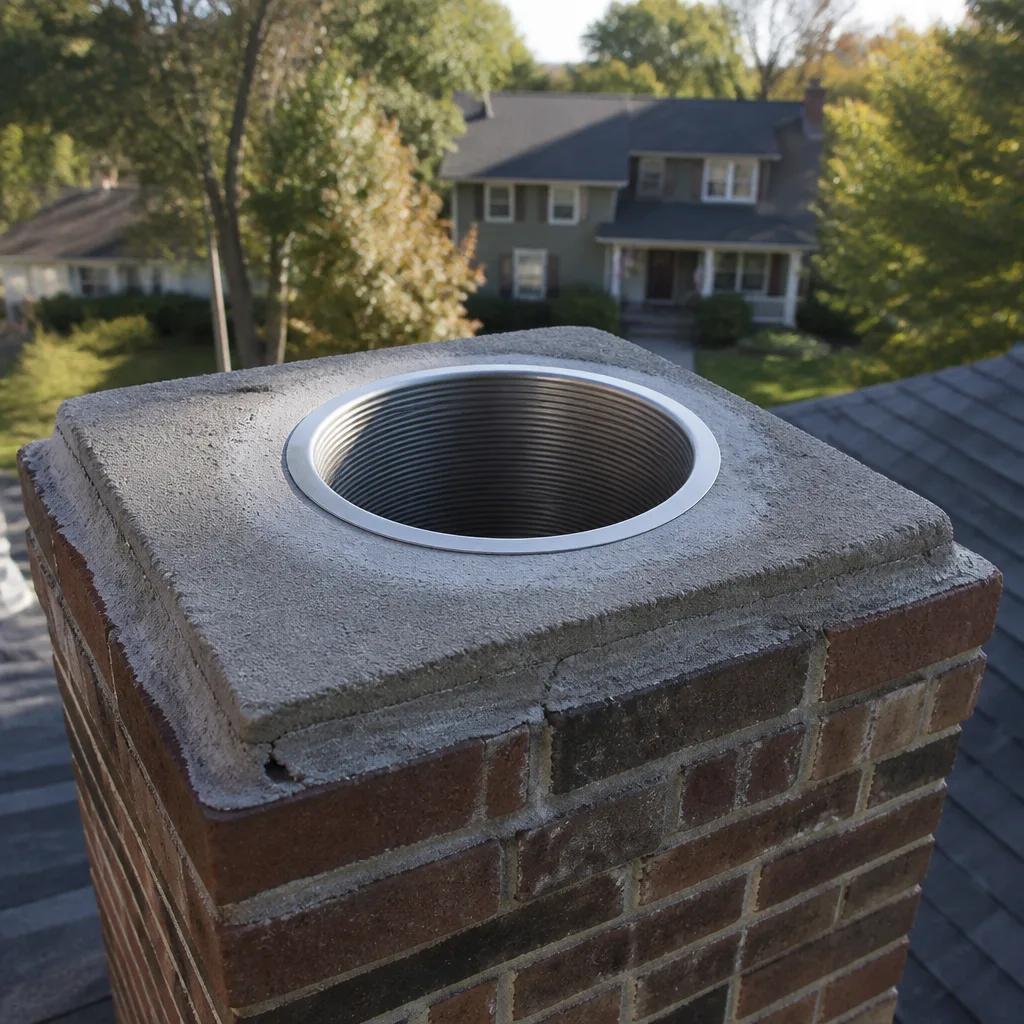
The flue needs to be sized for the firebox opening. A firebox that’s been enlarged – common in homes that were renovated – can outgrow its original flue. A wood stove insert installed in a large firebox without a properly sized liner is another version of the same problem. Oversized is also a problem, though less common; an oversized flue runs cold and drafts poorly. The fix is often a properly sized stainless liner, and this is where a flexible liner system like DuraFlex lets a chimney professional solve the flue-size mismatch without rebuilding the chimney.
Creosote Stages: When Cleaning Works and When It Doesn’t
Creosote is the byproduct of burning wood, and it comes in three recognizable stages. Knowing which stage you’re looking at determines whether a standard cleaning is enough or whether the chimney needs more than sweeping.
| Stage | What It Looks Like | What It Means | Typical Remedy |
|---|---|---|---|
| 1st Degree | Soot and light, flaky creosote | Normal accumulation. Routine cleaning removes it. | Standard sweep and inspection |
| 2nd Degree | Brittle, crusty deposits that flake but don’t come off easily | Needs firmer brushing and more time. | Professional sweep with rotary tools |
| 3rd Degree | Hard, baked-on glaze that looks like shellac or tar | The most combustible stage. Standard brushing will not remove it. | Chemical treatment or liner resurfacing, sometimes full liner replacement |
First-degree creosote is what you’ll see in a chimney that’s been swept on schedule. Second-degree is what happens when a couple of seasons go by between cleanings. Third-degree glaze is what happens when the fire has been run hot and slow for a long time – burning unseasoned wood, running with the damper nearly closed, or a fireplace in a vacation home that sat unused with soot in it through a Clarksville summer.
That last category is the one worth stopping for. Glazed creosote is combustible at far lower temperatures than wood, and it can ignite inside the flue. That’s what a chimney fire is. A standard sweep with a stiff brush will not take glaze off. It has to be addressed with a chemical process or with a ceramic resurfacing product like HeatShield that goes over the damaged flue tile and restores a smooth, even surface. The stage of the creosote, plus the condition of the flue tiles underneath, tells you which approach makes sense. If there’s any chance your creosote has gone beyond stage two, it’s worth a call before the next fire.
Damper Problems: Closed, Warped, and Broken
The damper is the plate at the top of the firebox that opens and closes the flue. It’s the first thing to check when a chimney is acting up, and it’s the most commonly overlooked. When a homeowner tells us the fireplace has no draft, the damper is wrong more often than the flue is blocked.
There are a few ways a damper goes wrong:
- Stuck closed. The handle moves but the plate doesn’t. Often the linkage has rusted or come loose.
- Warped. The edge of the plate has bent, so it never fully clears the flue opening. Common in older steel dampers that have seen high heat.
- Broken pivot. The plate has dropped off one side of its hinge and swings crooked.
- Poke-through damage. A log has been jammed against the damper and bent it. This is the one you’ll want to note when you look inside.
You can open the damper and look up with a flashlight to see if the path is clear. What you can’t see from below is whether the damper is opening fully, because the top edge is out of view from inside the firebox. That’s an inspection-camera task. Replacing a damper is a straightforward repair, but it needs to be done with the right replacement – and preferably with a top-sealing damper that closes off the flue entirely when the fireplace isn’t in use, which also helps with the chimney-smell problem and with heat loss. If your fireplace smells like the inside of a barbecue when it’s cold, the damper is the first thing to talk about.
Negative Air Pressure in Tight Clarksville Homes
Houses today are better sealed than houses were in the 1970s. Every caulked window, every gasketed exterior door, every remodel that tightened the envelope has reduced the natural air infiltration that older houses relied on. That tightness has a side effect at the chimney: the house can pull air down the flue instead of letting the fire pull it up.
The telltale signs of negative pressure at work:
- Smoke rolls in when the bathroom fan, kitchen hood, or clothes dryer runs.
- The problem is worse on windy days or when the furnace is running.
- The fireplace works fine in fall but backdrafts in winter, when the furnace runs more.
- Multiple chimneys or flues in the same house fight each other.
What most homeowners never learn is that a fireplace needs a combustion air supply to draft properly, and in a tight house it doesn’t get one. The fix doesn’t always involve structural work. Sometimes it’s a change to the home’s ventilation – a makeup air vent, a properly installed top-sealing damper that keeps the house from leaking heat up the chimney between fires, or a dedicated combustion air intake. In our experience the diagnosis takes less time than the fix, and a camera inspection usually confirms whether the chimney is contributing or whether the house itself is the source.
Here’s the diagnostic sequence worth following before you call anyone:
- Open a window a few inches in the same room as the fireplace and try a small fire. If the draft improves, you’re looking at pressure, not a blockage.
- Turn off every exhaust fan in the house and try again. If the draft improves, the source is a fan, not the chimney.
- Look up the flue with a flashlight. If you see daylight at the top, the flue isn’t fully blocked.
- Confirm the damper opens fully by watching the plate as you work the handle. The path should be visibly clear.
- If all three are normal and the draft is still weak, the flue is undersized, the chimney is too short, or the flue is restricted higher up – things only a camera inspection can sort out.
Why Hardware Store Brushes Don’t Fit Older Flues
A hardware store chimney brush is a straight, round brush sized for a straight, round flue. That works fine on a modern chimney built to standard dimensions. It doesn’t work on a lot of older Clarksville homes, and it can damage them.
Older homes often have flues that are:
- Oval or rectangular. A round brush can’t reach the corners, so soot and glaze stay in the flue.
- Offsets or offsets with a bend. The flue jogs mid-run to route around structure inside the house. A rigid brush jams at the bend. A flexible rotary tool follows the path.
- Larger than the brush. A brush sized for an eight-inch flue won’t reach the walls of a twelve-inch one.
- Unlined or partially relined. Some older homes have bare interior brick with no liner at all. Brushing a bare brick flue aggressively can loosen mortar and masonry.
The wrong-sized brush doesn’t just fail to clean; it scrapes unevenly against one side of the flue and leaves the other side untouched. It also misses the most vulnerable spots – the smoke chamber above the damper, which has a slanted shape the brush can’t reach. That’s why professional chimney sweeping involves more than the flue. The sweep and inspection cover the firebox, damper, smoke chamber, flue, and crown, and the technician uses the tools that fit each section. For older homes where the flue tiles are already showing their age, the answer isn’t more aggressive brushing. It’s a proper look at the liner and a discussion of options, from a ceramic resurfacing to a flexible stainless liner installation.
When to Stop Using the Fireplace Immediately
Most chimney issues are cleaning-and-repair matters that can wait a few days for a scheduled visit. A few are not. Stop using the fireplace and call before the next fire if any of these are true:
- You’ve had a chimney fire. Even a small one leaves damage behind. The flue needs to be inspected before it’s used again. A chimney fire often announces itself with a roar, a shaking sound, or a sudden rush of air, and sometimes no sign at all from inside the house.
- There’s visible damage to the firebox. Missing mortar, cracked firebrick, or loose pieces in the firebox mean hot gases can reach the structure.
- The flue is visibly glazed. Third-degree creosote is combustible. Stop burning until it’s removed.
- You smell gas or see soot around the top of the firebox. These can indicate a bigger problem with venting or combustion, not just a sweep issue.
- The carbon monoxide alarm has gone off. Leave the house, call the fire department from outside, and don’t use the fireplace or any fuel-burning appliance until a professional has cleared it.
- The flue has visibly collapsed or a liner has come apart. Pieces of tile in the firebox are a serious sign.
- Someone has covered the top of the chimney or blocked it with a bird nest. If the flue is blocked, the smoke and gases have nowhere to go but into the room.
What’s not on that list: routine creosote buildup, a lazy draft on a cold day, a smoky smell in spring, or a chimney cap that’s come loose. Those are still worth repairing, but the risk of waiting a few days for an appointment is low. If you’re not sure which category you’re in, call and describe the symptom. The call itself costs nothing and the answer will tell you whether to light a fire tonight.
What a Real Inspection Involves
An inspection is the foundation of every chimney decision. The difference between a thorough one and a quick look is enormous, and it’s what separates a real diagnosis from a guess. Here’s what a proper inspection covers.
- Exterior walkaround. Crown, masonry, flashing, cap, and the condition of the chimney where it meets the roof. Water is the most common cause of chimney damage, and the exterior is where it starts.
- Firebox and damper check. Visual inspection of the firebox brick, mortar joints, and damper operation. The damper has to be cycled to confirm it opens fully.
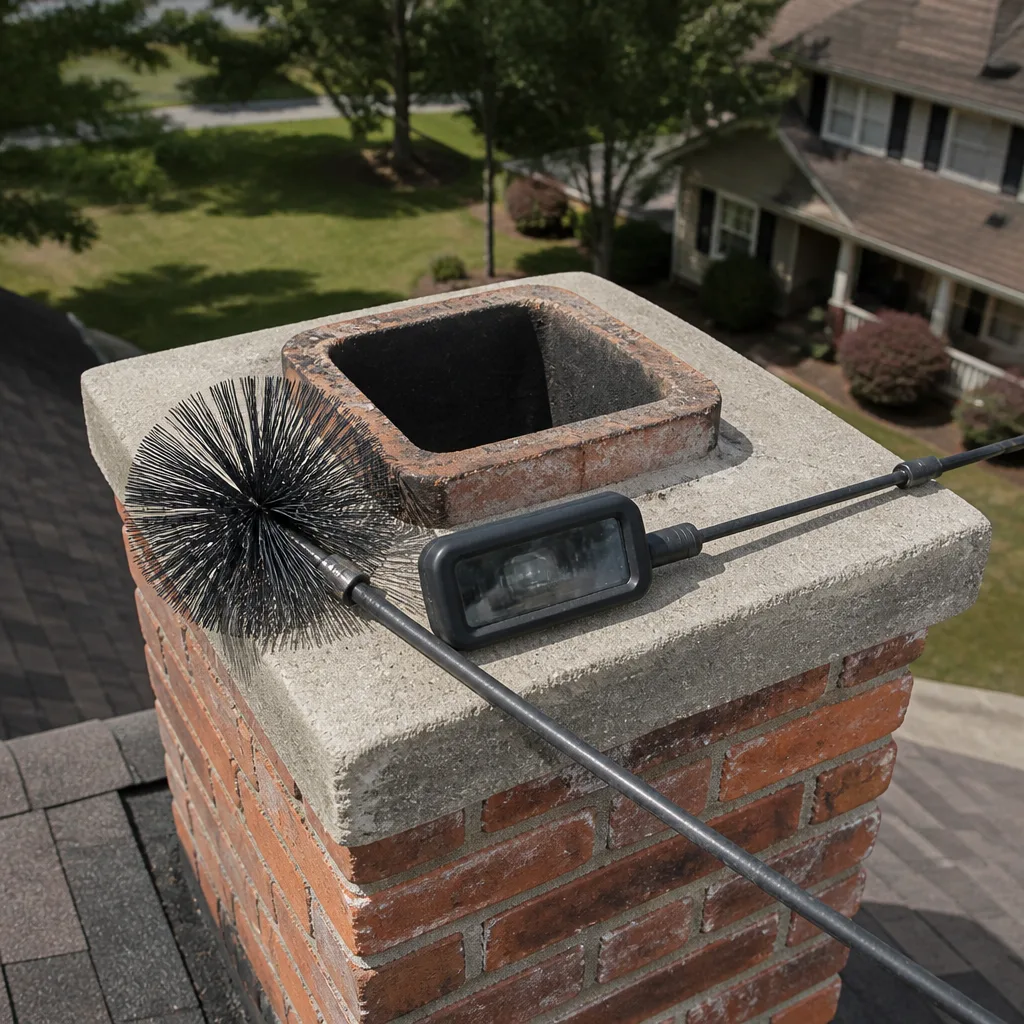
- Camera inspection of the flue. A camera run the length of the flue from the top down shows cracks, gaps, missing mortar joints, separated tiles, and creosote stage. A photo report lets you see what the technician sees.
- Smoke chamber inspection. The smoke chamber above the damper is a slanted chute that needs to be smooth and intact. It’s often ignored by sweep-only services and it’s a common source of draft problems.
- Venting check on connected appliances. If the chimney serves a furnace or water heater along with the fireplace, those connections need to be checked for proper venting and carbon monoxide risk.
- Draft test. A real fire or a smoke test in the firebox to confirm the chimney is drafting correctly and the whole system works together.
At the end of it, you should have a written report, photos, and a clear answer about what condition the chimney is in and what needs to be done. Anything less is a courtesy glance. And the repair question – “does anything need to be fixed?” – should be answered with evidence you can see, not a verbal press for liner replacement. If the flue tiles are sound, a sweep is all you need. If they’re not, we can talk through the options: HeatShield resurfacing for a flue that’s deteriorated but not collapsed, or a DuraFlex flexible liner for one that’s compromised enough that resurfacing isn’t the right answer. Having both available means the recommendation is based on the flue, not on what the technician happens to carry.
Common Mistakes to Avoid
- Opening the damper wider when smoke rolls in. On a creosote-restricted or blocked flue, a wider opening can make backdraft worse. The instinct is wrong, and the fix is to diagnose the actual cause before touching the damper.
- Buying a hardware store brush and running it up a flue sized differently than the brush. It scrapes one side and leaves the other, can loosen mortar in a bare brick flue, and won’t reach the smoke chamber. On an offset or oval flue, it may not make the turn at all.
- Burning softwood or unseasoned wood “to dry it out” in the firebox. Wet wood produces more creosote, not less. Seasoned hardwood is the answer, and burning in a hot, brisk fire with the damper open reduces creosote formation.
- Treating a smoky smell as normal. A fireplace that smells smoky when it’s cold is pulling air down the flue, and in a Clarksville home that’s often a sign of pressure or a damper that doesn’t seal. It’s fixed with a top-sealing damper, not with air freshener.
- Skipping the sweep because the fireplace is “only used a few times a year.” Low use still deposits creosote, and a chimney unused for a summer can gain animal nests. The annual sweep matches the annual inspection.
- Calling a sweep-only operation when the camera shows liner damage. If the diagnosis shows cracking or glazed creosote, the chimney needs a repair-tier fix from someone who does liner work. A sweep-only visit leaves the problem in place.
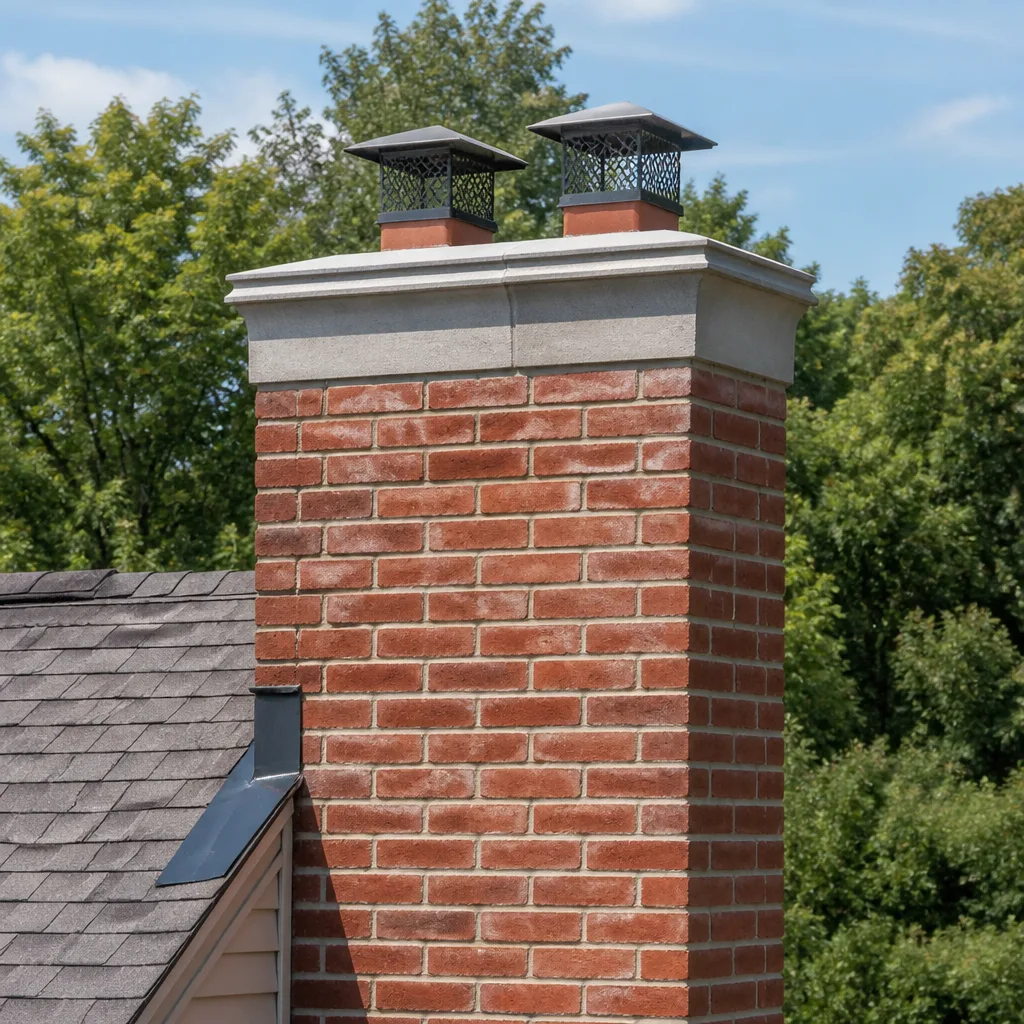
- Assuming a steel chimney cap is optional. A cap keeps rain, snow, animals, and birds out of the flue. In a humid climate it’s the cheapest structural protection you can add.
- Letting a chimney fire go unreported. A small fire can crack flue tiles and leave the flue unsafe. Even if it was brief, the chimney needs a camera inspection before the next burn.
One more that isn’t really a mistake but belongs in this company: forgetting the dryer vent. A dryer vent that’s clogged with lint is one of the leading causes of residential house fires, and the vent is a passive system that nobody thinks to check. The same technician visit that covers the chimney can clean the dryer vent, which makes a lot of sense if you’re booking a chimney sweep anyway. Fire safety from the firebox to the dryer vent is the right framing. If you’re in the middle of fire-safety maintenance, it’s worth doing the whole thing.
See the difference
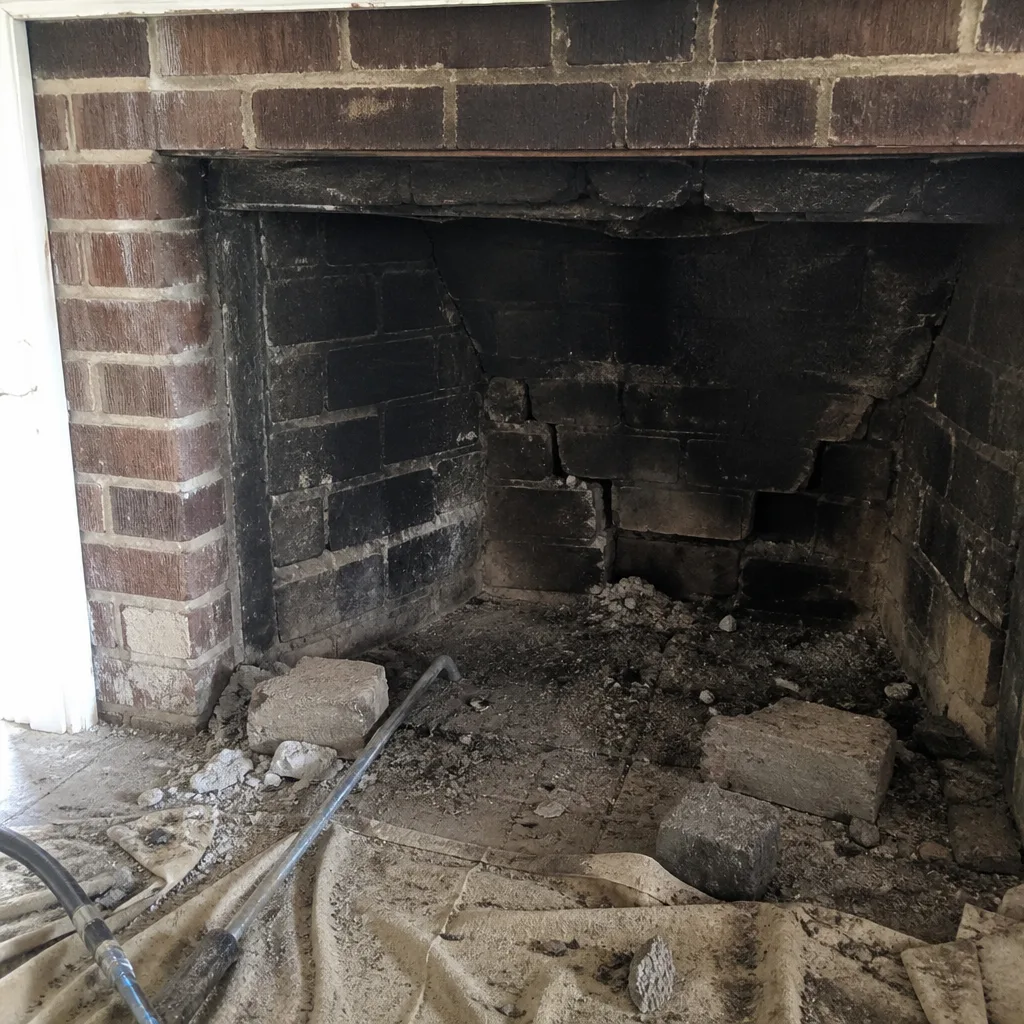 Before
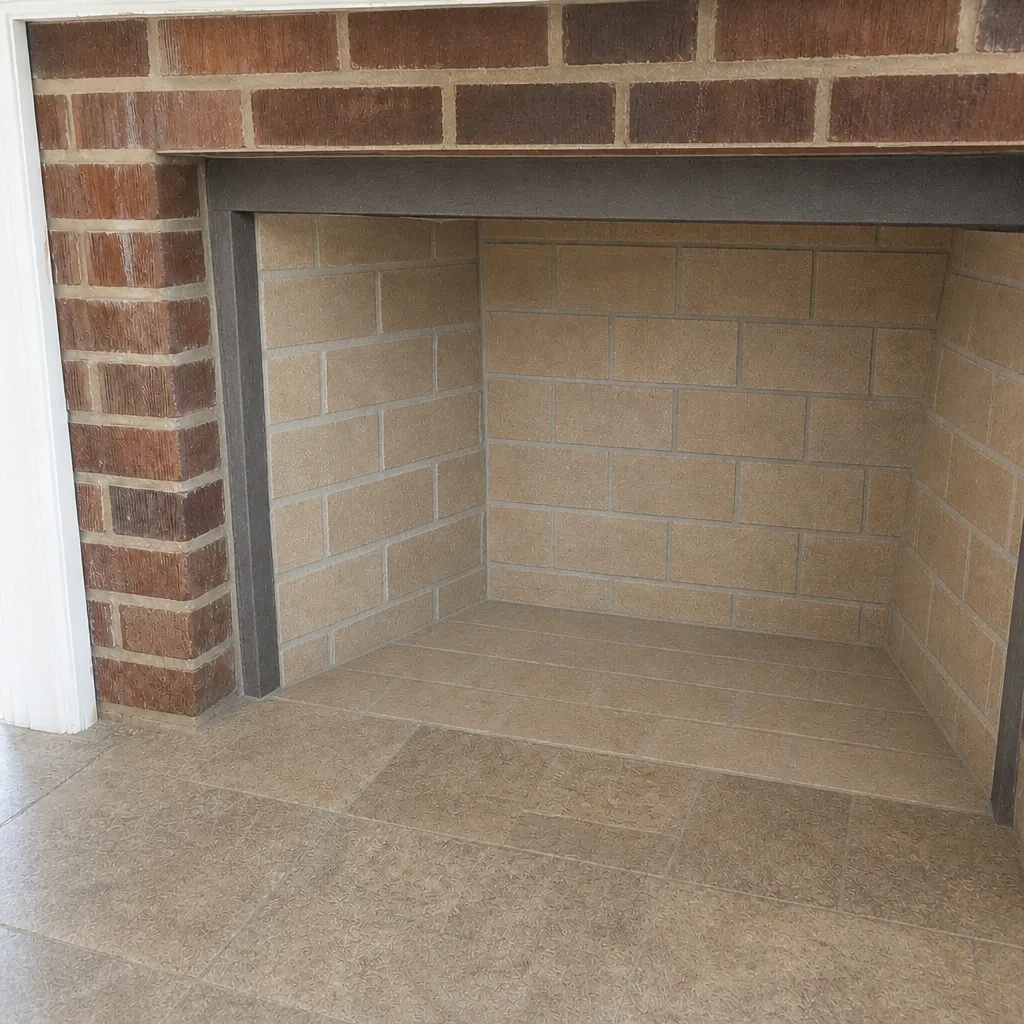 After
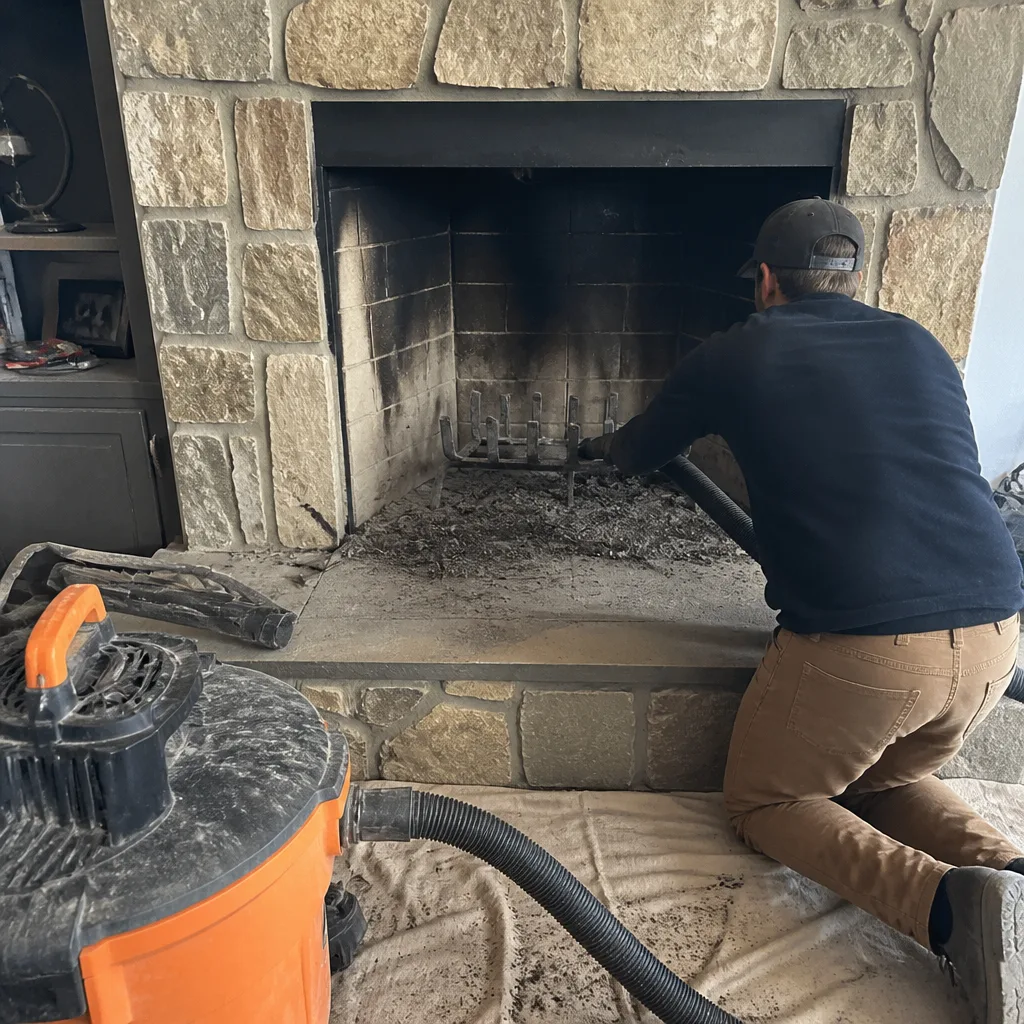 Before
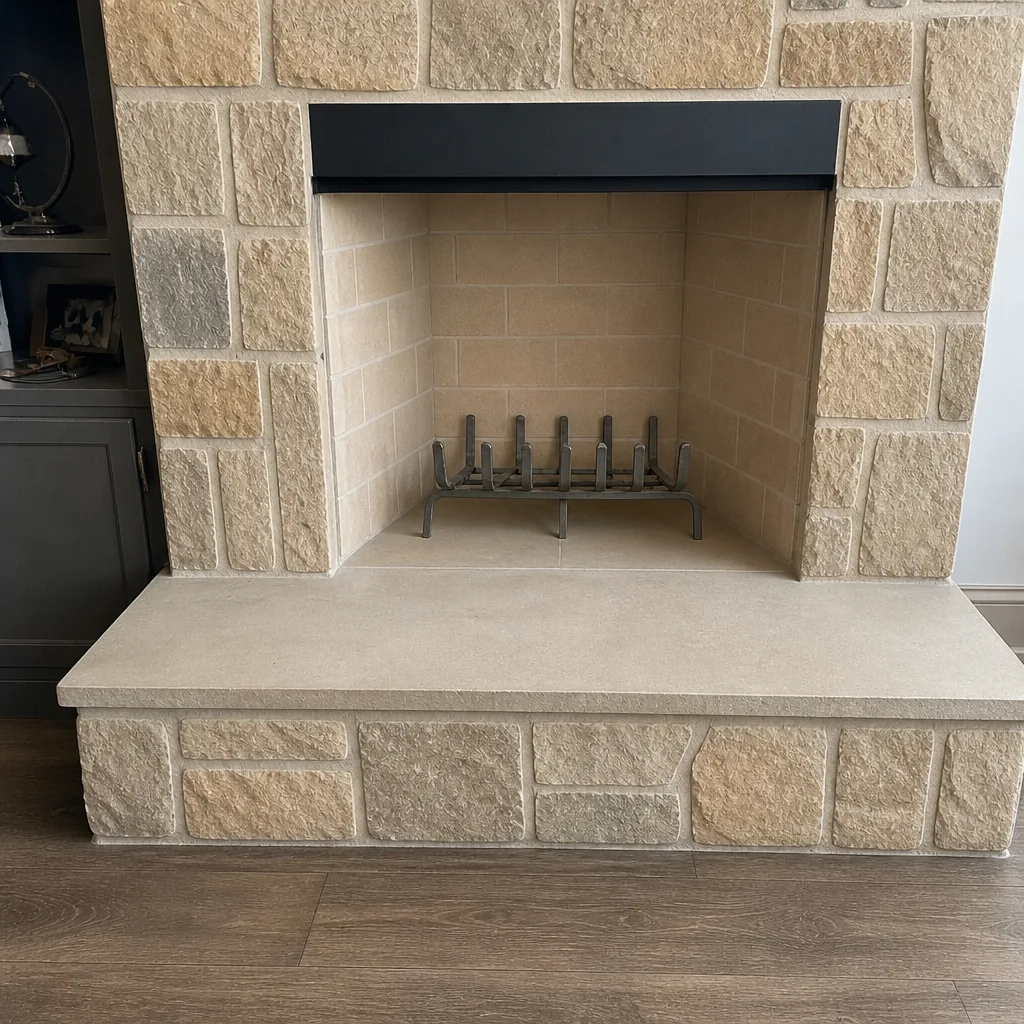 After
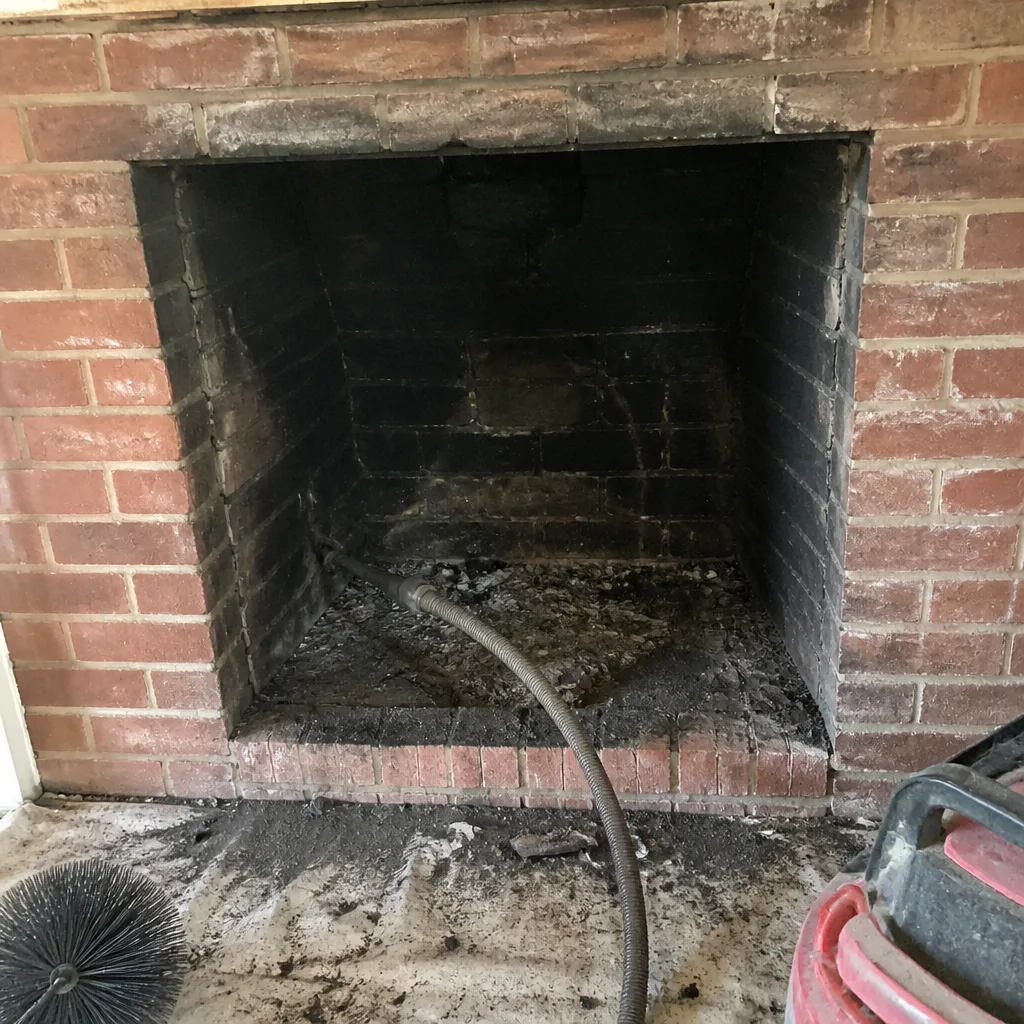 Before
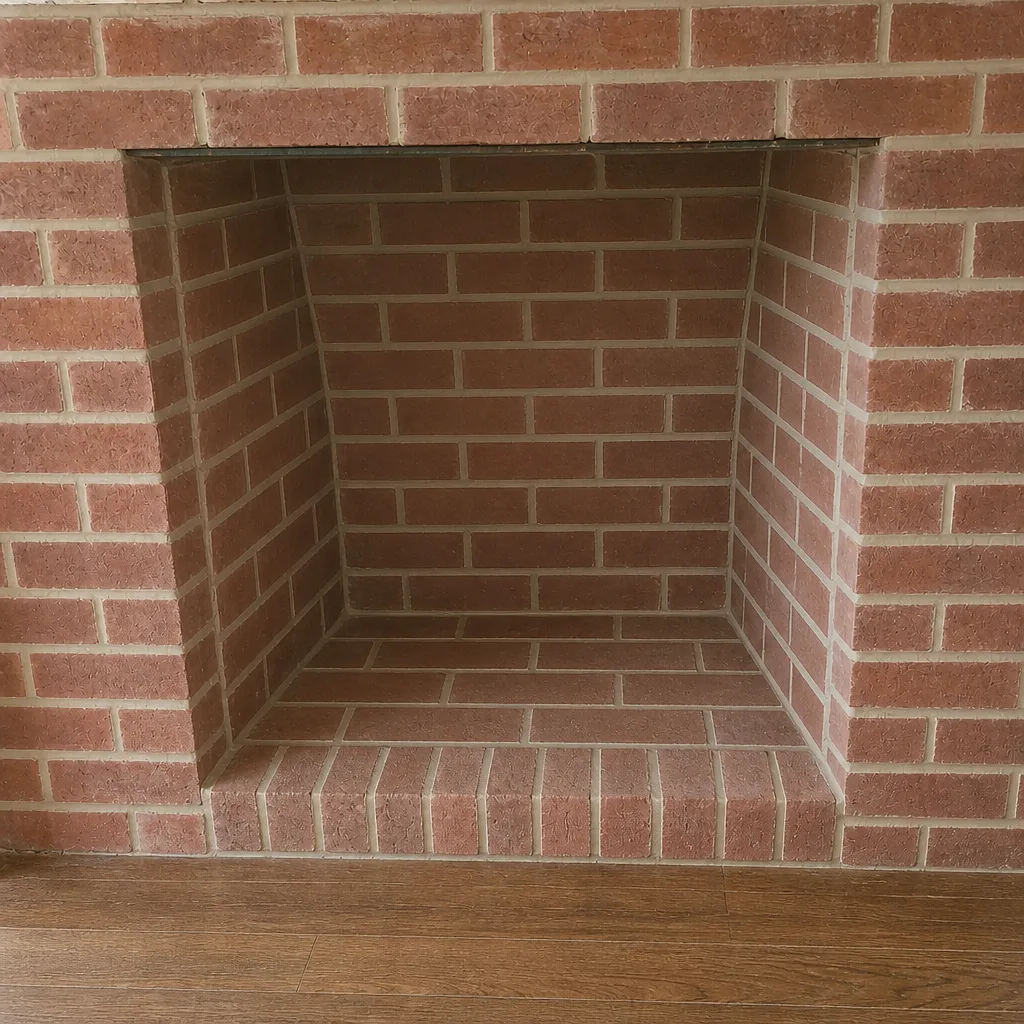 After
When to Call a Professional
Call for any of these: smoke in the room that doesn’t stop when the damper is fully open; a fire that smolders despite dry wood; a chimney fire of any kind, past or recent; visible cracking or missing mortar in the firebox; glaze-like creosote visible above the damper; a carbon monoxide alarm going off; visible staining or white deposits on the chimney exterior; a flue that smells smoky when the fireplace is cold; an annual sweep that’s due; a dryer vent that’s gone a long time without cleaning; and any chimney in an older home that hasn’t had a camera inspection. Chimney Sweep Clarksville offers free estimates in Clarksville – call (866) 942-9931. We answer 24/7. Fast dispatch from 7am to 7pm, Sunday through Friday.
We work with professional-grade products from DuraFlex, HeatShield, Gelco, and Olympia Chimney, and we handle chimney sweep and inspection, chimney repair, and dryer vent cleaning under one roof. When the inspection finds a problem, we can fix it on the same relationship. We don’t just find the problem – we carry the parts to solve it. If you’re outside Clarksville, the same service is available for our neighbors in Charlotte and around the area.
Frequently Asked Questions
Smoke in the house almost always comes from one of four causes: a blocked flue, a damper that’s closed or warped, negative air pressure pulling air down the chimney, or a flue that’s too small for the firebox. Test it by opening a window a few inches near the fireplace and lighting a small fire. If the draft improves, the cause is pressure rather than blockage. Call (866) 942-9931 for a free estimate – the inspection will confirm which of the four you have.
You need a sweep if you’ve burned a full cord of wood or more since the last cleaning, you have visible creosote above the damper, your fire is slow to draw, or you’ve had smoke in the room. We recommend an annual sweep and inspection on any wood-burning chimney you use. Call (866) 942-9931 and we’ll schedule a visit – estimates are free.
First-degree creosote is soot and light flaky deposits and comes off with a standard sweep. Second-degree is brittle crust that takes firmer tools. Third-degree is a hard, glazed, tar-like layer that standard brushing cannot remove. Third-degree creosote is the combustible stage and requires chemical treatment or a ceramic resurfacing like HeatShield to restore the flue surface. Call (866) 942-9931 and we’ll inspect the flue and tell you which stage you’re at.
A camera inspection is the only way to see the full length of the flue, including the sections above the damper and below the roof. A visual look from the firebox shows the first few feet. Cracks and missing mortar joints in the upper flue won’t be visible any other way. If the flue tiles are intact, the inspection confirms that and the sweep is all you need. If they aren’t, the camera shows the damage so you can decide with evidence. Call (866) 942-9931 for a free estimate.
Yes. A tightly sealed house can pull combustion air down the flue instead of letting the fire pull it up, which shows up as smoke in the room on windy days or when fans are running. The telltale sign is smoke rolling in when a bath fan, kitchen hood, or clothes dryer is on. The fix usually involves makeup air or a top-sealing damper rather than aggressive cleaning. Call (866) 942-9931 to talk through the diagnostic sequence.
A chimney fire (recent or past), a carbon monoxide alarm sounding, visible firebox damage with missing mortar, glazed creosote, or a flue that’s collapsed or missing tile pieces are all stop-burning-today situations. A slow draft, smoky smell, or loose chimney cap can usually wait a few days for a scheduled visit. If you’re not sure which, call (866) 942-9931. We answer 24/7. A call outside dispatch hours is booked into the next opening, Sunday through Friday, 7am to 7pm.
The Bottom Line
Most “draft problems” in Clarksville are one of four conditions: a blocked flue, a damper that doesn’t open fully, negative air pressure in a tight house, or an undersized flue. They look identical from the living room, and treating the wrong one wastes money without removing the hazard. A camera inspection with photos tells you which one you have. Stage-three creosote, visible firebox damage, a past chimney fire, or a carbon monoxide alarm are stop-burning situations; everything else can be scheduled. Annual sweeping and inspection are the baseline. If the inspection finds a problem, the same visit can include HeatShield resurfacing, DuraFlex liner work, and a dryer vent cleaning so your fire safety from the firebox to the vent is handled in one relationship. Call (866) 942-9931 for a free estimate.
Written by the team at Chimney Sweep Clarksville.