
Last updated November 15, 2026
 Sweep & inspection
 Caps & crowns
 Flue relining
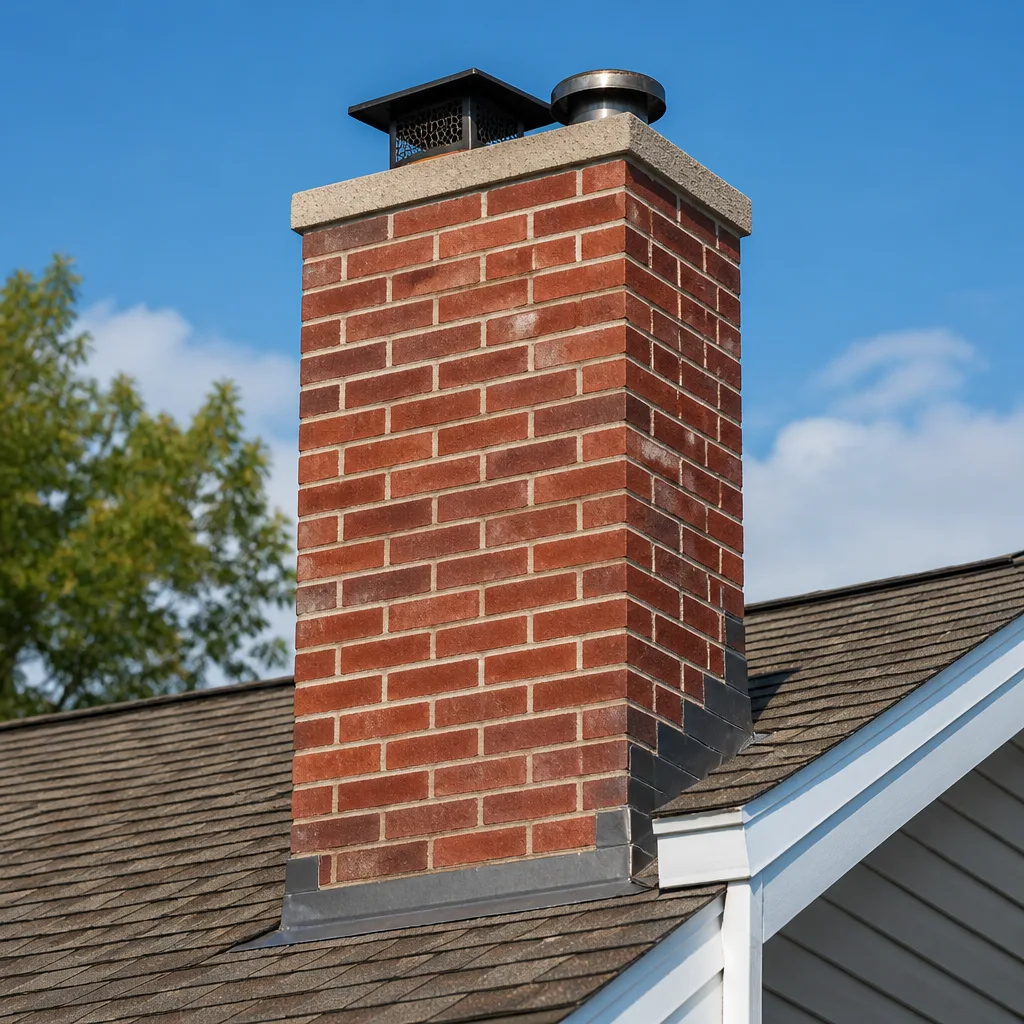 Masonry repair
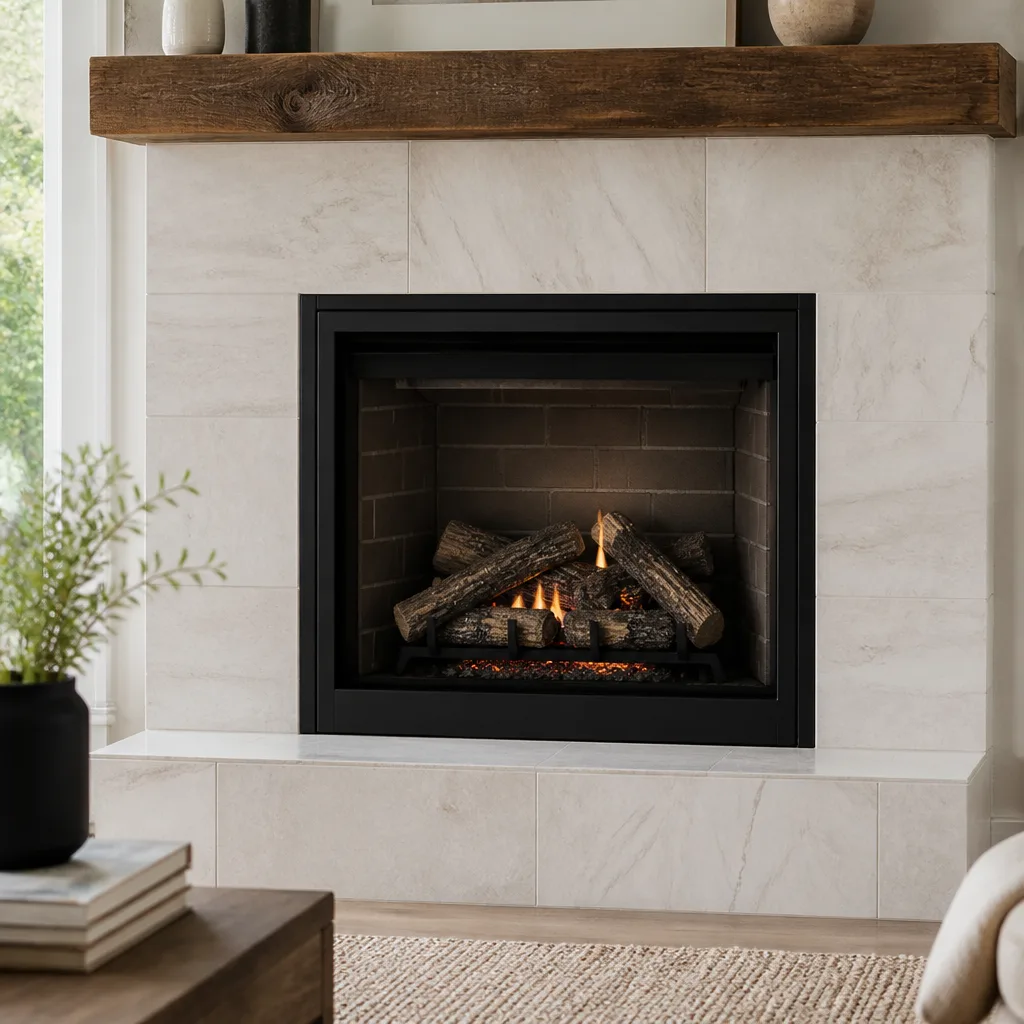 Gas fireplace service
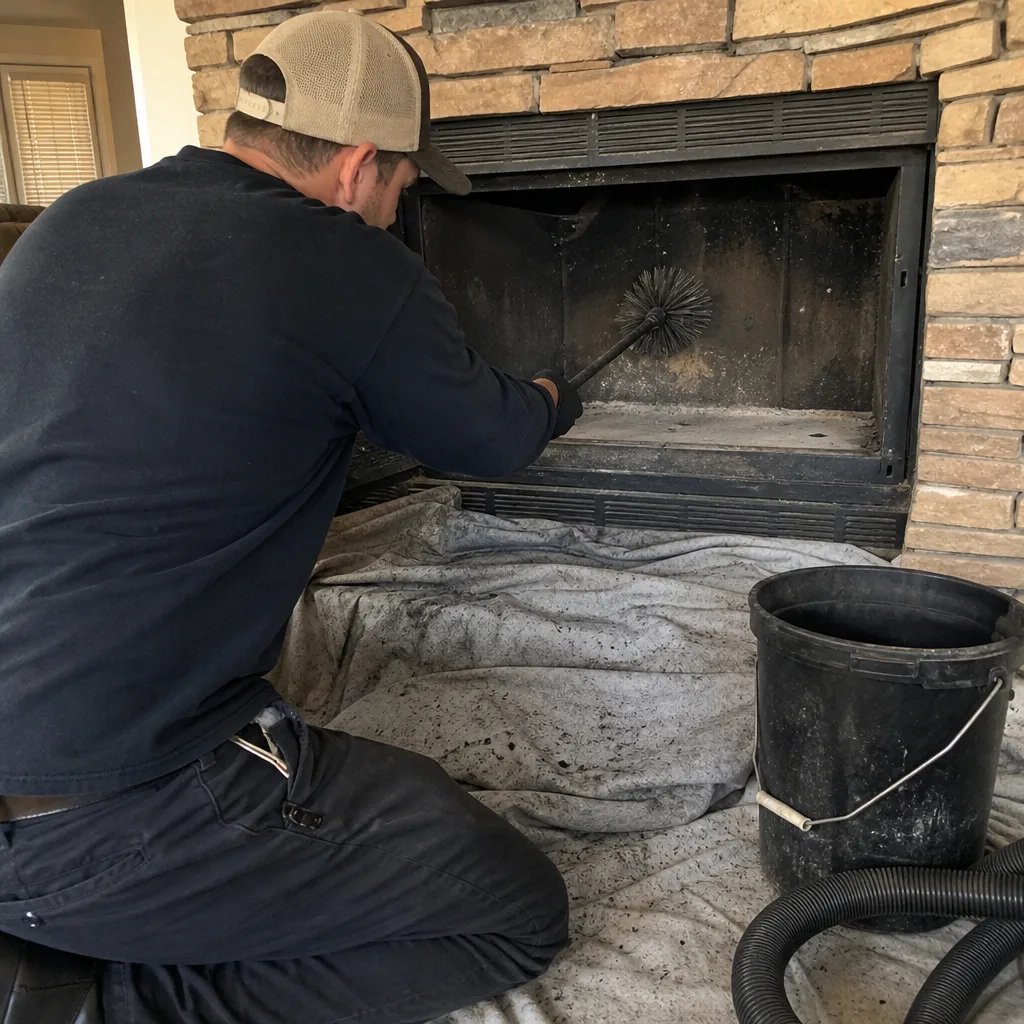
Level 1 sweep and inspection to the NFPA 211 annual standard - flue, crown, cap, and flashing checked and photographed
Chimney sweep logs do not sweep chimneys. They loosen some creosote - which then falls where a brush and vacuum still have to collect it.
Chimney Sweep Maintenance Checklist for Clarksville Homeowners
Most chimney checklists you’ll find online were written for New England farmhouses, and they show it. They assume a six-month heating season, a dry cold that keeps masonry stable, and one fuel source per flue. Clarksville doesn’t work that way. Burning here runs roughly October through March, with plenty of shoulder-season fires in between, and the humid Middle Tennessee summers do their own slow damage to brick and mortar while the fireplace sits idle. Plenty of local homes also run a wood fireplace and a gas insert on the same system, which changes what a maintenance routine needs to catch. This guide gives you a checklist built around how chimneys actually behave in Clarksville: what you can inspect from the ground, what needs a trained eye and a camera, and what to do after your last fire of the season.
Styles & brands we work with
- Sweep & inspection
- Caps & crowns
- Flue relining
- Masonry repair
- Gas fireplace service
Quick Answer
A chimney maintenance checklist for Clarksville homeowners should cover three seasons of care: pre-season checks in early fall (inspection, cap and crown, flue condition), mid-season attention (creosote buildup, damper operation, smoke behavior), and a post-season protocol after your last burn in spring that includes a professional sweep and humidity checks on the exterior masonry. Homeowners can handle visual observation from the ground; cleaning, camera inspection, and any repair require a professional sweep.
Table of Contents
- Why Clarksville’s Burning Calendar Shapes Your Checklist
- Pre-Season Checklist: Before Your First Fire in October
- Mid-Season Checklist: Keeping the Fire Safe Through Winter
- The Last Fire of the Season: A Post-Season Protocol
- Humidity and Masonry: Checks Specific to Middle Tennessee
- Cap and Crown: What You Can See From the Ground
- Homeowner Observation vs. Professional Inspection
- Wood Fireplace and Gas Insert on the Same Flue
- Common Mistakes to Avoid
- When to Call a Professional
- Frequently Asked Questions
- The Bottom Line
Why Clarksville’s Burning Calendar Shapes Your Checklist
Most of the country treats chimney maintenance as a single annual event: schedule a sweep, forget about it, repeat next year. That rhythm assumes burning happens in one continuous block. In Clarksville, it rarely does. A cold snap in late October gets the fireplace going, then a mild stretch in December may keep it dark for two or three weeks, then January and February bring steady use, and March can go either way. Fires scattered across six months deposit creosote in layers, cool between burns, and let moisture work its way into masonry during the humid stretches in between.
The practical result: a checklist anchored to a single date misses the pattern. What works better is a three-phase routine tied to how Clarksville actually burns.
- Pre-season (September – early October): Get the chimney inspected and swept before the first burn, not after you’ve already lit a fire and noticed smoke backing into the room.
- Mid-season (December – February): Watch for changes in how the fireplace behaves. More smoke, weaker draft, and heavier creosote odor are all signals, not inconveniences.
- Post-season (late March – April): After your final fire, close the damper properly, get the flue cleaned, and turn your attention to exterior masonry before the humid months.
Our technicians have up to 10 years of experience working in Middle Tennessee, and the pattern is consistent: chimneys that are maintained on this seasonal rhythm need fewer structural repairs than chimneys swept once a year on an arbitrary schedule. If you want a baseline before building your checklist, our Chimney Sweep Clarksville page covers what a professional inspection includes.
Pre-Season Checklist: Before Your First Fire in October
The pre-season checklist is the most important one, because it’s the last chance to catch a problem before you’re relying on the chimney every night. Do these tasks in September or early October, before the first cold snap catches you unprepared.
- Schedule a professional sweep and inspection. A trained sweep cleans the flue and inspects it with a camera. This is not optional and it’s not a homeowner task – the tools and the visibility aren’t there. Book it early; September and October fill up fast in Clarksville.
- Check the firebox for cracked bricks or loose mortar. Small cracks in the firebox brick can let heat reach the structure behind it. Note anything that looks deteriorated and mention it to your sweep.
- Test the damper. Open and close it several times. It should move smoothly and seal when closed. A damper that sticks open lets heat out and lets humidity in all summer.
- Clear the firebox of old ash. Leave a thin layer for insulation but remove the excess. Ash piled high restricts airflow to the fire.
- Look at your firewood storage. Wood should be seasoned (dry) and stacked away from the house, not against the chimney. Green wood produces more creosote, and wood stacked against masonry holds moisture there.
- Inspect the cap and crown from the ground with binoculars. See the dedicated section below for what to look for.
- Confirm your smoke and carbon monoxide detectors are working. Every wood-burning home in Clarksville should have both.
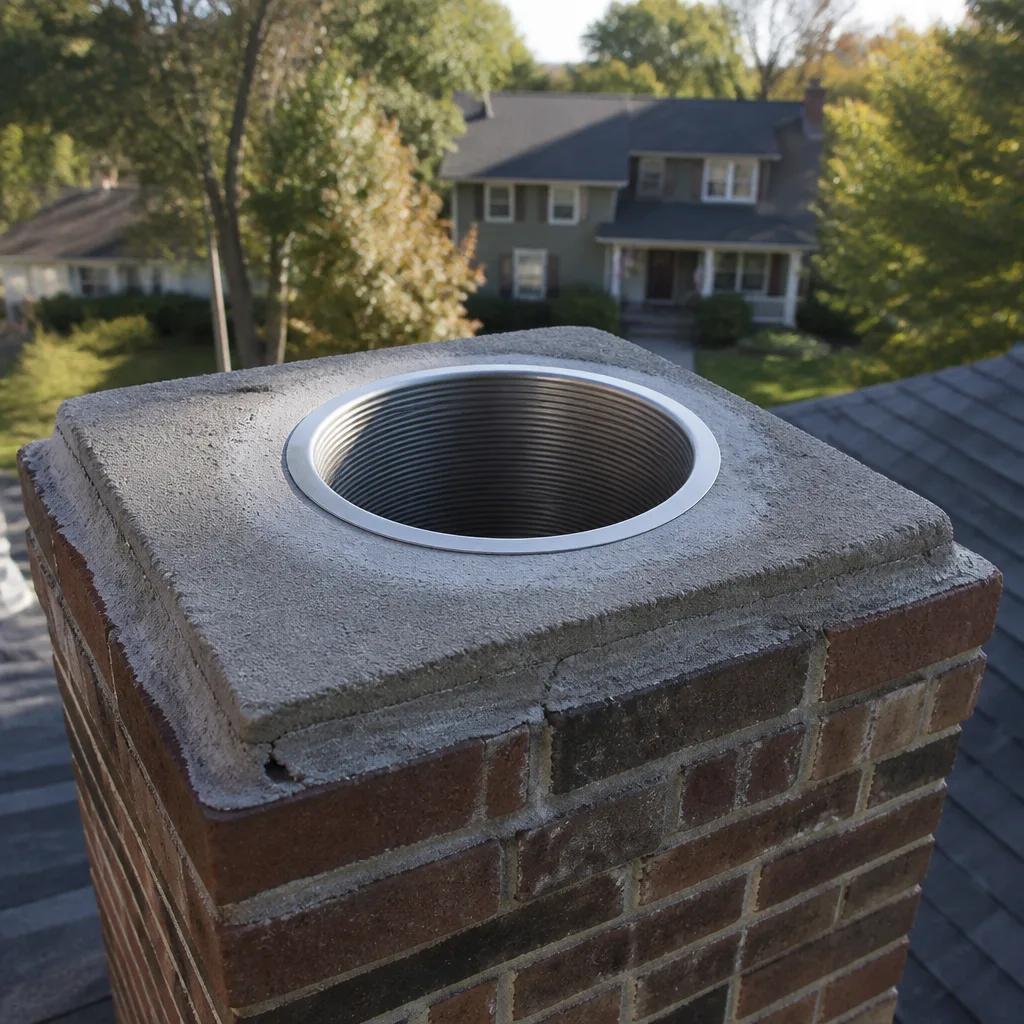
If the inspection turns up a cracked flue tile or deteriorated liner, that doesn’t mean immediate replacement. HeatShield ceramic resurfacing addresses many deteriorating flue tiles without a full liner replacement, and it’s a repair option worth asking about specifically.
Mid-Season Checklist: Keeping the Fire Safe Through Winter
Once you’re burning regularly, the checklist shifts from preparation to observation. You’re not cleaning anything yourself here – you’re watching for signals that something changed since the pre-season inspection.
- Watch the smoke. A fireplace that drafts well sends smoke up the chimney. Smoke rolling into the room, especially when you first light a fire, can point to a blocked flue, a cold chimney, or creosote buildup.
- Listen for creosote crackle. A crackling sound beyond normal fire noise, or a strong, sharp odor, can indicate creosote igniting in the flue. Stop using the fireplace and get it inspected.
- Notice the draft quality. If the fireplace needs more effort to get going than it did in October, that’s a signal worth investigating.
- Keep the glass doors and screen clean. Sooted glass is cosmetic, but it also makes it harder to see the fire, which means you’re less likely to notice a problem.
- Check the ash level weekly. Empty the ash pan when it’s more than a couple of inches deep. Don’t let it build up all winter.
- Schedule a mid-season sweep if you burn heavily. Homeowners who burn wood most nights through the winter may need a second cleaning in January or February. Standard guidance calls for a sweep once creosote reaches about 1/8 inch, and that can happen faster than a full year for heavy users.
Mid-season issues are the ones that tend to be ignored because the fireplace is still “working.” If you notice anything on this list, get it checked before the next fire. A quick inspection now is cheaper than a repair later.
The Last Fire of the Season: A Post-Season Protocol
Most homeowners finish the burning season and simply stop. The fireplace goes dark, the damper stays as it was, and nobody looks at the chimney again until October. That gap is where a lot of preventable damage happens in Clarksville, because the humid months are when masonry takes the most abuse.
When you’re ready to call it for the season, follow these steps:
- Let the last fire burn out completely. Don’t close the damper until the fire is cold – a partially open damper is fine for a few hours, but seal it once the ash is cool.
- Remove all ash. Creosote and ash left sitting in a warm, humid firebox through the summer draw moisture and odors. Empty the firebox completely.
- Close the damper firmly. A damper left slightly open lets humid air into the flue and up into the house, driving smells and encouraging moisture problems in the chimney interior.
- Schedule a post-season sweep. Get the flue cleaned before the humid summer. Creosote left in the flue absorbs moisture and becomes harder to remove as it cures.
- Inspect the exterior masonry. This is the important Clarksville-specific step: look at the chimney from the ground for any signs of spalling brick, crumbling mortar, or white staining. Report what you find to your sweep.
- Close up any gaps around the firebox. If you can see light or feel air movement where the firebox meets the surround, note it for the professional.
If the post-season sweep reveals mortar joint damage, flashing issues, or a crown crack, address it in spring rather than waiting. Spring weather in Clarksville is friendlier to masonry repair work than winter, and getting it done before summer humidity sets in protects the repair.
Humidity and Masonry: Checks Specific to Middle Tennessee
Cracks and eroded mortar on a chimney in Clarksville aren’t the same problem as cracks on a chimney in, say, Minneapolis. In a colder, drier climate, the main enemy is freeze-thaw. In Middle Tennessee, the bigger driver is humidity – long, warm, wet summers that keep masonry soaked for months at a stretch.
The conditions you want to watch for:
- Efflorescence. A white, powdery stain on the exterior brick. It’s salt that moisture pulled out of the masonry as it evaporated. It’s not structural in itself, but it means water is penetrating the brick, and that’s worth investigating.
- Spalling brick. Brick faces flaking or popping off. Water gets behind the brick face, freezes in a cold snap, and pushes the face off. Common on older Clarksville chimneys that were built without modern caps or crowns.
- Crumbling mortar joints. Rake a finger across a mortar joint. It should feel firm and slightly sandy, not soft or powdery. Soft joints let water into the wall.
- Rust streaks or brown stains. Signs of a failing metal cap or flashing that’s letting water in around the chimney at the roof line.
- Stains on the ceiling or wall near the chimney inside the house. If you’re seeing water damage inside the house after a heavy rain, that’s a flashing or crown problem and it needs attention now.
Humidity alone isn’t an emergency, but it’s cumulative. A slow leak that runs for two or three summers before anyone notices can cause enough damage that a full liner replacement becomes necessary when a resurfacing would have worked. Products like HeatShield ceramic resurfacing exist precisely for that mid-stage situation – deteriorated flue tiles that aren’t yet a total loss. We work with HeatShield, DuraFlex, Gelco, and Copperfield among the professional brands we stock, which means we can match the repair to what the camera shows rather than automatically reaching for the largest possible job.
Cap and Crown: What You Can See From the Ground
You don’t need to get on the roof to do a meaningful visual check. Stand back on the ground – 20 to 30 feet away, with a pair of binoculars – and look at the top of the chimney. This is the most important homeowner task in the whole checklist, because a failing cap or crown is one of the most common causes of moisture damage we see in Clarksville.
What to look for:
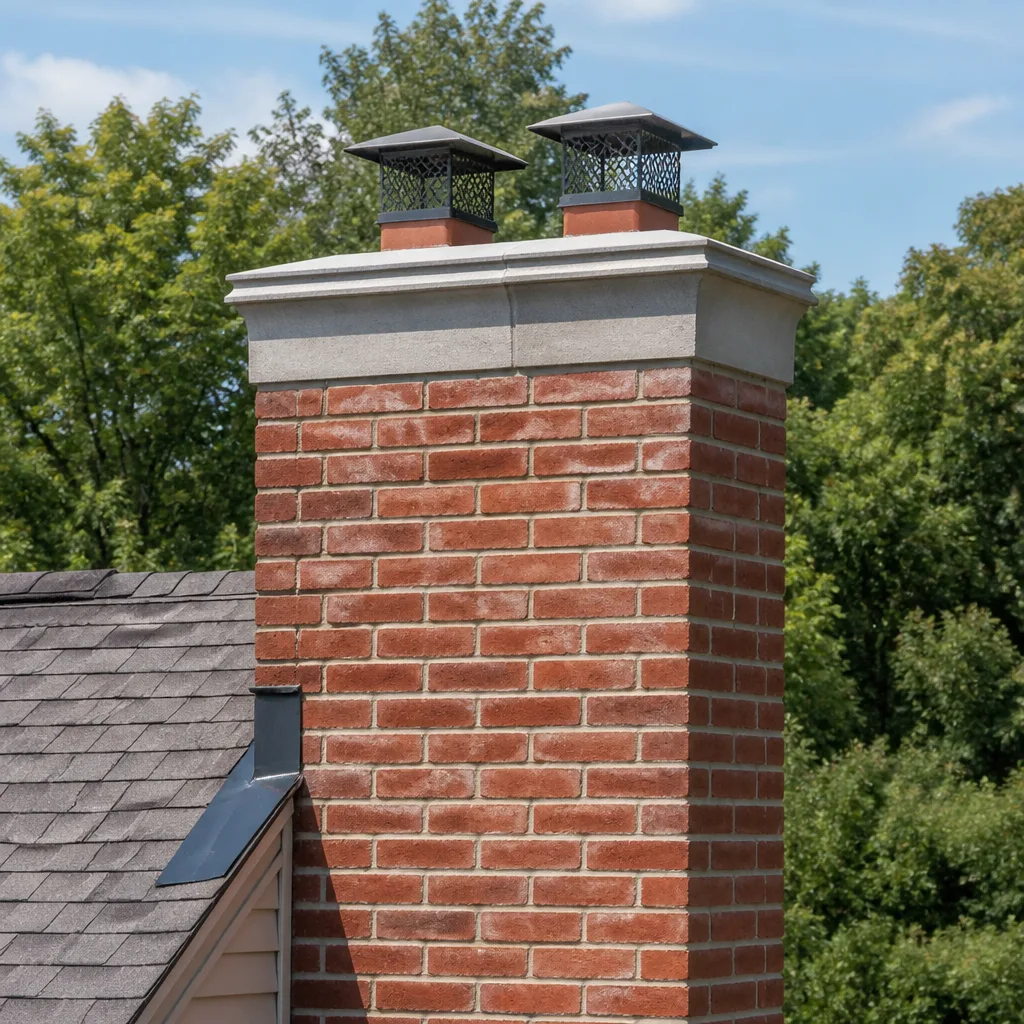
- The cap. It’s the metal or ceramic piece covering the top of the flue. It should be intact, sitting straight, and not rusted through or missing. A missing or damaged cap lets water, animals, and debris into the flue all year.
- The crown. The sloped concrete surface surrounding the flue at the top. It should be intact, with no visible cracks, no chunks missing, and no obvious separation from the brick below.
- The spark arrestor mesh. If your cap has a mesh screen, check that it isn’t torn or clogged. A clogged screen restricts draft; a torn screen lets birds and debris in.
- Straight edges of the chimney stack. Any obvious lean, bow, or misalignment is a structural concern.
- The flashing where the chimney meets the roof. You won’t get a perfect view from the ground, but you can usually see obvious rust or gaps.
Binoculars work best on a clear day with sun behind you. Photograph what you see from the ground. If anything looks wrong, that photo is useful when you call for a professional look – a sweep can tell you whether it’s a cosmetic issue or a real problem without a second visit. If you’d like a starting point for the professional side of this check, our Charlotte page explains what a full inspection involves.
Homeowner Observation vs. Professional Inspection
The most common mistake in chimney maintenance is guessing which tasks belong to you and which belong to a trained sweep. Doing an observation task badly is harmless; doing a professional task badly is dangerous. Here’s the split, clear and simple.
Homeowner tasks (safe, observation only):
- Visual check of the cap and crown from the ground with binoculars
- Watching for smoke backdraft during burns
- Noticing changes in draft quality and creosote odor
- Checking the exterior masonry for efflorescence, spalling, and soft mortar
- Testing the damper by hand
- Emptying ash and keeping the firebox clear
- Confirming smoke and CO detectors are working
Professional tasks (require training, tools, or both):
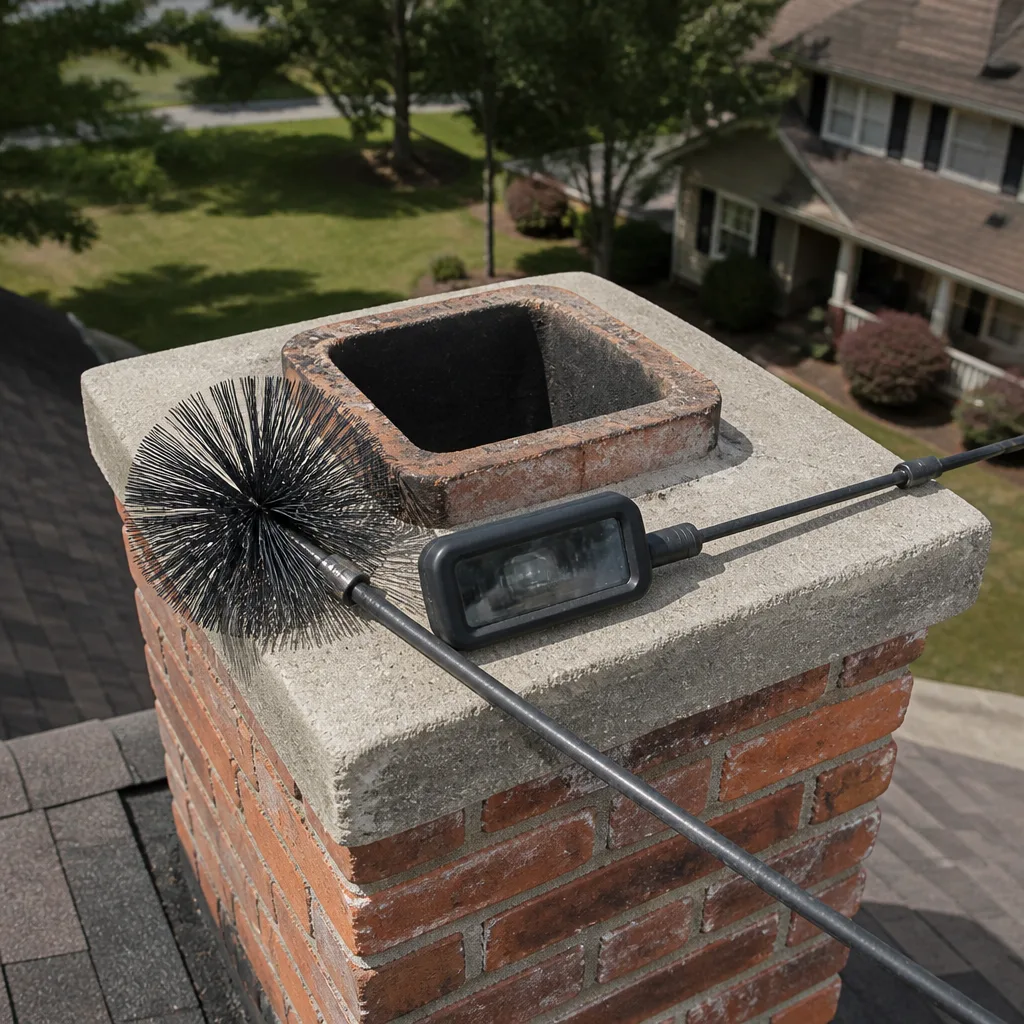
- Cleaning the flue – the brushes and rods and the technique matter, and doing it wrong can damage the liner
- Camera inspection of the flue interior
- Assessing liner condition, flue tile integrity, and joint gaps
- Any masonry repair, crown repair, or flashing work
- Liner resurfacing or replacement
- Firebox repairs
The one thing you should never do yourself is anything involving the flue interior or the roof surface. A homeowner on a steep roof with a brush is a fall risk, and a homeowner working inside a flue is risking exposure to creosote and any hidden structural issues. If you’re unsure whether something you’ve spotted is a real problem, that uncertainty is your answer – call a professional. If it’s genuinely minor, they’ll tell you it can wait.
Wood Fireplace and Gas Insert on the Same Flue
Plenty of Clarksville homes have two fuel sources on the same chimney system – a wood fireplace in the main living area and a gas insert or a second wood firebox elsewhere, sometimes venting into the same flue. That setup works, but it changes what a maintenance routine needs to cover, and it’s one of the reasons a generic chimney checklist doesn’t fit this market.
The issues specific to a shared or dual-fuel flue:
- Backdraft between the two. When one appliance is running, the other can pull air or fumes into the room if the flue isn’t properly sized or the dampers aren’t managed correctly. If you’ve ever smelled gas or smoke in a room with a fireplace that wasn’t lit, this is often why.
- Different cleaning needs. A wood firebox produces creosote. A gas insert produces less, but can deposit fine soot and, in some cases, moisture. Both need to be part of the same inspection, even if the cleaning is different.
- Draft management. The order in which you run each appliance matters for how the whole system drafts. Test one at a time and notice whether anything changes.
- CO risk. Anything that affects draft on a gas-burning appliance affects carbon monoxide risk. This is the reason a shared-flue setup benefits from annual professional inspection rather than a once-every-few-years approach.
If your home has both, mention it when you book. The inspection should cover both fireboxes, both connections to the flue, and the flue itself. Our technicians have up to 10 years of experience working with dual-fuel chimneys and can tell you exactly what the camera shows.
Common Mistakes to Avoid
- Waiting until the first cold snap to book. September and October are the busiest months for chimney work in Clarksville, and booking late means risking being told you’ll have to wait. Get on the schedule in late summer or early fall.
- Burning green or unseasoned wood. Damp wood produces more creosote. In a humid climate like Middle Tennessee, wood that’s been properly seasoned and stored dry makes a real difference in how much buildup you get across the season.
- Assuming a gas insert doesn’t need inspection. Even without wood smoke, gas inserts need annual venting checks for CO safety and soot. The maintenance is different, not optional.
- Ignoring a white powdery stain on the exterior brick. Efflorescence is easy to dismiss as cosmetic. In Clarksville’s humidity, it’s often the first sign that water is getting into the masonry, and the longer it’s ignored, the more expensive the repair becomes.
- Using an off-the-shelf liner product from a general hardware store. Liner materials are specialty products that need to match your flue dimensions and venting requirements. Buying the wrong liner is a common way to spend money and still have the wrong setup. This is why we work with professional trade brands like DuraFlex and HeatShield – the right product for the right job.
- Skipping the post-season sweep. Creosote left in the flue over the humid summer absorbs moisture and becomes significantly harder to remove. A spring sweep is cheaper and safer than waiting until fall.
- Getting the chimney cleaned but not inspected. Cleaning without a camera inspection is half the job. You want the report, not just a clean flue.
- Assuming the chimney cap is fine because there’s no obvious damage from the ground without binoculars. A cracked crown or a failing cap is often only visible with a closer look. If you’re not sure, ask for a professional assessment.
When to Call a Professional
Some chimney problems announce themselves. Others wait. Here are the specific situations where you should call rather than wait for the next scheduled maintenance:
- You smell a strong, sharp, or oily odor near the fireplace, even when it’s not in use
- Smoke backs into the room during fires, especially when starting a fire
- You see white staining, crumbling mortar, or flaking brick on the exterior chimney
- You notice water stains on the ceiling or wall near the chimney
- You hear crackling sounds beyond the normal fire noise
- You have a gas insert and any of your carbon monoxide detectors have gone off
- You’re moving into an older Clarksville home and don’t know when the chimney was last inspected
- It’s been more than a year since your last professional sweep, or you can’t remember when it was
Chimney Sweep Clarksville offers free estimates in Clarksville. Call (866) 942-9931. We answer 24/7, and fast dispatch runs from 7am to 7pm, Sunday through Friday.
Frequently Asked Questions
Once a year for most households, or more often if you burn heavily through the winter. The standard guideline is a sweep whenever creosote reaches about 1/8 inch in the flue. For a home that burns wood most nights from October through March, that often means a second sweep mid-season. Call (866) 942-9931 for an exact quote – estimates are free.
Efflorescence is the white powdery stain on exterior brick caused by moisture pulling salts out of the masonry as it evaporates. It’s not structural damage by itself, but it does mean water is getting into your brick, and in Clarksville’s humid climate that water can lead to spalling and mortar failure over time. Get it looked at to figure out where the moisture is coming from. Call (866) 942-9931 for a free estimate.
No – cleaning the flue is a professional task. The brushes, rods, and technique matter, and doing it incorrectly can damage the liner or miss the worst of the buildup. What you can do yourself is the visual observation checklist in this guide: ground-level cap and crown checks, exterior masonry inspection, and watching for behavior changes during burns. Call (866) 942-9931 for a professional sweep.
Yes. A shared-flue setup needs both appliances inspected every year, because draft issues with one can affect the other and a gas appliance that isn’t venting properly is a carbon monoxide risk. Mention it when you book so both fireboxes and the flue itself get covered. Call (866) 942-9931 for an exact quote – estimates are free.
Remove all ash, close the damper firmly, schedule a professional sweep before the humid summer, and inspect the exterior masonry from the ground. The spring sweep matters in Clarksville because creosote left in the flue over the humid months absorbs moisture and becomes harder to remove. Call (866) 942-9931 to book the post-season sweep.
A professional inspection includes a camera look at the flue interior and a written report of what’s found – condition of the flue, liner, crown, cap, and firebox. You’ll see what the camera sees, and you’ll get a clear answer on whether anything needs repair now or can safely wait. Call (866) 942-9931 for a free estimate.
The Bottom Line
A chimney maintenance checklist for Clarksville is built around three phases – pre-season inspection in early fall, mid-season observation through winter, and a post-season sweep and masonry check in spring. What separates a safe chimney from an expensive repair is what happens between professional visits: the ground-level checks for cap damage, crown cracks, efflorescence, and spalling brick. Keeping a wood fireplace and gas insert on the same flue means the annual inspection covers both. If you spot anything on this checklist that concerns you, treat it as a reason to call, not a reason to wait. Chimney sweep, liner repair, and dryer vent – one call covers it. If your dryer vent hasn’t been cleaned in a year or more, see our dryer vent cleaning service and our chimney sweep options to get both on the schedule.
Ready to set up your annual chimney maintenance in Clarksville? Call (866) 942-9931 for a free estimate. We answer 24/7, and fast dispatch runs from 7am to 7pm, Sunday through Friday.
Written by the team at Chimney Sweep Clarksville.
See the difference
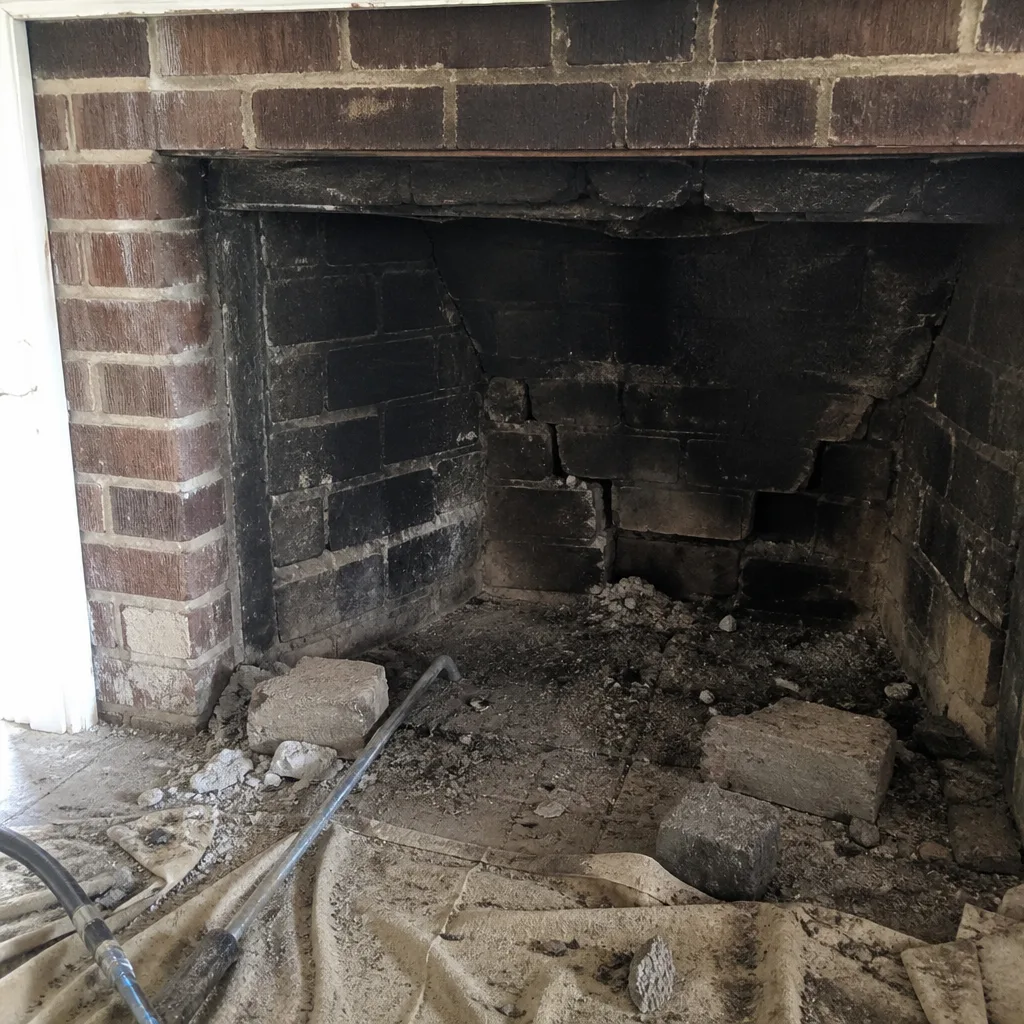 Before
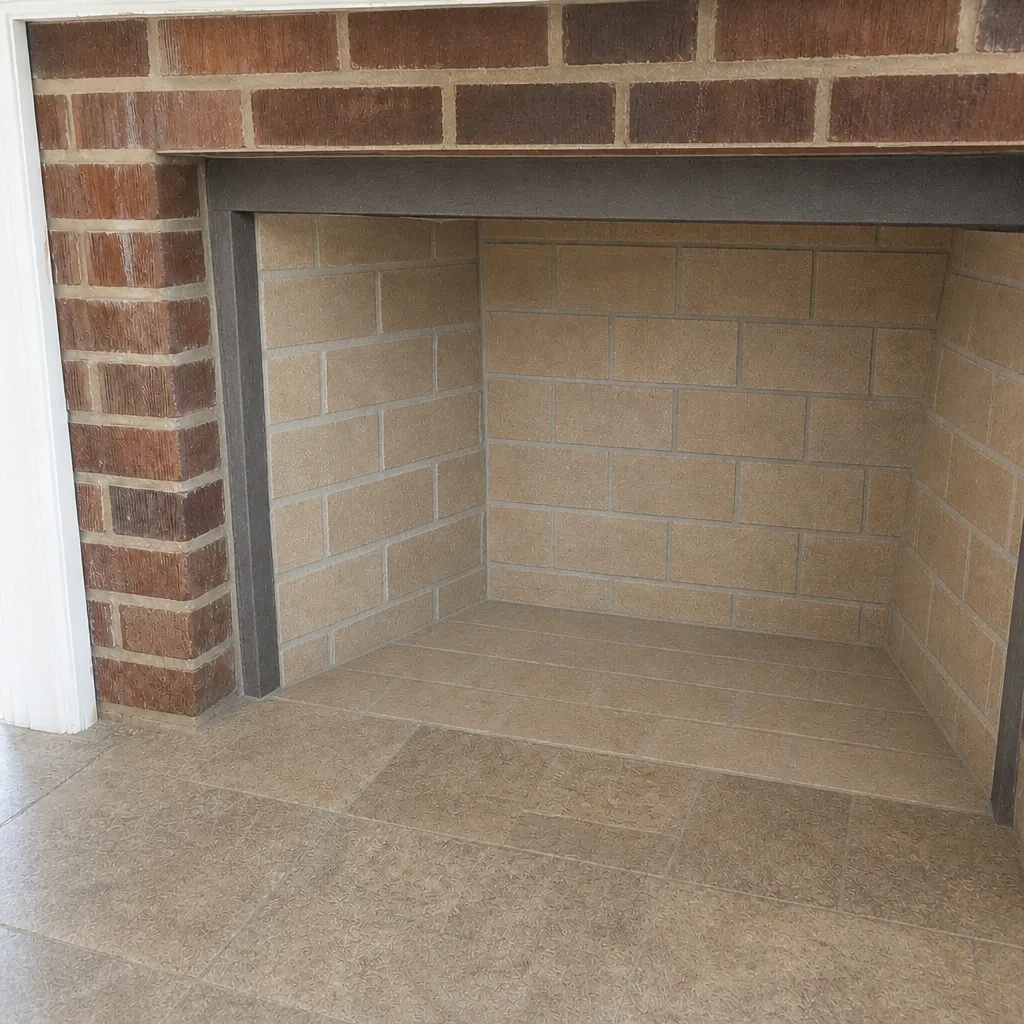 After
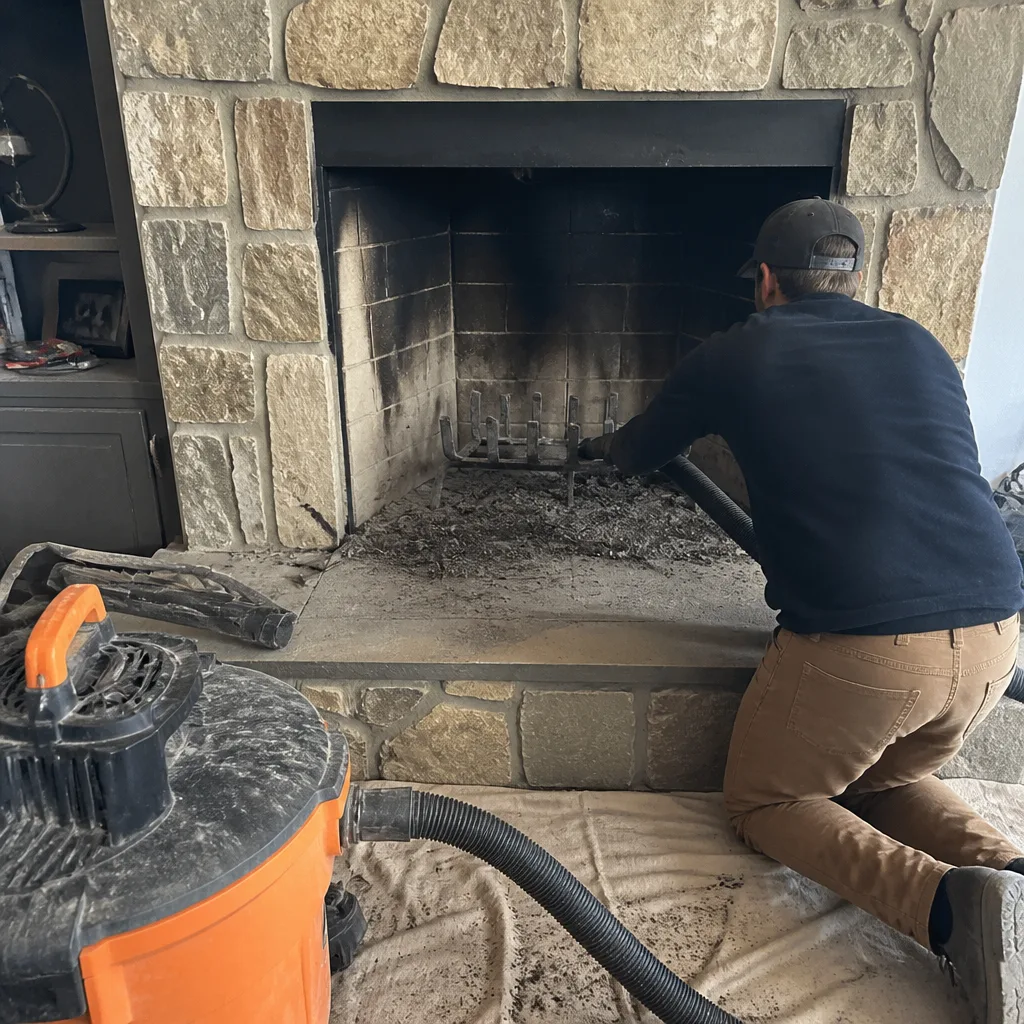 Before
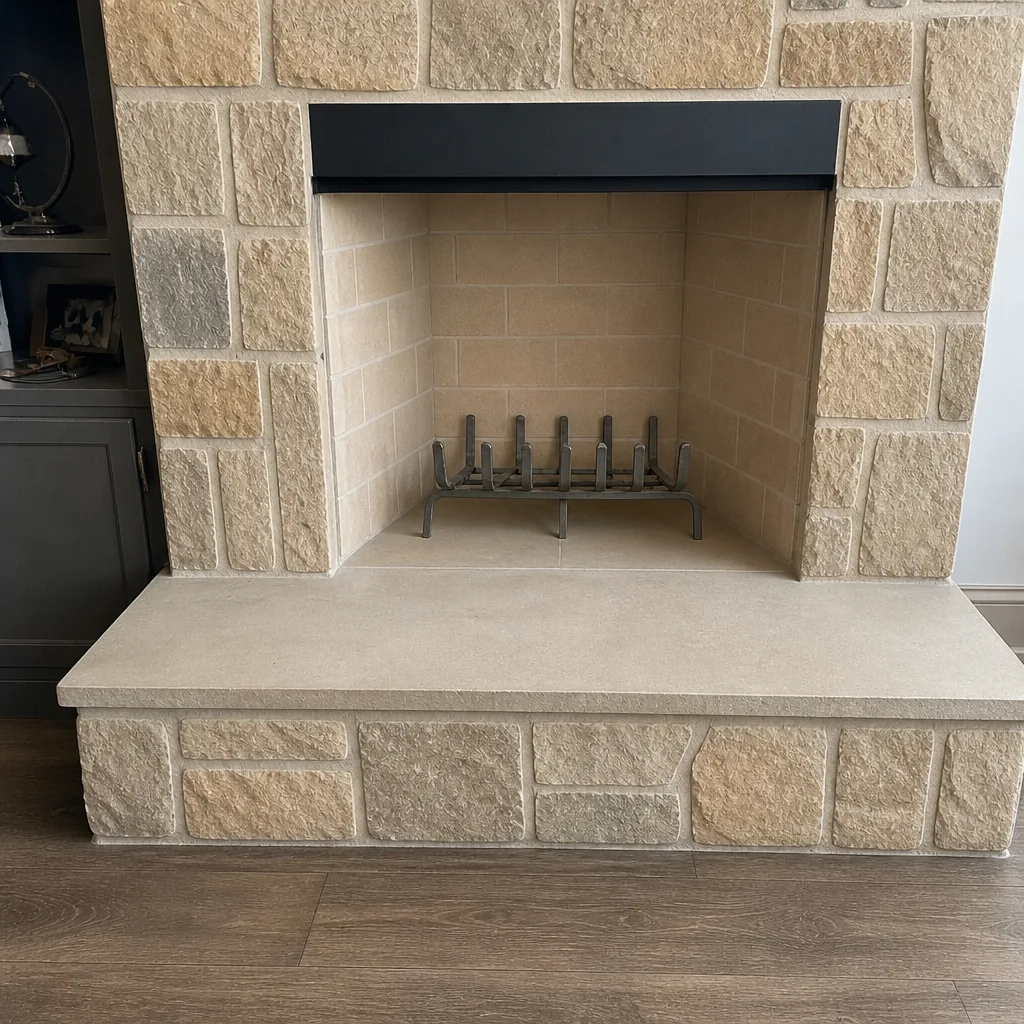 After
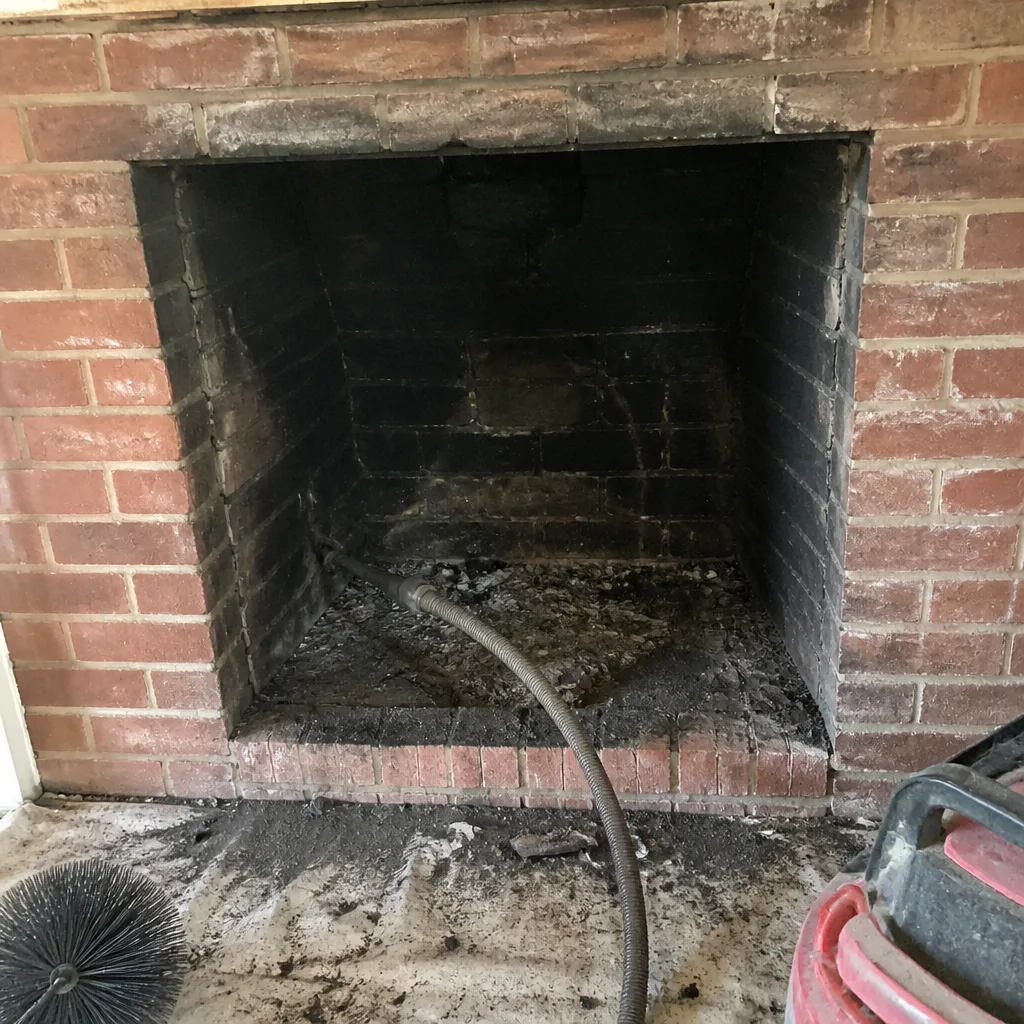 Before
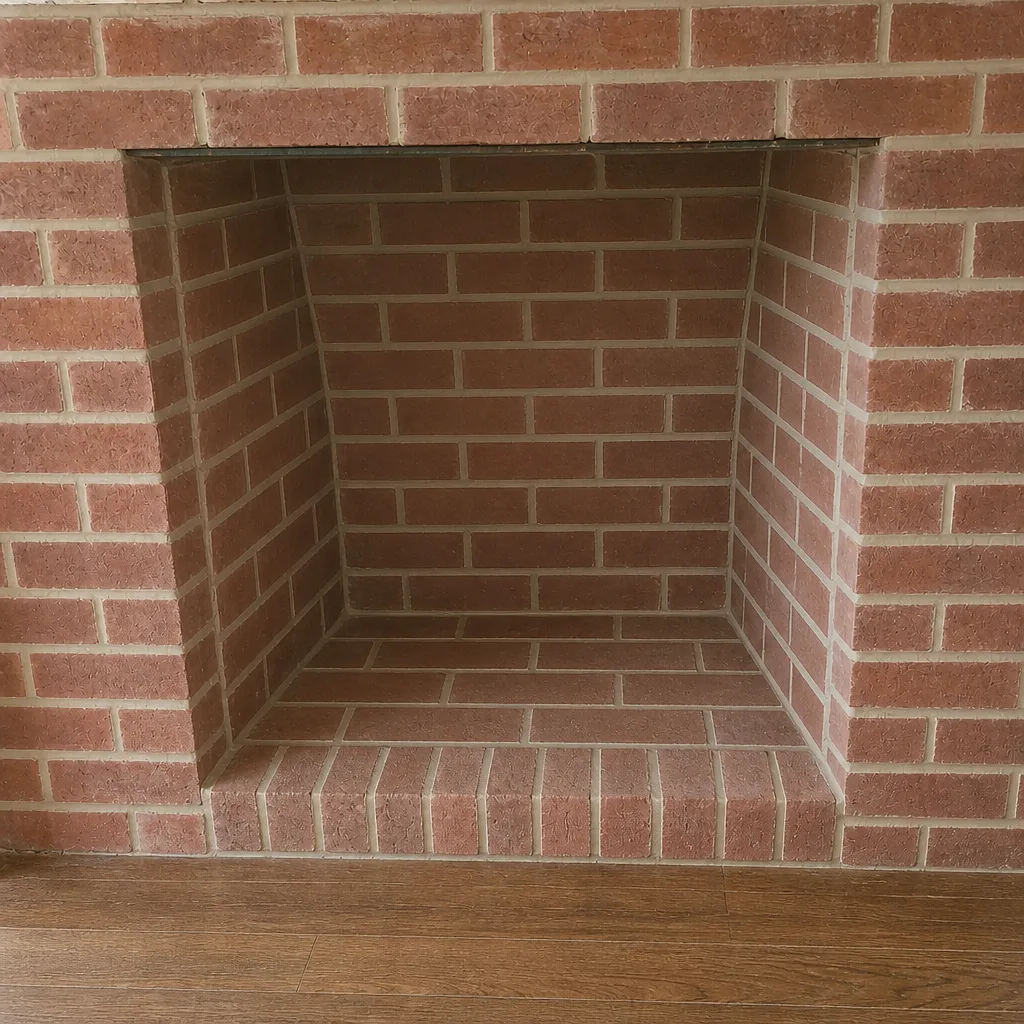 After