
Last updated November 15, 2026
 Sweep & inspection
 Caps & crowns
 Flue relining
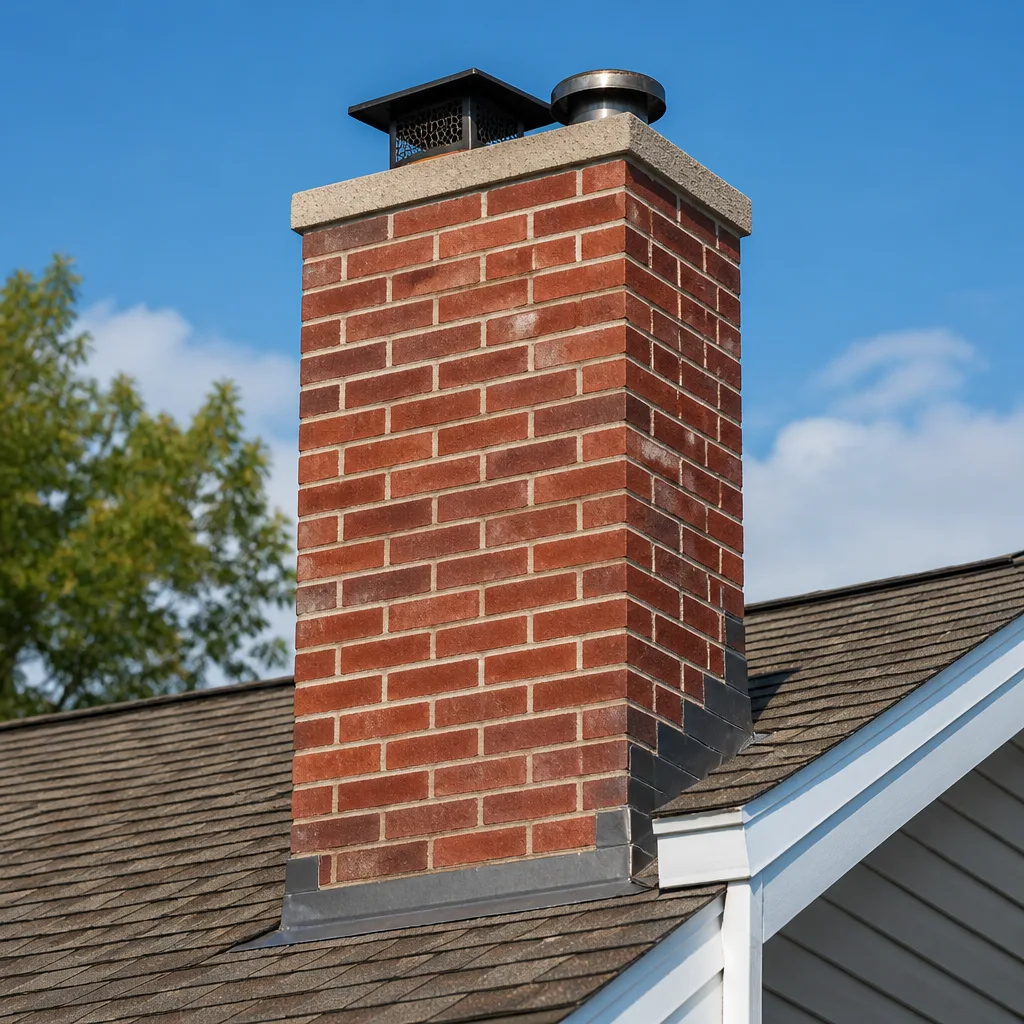 Masonry repair
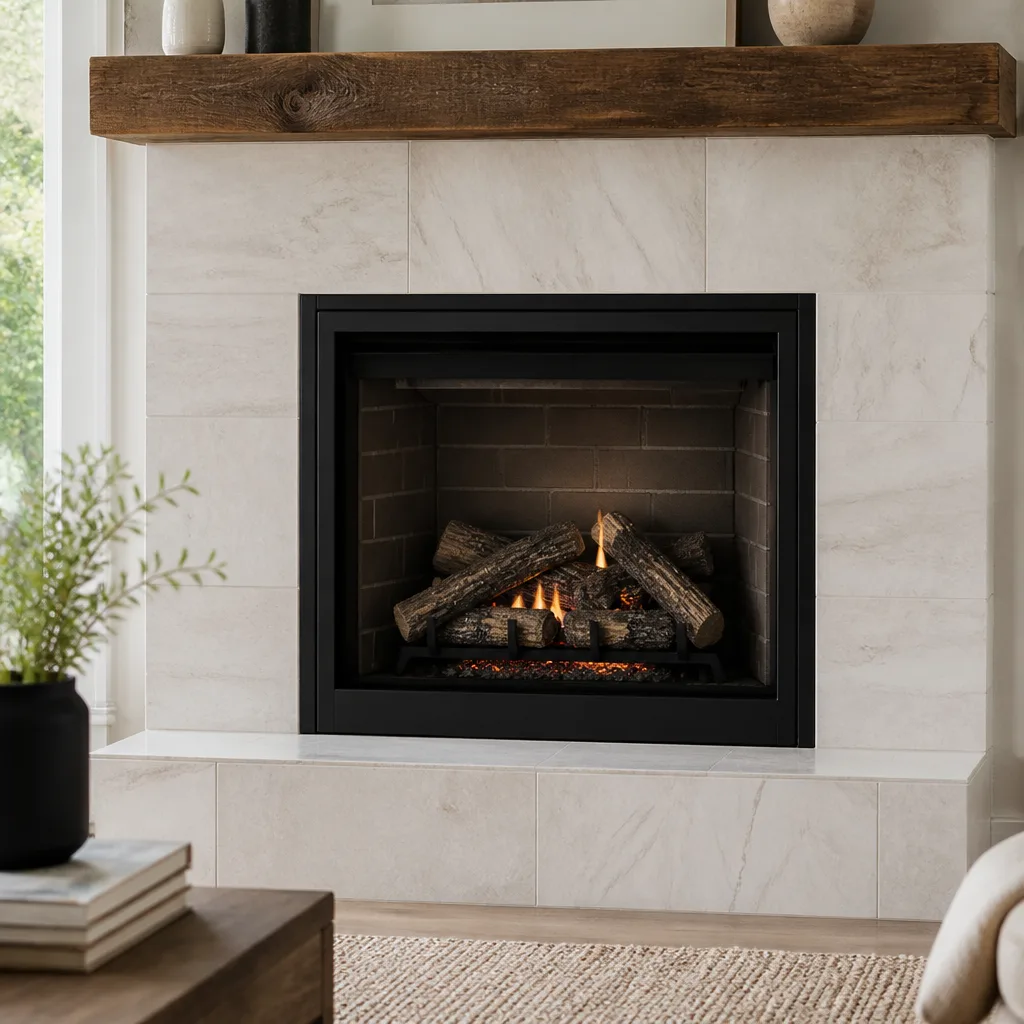 Gas fireplace service
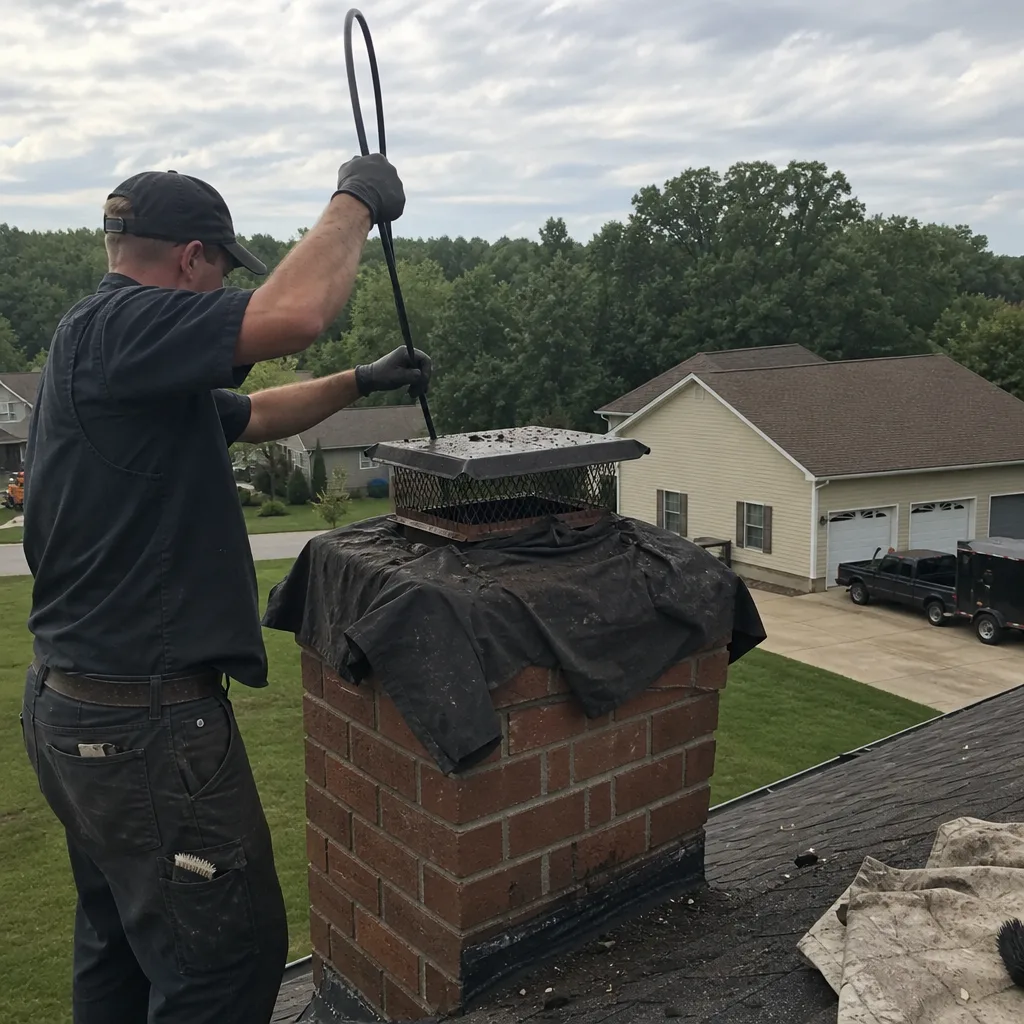
Level 1 sweep and inspection to the NFPA 211 annual standard - flue, crown, cap, and flashing checked and photographed
Chimney sweep logs do not sweep chimneys. They loosen some creosote - which then falls where a brush and vacuum still have to collect it.
How to Hire a Chimney Cleaning Contractor in Clarksville: A Step-by-Step Guide
Most homeowners assume the person sweeping their chimney has been tested on something. In Tennessee, nobody has to be. There’s no state license for chimney sweeps here, which means the technician who quoted your neighbor a low flat rate may have bought a brush kit online last month and have no liability coverage behind the work. That gap matters more than most people realize: a chimney fire traced to improper cleaning or a botched liner install can become a fight with your own insurer. This guide walks you through vetting a contractor in Clarksville the way a careful homeowner should, from certification checks to reading an estimate line by line.
Styles & brands we work with
- Sweep & inspection
- Caps & crowns
- Flue relining
- Masonry repair
- Gas fireplace service
Quick Answer
To hire a chimney cleaning contractor in Clarksville, verify CSIA certification directly through the Chimney Safety Institute of America, confirm current liability insurance with a certificate of insurance naming fire-related work, ask what camera and inspection equipment they carry, and insist on a written estimate that itemizes cleaning, inspection, and any recommended repairs. Skip anyone who won’t provide those four things before booking.
Table of Contents
- Why Hiring a Chimney Contractor in Clarksville Is Harder Than It Looks
- What CSIA Certification Actually Means and How to Verify It
- The Exact Questions to Ask Before You Book
- Why Camera Inspection Equipment Separates Pros From Pretenders
- What a Legitimate Written Estimate Should Include
- The “Bait and Inspect” Scam and How to Spot It
- What Insurance Documentation to Request and Why It Matters for Fire Work
- Permits, Liner Work, and What Clarksville Homeowners Should Expect
- Common Mistakes to Avoid
- When to Call a Professional
- Frequently Asked Questions
- The Bottom Line
Why Hiring a Chimney Contractor in Clarksville Is Harder Than It Looks
Chimney work sits in an odd corner of the home services world. It’s notlicensed like electrical or plumbing, and it’s not inspected before occupancy like framing. There’s no state board that reviews credentials, no apprentice-to-journeyman ladder, and no required continuing education. Anyone with a van, a ladder, and a brush can print “chimney sweep” on a business card and start taking calls in Clarksville tomorrow.
That low barrier cuts both ways. Plenty of skilled, careful technicians operate without belonging to a trade association, and certification isn’t the same as competence. But it also means the price tag tells you almost nothing. A low quote can reflect efficiency, or it can reflect the absence of insurance, training, and equipment. Without a way to tell the difference, homeowners tend to pick on price, and that’s exactly how the race to the bottom gets started.
The other wrinkle is the work itself. Chimney sweeping isn’t just cleaning. It’s a diagnostic service that determines whether your flue is safe to use. A proper inspection looks at creosote buildup, flue tile condition, damper operation, cap and crown integrity, and the smoke chamber. If the person doing that inspection can only see the bottom foot of the flue because they don’t have a camera, they’re not really inspecting. They’re guessing.
Clarksville’s housing stock makes this more important than in a new-construction suburb. Older homes around downtown and the neighborhoods near Austin Peay have chimneys that have seen decades of burning, sometimes with inserts or liners installed by previous owners and never documented. A technician who understands what to look for in an older flue, and who carries the parts and materials to fix what they find, is worth more than a lower hourly rate from someone without either. That’s the core of our own approach at Chimney Sweep Clarksville: we don’t just find the problem, we carry the parts to solve it.
What CSIA Certification Actually Means and How to Verify It
CSIA certification is the closest thing the chimney trade has to a professional credential, and it should be the minimum bar for anyone working inside your flue. The Chimney Safety Institute of America is a nonprofit that tests and certifies chimney sweeps on codes, venting, combustion science, and safety practices. Certification requires passing an exam and maintaining it through ongoing education, which is more than most jurisdictions require on their own.
Here’s the snag: anyone can say they’re certified, and lots of companies use the word “certified” to mean something else entirely, like “we attended a manufacturer training.” The claim only means something if you check it.
How to verify CSIA certification:
- Ask for the technician’s full name as it appears on their certification, not just the company name.
- Look up that person on the CSIA’s public directory of certified professionals.
- Confirm the certification is current, not expired or lapsed.
- Ask whether the company’s insurance covers certified and non-certified employees differently (it shouldn’t, but the answer tells you something).
Don’t let a company talk around the question. If they say “our sweeps are all trained and certified” without giving you a name, treat that as unverified. Certification applies to individuals, not to business names, no matter how they phrase the marketing.
Clarksville homeowners sometimes ask whether certification is mandatory. It isn’t. Nothing about chimney work in Tennessee is mandatory from a licensing perspective, which is exactly why certification functions as a voluntary standard you can use as a filter. If two companies quote similar prices and only one can produce a verifiable CSIA name, the decision gets a lot easier.
The Exact Questions to Ask Before You Book
The right questions separate a real chimney contractor from a fast brush-and-run operation. Ask these before anyone climbs on your roof or steps inside the flue.
- Are you CSIA certified, and can you give me the name and certification number to verify? If the answer is vague, that’s your answer.
- Do you carry liability insurance, and can you email me a certificate of insurance before the appointment? Chase this down before booking, not after.
- What camera equipment do you carry? A proper inspection uses a video camera on a flexible rod to see the full flue. If they rely on a flashlight and a mirror, they can’t see the top of the chimney.
- Do you pull permits for liner work? Most cities require permits for fireplace and venting alterations, and a contractor who skips that step is passing the risk to you.
- What does your written estimate include? Ask whether it lists every line item, including repair recommendations, or whether it just gives a single total.
- Are you the person who’ll actually do the work? Many operations send an estimator who isn’t the technician, and the person doing the job gets details secondhand.
- If you find a problem, do you repair it yourselves, or do I need a separate contractor? This one matters, because the repair path shouldn’t require starting the vetting process all over.
- How do you handle creosote removal at different stages? Third-degree creosote, the glazed and hardened form, usually calls for rotary or chemical removal, not a standard brush.
If you don’t want to memorize the whole list, narrow it down to five: certification, insurance, camera, permits, written estimate. Those five questions cover the same ground in a shorter conversation, and any technician should be able to answer them without hesitation. A contractor who can’t answer those clearly isn’t ready for chimney work inside your home, regardless of price.
Why Camera Inspection Equipment Separates Pros From Pretenders
You can’t fix what you can’t see. That’s the whole case for camera inspection in a single sentence. A brush and a flashlight can tell you there’s creosote in the bottom foot of the flue. They can’t tell you whether the tile liners higher up are cracked, whether the smoke shelf is warped, or whether an off-angle flue is venting properly.
Professional camera inspection uses a small color camera on a flexible rod fed down the flue from the top or up from the firebox. It records video of the entire flue interior, which serves two purposes. First, it lets the technician spot real problems, not just likely ones. Second, and often overlooked, it gives you a record you can keep. If you’re buying an older home in Clarksville and the seller’s inspection didn’t cover the chimney, that video is what tells you whether you’re inheriting a working fireplace or a project.
In our experience, the recommend-fix-or-skip conversation is easier when the camera footage is right in front of both parties. A technician shouldn’t have to guess whether you need a full liner or just resurfacing – a camera inspection shows the condition of the flue tiles directly. We bring video inspection to every calling that comes our way, and we show the footage on-site so no recommendation is a black box. If the liner is intact and the issue is minor glazing, resurfacing with something like HeatShield can address the flue tile without a full replacement. If the tiles are genuinely cracked, a flexible liner system such as DuraFlex is the more appropriate fix. Both options should be explained with reference to what the camera shows, not what the technician hopes you’ll pay for.
What a Legitimate Written Estimate Should Include
A written estimate is the difference between a real job and a handshake with a poorly described work order. It should be specific enough that two people could read it and agree on what’s being done.
What a proper written estimate includes:
- Line-item breakdown of the cleaning, plus any additional charges for height, angle, or difficulty accessing the chimney.
- Inspection scope, including whether the price includes video camera inspection and a copy of the footage.
- Flue condition assessment, listing what the inspection found in plain language.
- Recommended repairs and separate estimates for each, not rolled into a single total.
- Materials and brand names for any liner or resurfacing work, so you can look them up yourself.
- Timeline and sequencing for the work, distinguishing what happens today and what happens on a return visit.
- Payment terms, including whether deposits are required and under what conditions.
What a vague quote usually signals:
- A single dollar amount with no breakdown, which makes it impossible to compare against other estimates or to know what’s included.
- No mention of inspection scope, which usually means the “inspection” is a visual glance from the firebox.
- Repair recommendations not backed by footage, which is where bait-and-inspect problems usually hide.
- No brand names for materials, which makes it hard to verify that the product being installed is what you’d choose.
- Pressure to decide on the spot, whether that’s a discount that expires or a claim that the chimney needs urgent attention.
When we write an estimate, we include brand names for any materials proposed – HeatShield for resurfacing, DuraFlex for flexible liner, and so on. It’s a small thing, but it means the homeowner can research the product before agreeing, rather than trusting a salesperson’s summary. That’s the bar you should expect from anyone you hire in Clarksville.
The “Bait and Inspect” Scam and How to Spot It
The most common scheme in the chimney industry works like this: a company advertises a low-cost cleaning, arrives at the house, and “finds” a serious problem during the inspection – a cracked liner, a crumbling crown, a blocked flue that needs a full replacement. The homeowner, already anxious about chimney fires, agrees to a big-ticket repair on the spot. Sometimes the repair is real, sometimes it isn’t, and sometimes the work doesn’t get done at all.
The scheme works because nobody can see inside a flue from the living room. A homeowner is left trusting the technician’s diagnosis without any way to verify it. Here’s how to steal that advantage back:
- Ask to see the camera footage pointing to the actual damage. A real problem shows up on the recording. If there’s no recording, there’s no evidence.
- Decline same-day repair authorization. A legitimate contractor will schedule a follow-up and put the recommendation in writing.
- Ask what happens if you wait. If the answer is “your house will burn down tonight,” that’s a pressure tactic, not a diagnosis. A genuine hazard needs prompt attention; a cosmetic issue can wait weeks without harm.
- Get a second opinion on any repair over a few hundred dollars, especially if the recommendation came from the same company that cleaned the chimney.
The underlying problem is the low-cost cleaning call itself. A company advertising a rock-bottom cleaning has to make its margin somewhere, and the somewhere is usually in the “repairs” recommended afterward. We don’t sell cleaning as a loss-leader, but we do show the footage to every homeowner and let them decide with full information. If you want to see what a real inspection report looks like before you call anyone, our Chimney Sweep Clarksville page lays out how the process runs. If the cleaning reveals damage that can be addressed, we say what it is and what it costs, and if it can wait, we tell you that too.
What Insurance Documentation to Request and Why It Matters for Fire Work
Ask for a certificate of insurance (COI) before the appointment, and actually read it. A COI is a one-page summary from the contractor’s insurance company listing general liability and workers’ compensation coverage. If a contractor can’t produce one quickly, that’s information you should act on.
Chimney work carries a specific insurance reason beyond general liability. If a technician’s work is later linked to a house fire, the insurer may investigate the cause, and the sequence of causes leading to a chimney fire or carbon monoxide incident starts with the flue. Damage caused by improper cleaning, liner failure, or wrong materials can turn into an insurance dispute. Your homeowner’s policy may or may not cover the downstream damage. A contractor without liability insurance shifts that risk entirely to you.
Here’s what to look for on the COI:
- Current policy dates – an expired COI is worse than none.
- General liability coverage in an amount that reflects the work being done, not a token minimum.
- Workers’ compensation coverage, since a technician injured on your property without it can pursue you directly.
- The name on the policy matching the company on the estimate, not a sister company or an unrelated entity.
Ask whether the policy covers fire-related damage or whether the insurer expects a separate rider for that kind of work. Not every contractor knows, and the good ones will find out. For work inside a flue, this is the piece to get right. Protecting your insurance position starts with the paperwork, and it doesn’t cost anything to ask before you book.
Permits, Liner Work, and What Clarksville Homeowners Should Expect
Liner work is construction, and most cities require a permit for it. That’s not unique to Clarksville, but it’s a detail homeowners often skip because the work happens inside a flue where nobody sees it. A new liner alters the chimney’s interior structure, and the permitting process exists to make sure the job is inspected for code compliance.
Ask upfront whether the contractor will pull the permit, and whether the permit fee is included in the estimate. A company that offers to “skip the permit to save you money” is offering to pass the compliance risk to you. That risk shows up if you sell the home, if an insurance claim involves the liner, or if a code inspector has questions down the road.
Two repair approaches are worth knowing by name:
- Full liner replacement, using a flexible liner system such as DuraFlex, is appropriate when the flue tiles are cracked, missing, or nonsensical for the appliance being vented. It’s a permanent fix and usually the more expensive path.
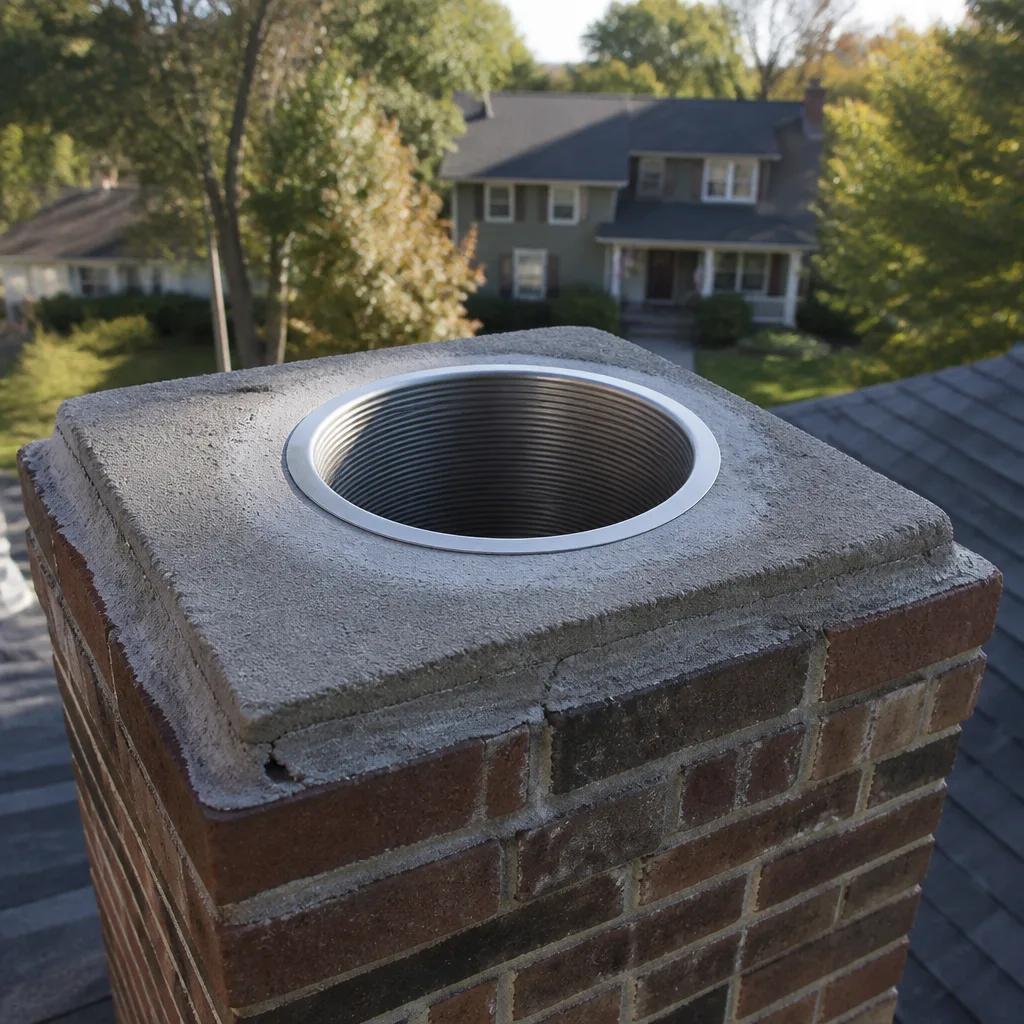
- Liner resurfacing with HeatShield is a ceramic coating applied to the interior of a flue that’s deteriorated but not failed. It seals minor cracks and restores the flue surface without full replacement. It isn’t appropriate for every chimney, but where it fits, it’s a middle path between “leave it” and “rebuild it.”
Companies that only clean don’t offer either option, which is why the estimate conversation matters. Our own material shelf includes products from Olympia Chimney and Famco alongside the HeatShield and DuraFlex lines, which means we can specify the right component for a given flue rather than stretching one product to fit every job. That’s what a full-service contractor should be able to do.
A chimney sweep isn’t just a cleaning service anymore. A good one is an inspection and repair relationship, which is the standard we hold ourselves to in Clarksville.
Common Mistakes to Avoid
- Hiring on price alone. A very low cleaning quote is often funded by inflated repair recommendations later in the visit. Ask what’s included in the cleaning price and get it in writing before agreeing.
- Skipping the CSIA check. “We’re certified” is a marketing claim until you’ve verified a specific technician in the CSIA directory. Don’t accept a company-level certification claim as equivalent.
- Not asking for a COI. Insurance documentation is the homeowner’s only direct leverage if something goes wrong. Ask for it before booking and read it for current dates and matching business names.
- Authorizing repairs on the spot. A real problem will still be a problem tomorrow, which means there’s always time to review the footage and get a second opinion. Same-day pressure is a red flag, not a courtesy.
- Ignoring the flue’s history when buying a home. An older home in Clarksville with an undocumented insert or liner needs an inspection before first use. A standard home inspection usually doesn’t cover the inside of a flue.
- Assuming the dryer vent is someone else’s problem. Clogged dryer vents are among the leading causes of home fires, and they’re often overlooked in the chimney conversation. dryer vent cleaning is worth having done at the same visit if you haven’t had it checked in years.
- Not asking what happens if you wait. A contractor who tells you every issue is urgent isn’t giving you useful information. The right question is what the actual risk is and what timeline it carries.
When to Call a Professional
Some chimney work can wait. Some shouldn’t. Call a professional if you’ve never had the chimney inspected and you don’t have a record from the previous owner; if you’re seeing smoke inside the house when you use the fireplace; if there’s visible creosote on the damper or firebox walls; if the chimney has a strong odor that doesn’t clear; or if you’re burning fires more frequently and it’s been a while since the last sweep. If you’ve recently bought an older home in Clarksville and don’t know its chimney history, a full assessment before the first fire is the safer call. If you’re experiencing symptoms that could indicate carbon monoxide from a blocked flue, stop using the appliance and call a professional.
Chimney Sweep Clarksville offers free estimates in Clarksville – call (866) 942-9931. We answer 24/7. Fast dispatch from 7am to 7pm, Sunday through Friday. The written estimate sets the final price, and the inspection comes before any recommendation.
Frequently Asked Questions
A standard chimney cleaning and inspection in Clarksville typically falls in a moderate range that depends on the number of flues, the degree of creosote buildup, and access to the chimney. Line-item estimates are more useful than a single total, since they show exactly what’s covered. Call (866) 942-9931 for an exact quote – estimates are free.
You need a new liner if the camera inspection shows cracked or missing flue tiles, or a flue that isn’t sized for the appliance venting into it. If the tiles are intact but deteriorated on the surface, resurfacing with a product like HeatShield may be an option instead of full replacement. Don’t accept a liner recommendation without seeing the footage that justifies it. Call (866) 942-9931 to schedule an inspection with recorded footage.
Most wood-burning chimneys should be swept annually, and more often if you burn frequently or notice creosote buildup at the damper. Gas inserts typically need an annual inspection even though they generate far less creosote. The right interval depends on how much you actually burn and what the flue looks like. Call (866) 942-9931 and we’ll help you set a sensible schedule.
Creosote builds up on the flue walls with every fire, and at higher concentrations it can ignite. A chimney fire can damage the liner or spread beyond it. Skipping regular sweeps also means small cracks or blockages go unnoticed, which can affect venting. The risk is cumulative rather than immediate, which is why annual inspection is the sensible middle ground. Call (866) 942-9931 to book a sweep before burning season.
No. Tennessee doesn’t require a state license or certification for chimney sweeps, which is why verifying a CSIA certification independently matters so much. Look up the technician by name in the CSIA directory rather than accepting the company’s word. Call (866) 942-9931 if you’d like to schedule with a team that can show its credentials.
Yes. Older homes often have chimneys with undocumented inserts, retrofitted liners, or years of deferred maintenance, and those are exactly the situations a thorough inspection is built for. Our technicians have up to 10 years of experience with setups that require more than a brush. Call (866) 942-9931 to schedule an assessment before first use.
Yes. We offer dryer vent cleaning as a standalone service or as an add-on to a chimney visit, and combining the two keeps one appointment instead of two. Call (866) 942-9931 and we’ll bundle both into one trip.
We answer 24/7, and a call outside dispatch hours is booked into the next opening, Sunday through Friday, 7am to 7pm. We’re closed on Saturday. Call (866) 942-9931 and we’ll find the next available slot for your sweep or repair.
The Bottom Line
Hiring a chimney contractor in Clarksville comes down to verification, not price. Check the CSIA certification by name, request a certificate of insurance before booking, ask what camera equipment the technician carries, and insist on a written estimate that separates cleaning from repairs. Treat any same-day repair authorization as a red flag, and get a second opinion on anything expensive. The right contractor will happily answer every one of those questions and show you the footage that justifies their recommendation. If the recommendation can wait, they’ll tell you so, and that’s a good sign. If you’d like to put a reputable sweep on your calendar, we’re here to help.
Chimney Sweep Clarksville handles the whole job – cleaning, repair, liner resurfacing, and dryer vent work – with professional-grade materials rather than off-the-shelf fixes. Fire safety from the firebox to the dryer vent, and one call covers it. Call (866) 942-9931 for a free estimate. We answer 24/7. Fast dispatch from 7am to 7pm, Sunday through Friday.
If you’re also checking on neighboring communities, our Charlotte page covers the same process for homeowners there.
Written by the team at Chimney Sweep Clarksville.
See the difference
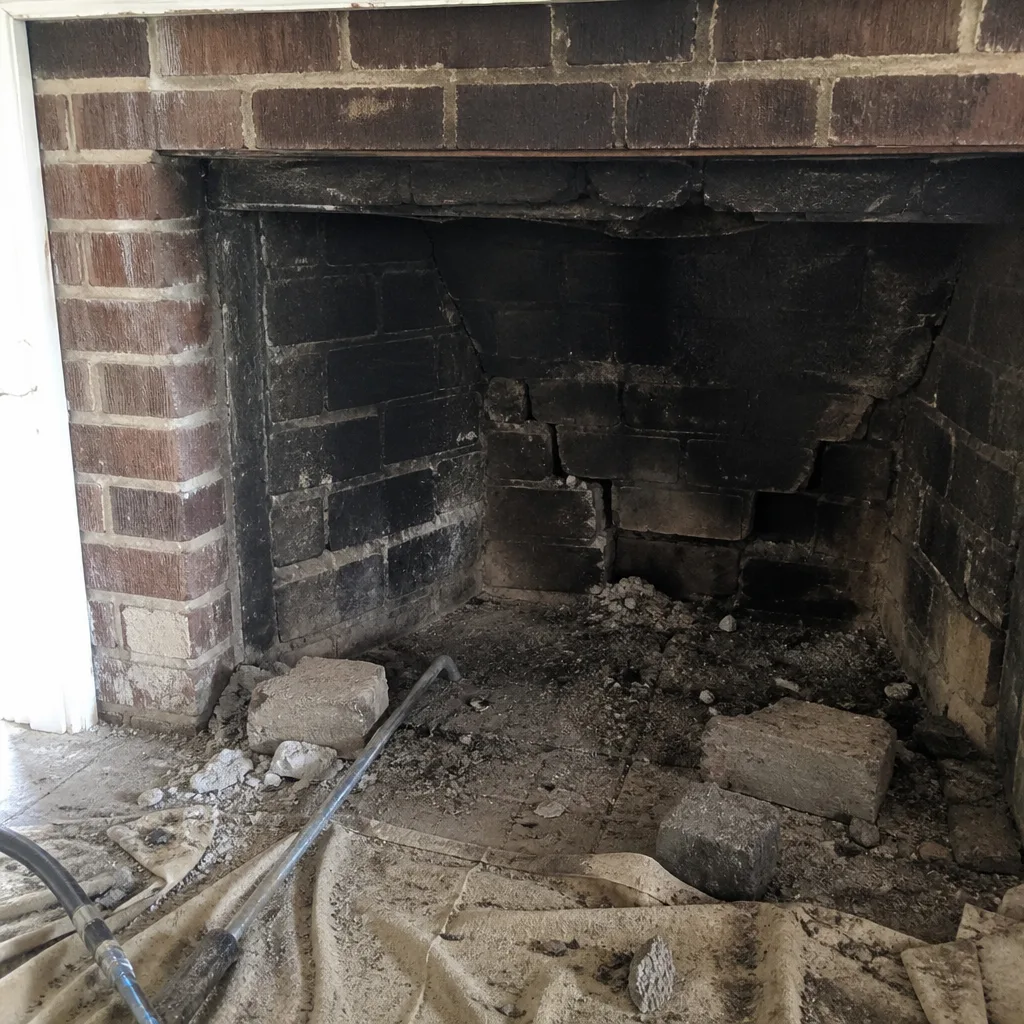 Before
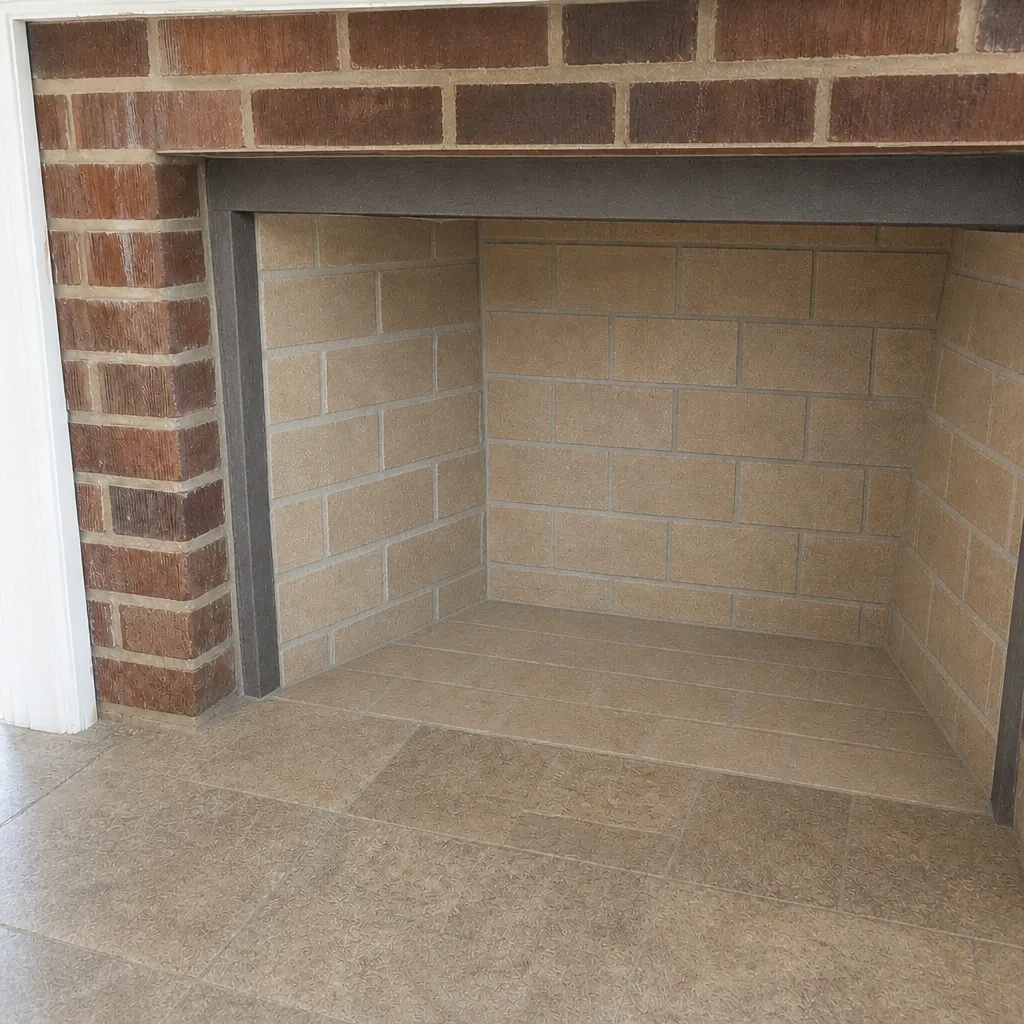 After
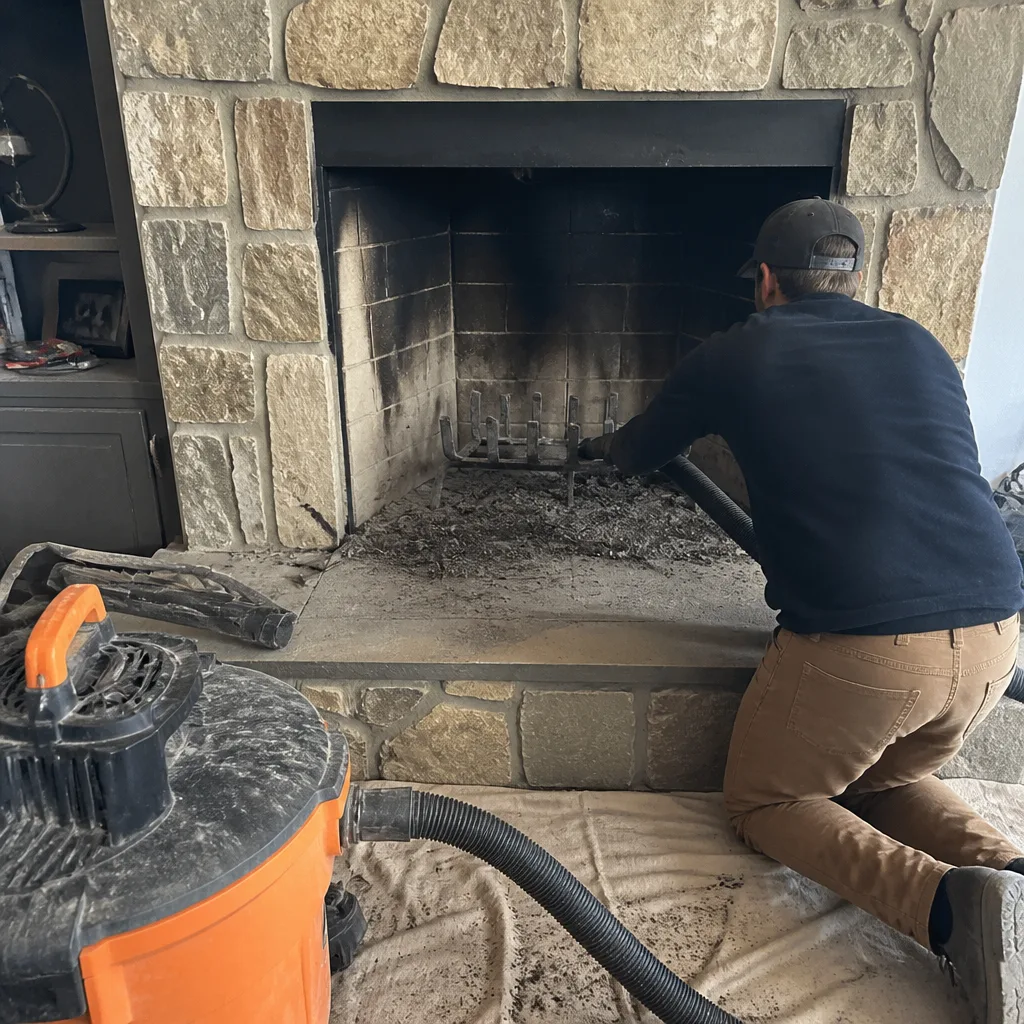 Before
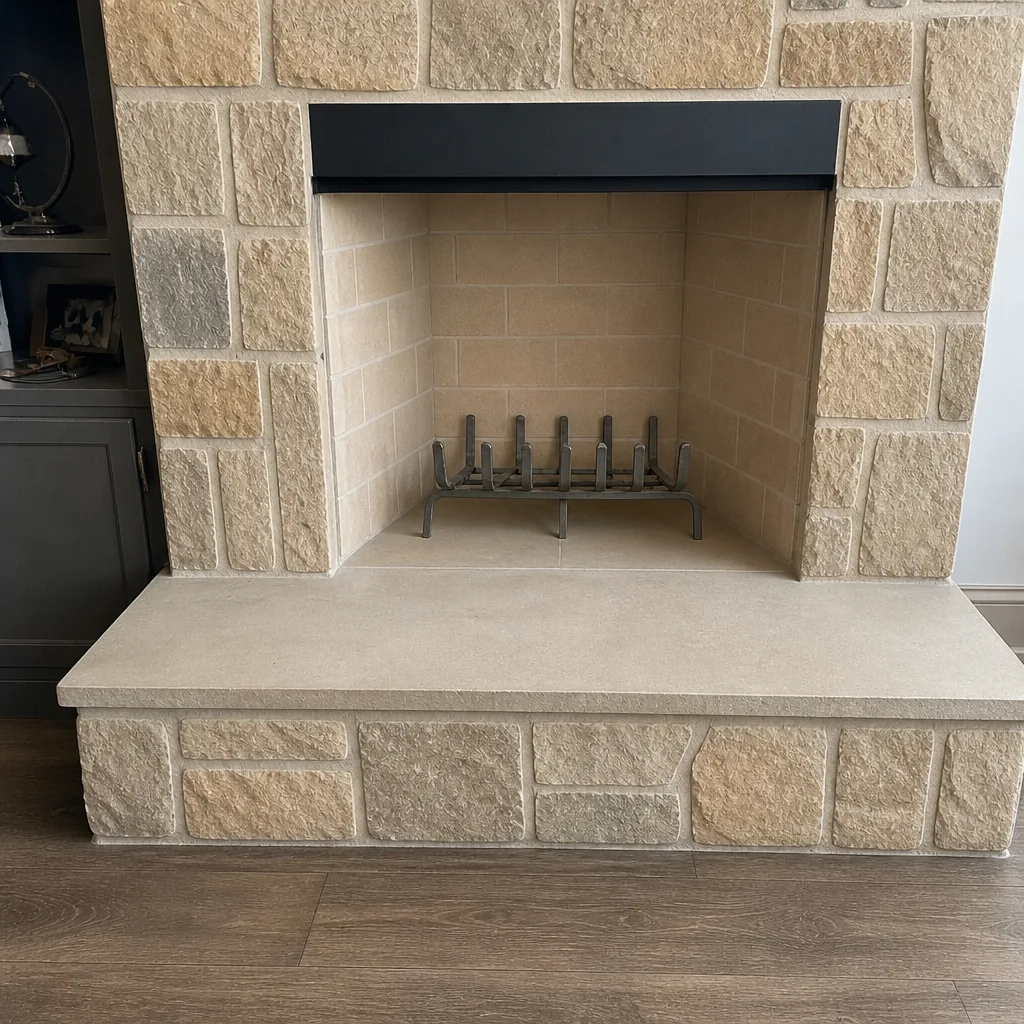 After
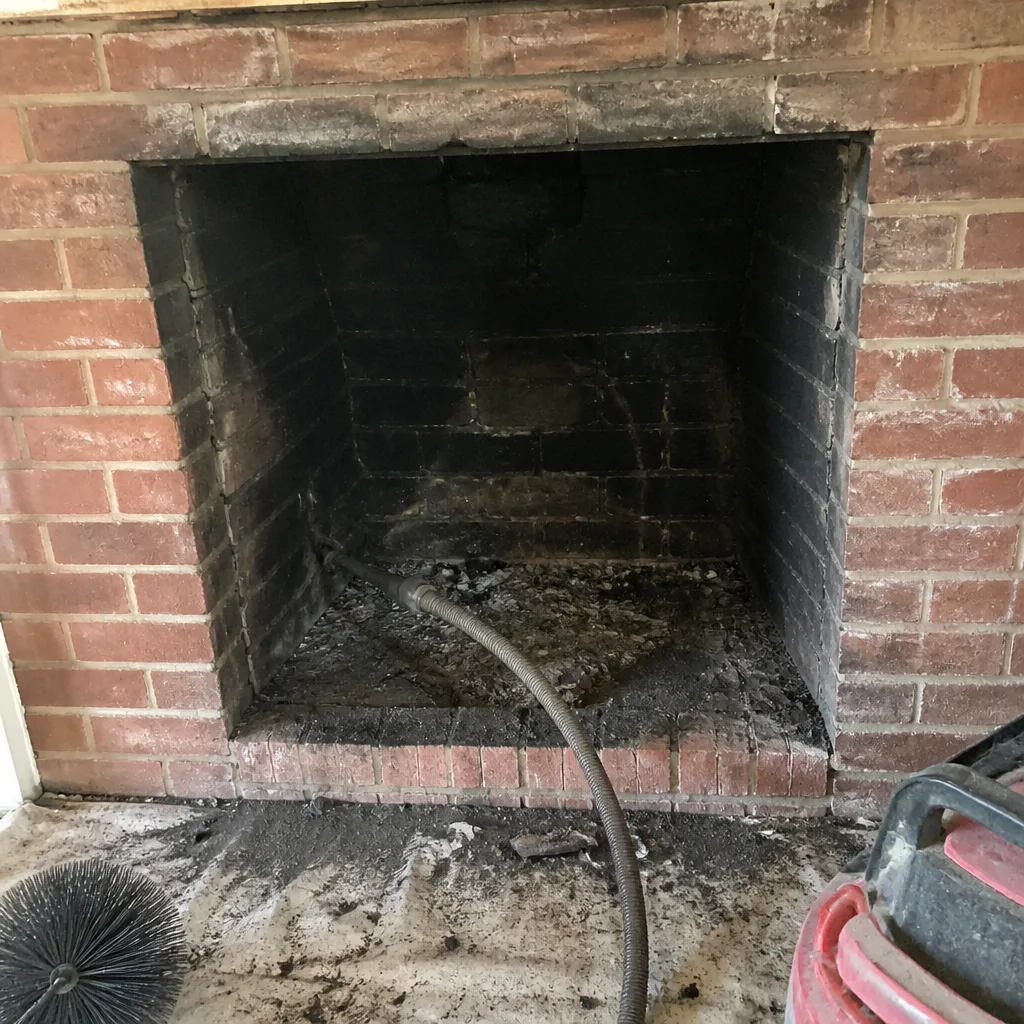 Before
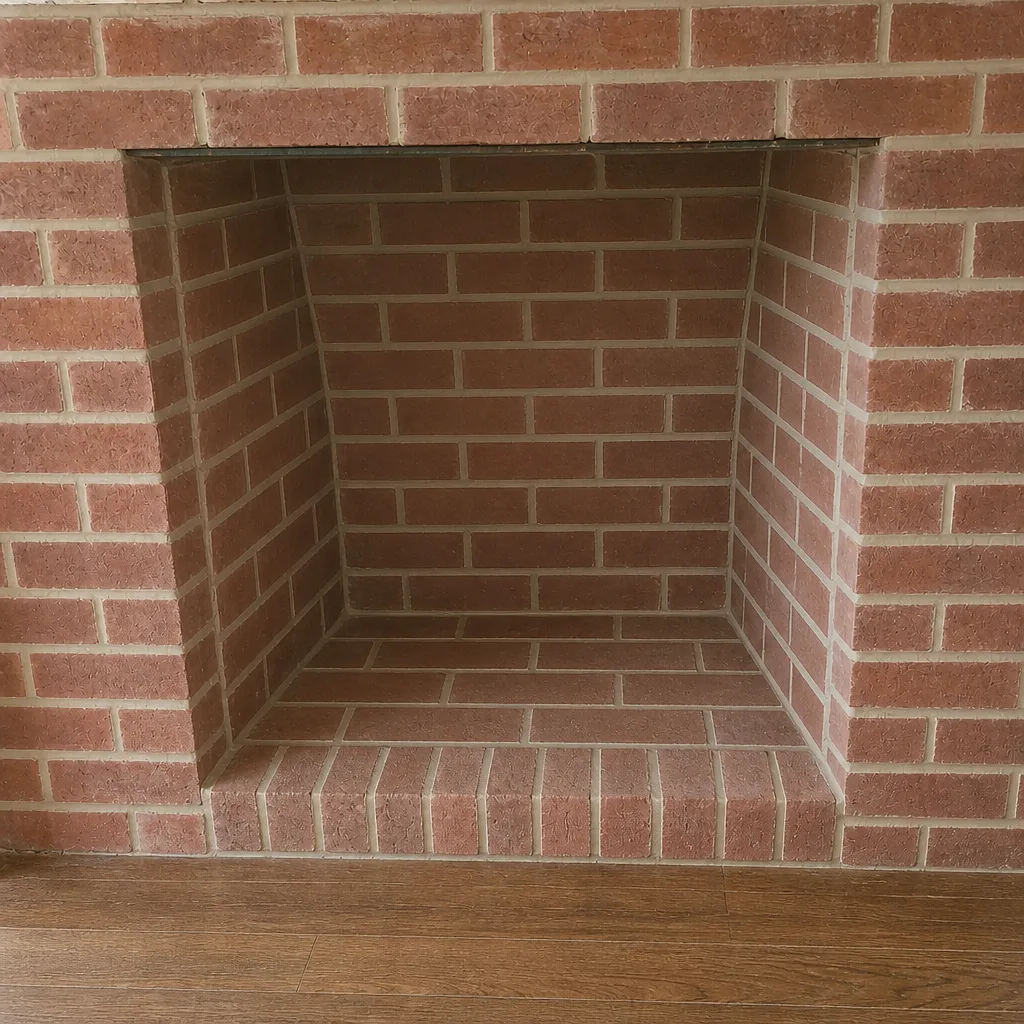 After