
Last updated November 15, 2026
 Sweep & inspection
 Caps & crowns
 Flue relining
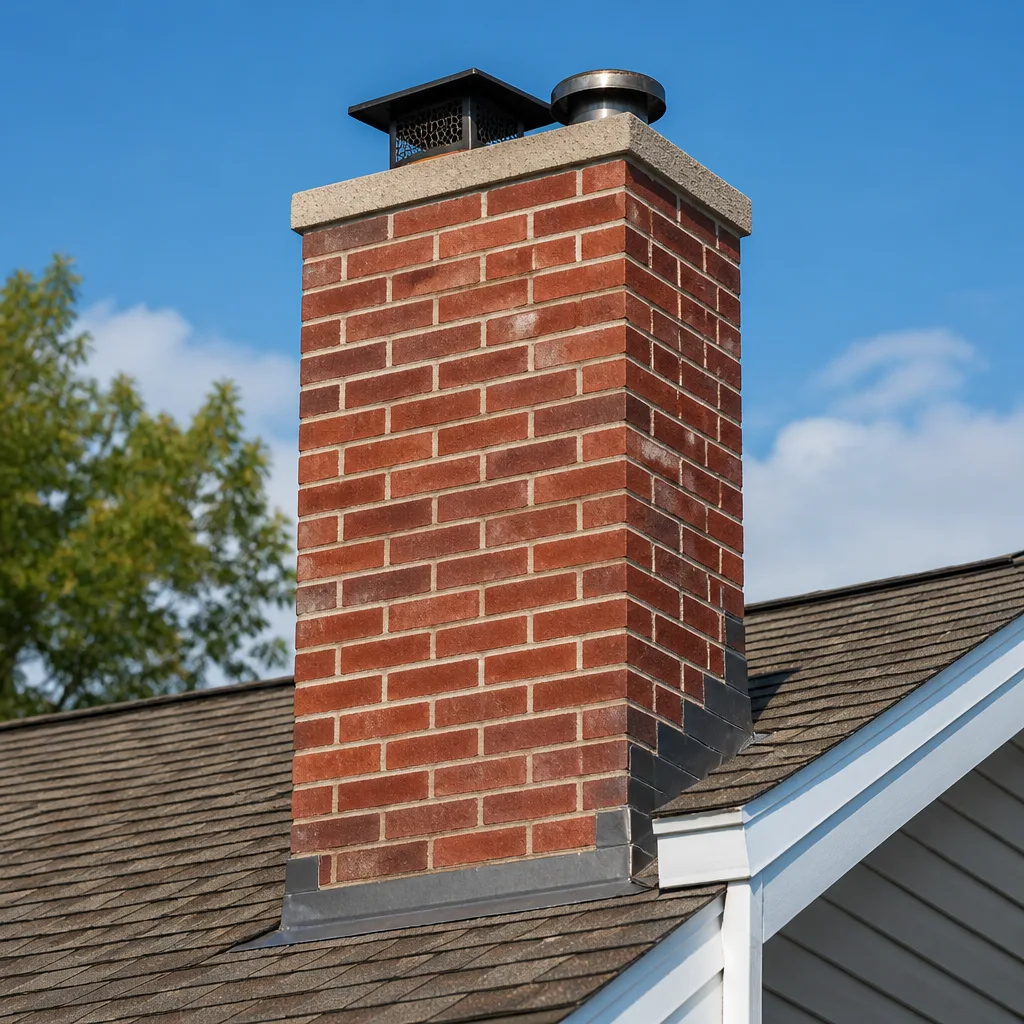 Masonry repair
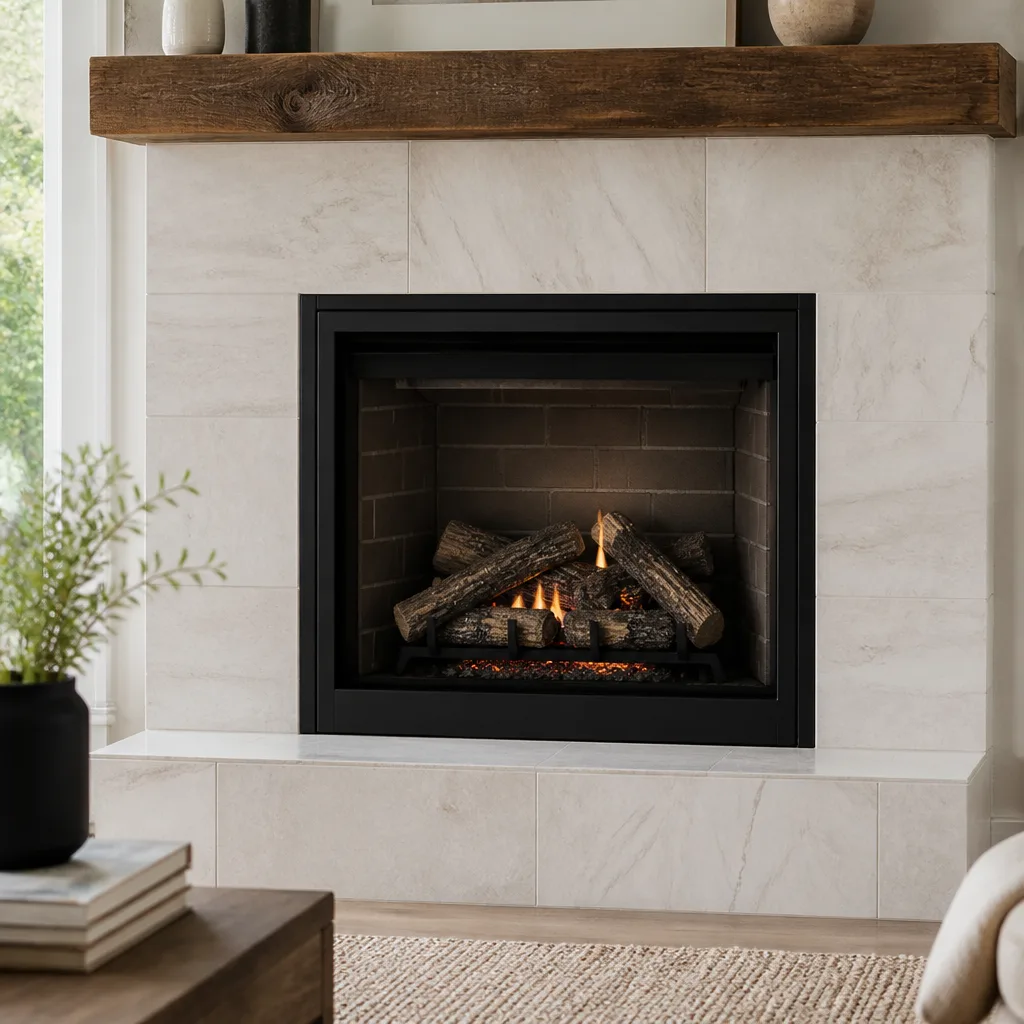 Gas fireplace service
Level 1 sweep and inspection to the NFPA 211 annual standard - flue, crown, cap, and flashing checked and photographed
Chimney sweep logs do not sweep chimneys. They loosen some creosote - which then falls where a brush and vacuum still have to collect it.
Seasonal Chimney Cleaning Care for Clarksville: Year-Round Homeowner’s Guide
Most homeowners treat the chimney like a lawn mower: pull it out in October, put it away in March. That habit is backwards for this part of Tennessee. Clarksville gets more than 50 inches of rainfall a year, which is wetter than Seattle, and the chimney sits out there absorbing it for the six months nobody is paying attention. The fire is the easy part. The water is what quietly breaks the masonry. This guide maps chimney care to each Clarksville season: what the rain does in spring, what the humidity does in summer, what to watch during the burning months, and why the fall sweep needs to happen before the first fire rather than a few weeks into it.
Quick Answer
Chimney care in Clarksville works best on a four-season cycle: clean and inspect in early fall before the first fire, watch the flue and firebox through winter, clear debris and check the crown for frost damage in spring, and address moisture, mortar, and cap issues in summer before the humid months do their damage. One annual sweep protects against creosote; year-round attention to water protects the masonry itself. Both matter here because of how wet this climate is.
Styles & brands we work with
- Sweep & inspection
- Caps & crowns
- Flue relining
- Masonry repair
- Gas fireplace service
Table of Contents
- Why Clarksville Chimneys Need Year-Round Care
- Spring: Post-Season Cleanup and Frost Damage Checks
- Summer: Humidity, Mortar, and Water-Repellent Protection
- Fall: The Pre-Season Sweep and Inspection
- Winter: Mid-Season Checks During Active Burning
- The Clarksville Seasonal Checklist
- When a Cleaning Turns Into a Repair
- Common Mistakes to Avoid
- When to Call a Professional
- Frequently Asked Questions
Why Clarksville Chimneys Need Year-Round Care
Clarksville’s rainfall is the fact that changes how chimney maintenance should work here. With over 50 inches a year spread across the seasons, a brick or stone chimney without a properly fitted cap and a sealed crown spends most of the year in a slow soak. Brick is porous. Mortar is even more porous. Water gets in, and then it does the damage nobody sees until a spring inspection turns up crumbled joints or a cracked crown.
Here’s the part most guides miss: the damage doesn’t happen during burning season. It happens in the off-season, when nobody’s thinking about the chimney. A fire drives moisture out. Six months of wet weather puts it back in. Then the first cold snap freezes that moisture inside the masonry, it expands, and the freeze-thaw cycle starts pulling the chimney apart from the inside out.
That’s why we treat chimney care as a four-season system rather than a fall ritual. Each season has its own job:
- Spring is for clearing what winter left behind and checking for frost damage.
- Summer is for moisture control: sealing the crown, assessing the mortar, and considering a water-repellent application.
- Fall is for the sweep and full inspection, done before the first fire is lit.
- Winter is for the mid-season checks that catch problems while the chimney is in use.
Skip a season and the weakness compounds. A cracked crown that goes into winter unaddressed becomes a saturated chimney by March. A flue that never got swept in the fall becomes a creosote problem by January. Treat each season as a checkpoint and the chimney holds its integrity for decades.
If you’re starting fresh with an older home or a chimney you’ve never had assessed, the place to start is a Chimney Sweep Clarksville inspection that establishes the baseline before you start building a calendar around it.
Spring: Post-Season Cleanup and Frost Damage Checks
Spring is the season for taking inventory. The burning season is over, the freeze-thaw stress of winter has been applied, and now you can see what the masonry actually looks like after a season of use. What you’re looking for in a spring walk-around is damage that the winter may have caused or accelerated.
What to check on the exterior
- The crown. This is the concrete or mortar cap at the top of the chimney that sheds water away from the flue. Look for cracks, chips, or separation where the crown meets the flue tile. A cracked crown is the single most common entry point for water.
- The cap and spark screen. The cap should be solid and properly fitted, and the screen should be intact. Birds, squirrels, and raccoons look for gaps this time of year, and a loose cap lets both animals and rain in.
- Mortar joints. Run your eyes down the brickwork looking for crumbly or recessed mortar. Frost damage shows up first in the joints because mortar is softer than the brick.
- Spalling brick faces. If the face of a brick is flaking or popping off, moisture got inside and froze. That brick will need attention.
- The flashing where the chimney meets the roof. Spring storms test the flashing. Look for gaps, rust, or loose edges.
Inside, spring is the time to clear out ash from the firebox and check the damper. Ash left sitting in the firebox through the humid months turns into a damp, corrosive paste that eats at the metal grate and the firebox floor. Sweep it out, wipe the firebox down, and leave the damper cracked slightly to let air move through the flue.
Document the condition now
If you’re a newer homeowner or you’ve been meaning to update your insurance file, spring is the season to get a full written record of your chimney’s condition. Photo documentation of the crown, flue, and exterior masonry gives you a dated baseline. If a summer storm or a later event causes damage, you have proof of the condition before it happened. That’s the kind of small step that turns a dispute with an insurer into a short conversation.
We’ve seen plenty of Clarksville homes where a spring inspection caught a hairline crown crack that would have become a rebuilt crown by fall if a winter of rain had gone through it. Catching it in spring is a minor repair. Catching it in fall, after a wet summer, is often a bigger one.
Summer: Humidity, Mortar, and Water-Repellent Protection
Summer in Clarksville is the season that does the most invisible damage. The rain doesn’t stop, the humidity climbs, and the chimney stays wet longer with each shower. This is the period when mortar deterioration accelerates most, because wet mortar under warm conditions is an ideal environment for the freeze-thaw cycle to be replaced by a slow chemical and physical breakdown of the joints.
How summer humidity accelerates mortar deterioration
Mortar is a mix of sand, cement, and lime. It’s designed to flex with the brick around it, and it’s meant to shed water at the surface. When water gets past the surface and stays there through the humid months, two things happen. The lime in the mortar leaches out gradually, leaving the joint weaker and more porous than it started. And the repeated wet-dry cycling through summer afternoons causes small expansion and contraction events that hairline-crack the joint surface. By the time the next winter freeze arrives, the mortar is already compromised, and the freeze finds a way in.
This is why we look at summer moisture control as a repair-season job, not just a maintenance one. Three things make the biggest difference:
- A sealed crown. Resealable cracks in the crown get packed and resealed before the late summer storms. A crown in poor condition gets rebuilt. This is the single best investment a Clarksville homeowner can make against summer moisture.
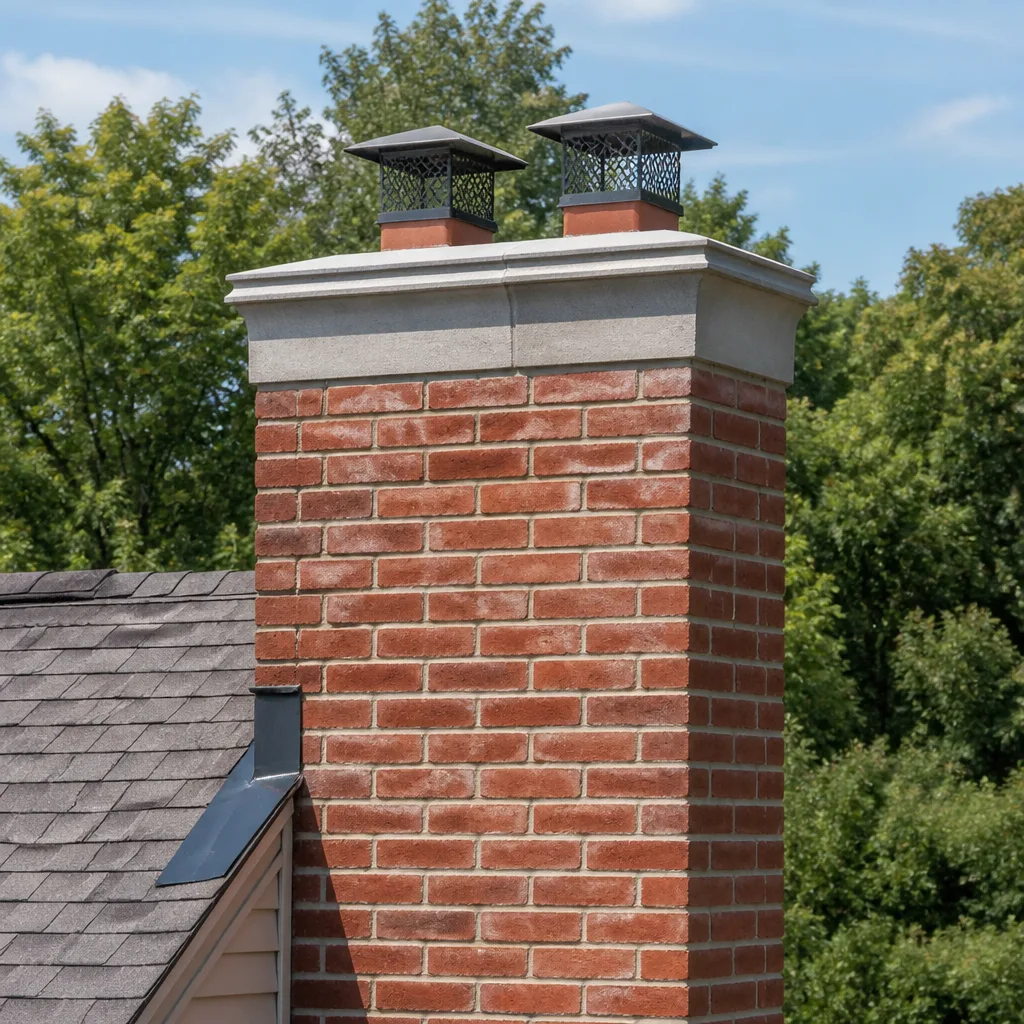
- A properly fitted cap. A cap with a solid top and side screening keeps most direct rain out of the flue and keeps animals from nesting in the flue during the warm months. If your cap is missing or loose, this is the time to fix it.
- A water-repellent application on the masonry. A breathable water repellent soaks into the brick and mortar and lines the pores so liquid water beads off the surface, while still letting the masonry dry from the inside. That last part matters. A sealant that traps moisture inside can make things worse, which is why we use professional-grade breathable products from lines like Copperfield rather than film-forming sealers.
Why professional-grade products matter here
Hardware-store waterproofing is fine for a concrete patio. A chimney is a very different structure, and it needs to breathe. A breathable masonry water repellent from a professional trade line penetrates the surface rather than coating it, and it leaves the masonry able to shed water vapor from inside. That’s the difference between a chimney that dries out between rainstorms and one that spends the summer saturated.
Summer is also the right time to handle dryer vent cleaning if you haven’t already. Lint buildup in a dryer vent runs only slightly behind the chimney as a fire risk in American homes, and summer is when we get the clearest look at the full duct run without cold-weather complications. A dryer vent cleaning visit is a natural add-on to a summer chimney inspection.
Fall: The Pre-Season Sweep and Inspection
The fall sweep is the one chimney service most homeowners know they should get, and it’s the one most often done at the wrong time. Here’s the rule we give customers in Clarksville: the sweep should happen before the first fire, not after you’ve burned for a few weeks “to see how it draws.” The chimney doesn’t draw better after a few fires. It accumulates creosote from them.
Why the timing matters
By the time fall arrives, the chimney has just come off a wet summer and any damage from that summer needs to be found before it’s used under fire. Sweeping after the first few burns means you’re inspecting a chimney that has already deposited fresh creosote, which makes it harder to tell old deposits from new and harder to spot developing issues on clean surfaces.
What a fall sweep and inspection includes
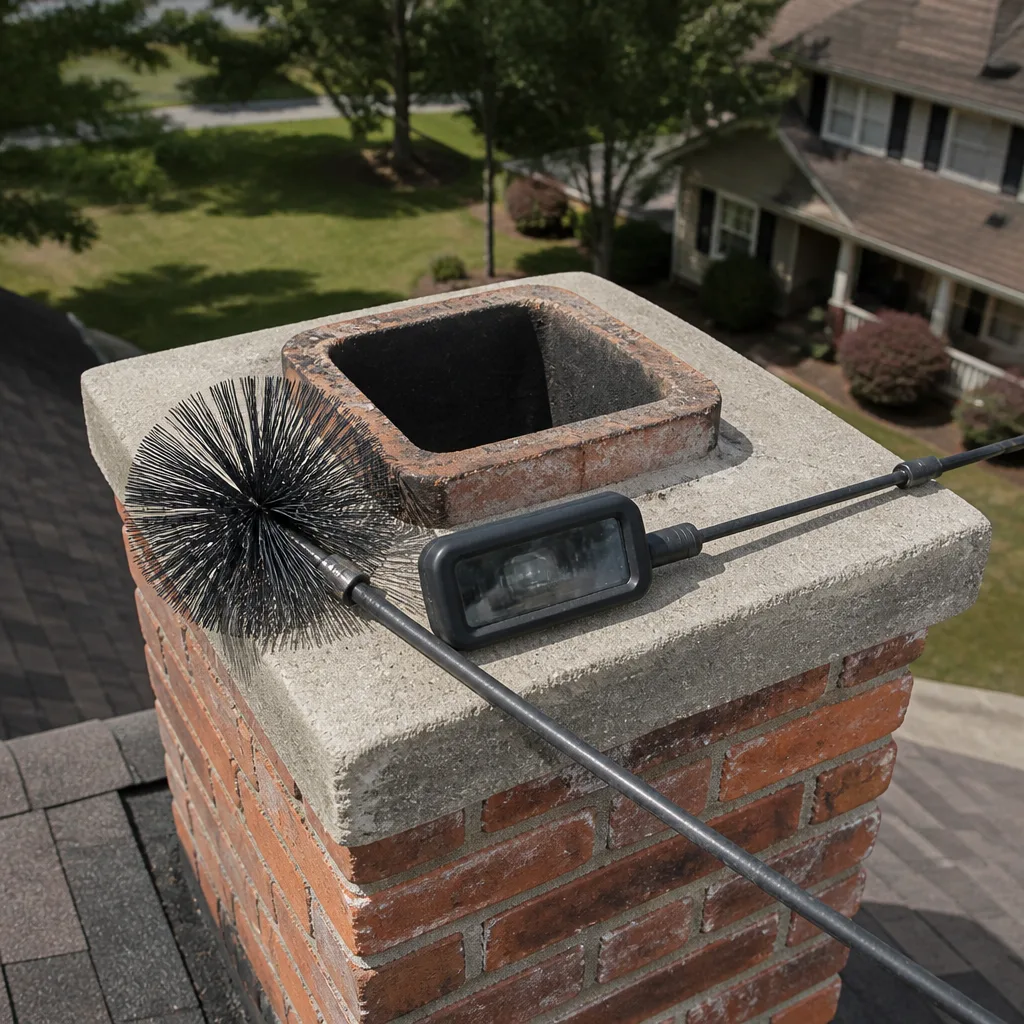
- Full sweep of the flue. A professional sweep clears soot and creosote from the flue, firebox, and smoke chamber.
- Camera inspection. A camera in the flue reveals what a brush can’t. Cracks in the flue tile, gaps in the mortar, and hidden obstructions show up on the camera, and we walk customers through the footage so they can see what we see.
- Creosote assessment. Creosote comes in three stages of severity, from a light soot to a hard, glazed deposit that a standard brush won’t remove. Knowing which you have determines whether the chimney is safe to use.
- Damper and smoke chamber check. The damper needs to open and seal cleanly. The smoke chamber above it should be smooth and free of buildup.
- Exterior check. A last pre-winter look at the crown, cap, flashing, and mortar joints to catch anything the summer missed.
The inspection is where most chimney problems are actually caught. A chimney that looks fine from the ground often has a flue tile crack or a spalling firebox that only shows up on camera or up close. At Chimney Sweep Clarksville, we don’t recommend repair work without camera evidence you can see for yourself.
What if there’s no chimney cap?
If your chimney doesn’t have a properly fitted cap, fall is the right time to install one. Given Clarksville’s rainfall, a missing cap means six months of direct rain into the flue. Adding a stainless cap with a screen from a professional line like Olympia Chimney is one of the least expensive chimney upgrades a homeowner can make, and it protects everything above and below it. We work with Olympia Chimney and Famco products for cap and venting components.
If you’re not sure when your last sweep was, or if this is a home you recently bought, we recommend booking the chimney sweep as early in the fall as you can. Late fall books up.
Winter: Mid-Season Checks During Active Burning
Winter is the season when the chimney is actually under load, and it’s the time to watch for signs that a problem is developing. You don’t need to be a chimney professional to catch early warning signs, and catching them early is what keeps a small issue from becoming a serious one mid-season.
Signs of a developing problem during the burning months
- Smoke coming back into the room. Some smoke at startup is normal, especially in a cold flue. Smoke that returns throughout a fire, or that gets worse over the season, means the draw is degrading. Often that’s a partial obstruction or a damper issue.
- A stronger or sharper draft that moves less air. If the fireplace used to pull well and now feels sluggish, the flue may have partial blockage.
- The smell of smoke in the house when the fireplace isn’t lit. That usually points to a pressure problem or a blocked flue pushing air back through the house.
- Visible soot on the firebox or smoke staining above the opening. Soot where there wasn’t soot before means the fire isn’t drafting cleanly.
- Creosote smell. A sharp, tarry smell in the house during the burning months is a warning that creosote is building up in the flue.
- Visible damage to the firebox brick or mortar. Loose mortar joints or crumbling brick in the firebox mean the fire is working on the firebox, not just inside it.
Mid-season inspection timing
Most Clarksville homeowners do one sweep a year, and that’s appropriate for typical use. Heavy burners (multiple fires a week through the winter) sometimes need a mid-season check. A quick camera inspection in January or February confirms whether the flue is still clean enough to keep using.
What to do if you see a warning sign
Don’t keep burning to “test it.” Stop using the fireplace and get an inspection. If the draw is compromised, the deposit is significant, or you’ve spotted firebox damage, the safe move is to have it looked at now rather than at the end of the season.
The safety caveat that matters most
Chimney work involves real hazards. A blocked flue can push carbon monoxide into the home, and a chimney fire can spread into the surrounding structure. If your carbon monoxide alarm goes off, or if you smell smoke strongly in the house while nothing is burning, get everyone out, call 911, and don’t relight the fireplace until the chimney has been inspected by a qualified professional. That’s a hard rule. It’s also the reason we don’t hand homeowners a brush and tell them to have at the flue. Access to the flue, proper equipment, and the knowledge to read what’s inside are what make a sweep safe.
The Clarksville Seasonal Checklist
Here’s the year-at-a-glance version we use to organize our own thinking about Clarksville chimneys. Print it, stick it on the fridge, or just use it to remember which season asks which question.
Spring (March – May)
- Clear ash from the firebox and wipe down the interior.
- Walk the exterior: crown, cap, spark screen, mortar joints, flashing.
- Check for frost damage, spalling brick, and crumbly mortar.
- Photograph the chimney’s current condition for your records.
- Crack the damper slightly for the off-season to let the flue breathe.
Summer (June – August)
- Reseal or rebuild the crown if cracks are present.
- Confirm the cap is solid and properly fitted.
- Apply a breathable masonry water repellent to the exterior.
- Schedule dryer vent cleaning if it’s been more than a season.
- Handle any liner repair work identified in spring, so it’s done before fall.
Fall (September – November)
- Book the sweep and inspection before the first fire.
- Get the flue camera-inspected.
- Assess creosote stage and sweep the flue accordingly.
- Check the damper and smoke chamber.
- Install a chimney cap if one is missing.
- Confirm you have working smoke and carbon monoxide detectors.
Winter (December – February)
- Watch for smoke returning into the room during fires.
- Watch for smoking or sluggish draw that gets worse over the season.
- Smell for creosote in the house between fires.
- Stop and get an inspection if you see any red-flag symptom.
- Spring comes fast. Note anything you want to address in spring.
When a Cleaning Turns Into a Repair
In a lot of Clarksville homes, the fall sweep finds something. That’s normal. Older chimneys develop flue tile cracks, damaged crowns, compromised fireboxes, and deteriorating mortar over time, and the inspection is designed to catch them. What matters is what happens next. Our position is that a homeowner shouldn’t have to book a second contractor after a sweep finds a problem. Chimney Sweep Clarksville handles sweep, repair, and dryer vent cleaning under one roof, and we carry the materials to do the repair work properly, not just the cleaning supplies.
Three repair-tier capabilities that matter
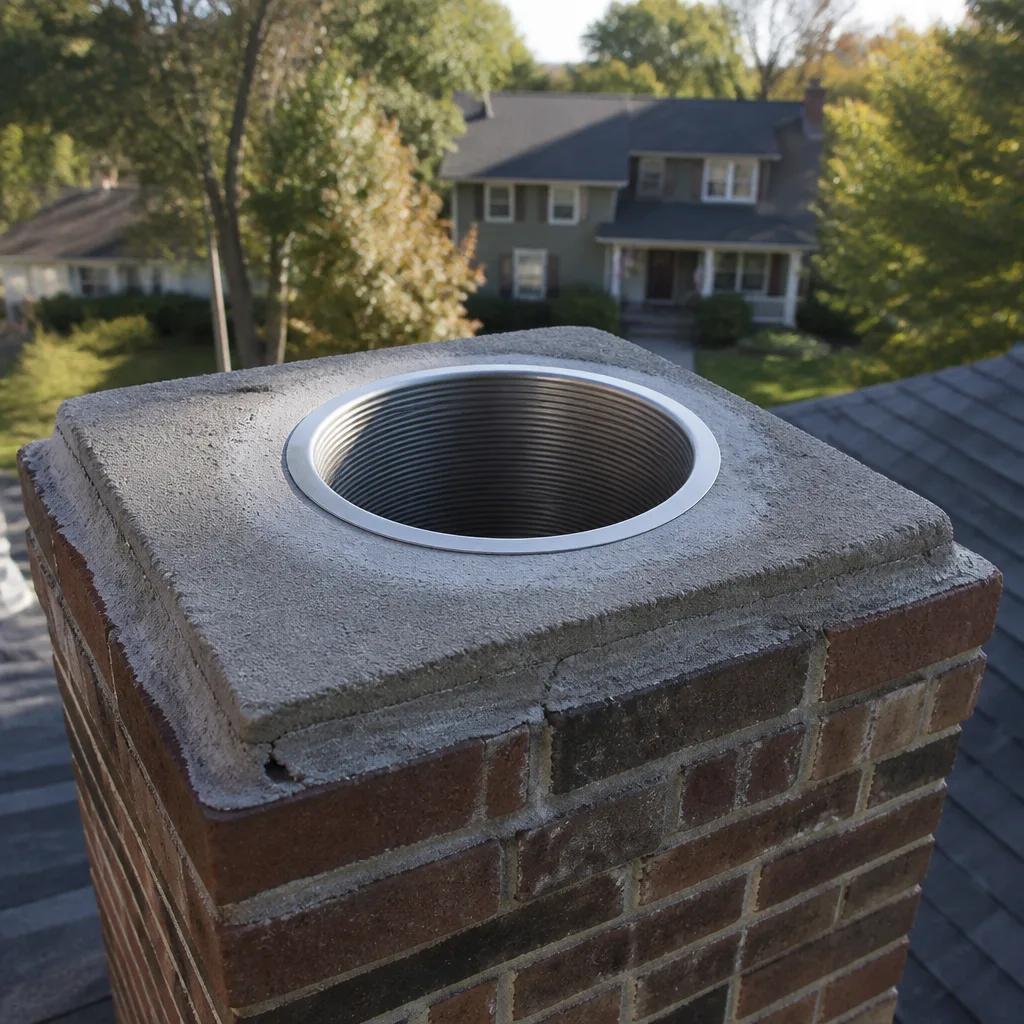
Flexible liner installation. When the flue is compromised (cracked tiles, gaps at the joints, or an unlined older chimney), a flexible stainless liner is often the right fix. We install DuraFlex flexible liner systems, which are built for relining a flue with a continuous stainless wall that carries flue gases cleanly. A relined flue protects the surrounding masonry from heat and moisture and restores the chimney’s ability to vent safely.
HeatShield ceramic resurfacing. Not every compromised flue needs a full liner replacement. HeatShield is a ceramic-based resurfacing system applied to the inside of the flue that smooths and reseals deteriorated tile without installing a new liner. It’s a repair method most sweep-only companies can’t offer, and it’s often the cost-conscious alternative when a flue is deteriorating but not failing. Chimney Sweep Clarksville is HeatShield-certified for ceramic flue resurfacing.
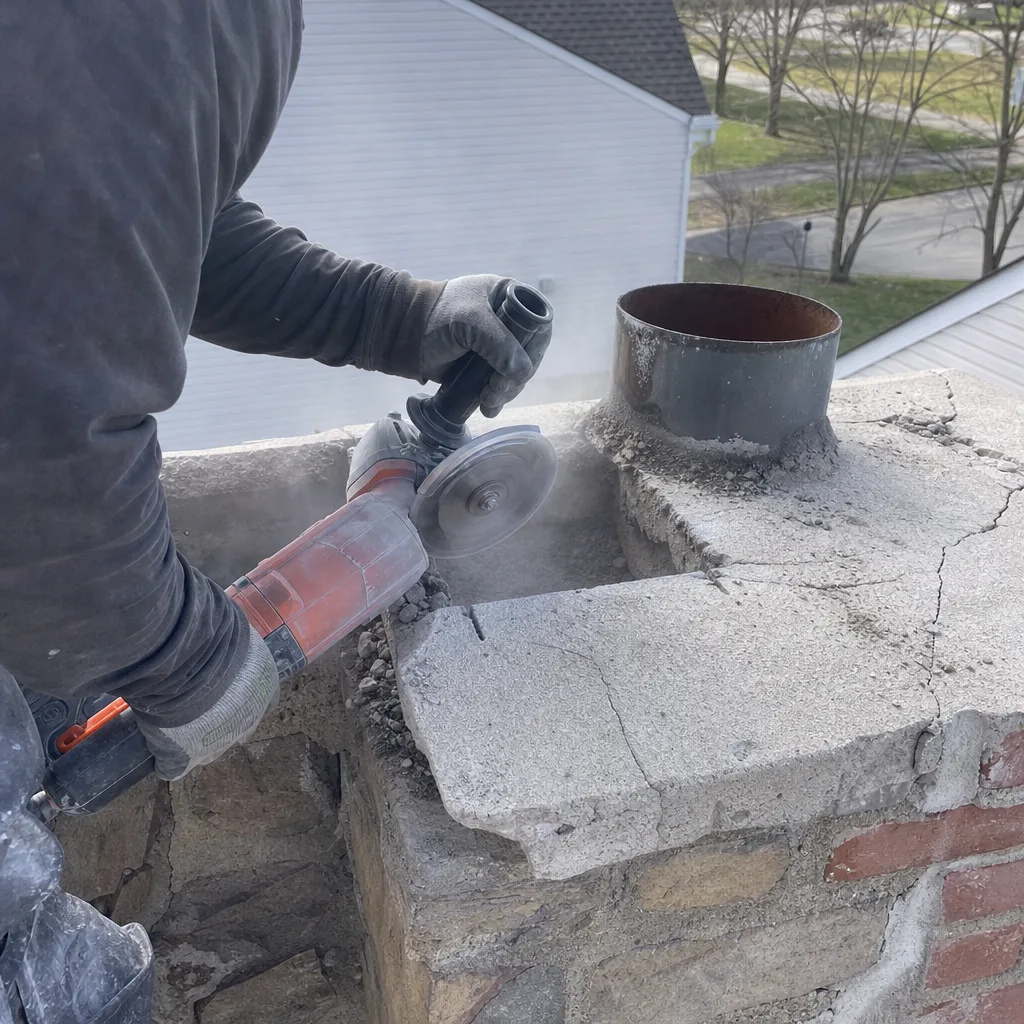
Crown and masonry repair. Cracked crowns, damaged flashing, crumbling mortar joints, and spalling brick are all standard repair work for us. Given how wet this part of Tennessee is, crown repair is one of the most common jobs we handle, and getting it done right (rather than patched with caulk) is what stops the water intrusion at the source.
We also handle dryer vent cleaning as a standalone or add-on visit, from lines like Gelco, because a home’s fire hazards aren’t limited to the chimney.
If a repair is recommended, we show the camera evidence before we quote anything. If the work can safely wait, we say so. That’s the standard we hold ourselves to, and it’s the reason we don’t push liner replacements on chimneys that just need a crown repair. If you’re in a neighboring community like Charlotte, the seasonal logic is the same and the repair options are the same.
Common Mistakes to Avoid
- Waiting to sweep until after the first few fires. The chimney doesn’t tell you anything new after a few burns except that you’ve deposited more creosote. Sweep before the first fire so the flue is clean and the inspection is accurate.
- Ignoring the crown. A cracked crown is the most common entry point for water in Clarksville, given our rainfall. It’s also one of the easiest to fix if you catch it in spring or summer.
- Using a film-forming sealer on the masonry. A sealer that traps moisture inside the brick makes freeze-thaw damage worse, not better. Use a breathable water repellent designed for chimney masonry.
- Assuming a chimney without a cap is fine. A missing cap means direct rain down the flue for six months. It’s not optional in this climate.
- Burning wet or unseasoned wood. Wet wood deposits creosote faster than dry wood. If your firewood was split this past spring, it’s still not seasoned enough for this winter.
- Skipping the camera inspection. A brush alone can’t see a cracked flue tile or a separated joint. Camera inspection is the reason we find small problems before they become large ones.
- Never looking at the chimney in summer. The humid months are exactly when the chimney needs attention. Letting it sit untouched from March to September is the mistake that costs the most money over a decade.
When to Call a Professional
Some jobs belong with a chimney professional, not a Saturday afternoon. Call us if: the flue hasn’t been swept in a year or more, you’ve never had the chimney inspected, you’re buying or just bought an older home, you see smoke returning into the room, you smell creosote between fires, you see cracked or missing mortar in the firebox or the exterior joints, water is coming in at the crown or flashing, your chimney has no cap, or your firebox has visibly damaged brick. Before first use in a home you’ve just moved into is the most important time to call, because you don’t yet know the chimney’s history. Chimney Sweep Clarksville offers free estimates in Clarksville. Call (866) 942-9931. We answer 24/7. Fast dispatch from 7am to 7pm, Sunday through Friday.
Frequently Asked Questions
Once a year for most homes, generally timed to the fall before the first fire. If you burn several times a week through the winter, or burn wet or green wood, a mid-season inspection may be needed to confirm the flue is still clean. The yearly sweep is the baseline. Call (866) 942-9931 for an exact quote on your chimney; estimates are free.
Yes. Clarksville averages over 50 inches of rainfall a year, and a chimney without a properly fitted cap gets direct rain into the flue through the off-season. A stainless cap with a screen also keeps animals and debris out. If your chimney has no cap, installing one is one of the highest-value small jobs we do. Call (866) 942-9931 for a free estimate.
Creosote builds up in the flue as you burn, and at a certain thickness it can ignite into a chimney fire. A blocked or heavily coated flue also impairs drafting, which can push carbon monoxide back into the home. Skipping one season is usually recoverable. Skipping several is when the risk gets substantive. Call (866) 942-9931 to book a sweep before the next burning season.
Yes, in a specific way. Summer humidity keeps masonry wet for longer stretches, which accelerates mortar deterioration and sets up the freeze-thaw cycle when cooler weather arrives. A properly sealed crown, a fitted cap, and a breathable water repellent applied in summer are the three measures that make the biggest difference. Call (866) 942-9931 to have your crown and masonry assessed before the wet season.
It depends on the condition of the flue tile. A flue that’s deteriorating but still largely intact can often be resurfaced with HeatShield rather than fully relined. A flue with significant cracking or separation is a candidate for a DuraFlex stainless liner. Either way, the decision should be made on camera evidence you can see, not on a sales pitch. Call (866) 942-9931 to schedule a free inspection and estimate.
Some damage can wait safely and some can’t. A hairline crown crack found in spring can often be repaired in summer with no urgency. A cracked flue tile or a blocked flue shouldn’t wait through a burning season, because each fire pushes more creosote and heat through the damage. We tell homeowners plainly which category a repair falls into, and we say so when work can safely wait. Call (866) 942-9931 for an honest assessment.
Both are fire hazards in the same house, both involve ducts, and both are effectively invisible to a homeowner without a camera. Lint accumulating in a dryer vent is a leading cause of residential fires in the U.S., and the vent has the same problem the chimney does when it’s not cleared: restricted airflow. Chimney Sweep Clarksville offers dryer vent cleaning as a standalone visit or an add-on to a chimney inspection. Call (866) 942-9931 for a free estimate.
The sweep clears soot and creosote. The inspection reveals what the sweep can’t see: cracked flue tiles, mortar damage, and obstructed sections. Most Clarksville homes need both on the same visit, and the inspection is what turns a routine cleaning into a useful long-term assessment of the chimney. Call (866) 942-9931 to book both together.
The Bottom Line
Chimney care in Clarksville isn’t a single fall appointment. The rainfall here makes it a year-round system. Spring is for assessing frost damage and documenting the chimney’s condition. Summer is for moisture control: a sealed crown, a fitted cap, and a breathable water repellent. Fall is for the sweep and full inspection, done before the first fire. Winter is for mid-season checks. Get all four right and the chimney holds up for decades. Skip a season and the loss is quiet but real. Our technicians have up to 10 years of experience, and we handle sweep, repair, and dryer vent cleaning under one roof, with the professional-grade materials to fix what we find, not just to clean it.
Ready to get your chimney on a year-round schedule? Call (866) 942-9931 for a free estimate. We answer 24/7. Fast dispatch from 7am to 7pm, Sunday through Friday. Chimney Sweep Clarksville covers the full chimney system, from the firebox to the dryer vent, and we’re glad to give you a straight assessment of where your chimney stands this season.
Written by the team at Chimney Sweep Clarksville.
See the difference
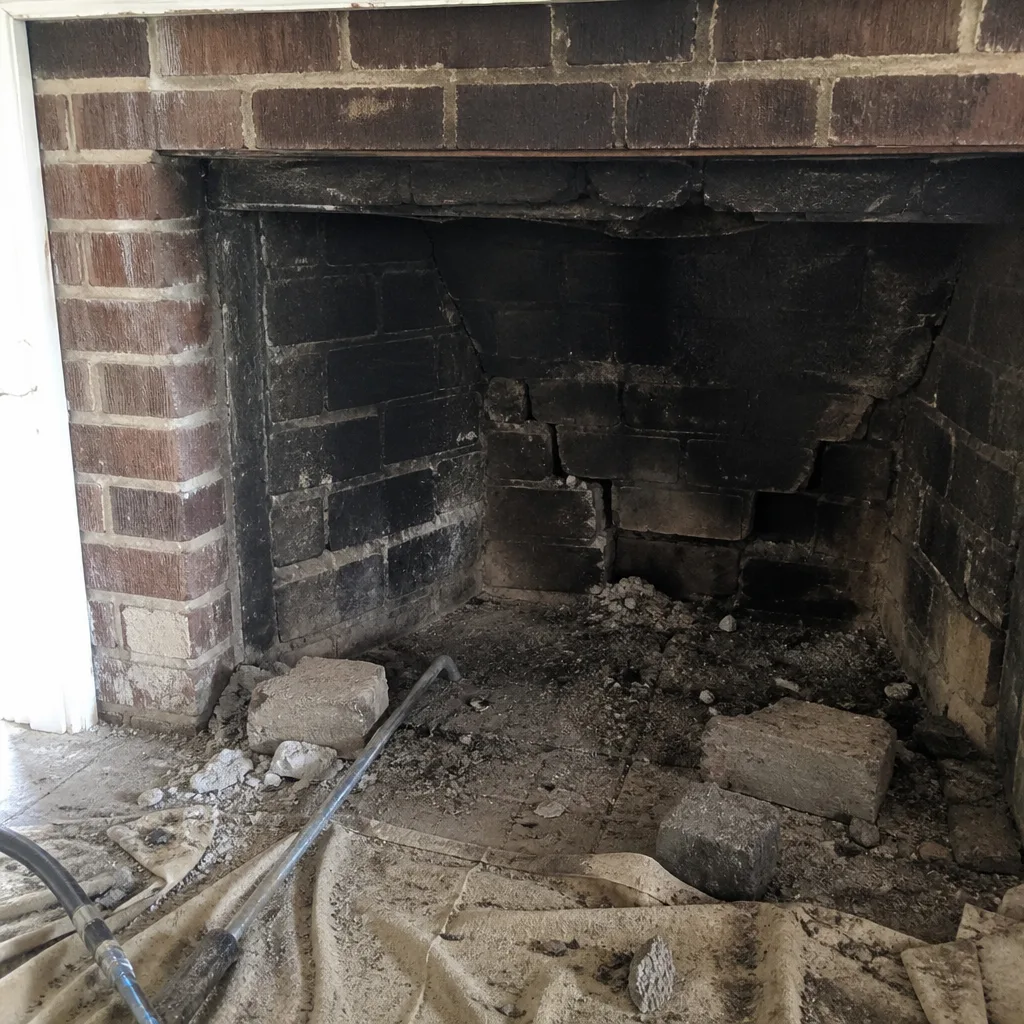 Before
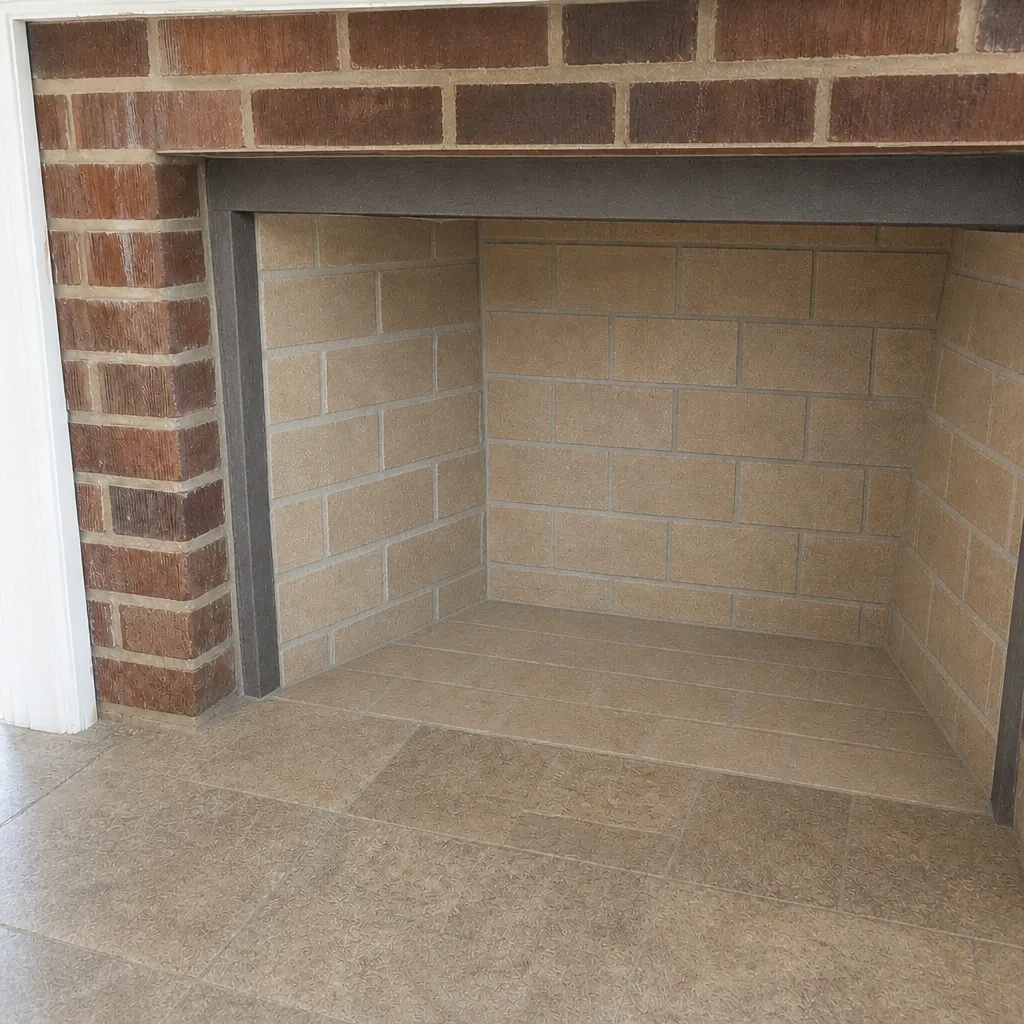 After
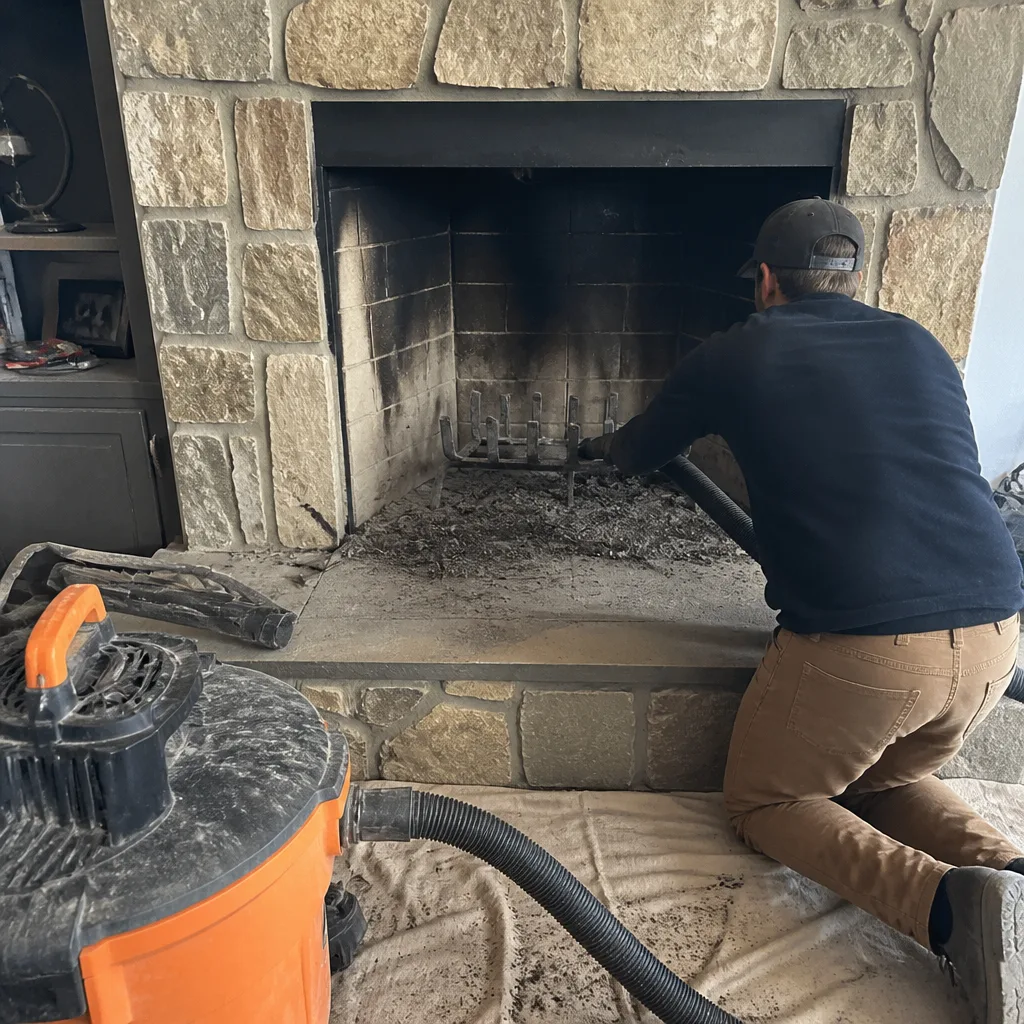 Before
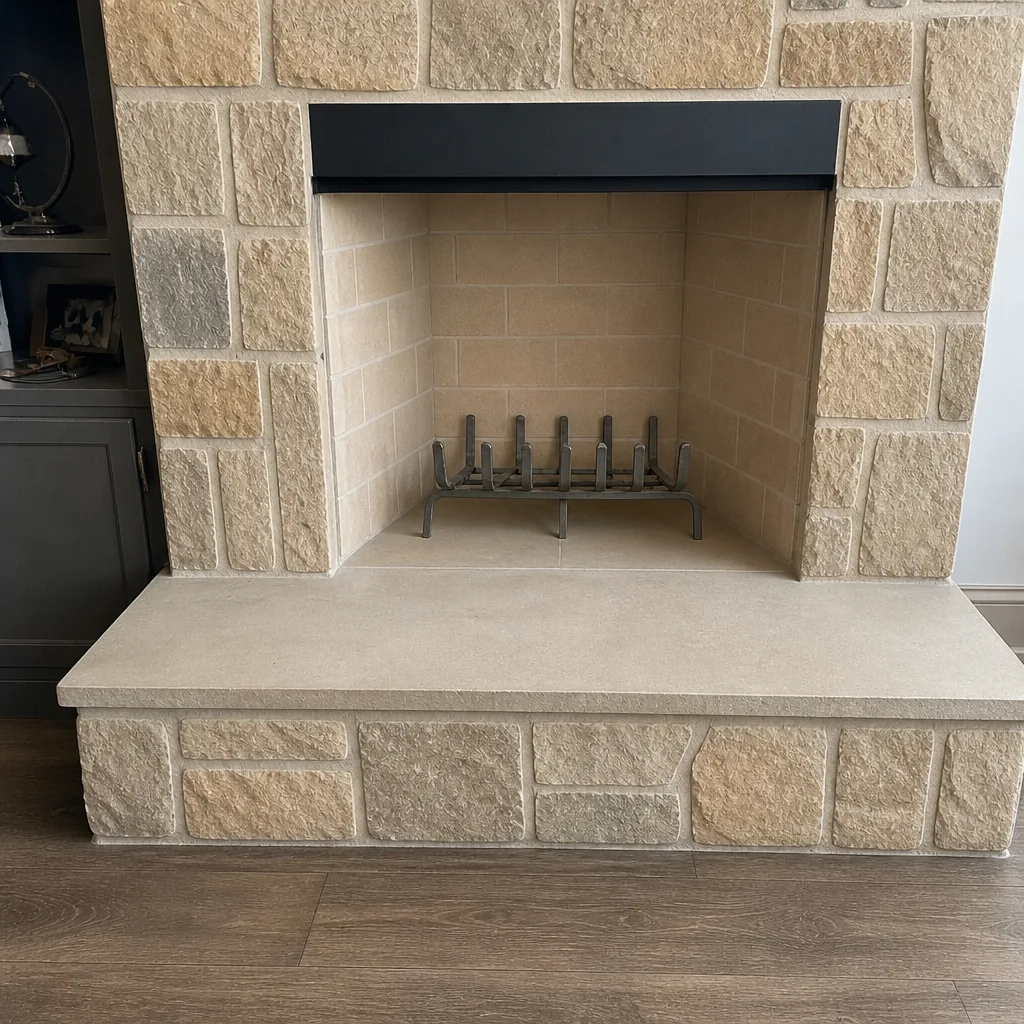 After
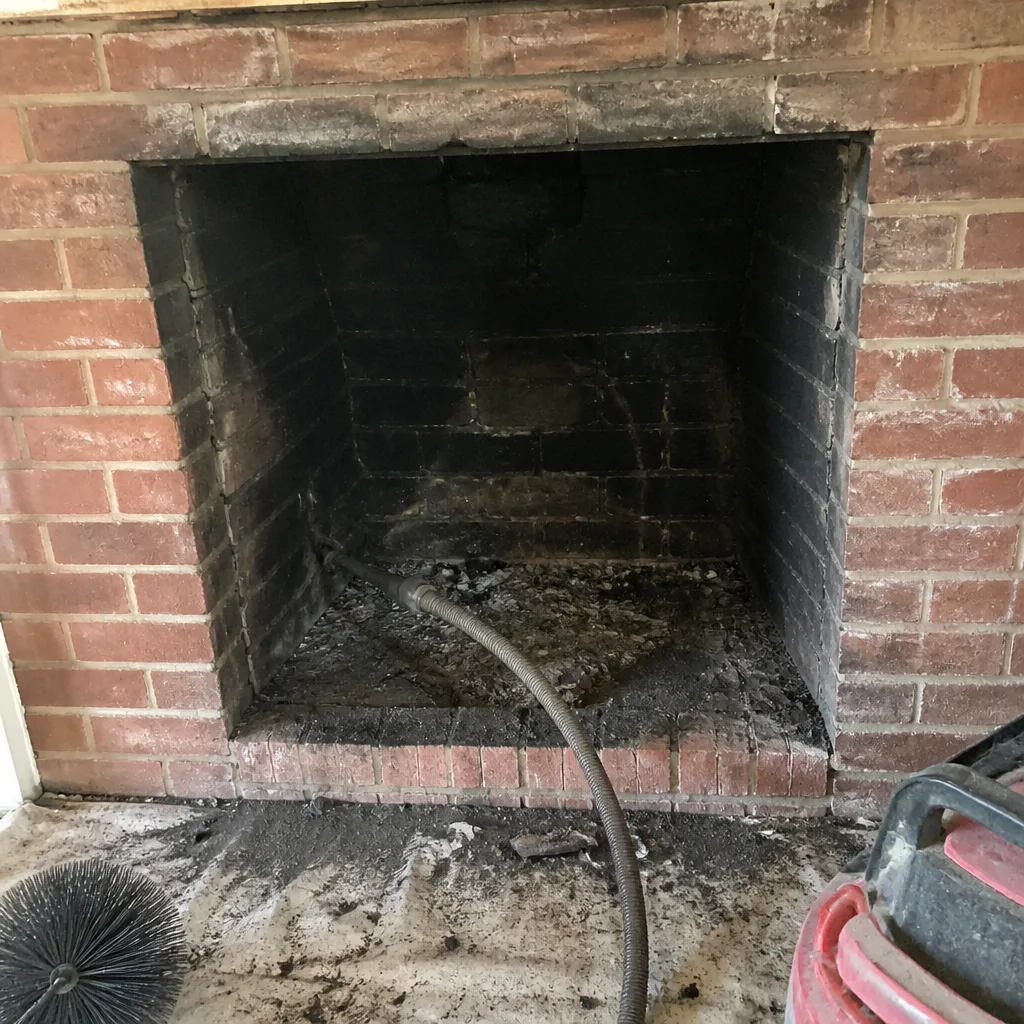 Before
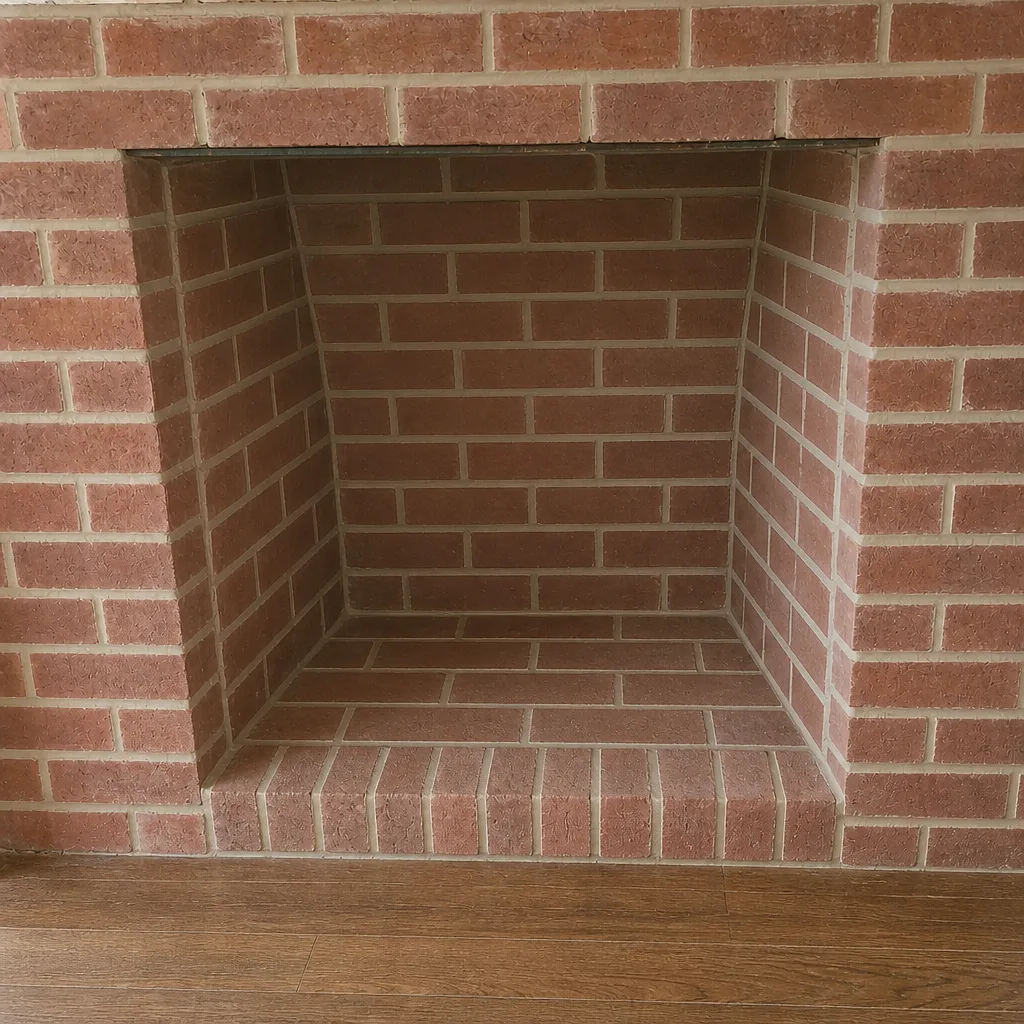 After