
Last updated November 15, 2026
 Sweep & inspection
 Caps & crowns
 Flue relining
 Masonry repair
 Gas fireplace service
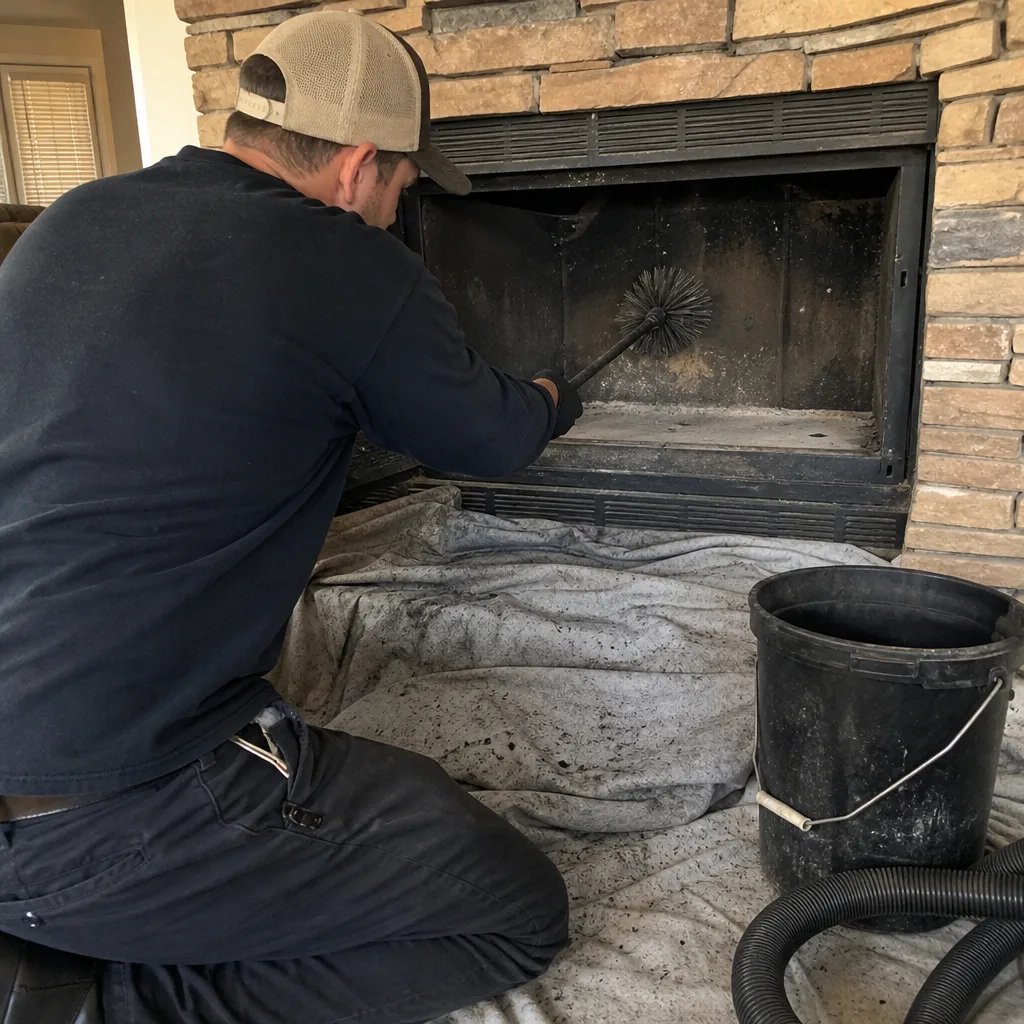
Level 1 sweep and inspection to the NFPA 211 annual standard - flue, crown, cap, and flashing checked and photographed
Chimney sweep logs do not sweep chimneys. They loosen some creosote - which then falls where a brush and vacuum still have to collect it.
Chimney Cleaning Warning Signs: A Clarksville Homeowner’s Reference Guide
Most chimney problems don’t announce themselves. A flue fire can burn hot enough to crack a tile liner and reach the framing around it, and the fire department never gets called. The homeowner finds out later, when a technician runs a camera up the flue and shows them the fracture on a screen. What makes this guide different is the sorting: it separates the signs you can spot from your living room chair from the ones only an inspection will catch, and tells you which category means “book a cleaning” versus “stop burning tonight.” We wrote it for Clarksville homeowners who’d rather understand their chimney than guess at it.
Quick Answer
The main chimney cleaning warning signs are smoke rolling back into the room, a fire that’s slow to draw, a sharp or bitter smell even when the fireplace is cold, black or glazed creosote on the flue walls, and exterior clues like white staining on the brick or a loose cap. Signs you can see from the couch mean the flue is restricted or the draft is compromised. Signs only a camera finds mean the liner itself may be damaged. Either way, the next step is an inspection, not another fire.
Styles & brands we work with
- Sweep & inspection
- Caps & crowns
- Flue relining
- Masonry repair
- Gas fireplace service
Table of Contents
- Signs You Can See From the Living Room
- What Different Chimney Smells Are Telling You
- Warning Signs You Can Spot From the Yard
- Signs That Only a Camera Inspection Will Find
- “It’s Always Done That”: Why That Rationalization Costs Money
- Why Clarksville Chimneys Age the Way They Do
- Which Signs Mean Call, Which Mean Stop Burning
- What a Proper Inspection Actually Involves
Signs You Can See From the Living Room
Start with the signals that show up while you’re using the fireplace, because these are the ones homeowners can observe without climbing anything or owning a flashlight. They fall into a short list, and each one points at a specific part of the system.
Smoke spilling back into the room
A little puff when you first light the fire is normal as the flue warms. Smoke that keeps rolling out past the damper, or that spills when you open the glass doors, is not. It usually means the flue is partially blocked by creosote, the damper isn’t opening fully, or the chimney isn’t tall enough for the house. In Clarksville, where a lot of homes sit in subdivisions with tall neighboring rooflines and mature tree cover, wind pressure across the chimney top can also push smoke back down. That’s a draft problem, and it’s fixable once someone identifies which of these it is.
A fire that’s slow to catch or burns lazily
If your wood is dry and split and the fire still struggles, the chimney isn’t pulling. Restricted airflow is one of the earliest signs of a creosote buildup that’s narrowing the flue. It’s also the sign homeowners most often blame on the wood.
Odor when the fireplace is cold
A fireplace that smells strong on a warm, humid day, or when the house is under negative pressure from a kitchen fan or furnace, is telling you there’s creosote or soot sitting on the flue walls. The smell gets worse in summer because the chimney doesn’t have a fire drafting the air upward.
Visible soot or creosote at the firebox
Flaky black deposits around the damper or on the firebox walls are a preview of what’s higher up. If you can see it at eye level, there’s more above it.
What Different Chimney Smells Are Telling You
Smell is the most misread warning sign in the house, because homeowners tend to lump every chimney odor together. They’re not the same, and the difference changes what needs to happen next.
- Sharp, bitter, tar-like odor. This is creosote. It smells like burnt wood mixed with something acrid, and it’s strongest in humid weather or when the fireplace hasn’t been used in a while. Creosote is the fuel that feeds a flue fire, so this odor is a direct cleaning signal.
- Sooty, dusty smell after a fire. Normal in small amounts right after burning. Persistent soot smell with no fire means deposits are sitting in the flue and the house is pulling air back down through it.
- Animal smell: urine, musk, nesting material. Distinct from creosote. Birds, squirrels and raccoons get into uncapped chimneys, and the smell is sharper and more organic. It’s diagnostically separate because the fix is different: the animal has to be removed, the nest cleared, and a cap installed so it doesn’t happen again. Burning a fire with a nest in the flue is a genuine fire risk.
- Smoke smell with no fire, in a different room. This points at backdrafting, where the chimney is pulling air down instead of exhausting it. Worth an inspection before the next burn.
- Gas smell from a gas insert or log set. Not a chimney cleaning issue and not something to investigate yourself. Stop using the appliance and have it looked at.
Here’s the part that matters for Clarksville: our summers are humid, and a house closed up with the air conditioning running pulls air down the chimney. That’s when creosote odor gets noticeable, and when a lot of homeowners first call. The smell isn’t new. The conditions just made it obvious.
Warning Signs You Can Spot From the Yard
Walk outside and look up. A surprising number of chimney problems are visible from the ground if you know what you’re looking at, and this is the inspection a homeowner can do safely, without a ladder.
- White staining on the brick or mortar. That chalky white bloom is efflorescence, and it means moisture is moving through the masonry. It’s a sign the crown, cap or flashing has failed somewhere and water is getting in. Left alone, it leads to spalling brick.
- Spalling brick. Faces of brick popping off or flaking. Freeze-thaw cycles do this once water is inside the masonry, and Clarksville gets enough winter freeze-thaw to make it matter.
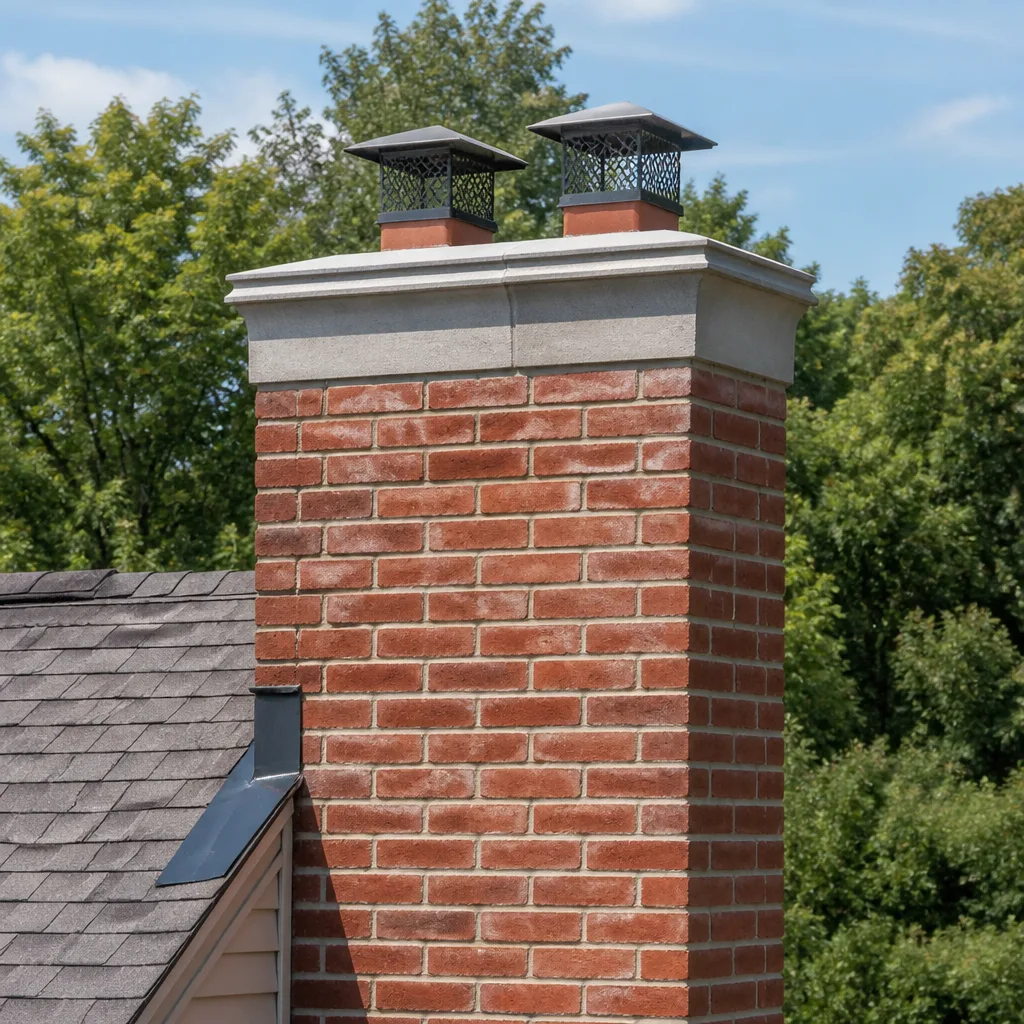
- A damaged or missing cap. A cap keeps rain, birds and squirrels out of the flue. If it’s rusted through, bent or gone, water and animals are getting in.
- Separated flashing where the chimney meets the roof. Look for a gap, lifted metal or cracked sealant at that joint. This is a common leak point.
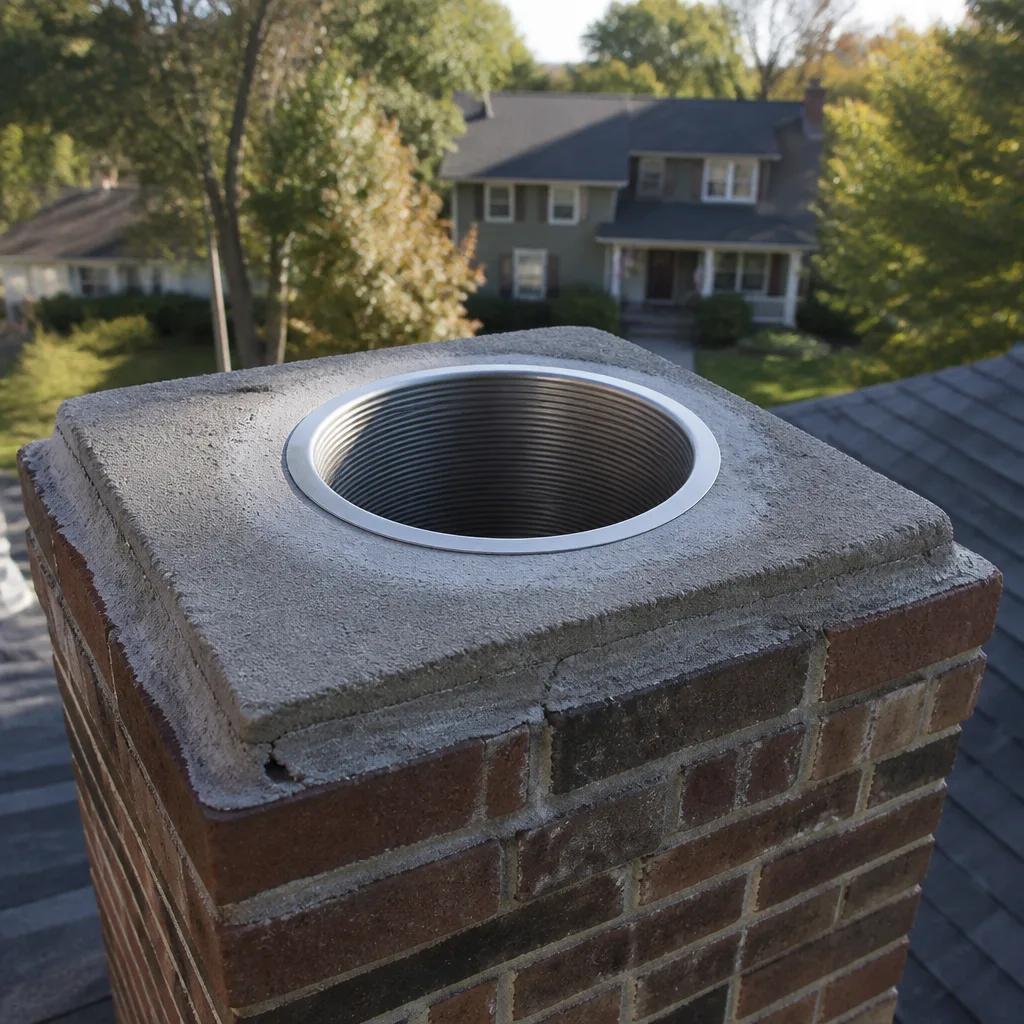
- Cracked or crumbling crown. The concrete cap at the top of the chimney should shed water away from the flue. Cracks let it in instead.
- Black staining at the chimney top. Heavy soot at the crown suggests the flue has been running dirty, which usually means creosote buildup below.
- A leaning chimney or visible gap at the roofline. Structural. Worth a professional look, not a wait-and-see.
Any of these could sit unchanged for a long time without causing a problem. The point isn’t to panic. It’s to get them on the record with an inspection so you know whether they’re cosmetic or the start of something that will cost real money later.
Signs That Only a Camera Inspection Will Find
This is the category that catches homeowners off guard. Some of the most serious chimney problems in Clarksville homes produce no smell, no smoke spillback, and nothing visible from the yard. They’re found only when a technician runs a camera down the flue, and that’s why the camera matters more than the brush.
- Cracked or missing flue tiles. A tile liner can crack from a flue fire, from a chimney fire the homeowner never knew happened, or from years of thermal cycling. A crack is a direct path from the flue to the framing of the house.
- Gaps at tile joints. The mortar between tiles can erode. The joints are supposed to be sealed; gaps let heat and gases escape.
- Glazed, third-degree creosote. Creosote goes through stages as it builds. The hard, shiny, glazed form is the most flammable and the hardest to remove. A brush alone doesn’t take it off. It takes a chemical or rotary treatment.
- An unlined flue. Older homes sometimes have a bare clay or even brick flue with no liner at all. That’s a serious problem for a wood-burning appliance and often isn’t known until someone looks.
- Obstructions. Nests, a collapsed tile, a fallen piece of mortar, or a disconnected appliance flue. None of these show up without a camera.
- Deteriorating flue tile surfaces that haven’t fully cracked yet. This is where HeatShield ceramic resurfacing comes in. It repairs a deteriorating tile surface before it becomes a full replacement, and it’s a repair option most sweep-only companies don’t carry the materials for.
When the camera finds damage, the conversation shifts from cleaning to repair. On a Clarksville chimney that often means a HeatShield resurfacing job rather than a full liner replacement, or a DuraFlex flexible liner if the flue is unlined or the damage is beyond resurfacing. Having both options on the same call is the reason we handle sweep, repair and liner work as one relationship.
“It’s Always Done That”: Why That Rationalization Costs Money
“It smokes a little when we start it. It’s always done that.” We hear this on a lot of Clarksville calls, and it’s the most expensive sentence in this guide. A fireplace that smokes on startup has a reason, and the reason hasn’t gone away because the homeowner got used to it.
There are a few common causes. The firebox may have been built too shallow for the opening, which produces a draft that pushes smoke into the room. The flue may be too short for the house, undersized, or blocked by a partial obstruction that has been there since the house was built or added later. The damper may not be opening all the way. In an older Clarksville home, the chimney may have been sized for a different appliance than the one now connected to it. And in homes that have been through a remodel, an addition or a new roof, the draft dynamics can change without anyone touching the fireplace itself.
The reason this matters is cost. A fireplace that smokes on startup is putting smoke, which carries creosote and combustion byproducts, into the living space every time it’s lit. It’s also a sign the flue isn’t drawing as designed, and an underperforming flue builds creosote faster because the exhaust is cooler and slower. What looks like a quirk becomes a cleaning and repair bill.
The right move is to get it diagnosed rather than worked around. A camera inspection and a draft reading tell you whether the problem is a restriction, a sizing issue, or a construction issue. In our experience, most “it’s always done that” chimneys have a specific, nameable cause, and once you name it, you can decide what to do about it.
Why Clarksville Chimneys Age the Way They Do
Chimneys here live in a specific climate, and it shapes what fails first. We’re in a mixed-humid climate with hot, humid summers and cold winters that reliably produce freeze-thaw cycles. That combination is hard on masonry. Water gets into brick and mortar through a failed crown, cap or flashing, then freezes and expands, and the surface pops off. That’s spalling brick, and it’s the most common exterior problem we see on Clarksville chimneys.
Summer humidity does a second thing. A chimney that isn’t being used still breathes. Warm, moist air moves through the flue, and when it meets creosote deposits on the walls, it reactivates the odor. That’s why a lot of homeowners call in July about a smell they didn’t notice in January.
A third factor is the housing stock. Clarksville has a wide mix of age and construction, from older homes in the downtown and Madison Street corridors to newer subdivisions out toward Sango and St. Bethlehem. Older homes are more likely to have an unlined flue, a damaged clay tile liner, or a chimney built for a different appliance. Newer homes tend to have better liners but can have draft issues from tight construction, where the house doesn’t have enough makeup air to feed the fireplace. Both categories benefit from the same thing: an inspection that documents what’s actually there.
What we won’t do is tell a Clarksville homeowner they need a full liner replacement based on a guess. Nothing gets recommended without camera evidence you can see for yourself, and if the work can safely wait, we say so.
Which Signs Mean Call, Which Mean Stop Burning
This is the part of the guide to bookmark. Warning signs aren’t all equal, and treating them that way creates two opposite mistakes: ignoring something serious, or panicking over something routine. Here’s how we sort them.
Signs that warrant scheduling a cleaning
- Creosote odor in the house, especially in warm or humid weather.
- Soot or flaky black deposits at the firebox or damper.
- It’s been a season or more since the last sweep, and you’ve burned a fair amount of wood.
- A fire that’s slightly slow to catch but no other symptoms.
- Any exterior staining or cap damage you want on the record before it gets worse.
Signs that warrant an urgent inspection, before the next fire
- Persistent smoke spillback into the room with each burn.
- An animal smell or evidence of a nest in the flue.
- White staining on the brick combined with spalling.
- A cap or flashing that has clearly failed.
- Any chimney that has never been inspected in a home you’ve recently bought.
Signs that mean stop using the fireplace immediately
- Visible cracks in the flue tile, or a flue that’s known to be unlined and connected to a wood appliance.
- Signs of a past flue fire: cracked tiles, warped metal components, or a strong glazed creosote layer found on inspection.
- A separated chimney or a visible gap where it meets the roof.
- A carbon monoxide alarm that activates when the fireplace or a connected appliance is running.
On that last one: a working carbon monoxide alarm is one of the few early-warning systems a chimney has. If it goes off, get everyone out and call for help first. Then have the chimney evaluated before anything is burned again. If you don’t have a detector near the living space, that’s a small fix that pays for itself.
If you’re not sure which category you’re in, the safe answer is the middle one. Book an inspection and find out.
What a Proper Inspection Actually Involves
A chimney inspection that doesn’t include a camera and a photo report isn’t giving you the information you need. Here’s what a real inspection covers, in order.
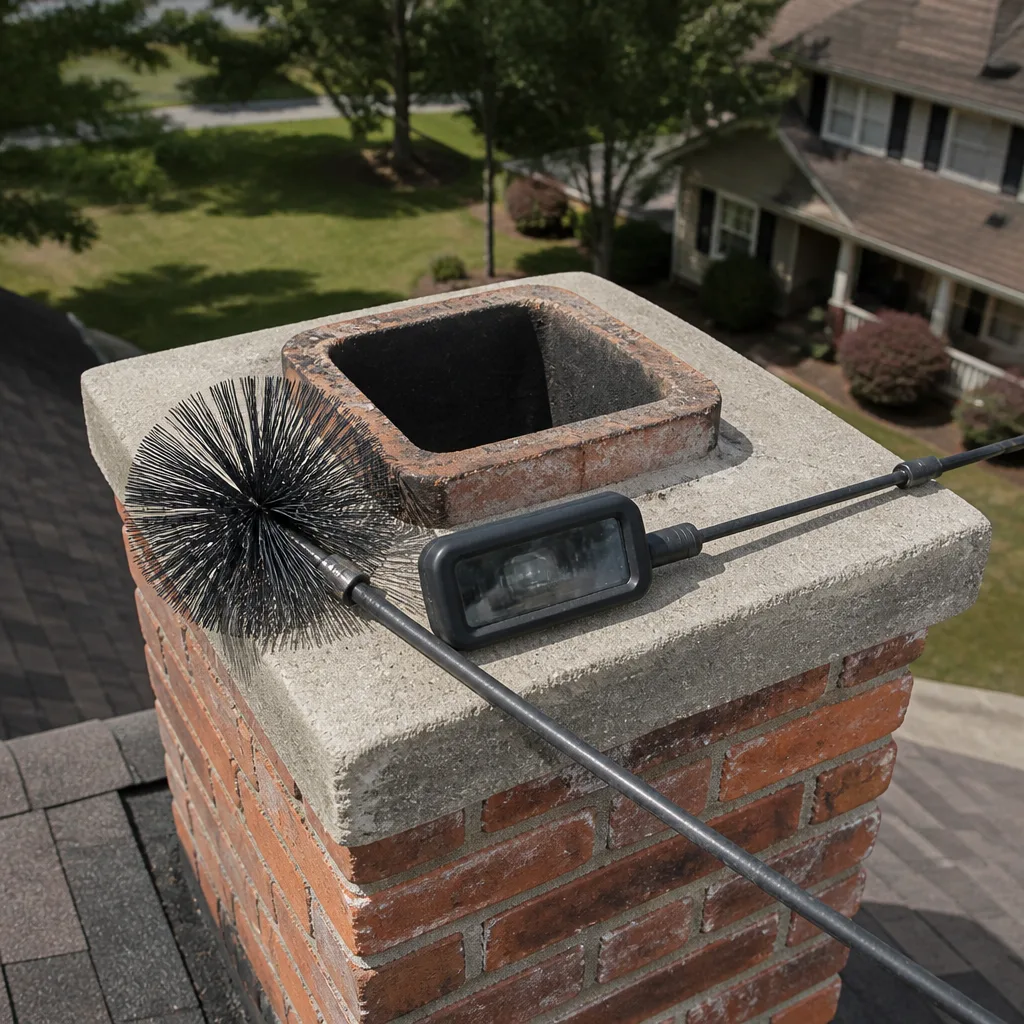
- Walk-through and exterior look. We look at the chimney from the ground and the roof, checking the crown, cap, flashing and brick for the signs covered above.
- Firebox and damper. Check for cracking, gaps and whether the damper opens fully.
- Camera inspection of the flue. From the top and often from the bottom, looking at the liner, the joints, the creosote condition and any obstruction. This is where the problems hide.
- Creosote assessment. What stage it’s in and how much. Stage three, glazed creosote, needs more than a brush.
- Photo report. You get to see what we saw, on the screen, before any work is discussed.
From there, the recommendation is specific. A cleaning, a HeatShield resurfacing, a DuraFlex liner, a cap replacement, a crown repair, or nothing at all. Parts and materials come from professional chimney trade lines like Gelco, Olympia Chimney, Famco and Copperfield, the kind of components that are built for the job and not picked off a hardware store shelf. If the camera shows a deteriorating flue tile surface, resurfacing is usually the more economical path. If the flue is unlined or structurally compromised, a flexible liner is the answer. We repair what we find; you don’t need to bring in a second contractor after the inspection.
If your dryer vent hasn’t been looked at in a while, it’s worth adding. Lint buildup in a dryer vent is one of the leading causes of residential house fires, and it’s the same kind of problem: a hidden restriction that builds over time and doesn’t announce itself until it does. dryer vent cleaning is a standalone service or an add-on to a chimney visit.
Common Mistakes to Avoid
- Assuming a winter with no smoke means the chimney is fine. Most flue fires are never noticed by the homeowner. A quiet season proves nothing. Only a camera inspection tells you what’s going on inside the liner.
- Burning green or unseasoned wood because it’s cheaper. Wet wood sends cooler, smokier exhaust up the flue, which lays down creosote faster. In Clarksville’s humidity, wood that isn’t properly covered and seasoned stays wet longer than you’d expect.
- Skipping the cap to save a step. An uncapped flue invites rain, birds and squirrels. A nest in a flue is a fire risk, and removing it isn’t a homeowner job.
- Treating a “small” crack in the flue tile as cosmetic. A crack is a gap in the liner. It’s a path for heat and combustion gases to reach the framing of the house.
- Letting a fireplace that has always smoked keep smoking. “It’s always done that” usually means an undersized flue or a construction issue that’s been quietly costing you on every burn.
- Doing the sweep yourself with a hardware store brush. A brush doesn’t remove glazed creosote, doesn’t find cracked tiles, and doesn’t give you a camera report. It also can damage a liner if it’s the wrong size.
- Waiting until the smell is strong enough to bother you. By the time creosote odor is noticeable in the house, the deposits have been building for a while. The smell is a late signal, not an early one.
See the difference
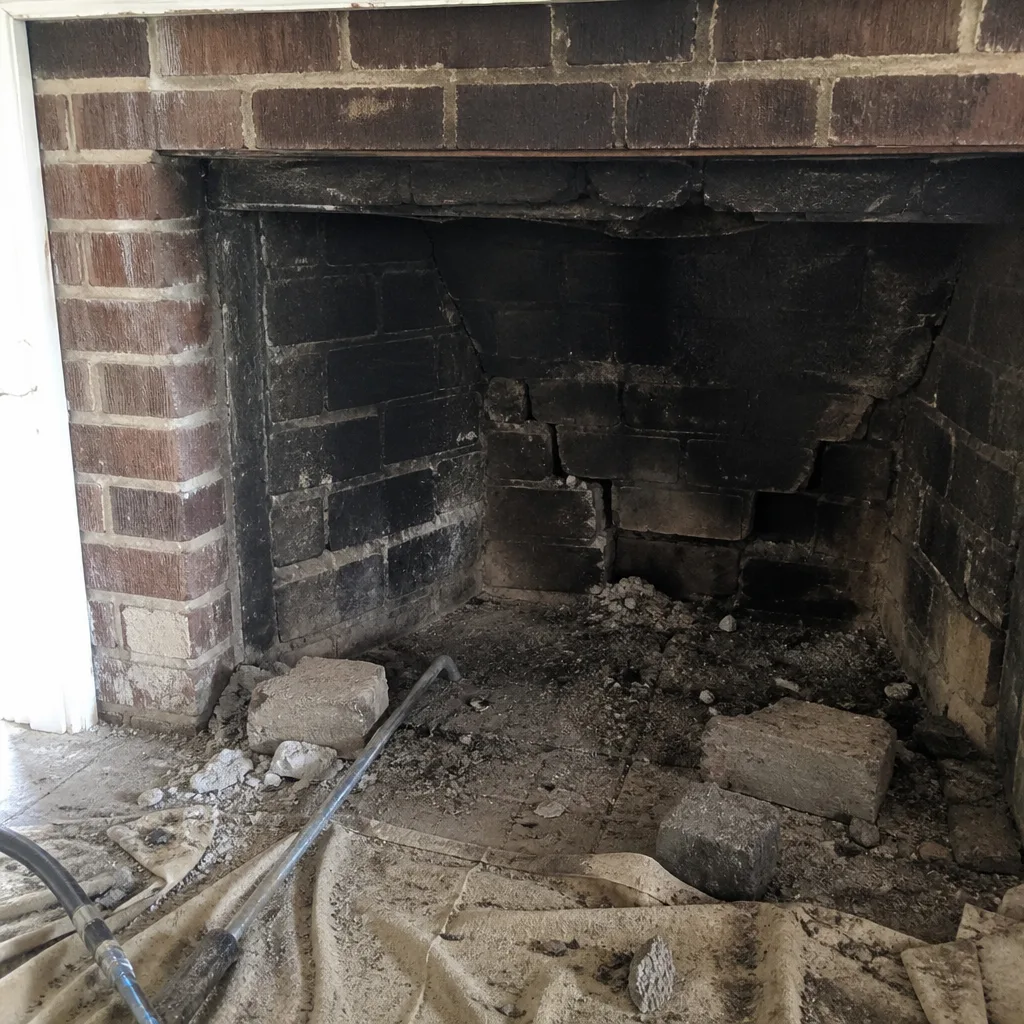 Before
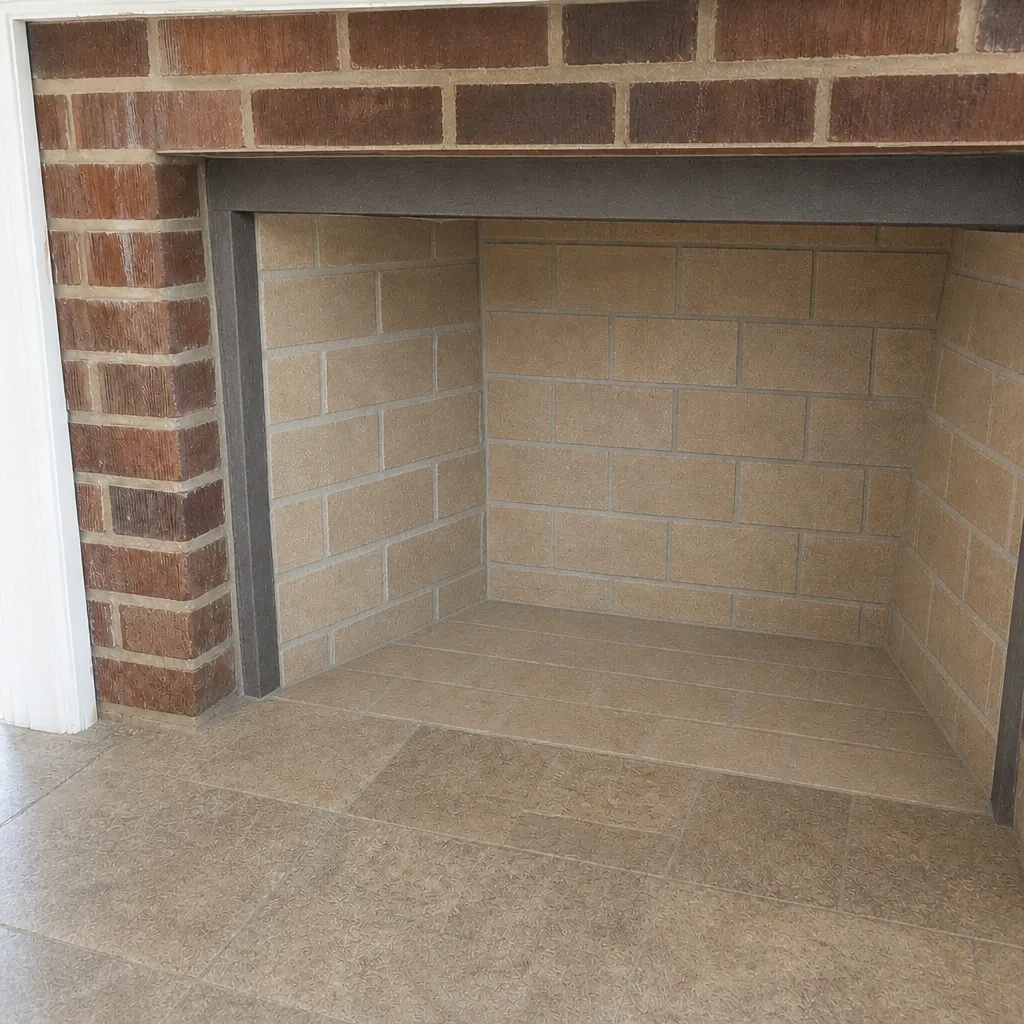 After
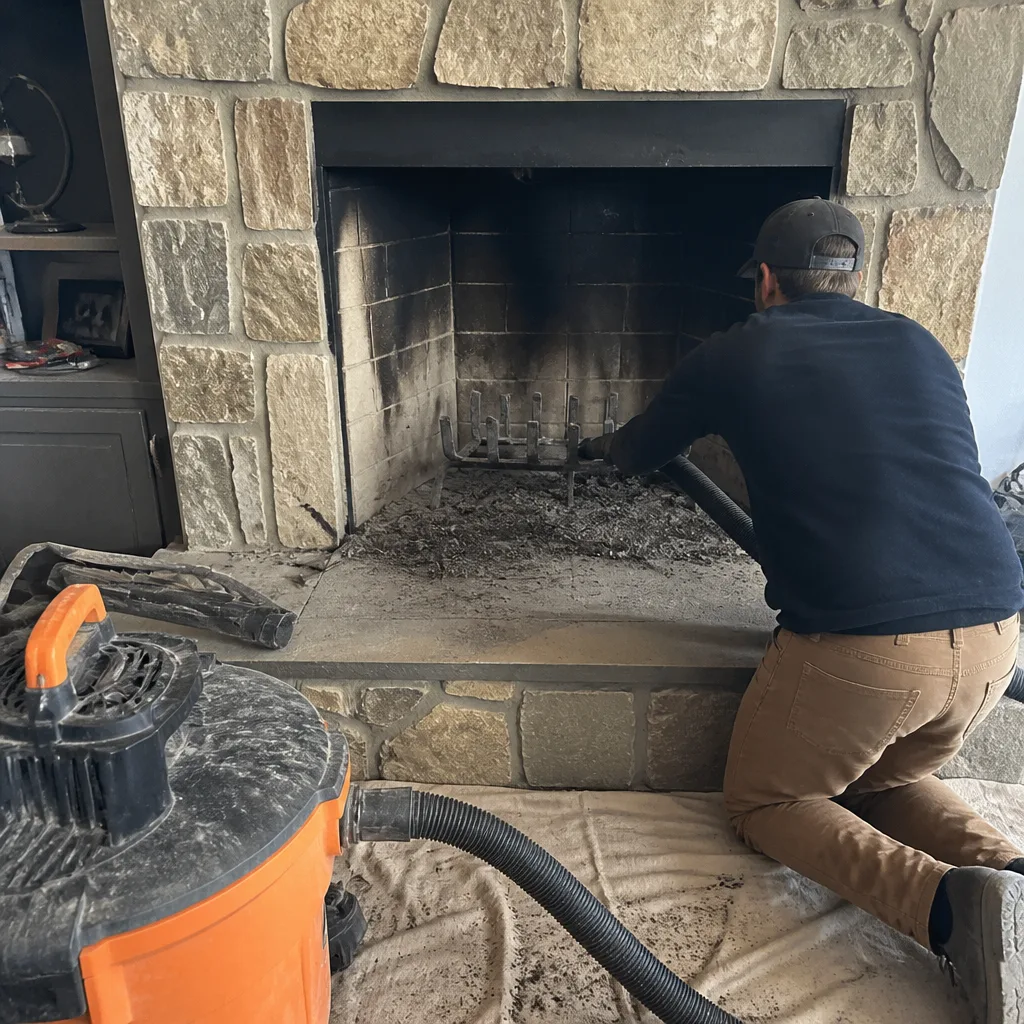 Before
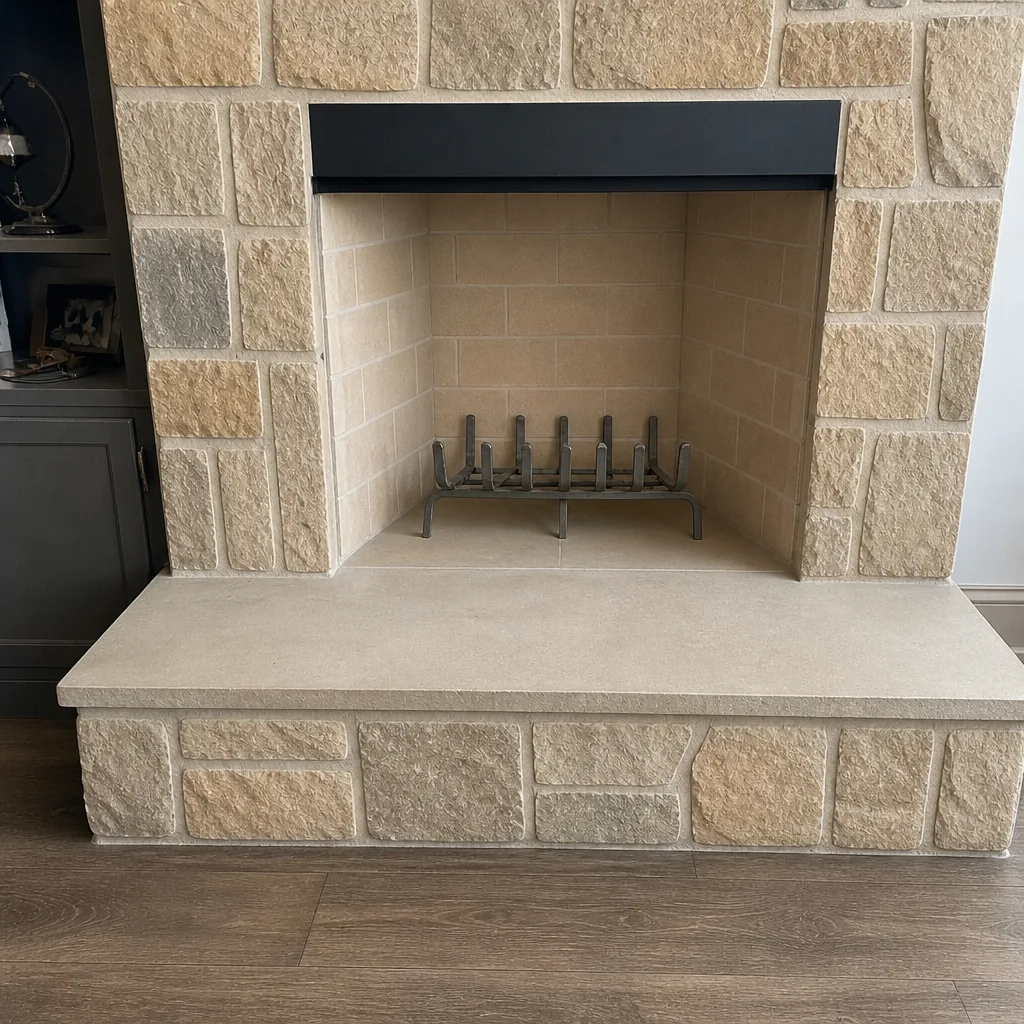 After
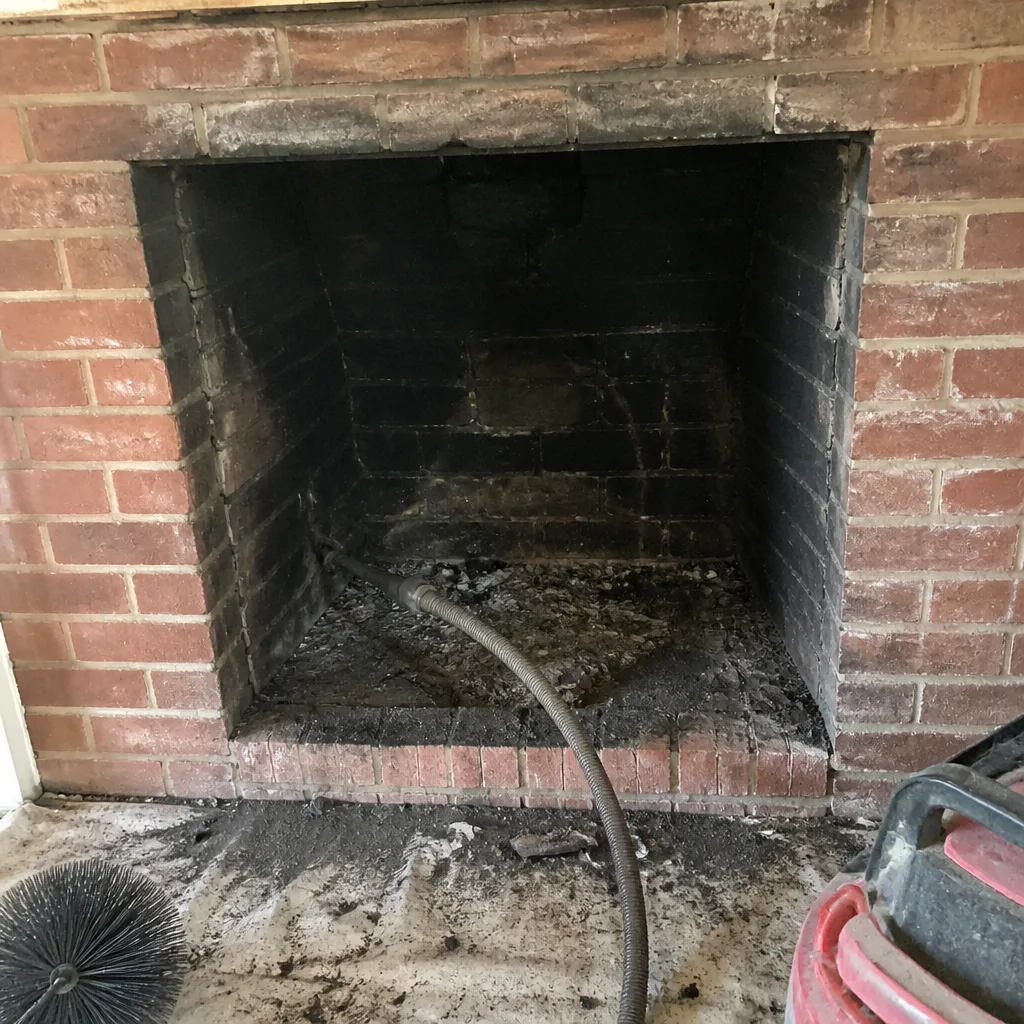 Before
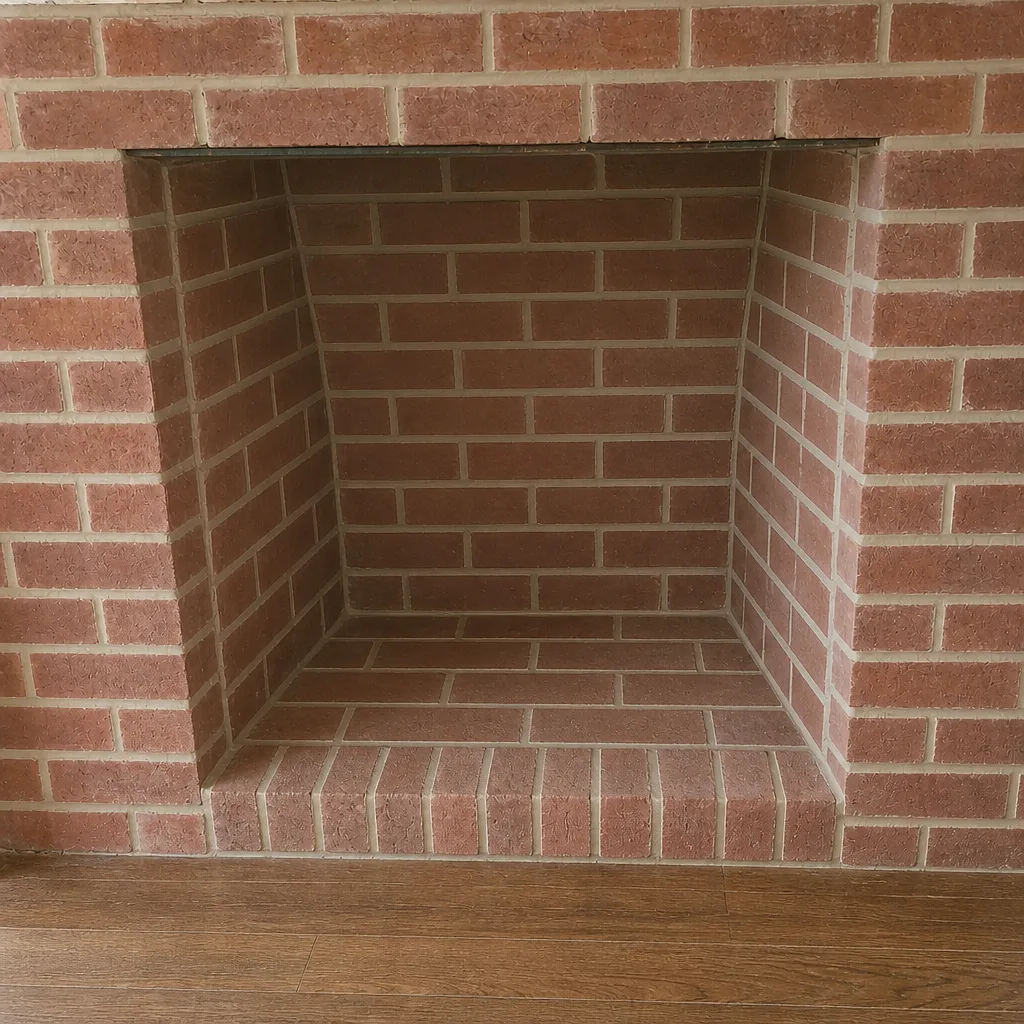 After
When to Call a Professional
Call a professional if you’ve seen smoke spillback, smelled creosote or an animal odor, noticed staining or spalling on the exterior, or had any sign of a past flue fire. Call before the first fire of the season if your chimney hasn’t been inspected in a while, and call before you use the fireplace at all if you’ve recently bought an older Clarksville home. Also call if your carbon monoxide alarm has ever gone off while a fireplace or connected appliance was running. Chimney Sweep Clarksville offers free estimates in Clarksville. Call Chimney Sweep Clarksville at (866) 942-9931.
Frequently Asked Questions
Once a year for a chimney that’s used regularly, and more often if you burn a lot of wood or the inspection turns up heavy creosote. The annual sweep doubles as the inspection that catches the camera-only problems before they turn into repair bills. Call (866) 942-9931 for an exact quote; estimates are free.
You need a liner if the camera shows a cracked, missing, or unlined flue, and you don’t if it doesn’t. That’s why we don’t recommend one without showing you the camera footage. If the flue tile surface is deteriorating but hasn’t cracked, HeatShield resurfacing is often the smaller, cheaper fix. Call and we’ll show you what’s on the screen.
Creosote keeps building on the flue walls, and it’s the fuel that feeds a flue fire. A fire in a chimney can reach temperatures high enough to crack a tile liner and reach the framing, and the homeowner often doesn’t know it happened until the next inspection. Skipping the sweep also lets small exterior problems, like a failed cap or cracked crown, get bigger. Call for an exact quote; estimates are free.
You can run a brush, but it won’t remove glazed creosote, won’t tell you whether the liner is cracked, and won’t give you a camera report. Roof work and high-heat components are also where people get hurt. A trained technician has the camera and the chemical treatment to do the job properly, and in Clarksville we also carry the parts to repair what we find. Call (866) 942-9931 for an exact quote.
The price is set per job by a written estimate, and the estimate is free. What drives the price is the condition of the flue, whether glazed creosote needs a chemical treatment, and whether any repair shows up on the camera. We’d rather quote it precisely than guess over the phone. Call (866) 942-9931 to book an estimate.
A sweep cleans and inspects. A repair fixes what the inspection found, whether that’s a cap, a crown, a flashing joint, a HeatShield resurfacing, or a DuraFlex liner install. Chimney Sweep Clarksville handles both, so you don’t have to book a second contractor once the camera shows a problem. Call for an exact quote on a repair; estimates are free.
The Bottom Line
The signs of a dangerous chimney are quieter than most homeowners expect. Watch for smoke spillback, a lazy draw, creosote or animal odors, white staining and spalling brick, and a failed cap or flashing. The serious stuff, like cracked flue tiles or an unlined flue, usually only shows up on a camera inspection. Sort the signs by whether they mean a cleaning, an urgent inspection, or stop burning and call. If you’ve recently bought an older Clarksville home, get it inspected before the first fire. Chimney sweep, liner repair and dryer vent cleaning are all handled in one place at Chimney Sweep Clarksville. We answer 24/7. Fast dispatch from 7am to 7pm, Sunday through Friday. Call (866) 942-9931 for a free estimate, whether you’re in Clarksville or nearby in Charlotte, and if you’d like more on the sweep itself, read our chimney sweep page.
Written by the team at Chimney Sweep Clarksville.