
Last updated November 15, 2026
 Sweep & inspection
 Caps & crowns
 Flue relining
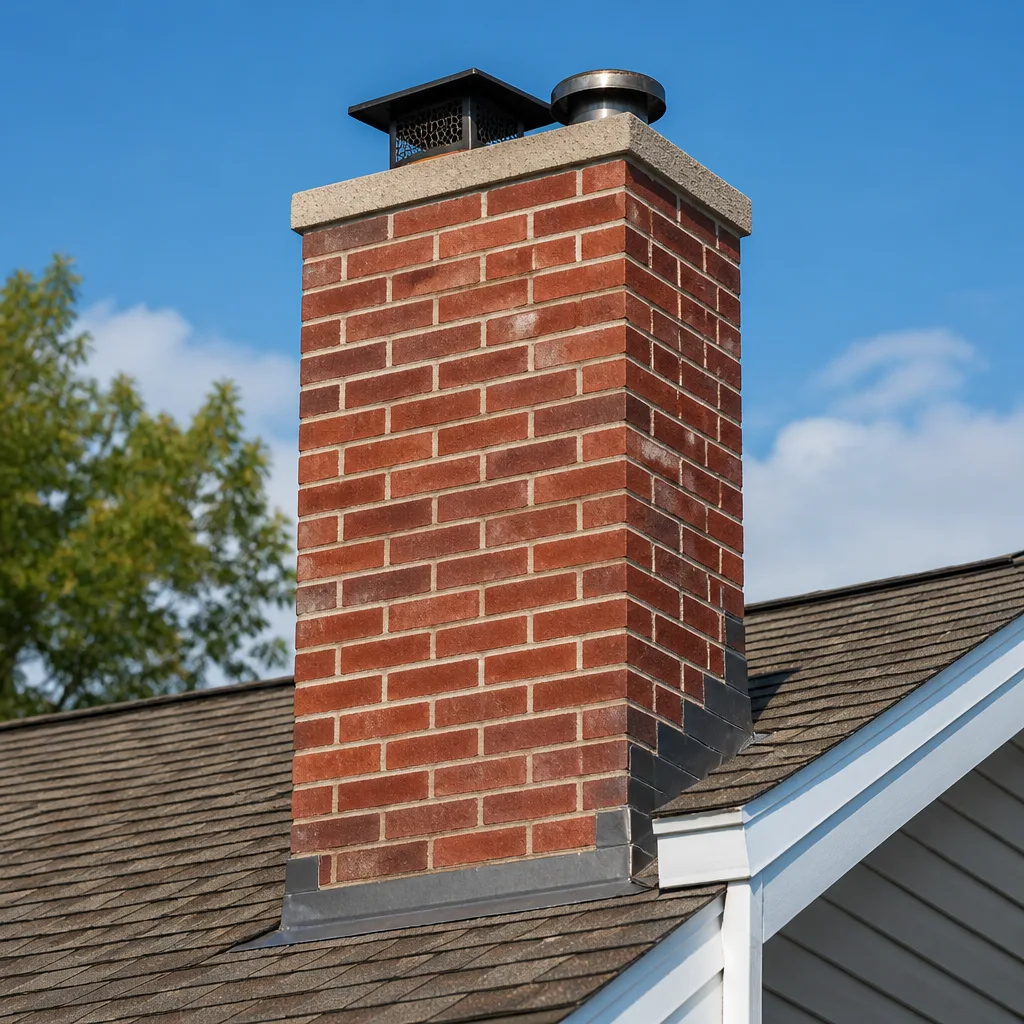 Masonry repair
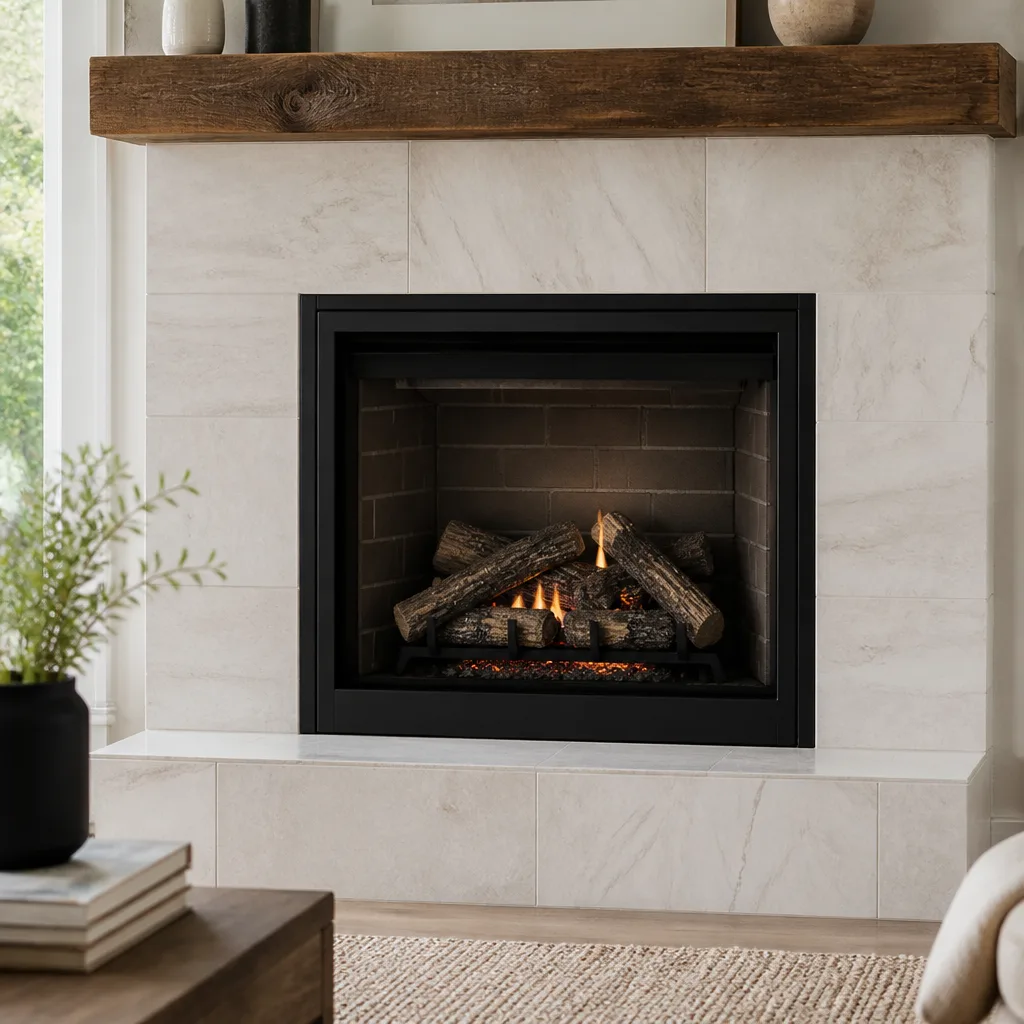 Gas fireplace service
Level 1 sweep and inspection to the NFPA 211 annual standard - flue, crown, cap, and flashing checked and photographed
Chimney sweep logs do not sweep chimneys. They loosen some creosote - which then falls where a brush and vacuum still have to collect it.
Chimney Cleaning Cost Breakdown: The Clarksville Homeowner’s Reference for 2026
The cheapest chimney sweep quote in Clarksville often covers only the flue brushing. Not the camera inspection. Not the firebox cleaning. Not the cap check. Homeowners don’t find out until the technician is standing in their living room, adding each item on separately. So a “$99 cleaning” quietly turns into a much bigger number before anyone opens a flue or looks up the stack. The gap between a low quote and a thorough one isn’t profit margin. It’s the difference in what actually gets done, what equipment gets used, and what liability the company carries while working on a fire-safety system inside your home. This reference breaks down every line item that drives chimney cleaning cost in Clarksville, so you can read a quote and know exactly what you’re paying for.
Quick Answer
In Clarksville, a standard chimney cleaning in 2026 typically runs $175 to $275. A cleaning paired with a Level 1 inspection generally lands between $225 and $350, and a cleaning with a Level 2 camera inspection usually falls in the $300 to $500 range. Repairs found during the sweep are priced separately and quoted from what the camera shows you, and the written estimate you get before any work begins sets the final price.
Styles & brands we work with
- Sweep & inspection
- Caps & crowns
- Flue relining
- Masonry repair
- Gas fireplace service
Table of Contents
- What the Three Service Tiers Actually Include
- Why Equipment Changes the Price
- What Repairs Cost When the Camera Finds a Problem
- Per-Service Pricing vs. Package Deals
- The Cost-Per-Year View: Maintenance vs. Deferred Failure
- Clarksville-Specific Factors That Move the Number
- How to Read a Chimney Quote Line by Line
- Common Mistakes to Avoid
What the Three Service Tiers Actually Include
The biggest source of confusion in chimney pricing is that “cleaning” means different things to different companies. Understanding the three tiers is the first step in reading a Clarksville quote honestly. Each one builds on the last, and the difference in price tracks closely to what the technician actually does while on the roof and in the firebox.
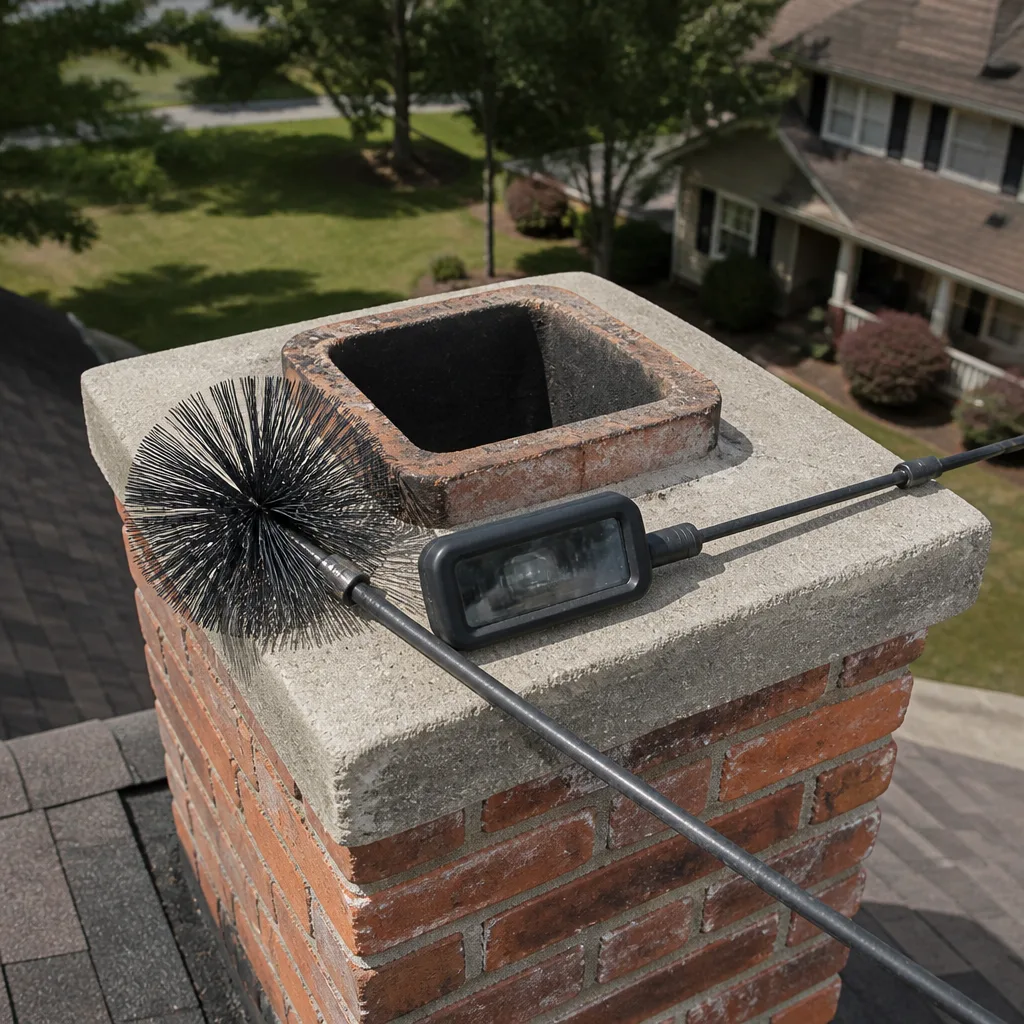
Tier 1: Standard cleaning. This is the flue brushing and soot removal most people picture. A technician runs a rotary brush or rod through the flue, clears the creosote buildup, vacuums the firebox area, and removes the debris. A typical estimated range for this in Clarksville is $175 to $275. It gets the flue clean, but a standard cleaning alone doesn’t tell you much about the condition of what’s inside.
Tier 2: Cleaning plus a Level 1 inspection. After the brush work, the technician inspects the accessible portions of the chimney and venting system: the firebox, the damper, the smoke chamber, the visible flue, and the cap. They check for cracks, gaps, and damage that a brush alone won’t reveal. Estimated range: $225 to $350. For a home that’s been maintained annually, this is often the right level.
Tier 3: Cleaning plus a Level 2 inspection with camera. This adds a video camera run through the flue to see what the eye can’t reach. It’s the inspection you want after a chimney fire, after a change in fuel type, when you’ve just bought an older home, or when there’s any sign of trouble. Estimated range: $300 to $500. The camera is what turns “the flue looks fine from up top” into an actual record you can look at yourself.
A thorough Chimney Sweep Clarksville visit at any tier should include the level of inspection the situation actually calls for. If a company quotes you a low cleaning price but can’t tell you which tier it represents, that’s the first question to ask.
Why Equipment Changes the Price
Professional chimney equipment is expensive to buy and expensive to run. That expense is baked into every legitimate quote, and it’s the single biggest reason a $99 cleaning and a $275 cleaning aren’t doing the same job. The difference shows up in how clean the flue actually gets and how much of what’s inside the technician can show you.
Here’s what separates a professional setup from a basic brush kit:
- Rotary cleaning systems. Powered rotary heads with flexible rods cut through glazed creosote that a hand brush skips straight over. Glazed creosote is the hard, tar-like stage that ignites most easily, and a stiff brush won’t remove it.
- Video inspection cameras. A dedicated flue camera with lighting records the inside of the flue from the damper to the cap. The footage is the difference between a guess and a documented finding.
- HEPA vacuums. A true HEPA vacuum runs a sealed negative-pressure system so soot and dust stay in the canister, not in your living room air. Cheap shop vacs push fine soot back out into the space.
- Drop cloths and containment. Floor and hearth protection, sealed work zones, and careful bagging are part of the labor a low quote usually leaves out.
The operating cost side matters too. Rotary heads wear out. Camera equipment needs maintenance and replacement. HEPA filters are not cheap and get changed regularly. A company running professional-grade gear has real overhead that a pickup-and-brush operation doesn’t. In our experience, that overhead is exactly what you want the person working on your chimney to have, because it’s the difference between a flue that’s clean and a flue that merely looks clean.
There’s also a materials side that generalist handymen rarely touch. Flexible liner components and ceramic resurfacing products from trade brands like DuraFlex and HeatShield aren’t stocked at most hardware stores, and the training to install them correctly takes real time. That capability shows up in what a company can quote you without sending you to a second contractor.
What Repairs Cost When the Camera Finds a Problem
Most homeowners come into a sweep expecting a cleaning bill. What often happens is the inspection turns up a repair that was invisible from the ground. Knowing typical ranges ahead of time keeps that moment from feeling like a sales pitch, because you can compare the quote to what the work actually involves.
Here are the common findings and what the repair work typically costs, as estimates only:
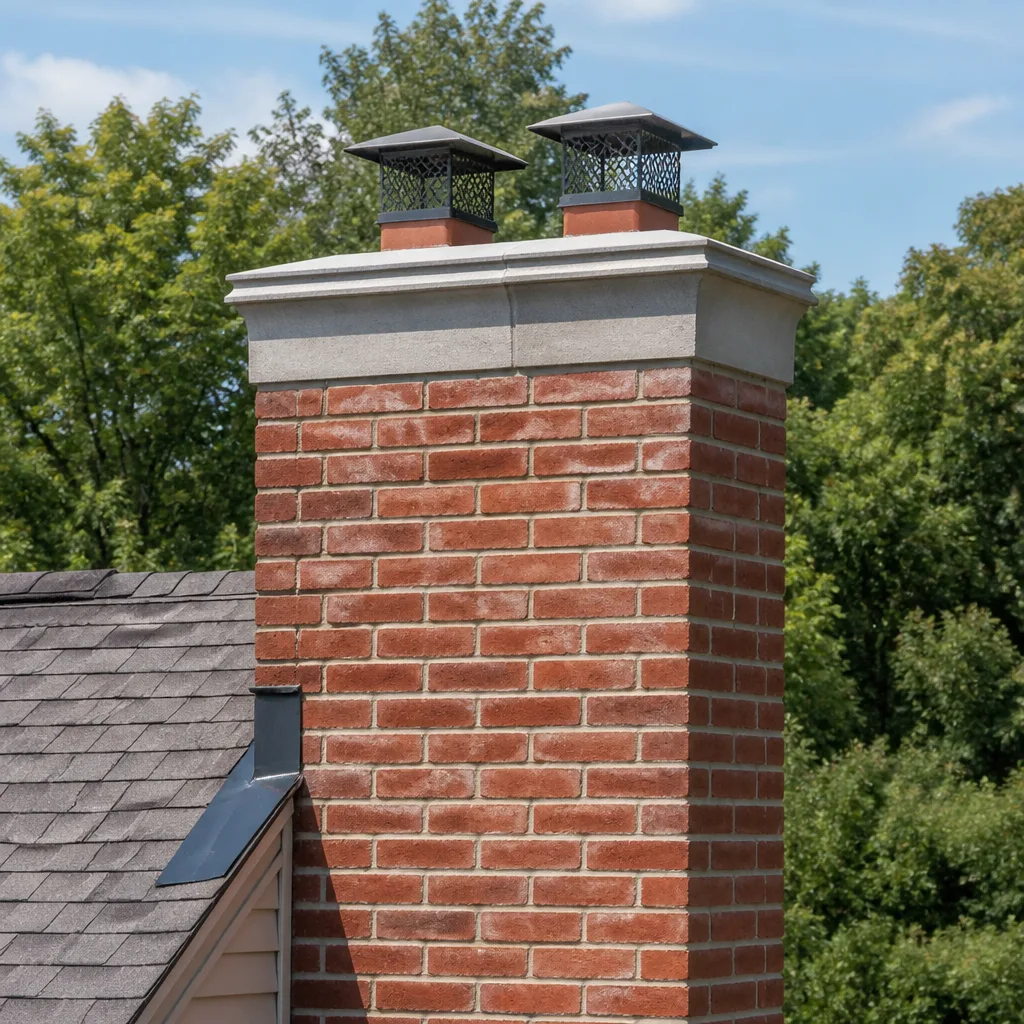
- Chimney cap replacement: usually $150 to $400 depending on the cap style and how it’s mounted. A missing or rusted-out cap lets water and animals straight into the flue, so this one is often worth doing the same visit.
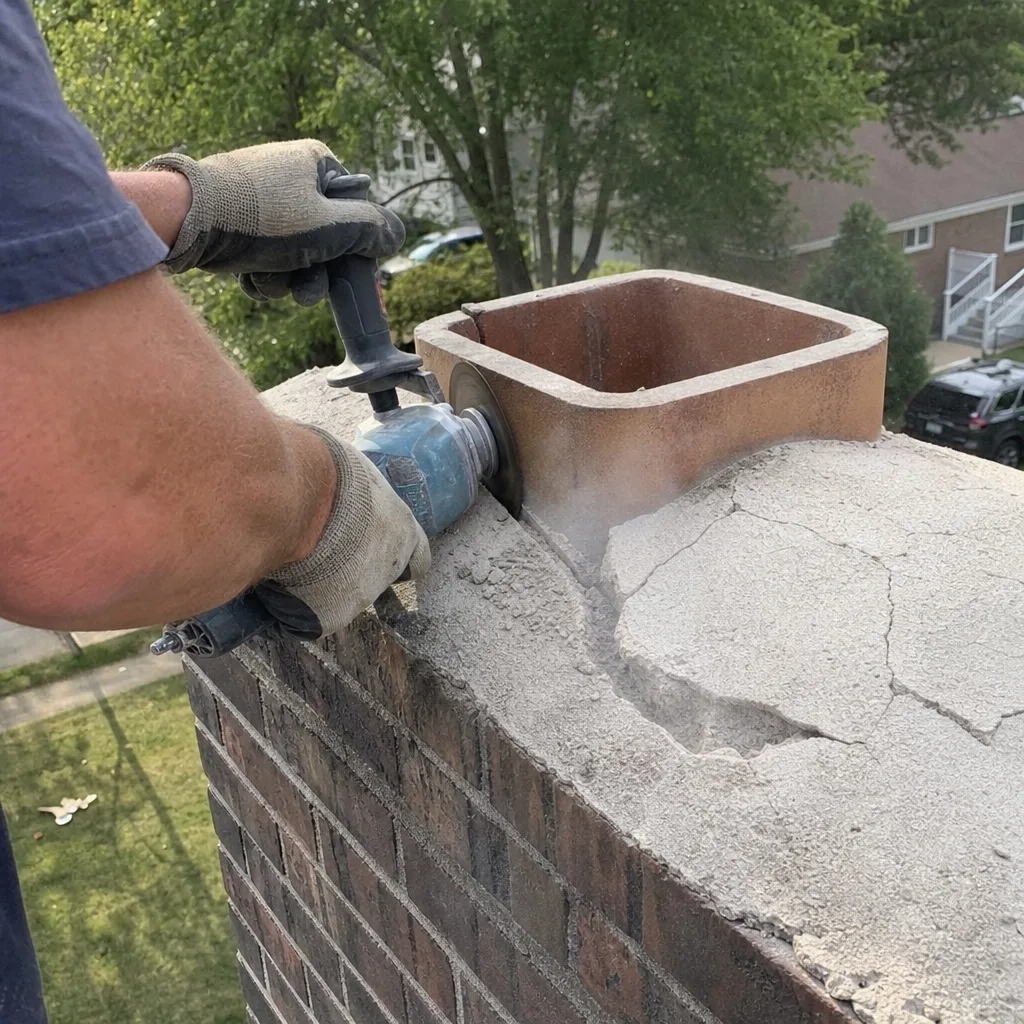
- Crown sealing or crown repair: usually $250 to $600. The crown is the concrete top that sheds water away from the chimney. A cracked crown is one of the most common sources of slow water damage in Clarksville.
- Flashing repair: usually $200 to $500. Flashing is the metal where the chimney meets the roof, and a compromised flashing is a classic roof leak waiting to happen. This is often a straightforward fix and worth handling before it rots the surrounding roof deck.
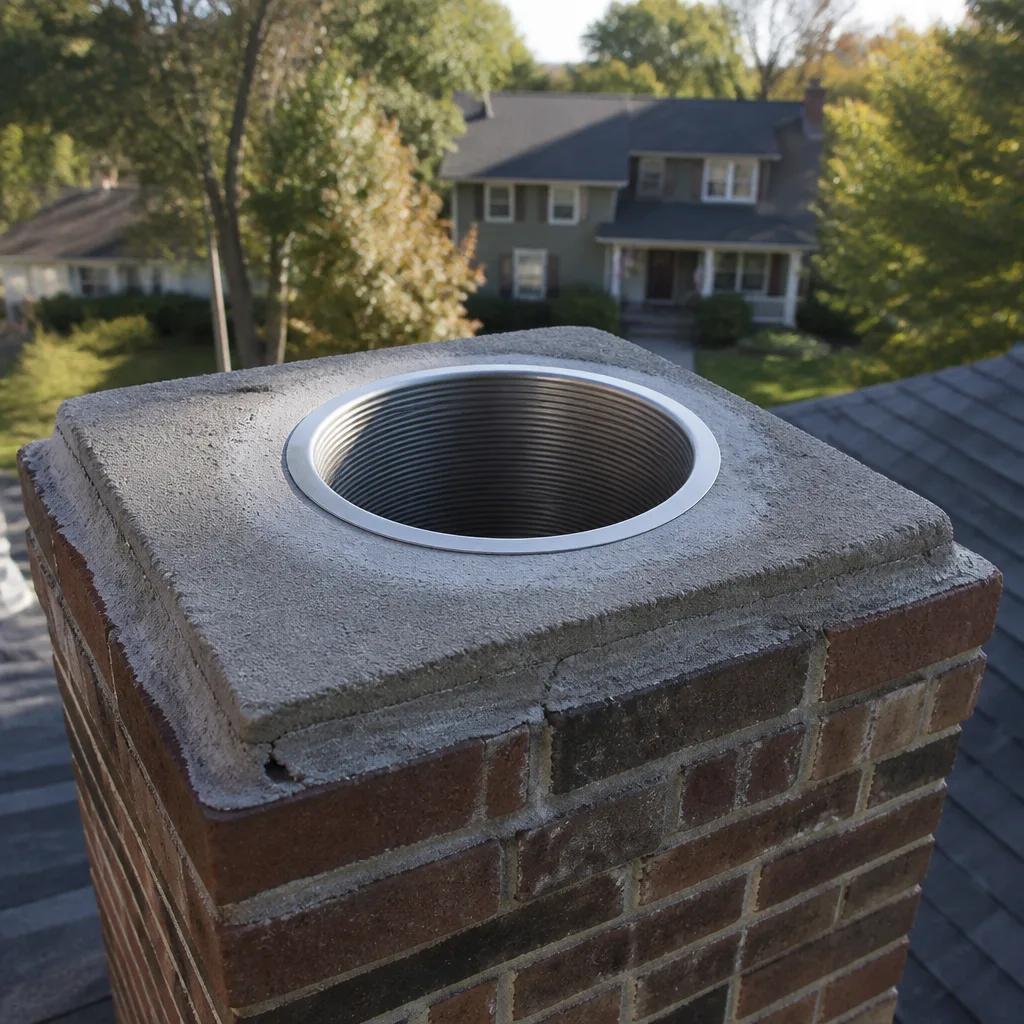
- HeatShield liner resurfacing: typically $800 to $1,800 for a flue that can be resurfaced rather than fully relined. Ceramic resurfacing addresses deteriorated flue tiles without pulling the whole liner out.
- Full liner replacement: typically $2,500 to $6,000 for a flexible stainless liner installation, more for complex or oversized flues. This is the big-ticket item, and the one where you want to see the camera evidence before agreeing to anything.
The honest answer to “do I really need a new liner?” is this: sometimes yes, sometimes you have a resurfacing option that costs far less, and sometimes it can safely wait a season. A company with HeatShield resurfacing capability can offer the middle path that sweep-only operations can’t. If a quote jumps straight from cleaning to full liner replacement with nothing in between, ask why resurfacing was ruled out. The written estimate should tell you exactly what was found and what each option costs.
Per-Service Pricing vs. Package Deals
A “chimney care package” that bundles cleaning, inspection, a cap, and a discount on repairs can look like a bargain. It can also hide what you’re actually paying for each piece, which makes it impossible to tell whether you’re getting a fair price or a padded one. Per-service pricing is more transparent, and transparency is the whole point when the work is inside a fire-safety system.
What to watch for in bundled quotes:
- Cost per line item isn’t shown. A single package price with no breakdown means you can’t compare it to anything else. Ask for the individual prices even if you buy the bundle.
- The inspection is thin. Some packages advertise an “inspection” that’s really just a glance from the floor. Level 1 and Level 2 inspections mean specific things, and the package should say which one you’re getting.
- Repairs are pre-loaded. A package that already includes “sealing” or “a new cap” is charging you for work that may not be needed. If the crown is sound, you don’t want to pay for crown work.
- The discount math is unclear. A 15% discount off an inflated repair number isn’t a discount. Compare the repair price against an independent quote before you buy the bundle.
- You can’t decline parts. A transparent per-service structure lets you accept the cleaning, accept the cap, and defer the resurfacing until spring if that’s the right call. If the bundle doesn’t let you do that, walk away.
Per-service pricing isn’t just about fairness. It’s about being able to say yes to the pieces that matter now and no to the pieces that can wait. That’s how a chimney budget stays honest year after year.
The Cost-Per-Year View: Maintenance vs. Deferred Failure
A yearly sweep in Clarksville is a modest expense. A new liner is not. The cheapest way to own a chimney is to keep it swept, inspected, capped, and crowned, and to fix the small stuff before the water and the creosote have time to compound. It’s worth putting the two paths side by side, because the difference is real.
Here’s the math in plain terms, using the estimated ranges from above:
- Maintained path: a yearly cleaning and Level 1 inspection, roughly $225 to $350. A cap replacement every so often, maybe a crown sealing every several years. Small line items spread out across the life of the home.
- Deferred path: skip the sweep for a few seasons, then find glazed creosote in the flue, a cracked crown holding water, and a rusted-out cap. The camera turns up a failed tile set and a liner that’s too compromised to resurface. Now you’re looking at a full liner replacement in the $2,500 to $6,000 range, plus whatever water damage the crown did to the masonry.
There’s more at stake than money, of course. Deferred maintenance is how a flue ends up insulated in the wrong kind of creosote, and how carbon monoxide can find a path it shouldn’t. We don’t say that to sell anything. We say it because the camera evidence is clear when we see it, and because the homeowner who skipped a few seasons almost always wishes they hadn’t. The yearly sweep is cheap insurance. The deferred repair isn’t.
Clarksville-Specific Factors That Move the Number
Chimney pricing isn’t the same everywhere in the country, and Clarksville has its own mix of climate, housing stock, and fuel use that shapes what a sweep involves. A few local factors show up in the estimate again and again.
Heating season and burn volume. Clarksville gets cold enough to make fireplaces work hard through the winter. Heavy burn means more creosote buildup, more frequent sweeps, and more emphasis on rotary cleaning rather than a light brush. A home that burns a cord of wood a season will typically need a sweep every year, not every other year.
Housing age and chimney style. Clarksville has a mix of older homes with masonry chimneys and newer builds with prefab or metal systems. Older masonry chimneys are more likely to have a deteriorating crown, a rusted damper, or flue tiles that have cracked over the years. Newer systems have their own failure points around the cap and the venting connections. The camera inspection is what tells you which category you’re in.
Humidity and water intrusion. Clarksville’s seasonal humidity, combined with the freeze-thaw cycles of winter, makes water intrusion a real driver of chimney damage. A compromised crown or a missing cap lets water in, and the freeze that follows cracks the masonry. That’s why cap and crown work show up so often in local quotes. Fixing them early is much cheaper than fixing them after a winter.
Local neighborhoods and older properties. Homes around downtown Clarksville and the older established neighborhoods close to the river tend to have more original masonry chimneys, which means more inspection and repair activity. If you’ve recently bought an older home here, a Level 2 camera inspection before the first fire is the right starting point.
If you’re in one of the surrounding communities, our Charlotte page covers similar pricing context for a neighboring area. And if your fire-safety concern extends to the laundry room, dryer vent cleaning is a separate line item that addresses a different part of the house entirely.
How to Read a Chimney Quote Line by Line
A written quote should read like a work order, not a marketing brochure. Here’s how to walk through one before you sign.
- Read the scope, not just the price. What tier of cleaning and inspection is listed? Is it a standard sweep, a Level 1, or a Level 2 with camera? If the quote doesn’t say, ask.
- Look for what’s included and what’s not. Firebox cleaning, cap check, and cleanup should be explicit. If they’re not listed, they may be add-ons.
- Check the inspection findings are documented. For anything above a standard sweep, you should get photos or video footage of the inside of the flue. If the inspection says “there was a crack,” you should be able to see it.
- Separate cleaning from repair. The cleaning price should be one line. Repair recommendations should be itemized with their own prices, so you can accept, decline, or defer each one.
- Confirm the estimate is free and written. The price should be set per job by the written estimate, with no vague language about “starting at.”
- Ask when the repair can wait. A good technician will tell you which items are urgent and which can safely be deferred to a later visit. If everything is urgent, that’s a red flag.
One safety note as you read through: if the camera finds cracks in the flue tiles, separation at the joints, or glazed creosote, none of that is a DIY project. Flue repair and liner work involve high-temperature systems, and a bad installation is a real fire and carbon monoxide hazard. That’s a trained-professional job, no matter what a how-to video on the internet shows.
Common Mistakes to Avoid
- Chasing the lowest cleaning price. A $99 quote usually covers only the brushing, and the inspection, cap check, and firebox cleanup get added on individually. The final bill often lands at or above a thorough company’s upfront price.
- Skipping the camera inspection on an older home. If you’ve just bought a home in Clarksville and it’s more than a few decades old, a Level 2 inspection with camera is worth the extra cost. Buying a house with a compromised flue is not a surprise you want.
- Taking “we found a problem” at face value. Ask to see the camera footage. A reputation for honest reporting is built on documentation you can look at yourself, not a verbal diagnosis from the roof.
- Choosing full liner replacement without asking about resurfacing. If the flue tiles are deteriorated but the structure is sound, HeatShield ceramic resurfacing is a much lower-cost option than a full liner pull. A sweep-only company may not even mention it.
- Deferring cap and crown work through a Clarksville winter. Water intrusion is the biggest driver of chimney damage here, and a cracked crown or missing cap left through freeze-thaw cycles gets expensive fast. Fix the cap and the crown while the weather’s still mild.
- Forgetting the dryer vent. A clean chimney and a clogged dryer vent are two halves of the same fire-safety problem. Homeowners who think about one should think about the other, and it’s a cheap addition to a service call.
- Assuming a “chimney sweep” can repair what they find. Many operations clean and nothing more. If you own an older chimney and want the diagnosis and the fix handled by one company, check repair capability before you book.
See the difference
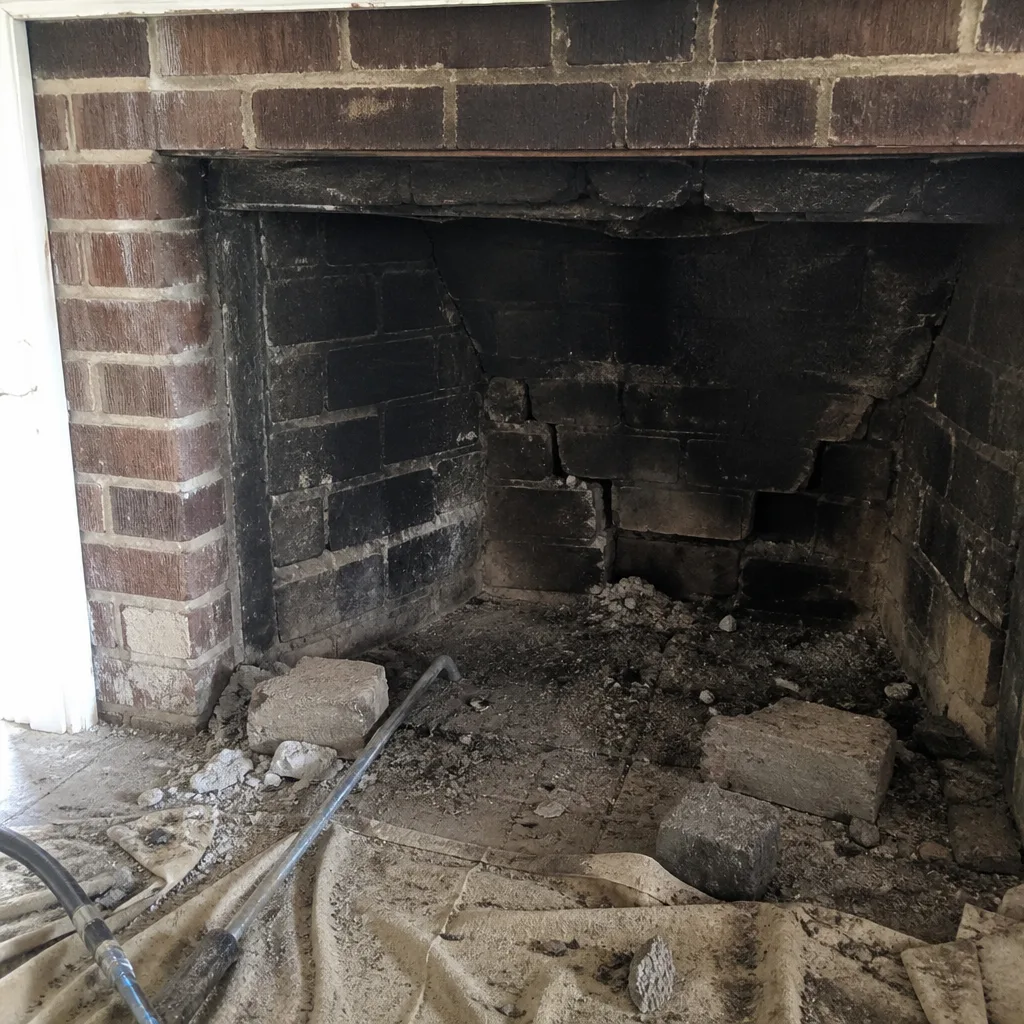 Before
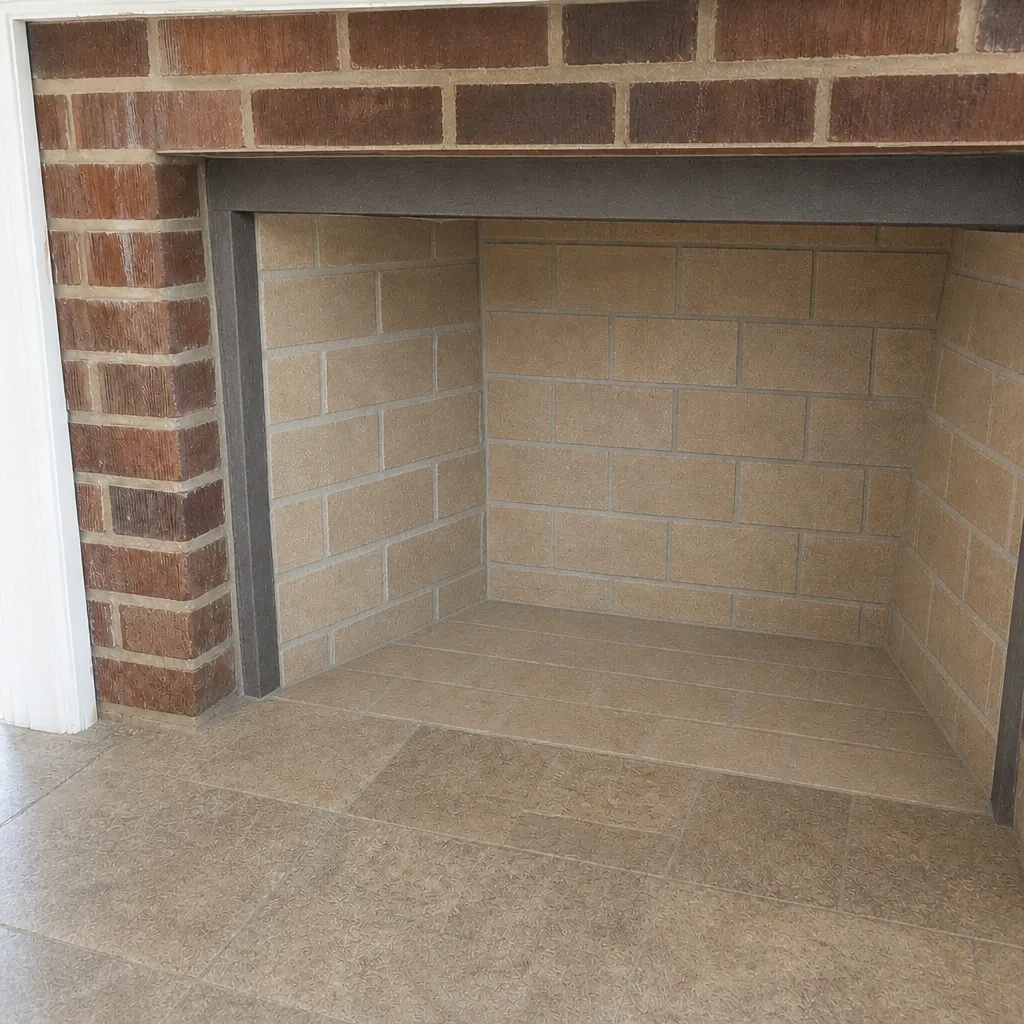 After
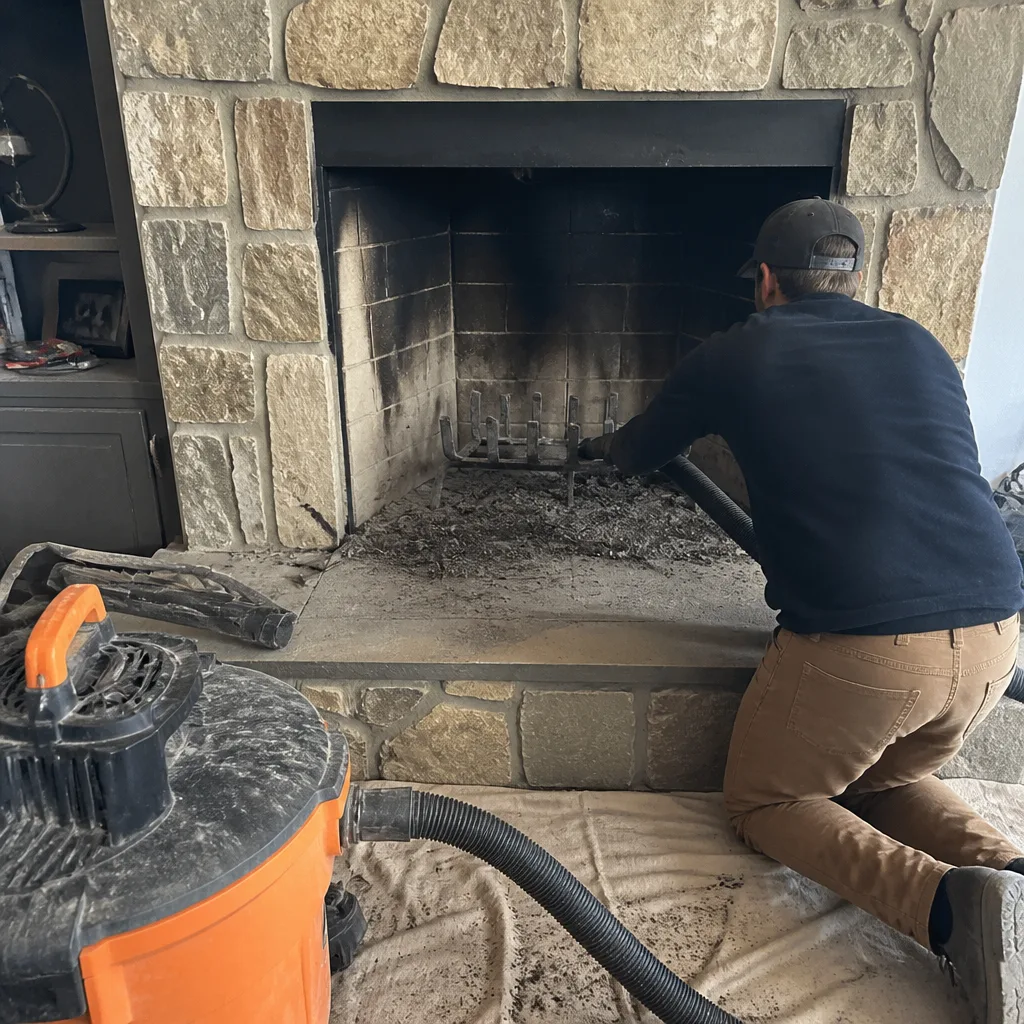 Before
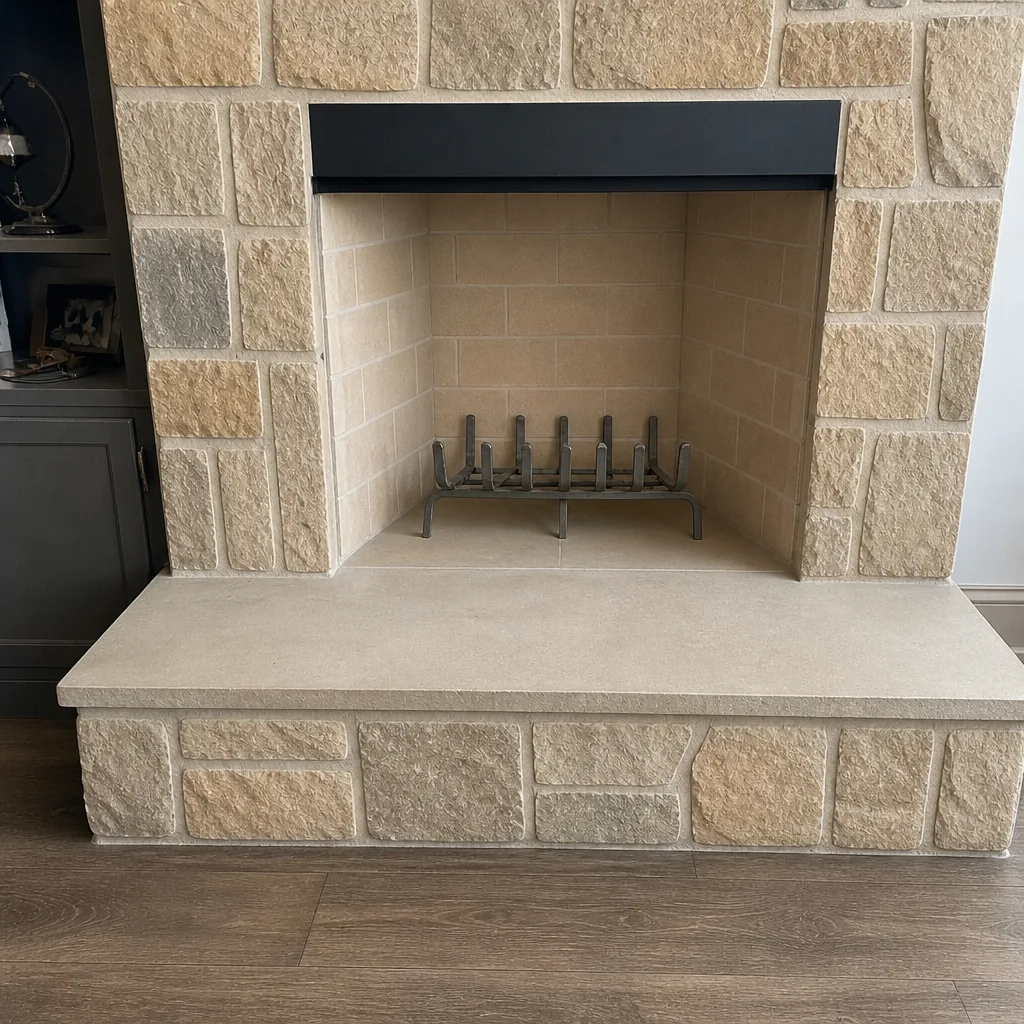 After
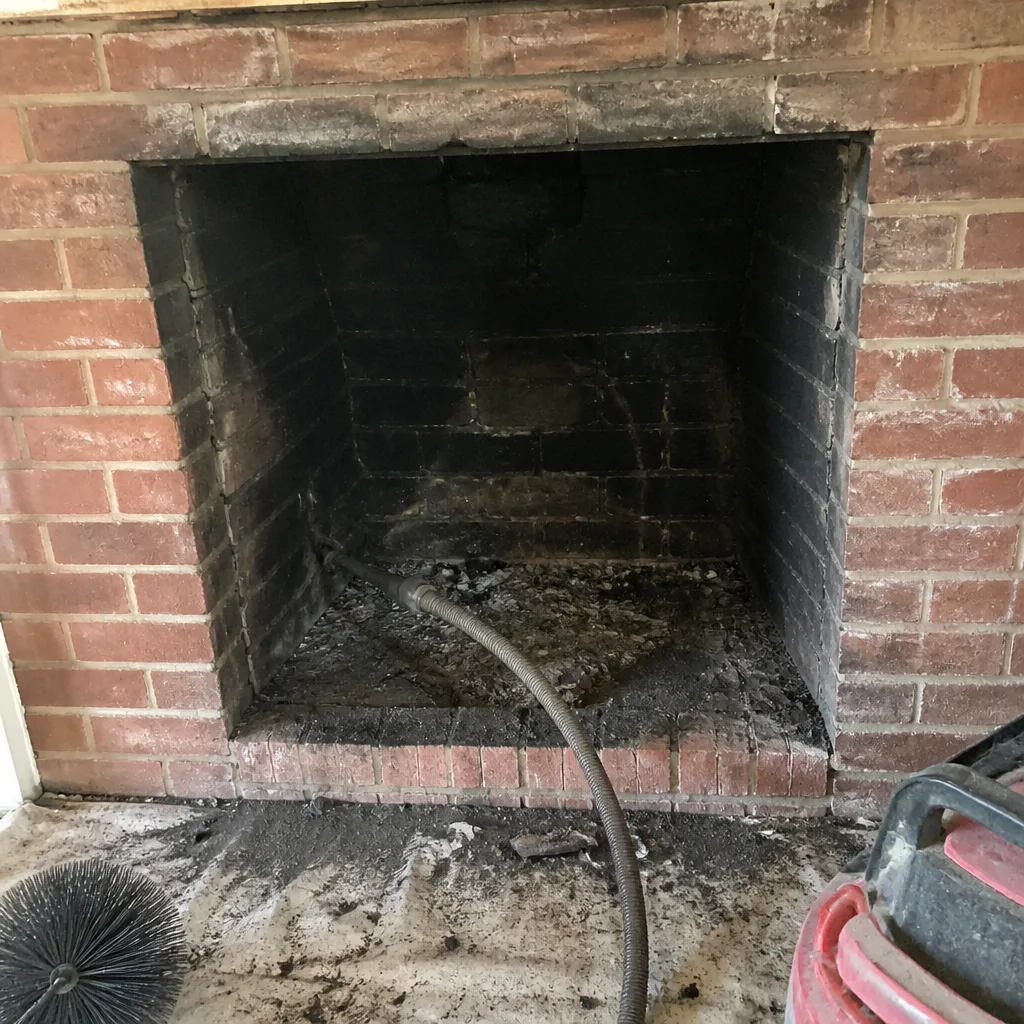 Before
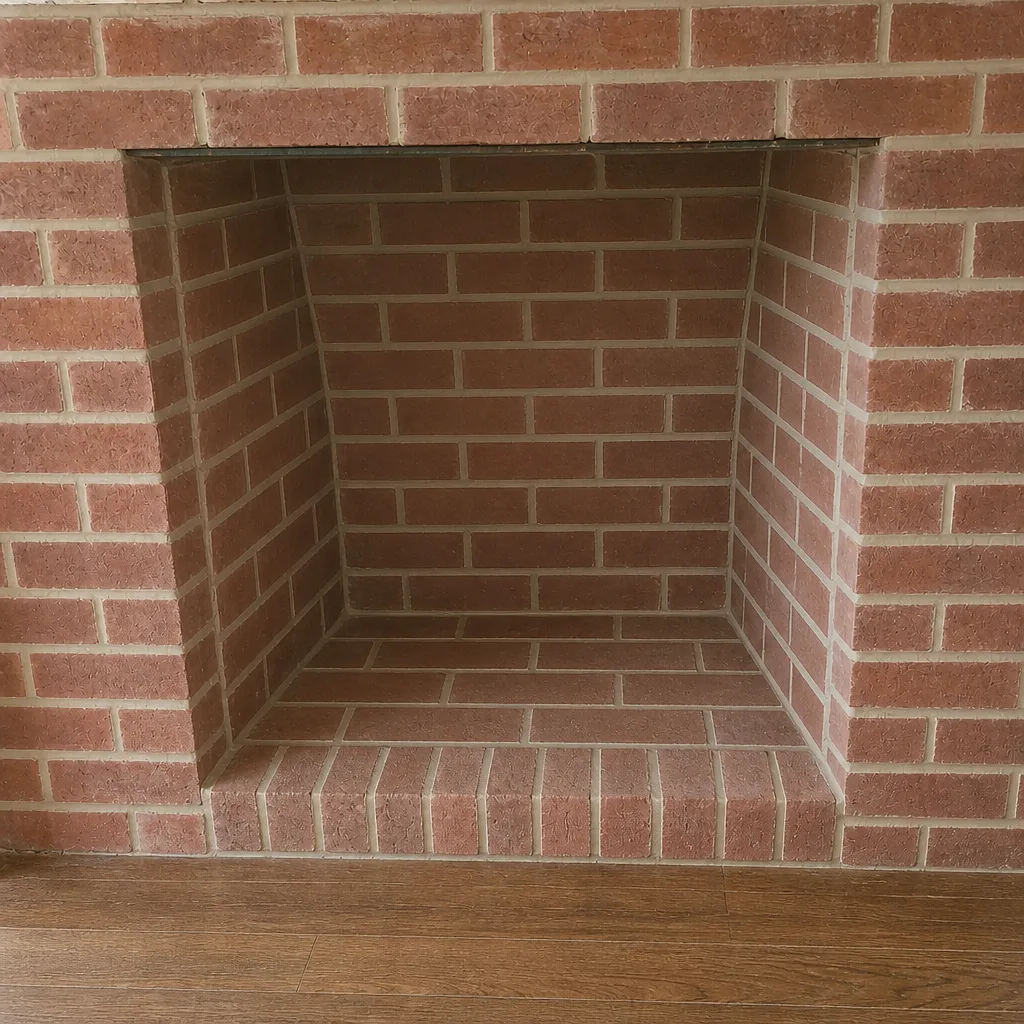 After
When to Call a Professional
Call a professional if you haven’t had the chimney swept in the last year, if you’ve noticed a strong creosote smell, if smoke backs into the room when you light a fire, if the firebox or flue shows cracked masonry, or if you’ve just bought an older home and don’t know the chimney’s history. Also call if you’ve had a chimney fire, even a small one, because the flue needs to be inspected by camera before it’s used again. And call if you’re unsure about a dryer vent that hasn’t been cleaned in years. These are all situations where a trained technician, documented findings, and a clear written estimate matter more than saving a few dollars on the cleaning. Chimney Sweep Clarksville offers free estimates in Clarksville. Call (866) 942-9931. We answer 24/7. Fast dispatch from 7am to 7pm, Sunday through Friday.
Frequently Asked Questions
A standard chimney cleaning in Clarksville typically costs $175 to $275 in 2026. Cleaning paired with a Level 1 inspection generally runs $225 to $350, and cleaning with a Level 2 camera inspection usually falls in the $300 to $500 range. The written estimate you get before any work begins sets the final price. Call (866) 942-9931 for an exact quote. Estimates are free.
The difference is what’s actually included, not profit margin. A low quote usually covers only the flue brushing, while the higher quote includes the inspection, camera check, firebox cleaning, and the professional equipment that keeps soot contained. Ask each company exactly which tier of service its quote represents before you compare prices. Call (866) 942-9931 and we’ll walk you through what’s included in each.
Not always. A full liner replacement is the right answer when the flue tiles are badly deteriorated, but resurfacing with HeatShield ceramic coating is often a lower-cost option when the structure is still sound. The camera inspection is what tells you which category you’re in, and you should be able to see the footage yourself. Call (866) 942-9931 for a free estimate on either option.
Annually for most homes that burn wood, and more often if you burn heavily through the winter. Clarksville’s cold heating season means fireplaces work hard, and creosote builds up faster in a heavily used flue. A yearly cleaning and inspection is the baseline, and the camera check at year two or three catches anything a visual can’t. Call (866) 942-9931 to schedule a sweep and inspection.
Creosote builds up, glazes, and becomes the fuel for a chimney fire. Water intrusion through a compromised crown or cap can crack the masonry, and a cracked flue can let carbon monoxide into the living space. None of that shows up until a camera inspection finds it, which is why skipping the yearly sweep tends to cost far more than doing it. Call (866) 942-9931 for a free estimate before another heating season starts.
Only if the company offers repair work alongside cleaning. Chimney Sweep Clarksville handles cleaning, liner resurfacing, and full liner installation under one company, so you don’t have to hire a second contractor after the inspection. The written estimate itemizes the repair so you can decide what to do now and what can wait. Call (866) 942-9931 for a free estimate.
The Bottom Line
Chimney cleaning cost in Clarksville isn’t one number. It’s a range that reflects what’s included, what equipment is used, and what the camera finds. A standard cleaning sits in the $175 to $275 range, an inspection-tier visit runs $225 to $350, and a full camera inspection lands around $300 to $500. Repairs are priced separately and always from documented findings. Per-service pricing beats bundles because you can accept the work that matters now and defer what can wait. And the yearly sweep is the cheapest way to own a chimney, because deferred maintenance is what turns a small line item into a full liner replacement. Read your quote line by line, ask to see the camera footage, and call for a free estimate when you’re ready.
Written by the team at Chimney Sweep Clarksville.