
Last updated November 15, 2026
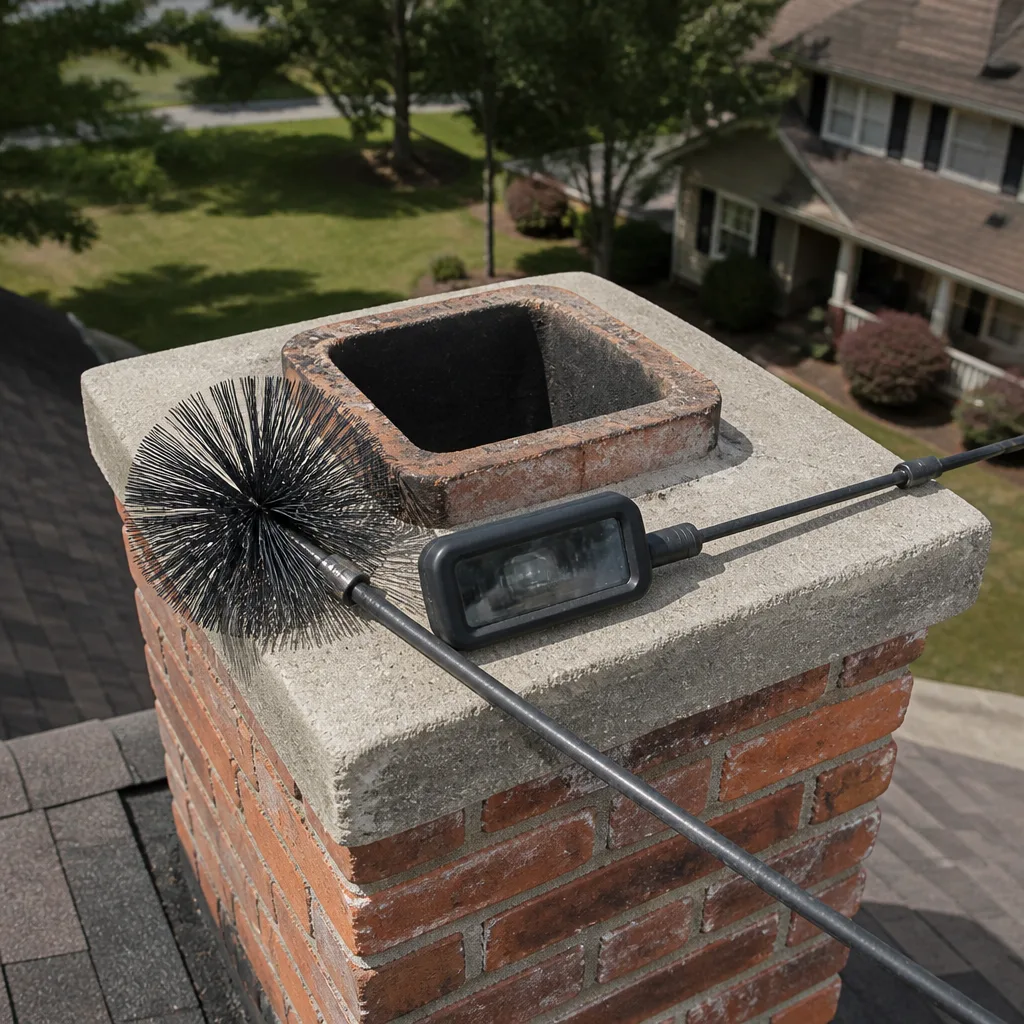 Sweep & inspection
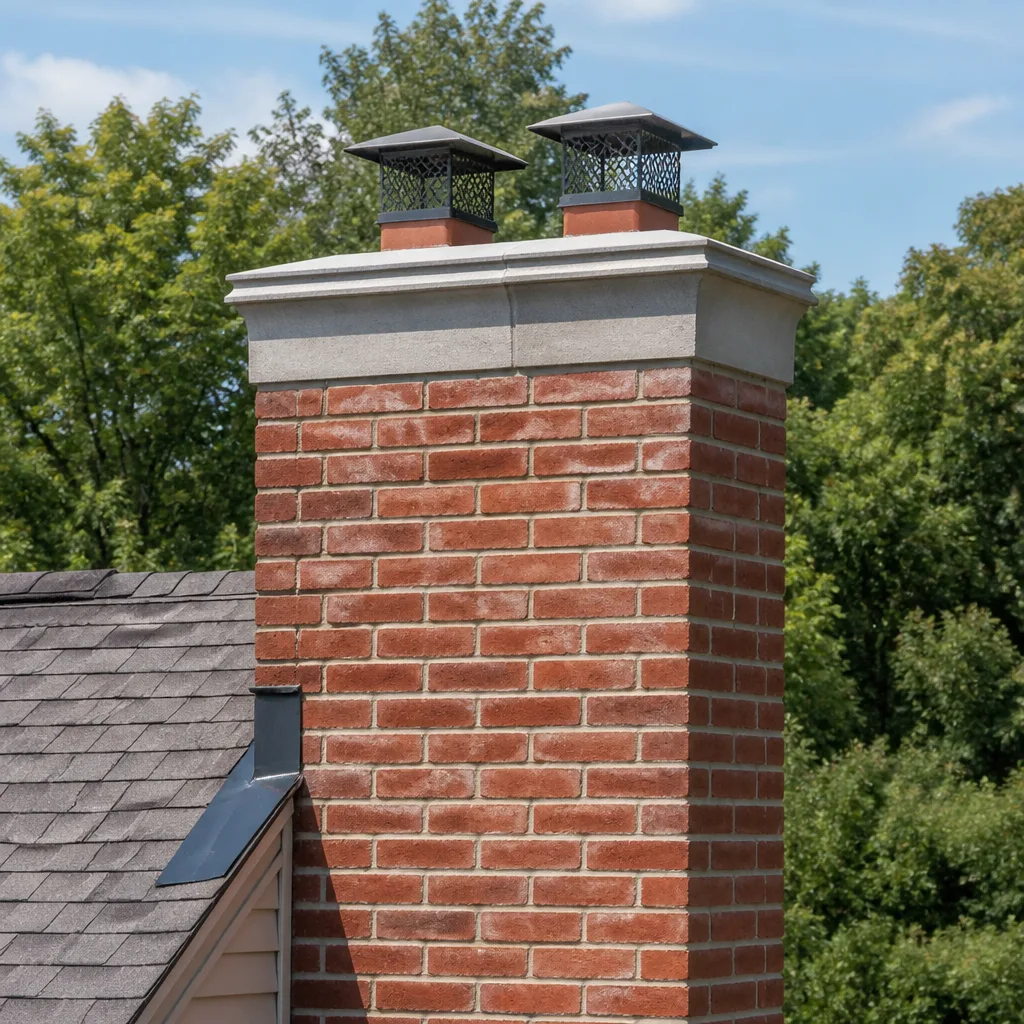 Caps & crowns
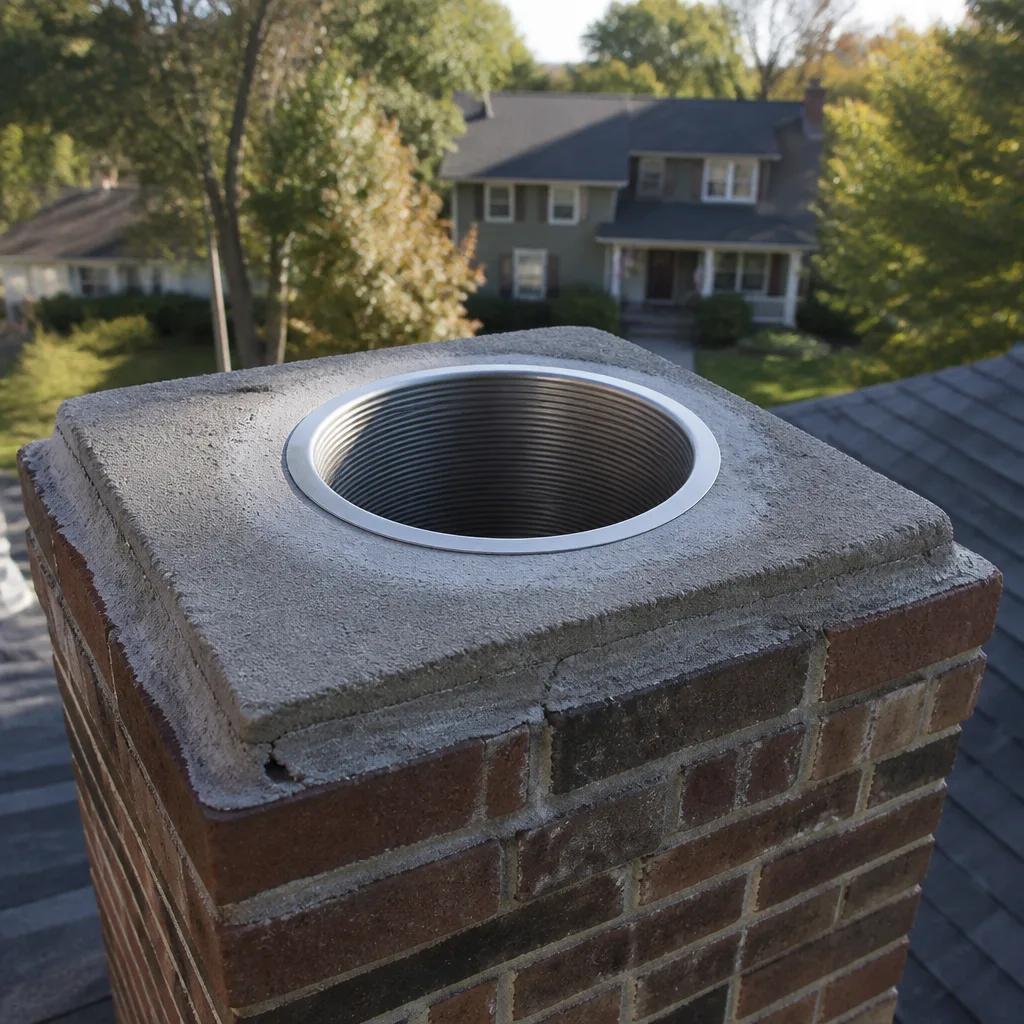 Flue relining
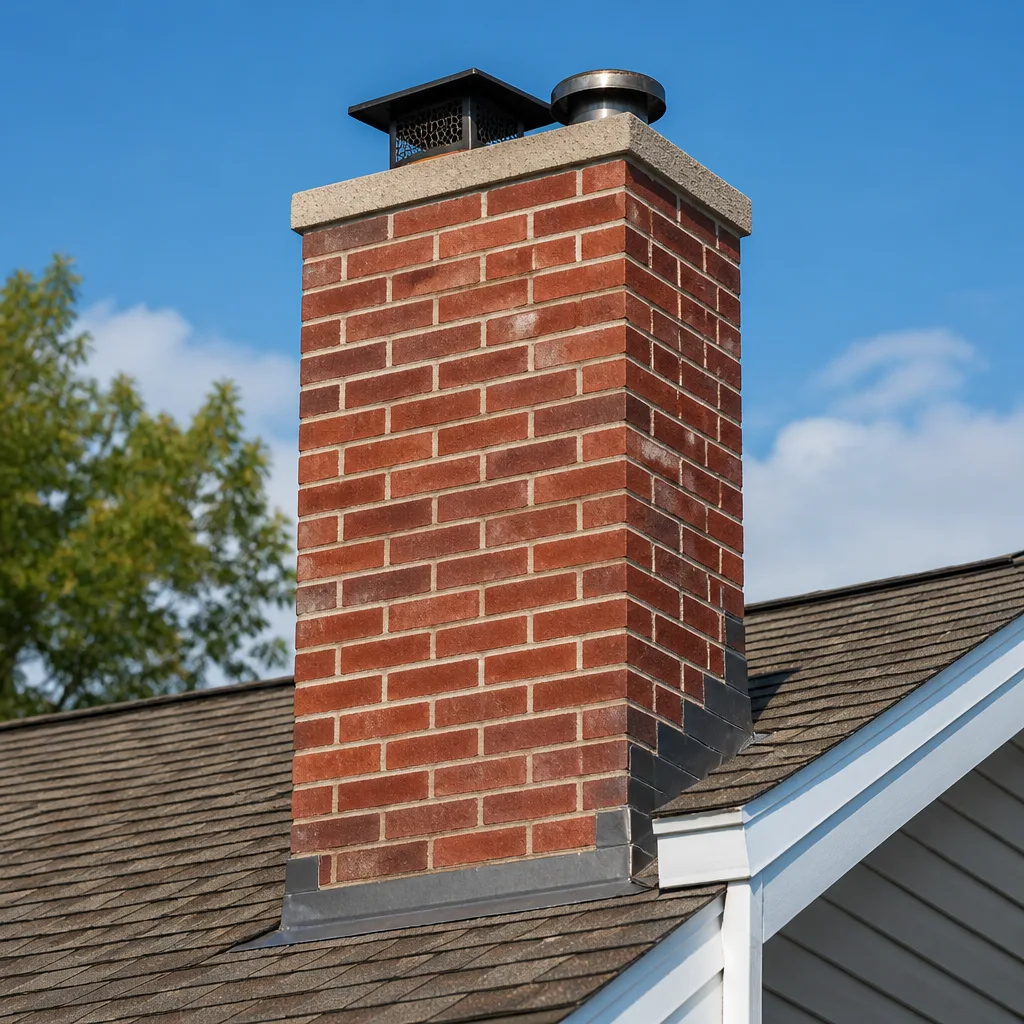 Masonry repair
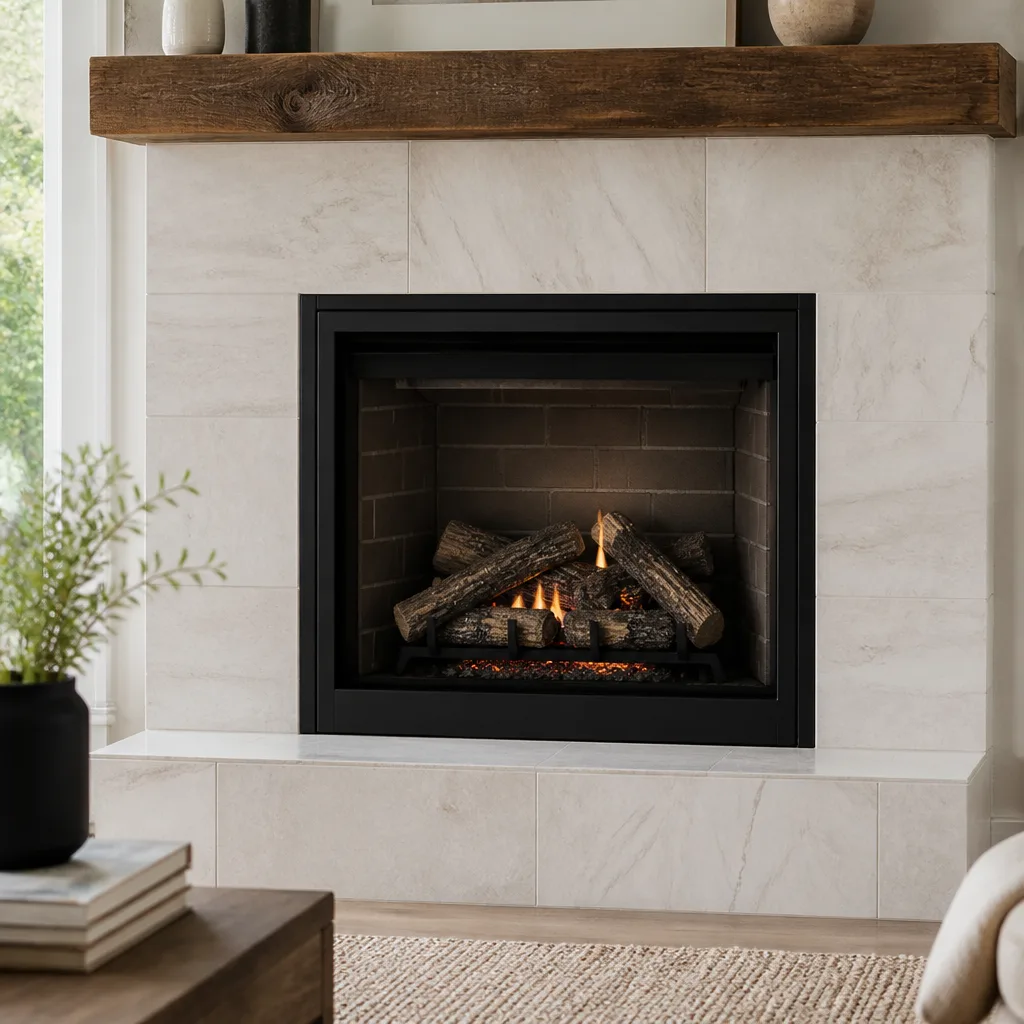 Gas fireplace service
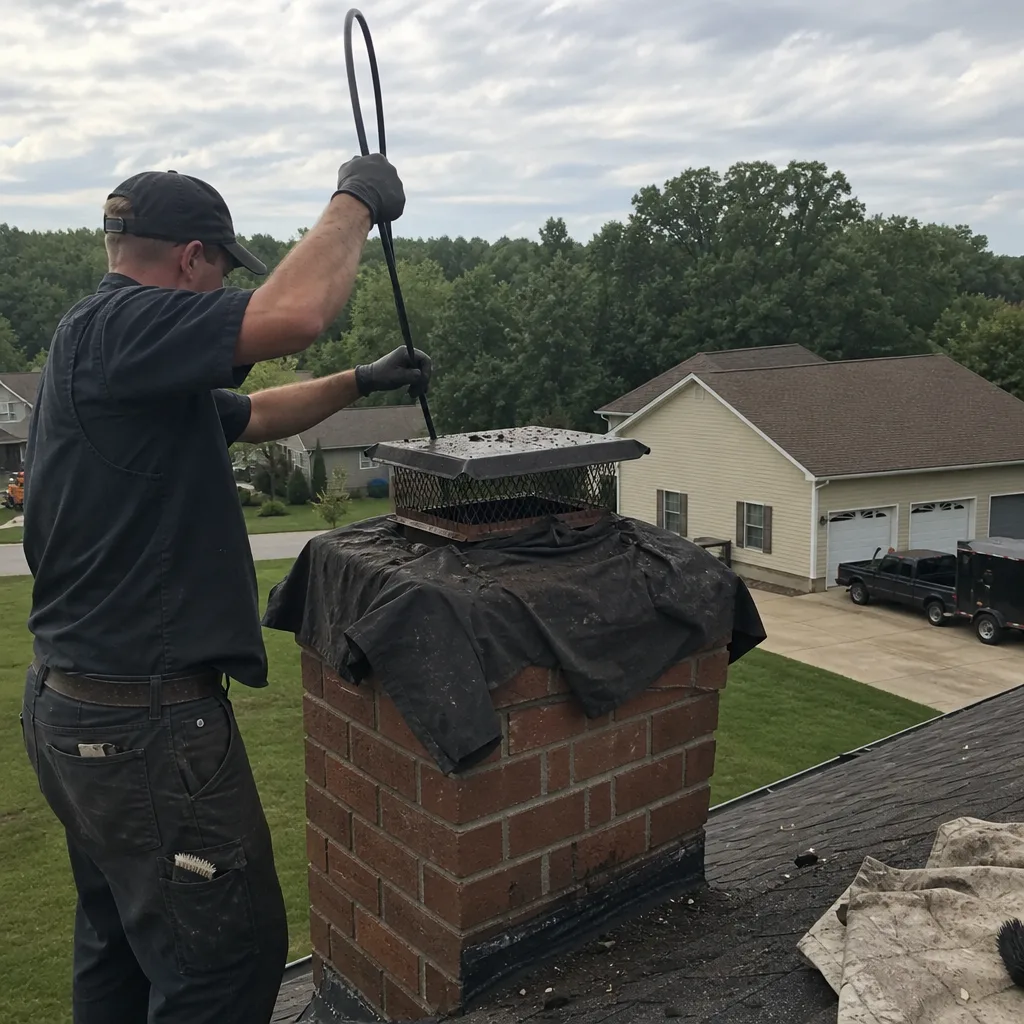
Level 1 sweep and inspection to the NFPA 211 annual standard - flue, crown, cap, and flashing checked and photographed
Chimney sweep logs do not sweep chimneys. They loosen some creosote - which then falls where a brush and vacuum still have to collect it.
Chimney Sweep Maintenance Schedule: What to Do and When
The most common advice in this trade is “sweep once a year,” and it’s not wrong. It’s just incomplete. NFPA 211 calls for an annual inspection, but an inspection is a checkup, not a cleaning schedule, and the two get blended together constantly. A Clarksville household burning three cords of hardwood a season builds creosote faster than a household that lights a fire on cold weekends. A vented gas log set leaves almost no creosote but can leave moisture and corrosion. A pellet stove sits somewhere in between. Treating all of them the same way is how a small, cheap fix turns into a liner replacement. This guide breaks maintenance into separate tracks by fuel type and liner material, defines what the inspection levels actually mean, and covers the shoulder-season jobs you can do yourself.
Quick Answer
Most chimneys need an annual inspection, and most wood-burning chimneys need a cleaning once a year. Burn more than two cords of wood in a season and your chimney should get a mid-season check on top of that. Gas inserts, pellet stoves, and oil furnace flues follow their own schedules, and any chimney that sat unused all year still needs an inspection before you light the first fire. If you want the single benchmark to remember: Level 1 inspection every year, cleaning when the buildup or the inspection says so.
Styles & brands we work with
- Sweep & inspection
- Caps & crowns
- Flue relining
- Masonry repair
- Gas fireplace service
Table of Contents
- One Schedule Doesn’t Fit Every Chimney
- Wood-Burning Fireplaces: The Maintenance Track
- Gas Log Inserts and Gas Fireplaces
- Pellet Stoves and Their Own Rhythm
- Oil Furnace Flues
- Level 1 vs. Level 2 Inspections: What’s the Difference?
- Why an Unused Chimney Still Needs Inspection
- Shoulder-Season Tasks You Can Do Yourself
- Common Mistakes to Avoid
- When to Call a Professional
One Schedule Doesn’t Fit Every Chimney
The single biggest source of chimney confusion is the word “maintenance” doing too much work. Maintenance means different things depending on what’s burning inside the firebox, and we’ve watched homeowners with gas inserts book wood-fire sweeps out of good intentions and worry, and we’ve watched wood burners skip cleanings because the flue looked “fine from below.” Neither group was doing anything wrong. They just hadn’t been told their setup has its own calendar.
Here in Clarksville, the local pattern complicates things further. Summers are humid and long, winters swing between hard freezes and mild stretches, and a lot of the housing stock carries chimneys built decades ago. That combination means moisture intrusion, mortar wear, and animal activity often move faster than creosote buildup does. In other words, the annual cleaning is the headline. The inspection is the part that catches problems the cleaning would miss.
Think of your schedule as having three layers:
- The yearly baseline: an inspection plus a cleaning if the sweep finds enough buildup or blockage. This applies to everything.
- The volume trigger: extra mid-season checks for heavy wood burners.
- The seasonal trigger: tasks tied to what weather and wildlife do to your chimney when you’re not using it.
The rest of this guide walks each fuel type through those layers. If you already know exactly what you burn and roughly how much, skip to the section that matches your setup. If you’re honestly not sure, start with a Chimney Sweep Clarksville inspection and let the evidence tell you where you stand.
Wood-Burning Fireplaces: The Maintenance Track
Wood is the highest-wear fuel in any chimney. Burning wood produces smoke full of unburned particles, and when that smoke condenses on a cool flue wall it forms creosote. That deposit can be light and flaky, or it can bake into a hard, glassy layer that a standard brush won’t touch. Either way, it’s fuel sitting in the path of every fire you light.
Here’s the schedule we walk Clarksville wood burners through:
- Before the first fire of the season: a full inspection and cleaning, ideally in the shoulder weeks before you need the fireplace.
- If you burn more than two cords of wood a season: a mid-season check, because creosote accumulates faster than a year-round calendar assumes.
- After any chimney fire, however small: an inspection, even if nothing looks damaged from the room side.
- After major storm events: a look at the cap, crown, and flashing for wind or impact damage.
Two cords is a general threshold, not a rule handed down from above. A household that burns seasoned hardwood hot and cleanly builds deposits slowly. A household that burns unseasoned “green” wood, or runs the fire cool and smoldering to stretch a load, builds them much faster. If your glass blackens within a week or two of lighting, or your flue smells smoky in warm weather, your burn habits are costing you buildup and the mid-season check is worth it.
The liner matters here too. A clay tile flue in a home built decades ago can have cracked or spalled tiles that don’t show in a visual check from the firebox. Cracks give creosote and heat a path past the liner into the framing of the house. That’s why wall-thickness inspection matters, and why we walk homeowners through what we find. When the tiles are deteriorated but the structure is sound, HeatShield ceramic resurfacing restores the flue interior without a full liner replacement. When the flue is unlined or the liner is clearly compromised, we install a DuraFlex flexible liner sized to the chimney. Both are repair paths, not sales pitches, and a proper chimney sweep should show you the evidence before recommending either.
Gas Log Inserts and Gas Fireplaces
Gas is clean fuel, so it’s easy to assume a gas appliance doesn’t need a chimney schedule at all. It does. Just a different one.
Vented gas logs and gas fireplaces send combustion byproducts up a flue that stays mostly dry and free of creosote. What they do leave is moisture, and occasionally a whitish residue that isn’t quite soot and isn’t quite anything you can brush into a bag the same way. That deposit builds slowly. But the bigger concerns on gas systems are not deposit at all. They’re the sort of things a sweep catches during an inspection:
- Liner condition: a gas appliance often sits inside a flue originally built for wood, and a liner adequate for one fuel isn’t automatically adequate for the other.
- Venting and draft: a blocked or undersized flue can spill exhaust into the room, and gas combustion exhaust includes carbon monoxide.
- Vent-free vs. vented: a vented gas log set and a vent-free one are two different animals, and a sweep needs to know which you have.
- Moisture and rust: a gas insert that sits unused through wet months can develop corrosion or moisture damage that has nothing to do with what was burned.
For gas, the annual inspection still applies. Cleaning often moves to a lower frequency than wood, sometimes a multi-year interval depending on what inspection finds. Using gas for many hours a week doesn’t create creosote the way wood does, but it does put more moisture and combustion volume through the flue. If you’ve run a vented gas log set as your primary heat all season, tell the inspector. It changes the check.
Carbon monoxide safety is the reason not to skip a gas inspection even if you’re certain everything is fine. Do not skip an inspection based on how the fire looks. Call (866) 942-9931 to book an inspection. We answer 24/7. Fast dispatch from 7am to 7pm, Sunday through Friday.
Pellet Stoves and Their Own Rhythm
Pellet stoves sit between wood and gas: they burn solid fuel but burn it more evenly and more completely than a fireplace. The result is less creosote, but not none, and a different set of maintenance needs.
A pellet appliance typically vents through a small-diameter flue, and that smaller flue catches ash and fines quickly. Some systems vent horizontally through the wall and some go vertical and through the roof. The cleaning interval is often driven by how many tons of pellets you go through, and by whether the stove is your main heat or a room heater. A pellet stove used as primary heat through the winter in a Clarksville home accumulates ash quickly and needs the flue cleaned more often than a gas appliance would.
What we tell pellet owners to focus on:
- Flue cleaning or inspection annually. The smaller diameter means blockages restrict draft faster than in a full-size chimney.
- Ash removal as part of routine use. Careful handling matters, since hot embers can hide in ash that looks cool.
- Vent and cap checks after storm season. Pellet flues are often on or near rooflines, so wind damage to the cap or termination fitting is a real spring check.
Pellet installations are also the easiest kind of setup to get wrong. A stove hooked to a flue that wasn’t sized for it can run fine in mild weather and misbehave on a cold evening when draft is weakest. If you’ve recently bought a home with a pellet stove already installed, treat the first visit as an assessment rather than a cleaning. Confirm the appliance is vented the way its manufacturer intended before the next heating season.
Oil Furnace Flues
Oil-burning appliances are increasingly rare in newer construction, but plenty of older homes still heat with oil, and their flues have a maintenance profile unlike anything else on this page. Oil combustion produces soot, and soot loves surfaces. It also produces sulfur byproducts that, combined with condensation, will attack masonry and metal over time.
An annual inspection is the baseline here too. Cleaning frequency depends heavily on how well the oil burner is tuned: a burner that’s been adjusted correctly leaves far less soot than one that’s running rich. If you’ve had a heating technician tune the furnace recently and they note excessive soot, the chimney needs to be looked at, because soot is going somewhere, and that somewhere is your flue.
Two things to watch on oil flues:
- Flue pipe connections. The metal pipe joint running from the furnace into the chimney should be inspected for corrosion and gaps. A loose joint is a venting problem and a carbon monoxide risk.
- Chimney liner compatibility. Older chimneys built for wood or without a liner can’t safely vent the byproducts of oil combustion. If an oil furnace is vented into a flue that was never lined or sized for it, inspection will catch it, and correction is usually a liner install, not a cleaning.
Whether you burn oil seasonally or every winter, tell the inspector what you’re running. That one sentence changes how the flue gets assessed. If you’re in the Clarksville area and want the flue checked for oil-appliance use, call (866) 942-9931 for an inspection. The estimate is free.
Level 1 vs. Level 2 Inspections: What’s the Difference?
Most homeowners don’t know the trade distinguishes inspection depths, but it’s a useful distinction to understand before you call anyone, because it tells you what you’re buying and when you might need more than a standard sweep.
A Level 1 inspection is the routine baseline. It covers the readily accessible parts of the chimney: the firebox, damper, flue as far as it can be seen, and the exterior components like the cap and crown that are visible without climbing or using tools that aren’t already part of a standard sweep. It’s what happens on a typical annual visit when nothing has changed with the system.
A Level 2 inspection goes further. It’s more thorough, using a camera effectively to examine the interior of the flue, hidden areas of the chimney’s structure, and connections. The key difference: a Level 2 catches things a Level 1 won’t, particularly inside a flue that looks fine from below but has cracked tiles, disconnected liner sections, or other hidden deterioration. A camera is the tool that lets the inspector put the condition in front of you instead of describing it.
A Level 2 is warranted when:
- You’ve had a chimney fire, or suspect you’ve had one.
- You’re buying or have just bought a home. A Level 2 before the first fire is the responsible way to start with an older chimney.
- The system has changed: a new liner, a new appliance, a fuel-type change, or a change to the venting.
- A Level 1 inspection turns up signs that something hidden needs to be seen.
- You’ve had storm, wind, or impact damage to the exterior.
If you already know your setup and it hasn’t changed, a Level 1 is usually the right call. If you’re in doubt, a Level 2 costs a bit more and answers more questions, and it’s often what we recommend to new homeowners in Clarksville before the first heating season. If you’re working with a chimney sweep who offers the inspection off a clipboard without looking, ask which level it is. You’ll know in one answer whether you’re getting your money’s worth.
Why an Unused Chimney Still Needs Inspection
This is the counterintuitive piece. Plenty of homeowners skip the annual inspection because they didn’t light a fire all year, or barely used the fireplace. It seems logical: no fires, no creosote, no problem. The chimney, unfortunately, doesn’t experience it that way.
The things that damage a chimney most often happen when nothing is burning. Here’s what moves on a chimney through a year of no fires:
- Moisture intrusion. Rain and humid air enter through a cracked crown, a missing cap, or compromised flashing. Water then works into the masonry and the flue lining. In Clarksville’s wet winters and muggy summers, that’s a lot of moisture exposure over a season.
- Mortar deterioration. Mortar joints in the chimney masonry wear down from freeze and thaw cycles. A chimney not in use doesn’t get a pass on the weather.
- Animal nesting. Birds, squirrels, and other wildlife find a chimney cap or an open flue a fine place to raise young. A nest is a blockage. A blockage is a draft problem and a fire hazard even before you light the first fire.
- Structural settling. Chimneys that pull away from the roofline or shift slightly over time become water entry points and, in the worst case, safety problems.
- Moisture inside the flue itself. A flue that sits wet over the off-season can develop a cracked tile or a loose joint that wouldn’t have ever shown up if the appliance had been running regularly.
In our experience, the chimneys that show the worst deterioration on inspection are often the ones that saw the least use. The “we didn’t do anything” chimney is exactly the one you want to look at before you start doing something again. That first fire of the season is the wrong moment to discover that the flue is compromised.
Shoulder-Season Tasks You Can Do Yourself
Between winter and fall, there’s a stretch where a homeowner can catch small issues before they turn into calls. This isn’t a substitute for an inspection, but it’s real preventive work. Here’s what’s reasonable to handle on your own:
- Inspect the cap after winter storms. Look at the cap from ground level if you can, or from a safe vantage point inside the home. A rusted, dented, or missing cap means water entry and animal access, both of which warrant professional attention before fall. Don’t climb the roof to check it. Height work is a job for someone with the right equipment.
- Check for animal entry signs in spring. Look for nest material on the smoke shelf or at the top of the firebox. Listen for scratching or bird chatter in the flue. A cap that’s come loose is the usual cause, and the chimney should be checked before it’s used again.
- Test the damper before the first fall fire. Open and close it fully. If it moves stiffly or sticks open, note it. A damper that won’t close properly means you’re dripping heated air up the flue all winter, and a damper issue is a repair, not a cleaning, but it’s best found now, not in December.
- Clear the firebox of stored items. It sounds obvious, but books and kindling stacked in a firebox is a hazard. Empty it before fall, and keep the firebox clear during the off-season.
- Look at the exterior masonry from the ground. A gutters-down check at the chimney base will show you obvious cracks or flaking brick. Note what you see and show the inspector. It saves time.
That’s the full scope of what you can safely do yourself. Anything involving the flue interior, the liner, the damper mechanism, or the roof is a professional job. It’s also where the real maintenance happens. Our technicians have up to 10 years of experience with these systems, and they’ll tell you plainly what’s safe to wait on and what needs attention now.
If you’re outside Clarksville proper and want the schedule checked for a neighboring town, we also see homeowners in Charlotte, and the maintenance calendar there works the same way.
Common Mistakes to Avoid
- Treating the annual sweep as a full inspection. The two are different services. A sweep cleans; an inspection evaluates condition. Ask which one you’re getting, because a cleaning alone won’t tell you what’s happening to your liner or masonry.
- Weighing the calendar over the burn volume. Two cords of wood and twelve cords of wood don’t need the same schedule. If you’re a heavy burner, the annual sweep is the floor, not the ceiling.
- Skipping the inspection because the chimney wasn’t used. Moisture, animal nesting, and mortar wear don’t wait for you to light a fire. The unused chimney in a Clarksville home is often the one that needs the look.
- Assuming gas doesn’t need attention. Gas appliances introduce their own concerns, including venting and carbon monoxide risk. A gas log set still warrants an annual inspection, just a different cleaning interval than wood.
- Waiting for a chimney fire to decide the liner needs work. Cracked or spalled flue tiles don’t announce themselves. Proper inspection catches them, and HeatShield resurfacing or a DuraFlex liner install can be the difference between a repair and a far bigger job.
- Treating severe weather damage as cosmetic. Loose flashing, a dented cap, or a shifted chimney crown are entry points. Get them inspected, not paved over.
- Ignoring the dryer vent entirely. A dryer vent is a fire-hazard component of the home in its own right, and lint accumulation is a yearly concern just like creosote. We handle dryer vent cleaning as part of a whole-home fire-safety maintenance conversation, because the routine doesn’t stop at the chimney.
See the difference
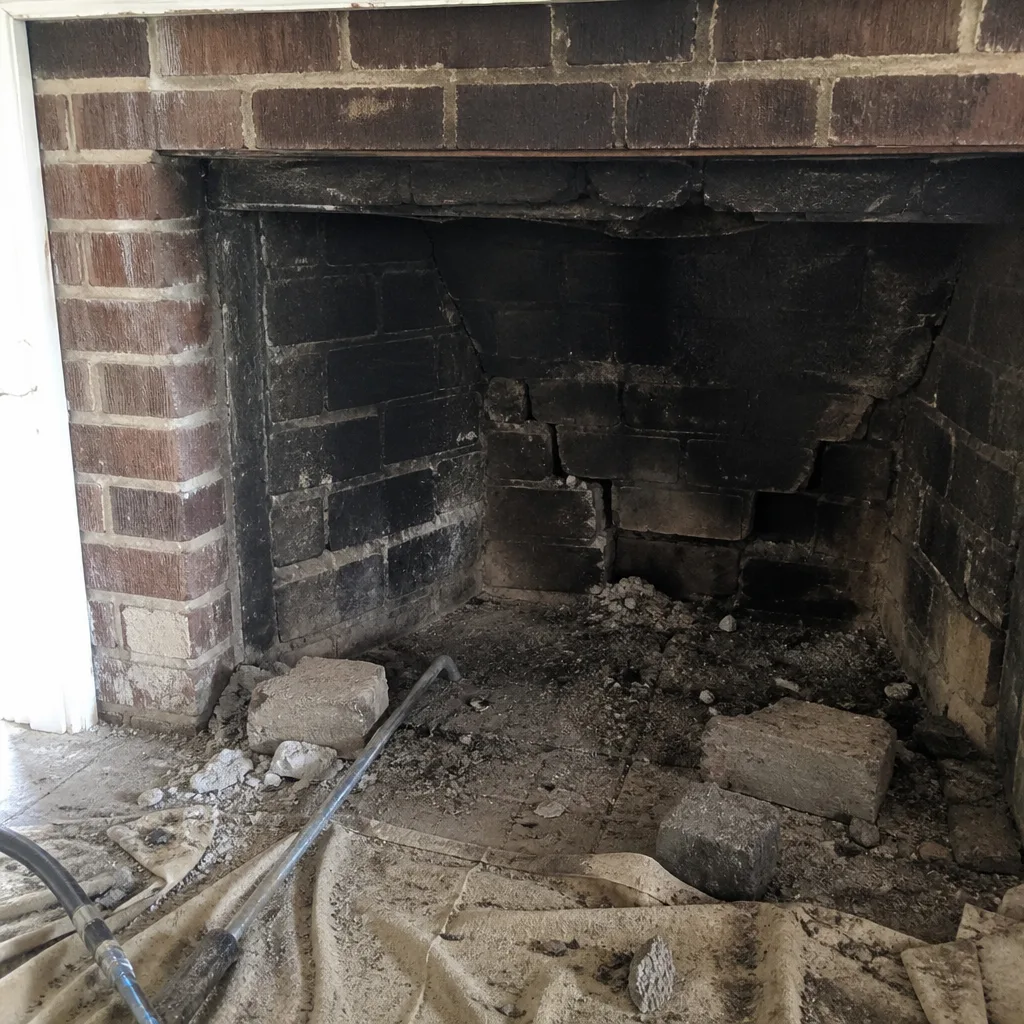 Before
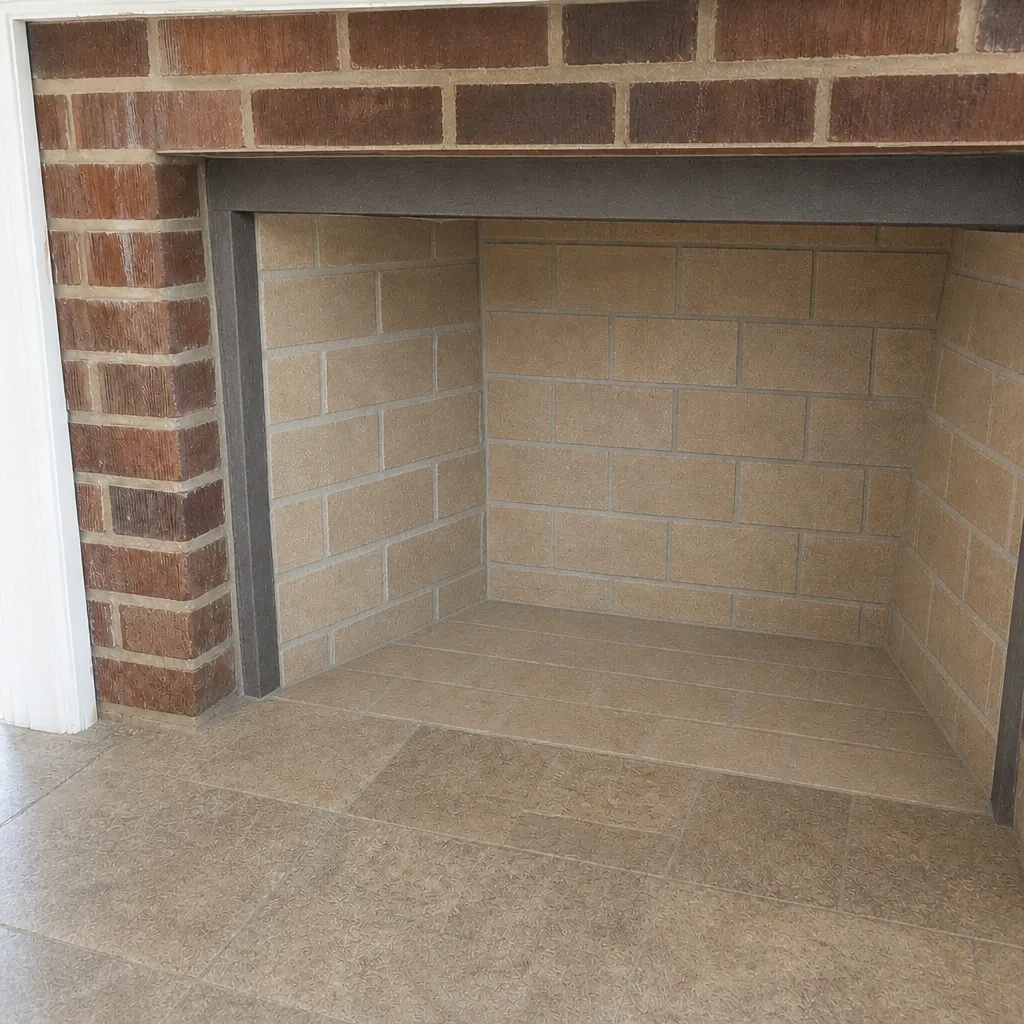 After
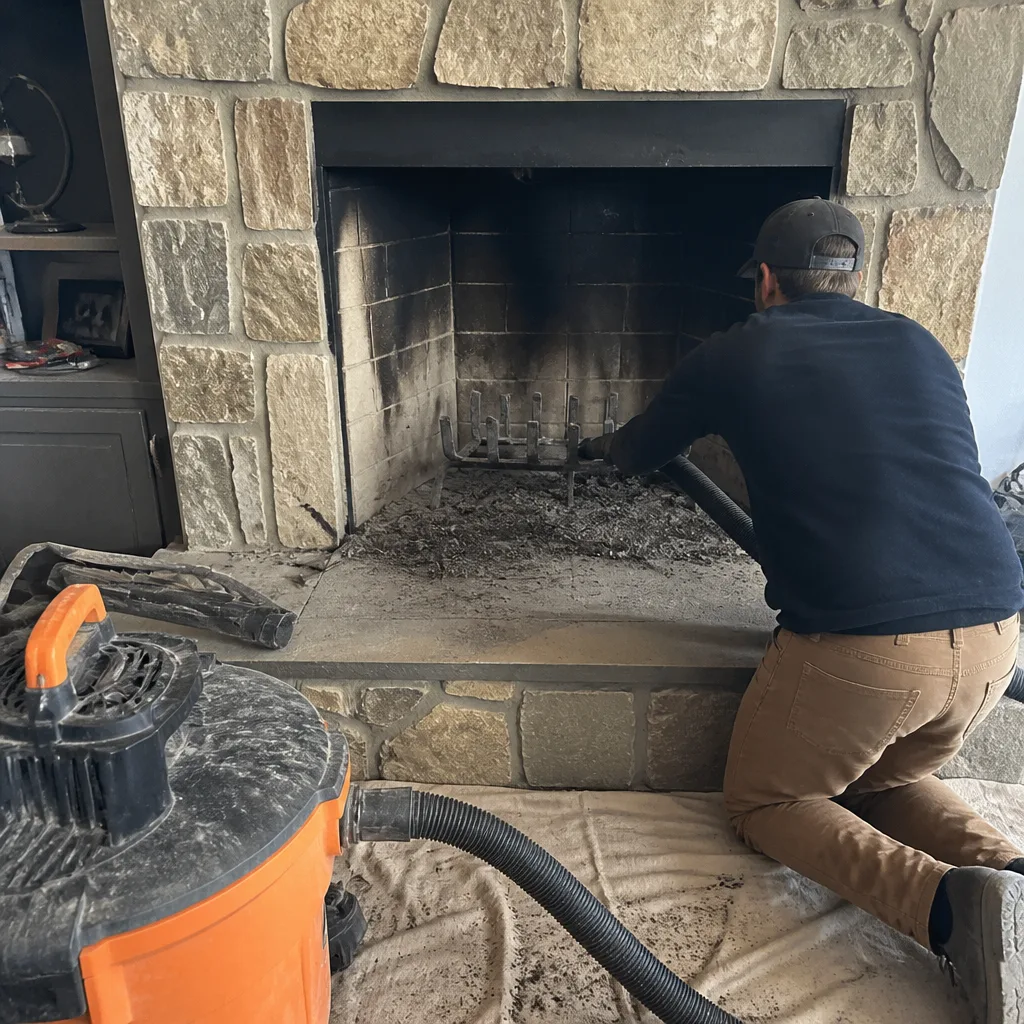 Before
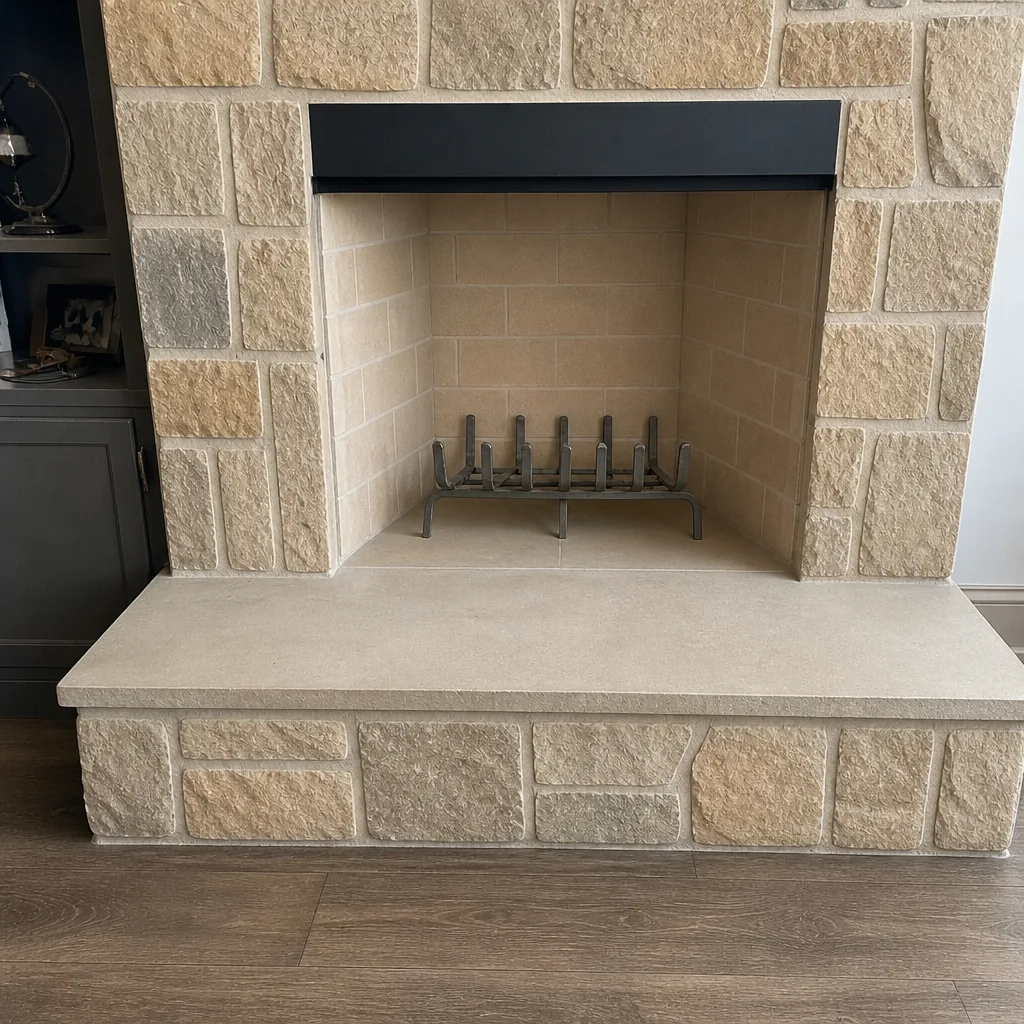 After
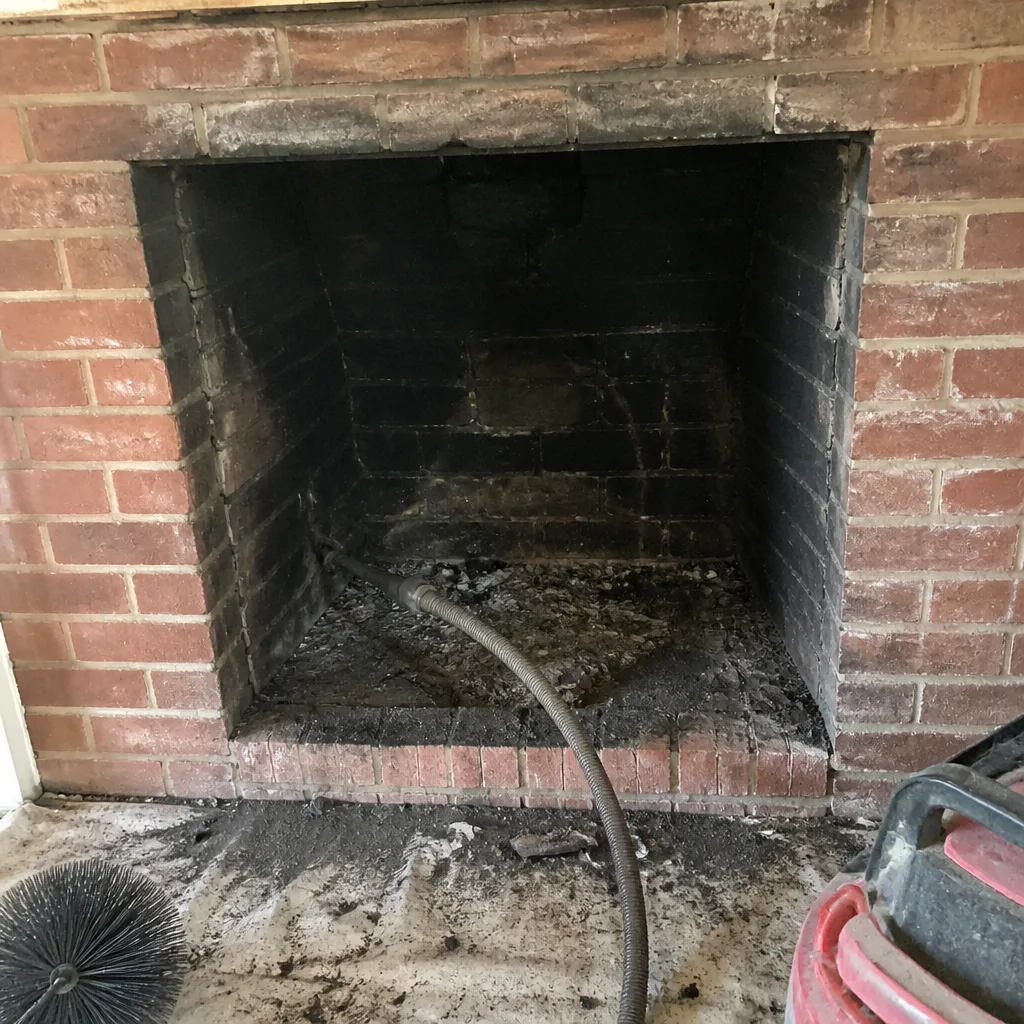 Before
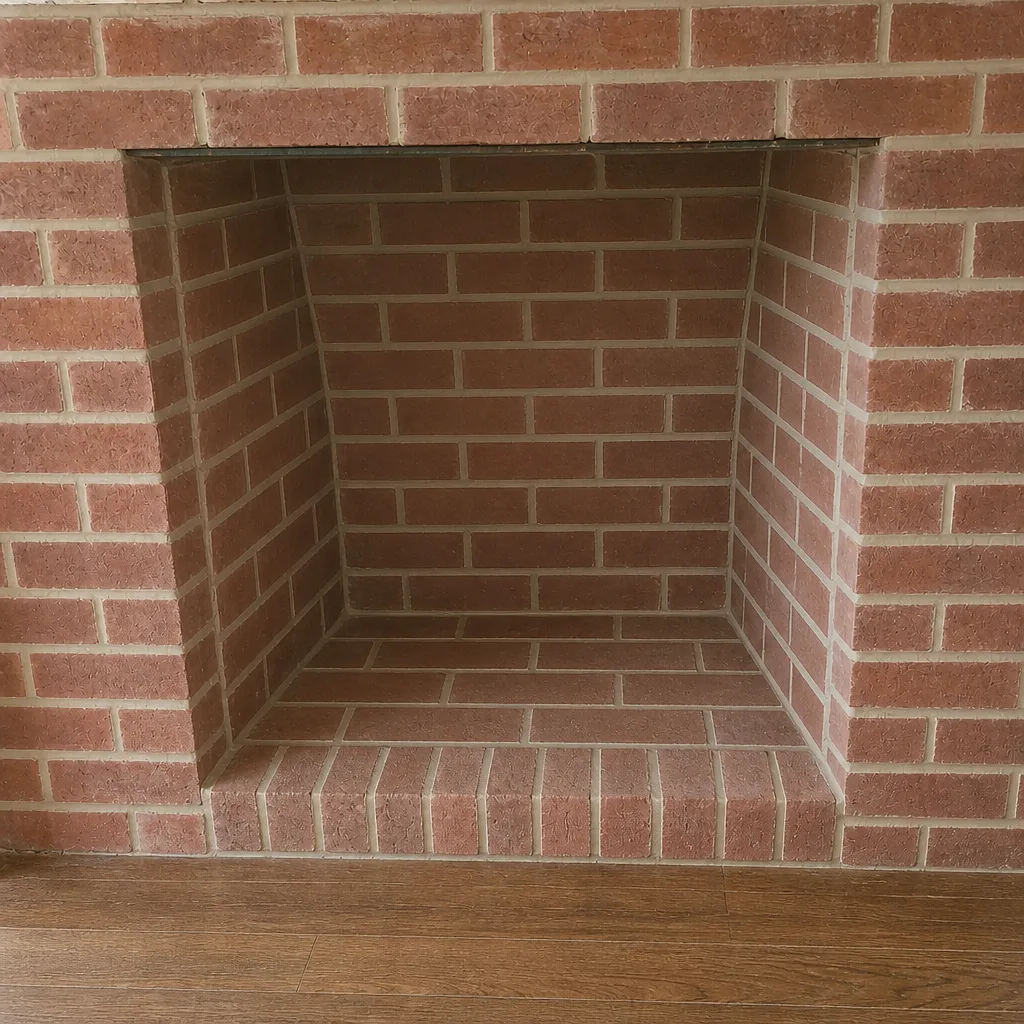 After
When to Call a Professional
There are a few scenarios where a call beats a quick check. If your smoke smells stronger than it used to, or the fire struggles to draft, that’s a sign something’s obstructing the flue or the liner has changed. If you’ve had any chimney fire, even one that burned itself out without you doing anything, the flue should be inspected before your next fire. If you’ve bought an older home, or you’re not sure when the chimney was last inspected, start with a professional assessment before the first fire of the season. And if you’ve noticed animal activity, a damaged cap, moisture inside the firebox, or visible masonry cracks, those are the same visit, not a separate one. Chimney Sweep Clarksville offers free estimates in Clarksville. Call (866) 942-9931. We answer 24/7. Fast dispatch from 7am to 7pm, Sunday through Friday.
Frequently Asked Questions
For most wood-burning chimneys in Clarksville, once a year is the standard, with an inspection every year and a cleaning when buildup or blockage warrants it. If you burn more than about two cords of wood a season, add a mid-season check so creosote doesn’t get a head start on the next cleaning. Gas and pellet setups often run a lower cleaning frequency but still need the annual inspection. Call (866) 942-9931 for an exact quote based on your setup. Estimates are free.
Yes. Cleaning removes what’s in the flue; inspection evaluates what the flue is made of and whether it’s holding up. A chimney can be clean and still have a cracked liner, moisture damage, or a loose cap, all of which are found during inspection, not during cleaning. The two work together, and you want both on your yearly calendar.
Skipping one year isn’t automatically a disaster, but it removes the check that catches problems early. Buildup that goes unremoved keeps accumulating, and a cracked flue tile or a loose cap gets a full season of weather to make things worse. Small issues caught on a yearly inspection are usually cheap to fix. Small issues that get a year or two of neglect can turn into liner work. Call (866) 942-9931 for an inspection and we’ll tell you honestly how urgent anything we find is.
A vented gas appliance needs an annual inspection, not necessarily an annual cleaning. Gas produces very little creosote, but it can still leave moisture, residue, and venting problems that inspection catches. A vented gas log set used as primary heat all season should be inspected yearly, and safety concerns around venting and carbon monoxide make that inspection worth keeping on the calendar. Call (866) 942-9931 if you want the flue assessed before winter.
A Level 1 inspection is the routine annual check of accessible components. A Level 2 goes deeper, using a camera to examine the flue interior and hidden areas, and it’s typically warranted after a chimney fire, on a home that’s changing hands, or after a change to the appliance or venting. For a routine year with nothing changed, Level 1 is usually appropriate. If you’re unsure which applies to you, ask when you book, and we’ll tell you what fits your setup.
If you’ve never had your dryer vent cleaned, or you can’t remember the last time, yes. Lint buildup in a dryer vent is a fire concern independent of the chimney, and a home fire-safety routine that stops at the fireplace leaves an important gap. We handle dryer vent cleaning as a standalone or an add-on. Call (866) 942-9931 to book a chimney inspection and a dryer vent cleaning in the same visit.
The Bottom Line
The annual sweep is the minimum, not the whole schedule. Your actual maintenance calendar depends on what you burn, how much of it you burn, and what your liner is made of. Wood-burning fireplaces need the most frequent attention, with mid-season checks for heavy burners. Gas and pellet setups need a lighter touch on cleaning but the same annual inspection. Oil flues need their own watch. And any chimney that sat unused all year still needs a look before the first fire, because moisture, nesting, and mortar deterioration don’t wait for a spark. If you want the whole routine handled in one relationship, call (866) 942-9931 for a free estimate. Our technicians have up to 10 years of experience, and we’ll tell you what’s safe to wait on and what isn’t.
Written by the team at Chimney Sweep Clarksville.